How to Choose the Right Cargo Storage Containers?
Choosing the right cargo storage containers begins with the cargo, not the container’s price. A steel box may look identical outside, yet its floor strength, ventilation, door design, and internal dimensions can change operating results. The UNCTAD Review of Maritime Transport 2023 confirms that about 80% of global merchandise trade by volume moves by sea. That scale makes reliable container selection a practical supply-chain decision.
Drewry’s Container Equipment and Leasing Annual Review highlights the importance of equipment availability, fleet age, and leasing conditions. These factors affect purchase timing and long-term costs. John Fossey, Drewry’s Head of Container Equipment and Leasing Research, has emphasized that equipment decisions should reflect cargo requirements, trade routes, and operational cycles. That principle deserves attention. A humid warehouse may need ventilation. A heavy machine may require a stronger floor and carefully checked weight limits. A coastal site may demand better corrosion protection. Small details matter.
There is no perfect universal choice. That is the uncomfortable part. Many buyers compare dimensions first, then discover that loading access, inspection records, or local handling equipment creates delays. A sound evaluation should examine container condition, door seals, CSC-related documentation, payload capacity, and expected storage duration. The World Bank’s Logistics Performance Index also shows how infrastructure and operational reliability influence supply-chain performance. This guide explains how to compare cargo storage containers with clearer evidence, realistic costs, and fewer assumptions.
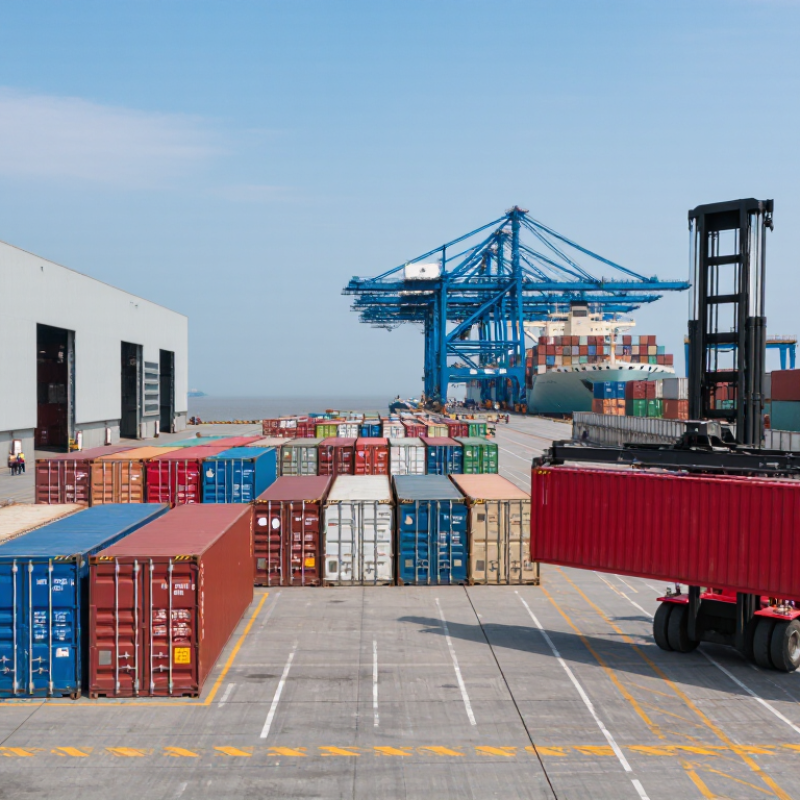
Define Your Cargo Storage Needs
How to Choose the Right Cargo Storage Containers?
Define Your Cargo Storage Needs
Choosing a cargo storage container starts with a clear description of what you actually store. Record each item’s length, width, height, weight, and packaging method. Do not estimate from memory. A few missing centimeters can make loading awkward.
Think about access, too. Will workers retrieve boxes daily, or will the cargo remain untouched for several months? Frequent access may require wider doors, internal shelving, or separate storage zones. Heavy goods need a strong floor and stable weight distribution. Fragile products may need padding, dividers, and careful stacking limits.
Consider the storage environment. Moisture-sensitive cargo may require ventilation and humidity control. Outdoor placement demands attention to drainage, ground stability, and exposure to heat or cold. Leave space for airflow and inspection. A tightly packed container can protect capacity but reduce visibility and handling safety.
My planning experience has taught me that cargo volume changes faster than expected. Seasonal stock, new packaging, or damaged pallets can alter the required space. Build a modest capacity buffer, but avoid paying for empty volume. Recheck measurements after a trial loading session. It may reveal that the container is technically large enough, yet inconvenient to use. Practical storage is not only about size; it is about safe movement, clear access, and dependable daily handling.
Compare Container Types and Materials
Choosing a cargo storage container starts with the cargo, not the container’s price. UNCTAD’s Review of Maritime Transport 2024 reports that more than 80% of global merchandise trade moves by sea. That scale makes container reliability critical.
Standard dry containers suit boxed goods, machinery, and packaged materials. Open-top units help with tall equipment, while flat racks support oversized loads. Temperature-sensitive cargo needs refrigerated containers with active cooling and clear temperature records.
Material choice changes performance. Corten steel offers strong impact resistance and better security, but surface corrosion still develops around damaged paint and door seals. Aluminum containers are lighter and resist rust, yet they can dent more easily during rough handling. Insulated panels reduce heat transfer, although damaged insulation may remain invisible during a quick inspection. The International Organization for Standardization maintains dimensional standards that support intermodal handling, but standard dimensions do not guarantee equal internal condition.
Inspect the floor, corner posts, locking bars, roof, and ventilation openings. Look closely. A dry container with a wet wooden floor can ruin cartons before anyone notices.
The World Bank’s Logistics Performance Index 2023 links dependable logistics with shipment visibility, service quality, and timeliness. Therefore, add sensors when humidity, temperature, or long storage periods matter.
In practice, selecting the largest container is often a mistake. Empty space allows movement, while tight loading can block airflow. I have also seen teams trust inspection photos too quickly; photographs miss odors, hidden moisture, and weakened seals. A written inspection record is less convenient, but usually more reliable.
Check Size, Capacity, and Loading Access
How to Choose the Right Cargo Storage Containers?
Check Size, Capacity, and Loading Access
More than 80% of global trade moves by sea, according to UNCTAD’s Review of Maritime Transport 2024. That scale makes container selection a practical logistics decision, not a minor purchasing detail. Measure the longest, widest, and highest cargo item first. Then leave clearance for wrapping, movement, and uneven stacking. A container that looks spacious may become restrictive after pallets are loaded.
Capacity needs two checks: volume and payload. ISO 668 defines common container dimensions, but usable space varies with internal fittings and door design. Confirm the container’s tare weight, maximum gross mass, and floor load rating. Do not treat the advertised capacity as your working limit. It is safer to calculate the heaviest realistic load, including pallets and packaging. Small errors become expensive.
Loading access often determines daily efficiency. Standard end doors suit palletized cargo, while side-opening access helps with long items or frequent picking. Check the door height, width, threshold, and turning space for handling equipment. The World Bank’s Logistics Performance Index 2023 highlights reliability and timeliness as major supply-chain concerns. Poor access can create both. I would also test the loading plan with an actual pallet footprint. Paper measurements can mislead. Recheck them.
Evaluate Security, Durability, and Weather Protection
How to Choose the Right Cargo Storage Containers?
A secure cargo container needs more than a strong padlock. Inspect the door frame, locking bars, hinges, and welds for gaps or fresh damage. Doors should close evenly without forcing them. A concealed lock box can reduce tampering risks, but it must remain easy to inspect. Choose a container with a suitable load rating, clear inspection records, and traceable maintenance history. These details support safer, more reliable storage decisions.
Durability depends on steel thickness, floor condition, and corrosion protection. Check the underside carefully, especially near drainage points where water often remains hidden. Weather protection also requires intact door gaskets, a sound roof, and sealed corner joints. During site inspections, I look for daylight around closed doors and damp marks inside. A container can appear solid outside yet leak during heavy rain. Ventilation matters too, because trapped humidity may damage stored materials over time. I once underestimated condensation in a sheltered area. That mistake changed my inspection routine.
Tips: Test the doors after rain. Check the roof from several angles. Lift floor edges where possible. Keep the container level, and leave airflow around its walls. Record dents, rust, and seal damage with dated photos. If the site faces strong winds, use professional anchoring advice rather than guessing. Small oversights become expensive repairs.
How to Choose the Right Cargo Storage Container?
This comparison uses a practical 1–5 scale based on typical container construction features. Security considers lockable steel doors and tamper resistance; durability reflects structural strength and resistance to repeated handling; weather protection measures resistance to rain, wind, and temperature exposure. Higher scores indicate stronger overall performance for long-term outdoor storage.
Review Costs, Regulations, and Maintenance Requirements
How to Choose the Right Cargo Storage Containers?
Review Costs, Regulations, and Maintenance Requirements
Price is only the starting point when selecting a cargo storage container. Compare purchase, delivery, unloading, site preparation, and possible modification costs. A level gravel base may cost more initially, but it can prevent doors from sticking and floors from shifting. Measure twice. Access space matters.
I once underestimated transport charges because the site looked easy to reach. A narrow gate required extra planning and delayed installation. Check local zoning rules, placement limits, fire access, and permit requirements before ordering. Regulations vary between locations, so confirm details with the relevant local authority. Also verify maximum load ratings, ventilation needs, and safe clearance around the unit. Written documentation protects both the buyer and the supplier.
Maintenance should be assessed before the container arrives. Inspect roof seams, corner posts, door seals, locking bars, and floor panels. Rust spreads quickly. Keep water away from the base, clear debris from drainage paths, and lubricate hinges with suitable maintenance products. A quarterly inspection is practical, although harsh weather may require more frequent checks. Record dates, photographs, repairs, and observed damage. Records matter.
Do not ignore internal conditions. Condensation can damage cartons, tools, and metal goods, even when the exterior looks sound. Ventilation may help, but excessive airflow can introduce moisture in humid weather. I still find this balance difficult to judge without observing the site through changing seasons. Choose durable finishes and replacement parts that can be sourced locally. The cheapest container may become the most expensive after repeated repairs.
Related Posts
-
What is a Cargo Container and How is it Used in Shipping?
-
What Are the Top Shipping Container Storage Types in 2026?
-
What Is Shipping Container Storage?
-

How to Choose Shipping Container Storage in 2026?
-

10 Shipping Container Storage Tips for Global Buyers
-

What Is a Cargo Shipping Container and How Does It Work?
Get a quote
Get a quote
Read More
Accept AllReject AllCustomise
Privacy Overview
| Cookie | Duration | Description |
|---|---|---|
| cookielawinfo-checkbox-advertisement | 1 year | Set by the GDPR Cookie Consent plugin, this cookie records the user consent for the cookies in the "Advertisement" category. |
| cookielawinfo-checkbox-analytics | 11 months | This cookie is set by GDPR Cookie Consent plugin. The cookie is used to store the user consent for the cookies in the category "Analytics". |
| cookielawinfo-checkbox-functional | 11 months | The cookie is set by GDPR cookie consent to record the user consent for the cookies in the category "Functional". |
| cookielawinfo-checkbox-necessary | 11 months | This cookie is set by GDPR Cookie Consent plugin. The cookies is used to store the user consent for the cookies in the category "Necessary". |
| cookielawinfo-checkbox-others | 11 months | This cookie is set by GDPR Cookie Consent plugin. The cookie is used to store the user consent for the cookies in the category "Other. |
| cookielawinfo-checkbox-performance | 11 months | This cookie is set by GDPR Cookie Consent plugin. The cookie is used to store the user consent for the cookies in the category "Performance". |
| CookieLawInfoConsent | 1 year | CookieYes sets this cookie to record the default button state of the corresponding category and the status of CCPA. It works only in coordination with the primary cookie. |
| viewed_cookie_policy | 11 months | The cookie is set by the GDPR Cookie Consent plugin and is used to store whether or not user has consented to the use of cookies. It does not store any personal data. |
| Cookie | Duration | Description |
|---|---|---|
| _cs_c | 1 year 1 month | The cookie is used by Content Square to save the user consent to be tracked. |
| Cookie | Duration | Description |
|---|---|---|
| _cs_id | 1 year 17 days 20 hours 13 minutes | This cookie is used to store the ContentSquare's user identifier ID. This is a persistent cookie and expires after 13 months. |
| _cs_s | 1 hour | This cookie is used to store the number of page's viewed by a visitor within the session for ContentSquare's solution. |
| _ga | 1 year 1 month 4 days | Google Analytics sets this cookie to calculate visitor, session and campaign data and track site usage for the site's analytics report. The cookie stores information anonymously and assigns a randomly generated number to recognise unique visitors. |
| _ga_* | 1 year 1 month 4 days | Google Analytics sets this cookie to store and count page views. |
| _gcl_au | 3 months | Google Tag Manager sets the cookie to experiment advertisement efficiency of websites using their services. |
| Cookie | Duration | Description |
|---|---|---|
| test_cookie | 15 minutes | doubleclick.net sets this cookie to determine if the user's browser supports cookies. |
| Cookie | Duration | Description |
|---|---|---|
| _cs_root-domain | session | Description is currently not available. |
| _cs_same_site | session | Description is currently not available. |