What Is a Cargo Shipping Container and How Does It Work?
A cargo shipping container is more than a steel box moving between ports. It is a standardized transport unit that protects goods while traveling by ship, rail, and truck. Most common dry containers are built around ISO dimensions, allowing cranes, chassis, and vessel slots to work together with remarkable consistency.
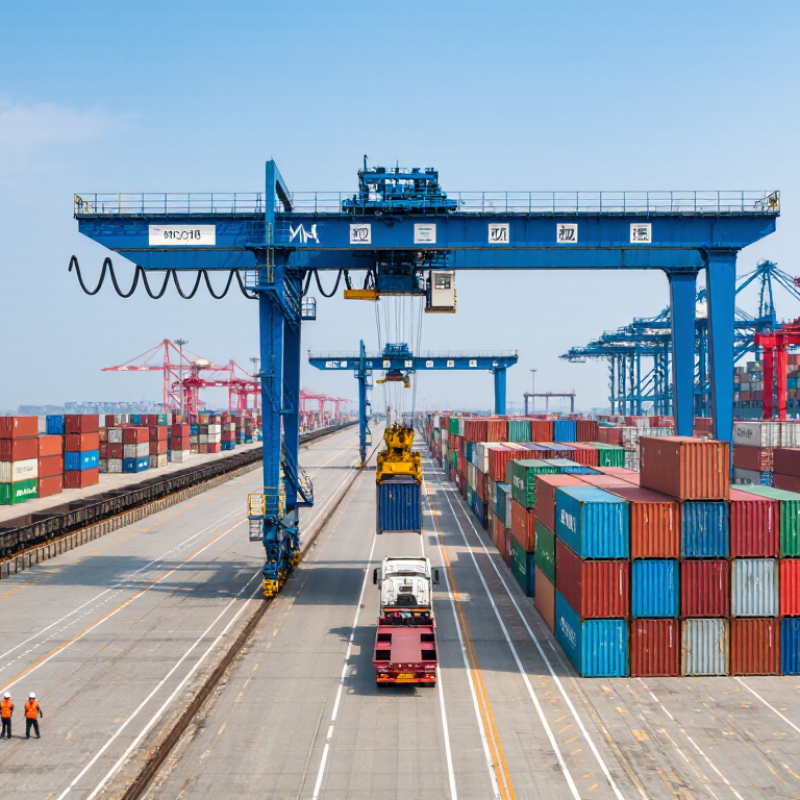
The scale is enormous. UNCTAD’s Review of Maritime Transport reports that maritime shipping carries over 80% of global merchandise trade by volume. The World Shipping Council estimates that the industry moves about 250 million containers each year. Behind every number is a physical process: a 40-foot container arrives on a truck, passes through a terminal gate, waits beneath a gantry crane, and moves onto a vessel measured in thousands of container slots.
But how does this system actually work? A container’s corner castings lock into twistlocks, securing it to a chassis, rail wagon, or ship deck. Standardized dimensions make stacking possible, while container doors, seals, and inspection procedures help preserve cargo integrity. Refrigerated containers add machinery, sensors, and continuous temperature control for sensitive goods.
The idea appears simple.
Its reliability is not accidental. It depends on engineering standards, trained handling teams, port software, vessel planning, and careful documentation. The International Maritime Organization’s Verified Gross Mass requirements also show why accurate weight information matters before loading. A small reporting error can affect stability, safety, and handling decisions.
This guide explains what a cargo shipping container is, how it functions, and why standardization transformed global logistics. Some explanations may simplify complex operations. Real shipments remain less tidy._conditions, delays, and equipment limits can change the outcome.
Definition and Core Features of a Cargo Shipping Container
A cargo shipping container is a standardized, reusable steel box designed to move goods between ships, trains, and trucks. Its core features include fixed dimensions, reinforced corner castings, lockable doors, and a weather-resistant structure. ISO 668:2020 defines the main external dimensions and classifications for freight containers. Most general-purpose units are 20 or 40 feet long. Internal capacity varies because wall thickness and equipment differ.
In practice, workers place goods inside and distribute the weight across the floor. The doors are closed, sealed, and checked before transport. Cranes then lift the container by its corner castings using twist-lock equipment. These fittings connect containers securely during stacking and handling. UNCTAD’s Review of Maritime Transport 2024 recorded 12.3 billion tons of seaborne trade in 2023. Its 2023 report also states that over 80% of global merchandise trade by volume moves by sea. The container makes that enormous system manageable. It is not a perfect box. Poor weight distribution can damage cargo or affect handling stability. Moisture can also collect inside when temperatures change. Small details matter.
Main Container Types and Their Specialized Uses
A cargo shipping container is a standardized steel unit that protects goods during road, rail, and sea transport. Its corner castings allow cranes, trucks, and vessels to lift and secure it efficiently. ISO 668 defines common container dimensions, while CSC safety rules support structural inspections and safe handling.
The dry container remains the workhorse for packaged goods, machinery, and household products. High-cube versions provide extra internal height for bulky, lightweight cargo. Refrigerated containers maintain controlled temperatures for food, pharmaceuticals, and other sensitive goods. They require power, regular monitoring, and careful loading. A brief temperature failure can damage cargo quickly.
Open-top containers suit tall machinery and materials loaded by crane. Flat racks support oversized equipment that cannot fit inside standard walls. Tank containers carry approved liquid products within a reinforced vessel. They need strict compatibility checks and cleaning records. Specialized, but demanding.
UNCTAD’s Review of Maritime Transport 2024 reported approximately 858 million TEUs in global container port throughput during 2023. That scale shows why standardization matters. Yet container selection is not purely technical. Moisture, weight distribution, ventilation, and handling routes can change the correct choice. A dry box may appear suitable, but poor ventilation can still create condensation damage. Industry guidance often feels precise, though real shipments remain imperfect. Careful cargo measurements and verified equipment condition reduce avoidable failures.
What Is a Cargo Shipping Container?
Typical external dimensions of major ISO container types
How it works: A cargo shipping container is a reusable, standardized steel box designed to move goods between ships, trains, and trucks without unpacking the cargo. Its corner fittings allow cranes and securing systems to lift, stack, and lock the unit safely.
- 20-foot dry container: Suitable for general cargo, machinery, packaged goods, and heavy materials.
- 40-foot dry container: Provides more floor space for general freight and consolidated shipments.
- 40-foot high-cube container: Offers extra internal height for bulky or lightweight cargo.
- 45-foot high-cube container: Maximizes volume for large, lightweight shipments where route and terminal limits permit.
Dimensions shown are typical external ISO dimensions in metres; exact specifications can vary by container series and manufacturer.
How Cargo Is Packed, Secured, and Loaded Inside
A cargo shipping container is a standardized steel box designed to move goods between ships, railways, and trucks. Its strength comes from corner posts, locking bars, and a rigid floor. Yet the container cannot protect careless packing. Every shipment begins with a practical plan: measure cartons, check weight, and map the load against its center of gravity. Heavy cases belong low and near the middle. Light cartons should not carry pressure from dense machinery.
Packers use pallets, blocking timber, straps, airbags, or edge protectors, depending on the cargo. Empty spaces invite movement. Fill them with suitable dunnage, but never force materials against fragile surfaces. Moisture control matters too. Dry goods may need liners or desiccant packets, while ventilation can help prevent condensation. I have found that a simple photo of each secured layer often reveals gaps missed during a rushed inspection. It also gives the next handler useful evidence.
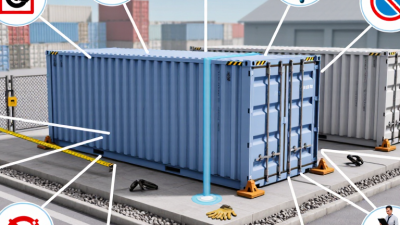
Before loading, inspect the floor, walls, roof, doors, and odor. Reject a container with leaks, sharp damage, or a weak floor. Distribute weight evenly across its length and width. Keep doors clear, then close and lock them after checking the final restraints. The load should remain stable when the vehicle brakes, turns, or meets uneven track. No packing method is perfect. A hurried adjustment can still weaken a good plan. Careful records, measured tension, and a second-person check make failures less likely.
Handling, Tracking, and Unloading at the Final Destination
A cargo shipping container is a standardized steel box built for repeated sea, rail, and truck movements. The common 20-foot unit holds dry cargo, while a 40-foot unit offers greater volume. UNCTAD’s Review of Maritime Transport reports that ships carry over 80% of global merchandise trade by volume. That scale makes disciplined handling essential.
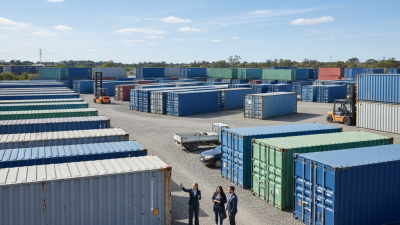
At the terminal, cranes lift containers from chassis or rail wagons and place them in planned stacks. Staff check the container number, seal condition, weight record, and handling instructions. Digital tracking records gate entries, crane moves, vessel loading, and discharge events. The World Shipping Council’s Containers Lost at Sea Report recorded 576 lost containers in 2023, showing why accurate securing and data checks still matter. Tracking is useful, but it is not magic. A delayed scan can create a false location.
At the final destination, the container is discharged from the vessel and moved through customs-controlled procedures before delivery. The receiving team inspects the seal, photographs visible damage, and compares the delivered cargo with the packing list. Doors should open on level ground, with personnel standing clear of possible shifting goods. Unloading then proceeds by pallet, carton, or individual piece, depending on the cargo. Small errors spread quickly. A wrong container reference can delay a truck, warehouse slot, and delivery appointment. Automated systems reduce this risk, yet manual verification remains necessary. In real operations, plans are rarely perfect; weather, congestion, and damaged labels still demand careful judgment.