10 Shipping Container Storage Tips for Global Buyers

For global buyers, shipping container storage is more than placing a steel box on open ground. It affects product safety, handling costs, inspection access, and delivery timing. A poorly chosen site can collect water beneath the container. Uneven ground can twist the doors and damage seals. Small oversights become expensive delays.

Transport expert Dr. Jean-Paul Rodrigue describes the container as “the basic unit of intermodal transportation.” His observation explains why storage planning matters across ports, warehouses, rail yards, and final delivery points. The container must remain accessible, stable, and protected during every transfer. Buyers also need clear records for condition checks, ownership, maintenance, and permitted site use. Reliable storage depends on practical details, not attractive photographs alone.

This guide, “10 Shipping Container Storage Tips for Global Buyers,” examines those details. It covers ground preparation, drainage, ventilation, stacking limits, security, pest prevention, and routine inspections. It also considers climate exposure, door clearance, and safe loading practices. These recommendations support responsible purchasing and lawful commercial operations.

No storage plan is perfect. Soil conditions change. Weather surprises even experienced operators. A delivery vehicle may need more turning space than expected. That is why buyers should question assumptions before committing funds. Measure the site again. Check the container after heavy rain. Speak with qualified local professionals when conditions seem unclear. Careful preparation may feel slower, but it usually prevents avoidable damage and disappointing costs.
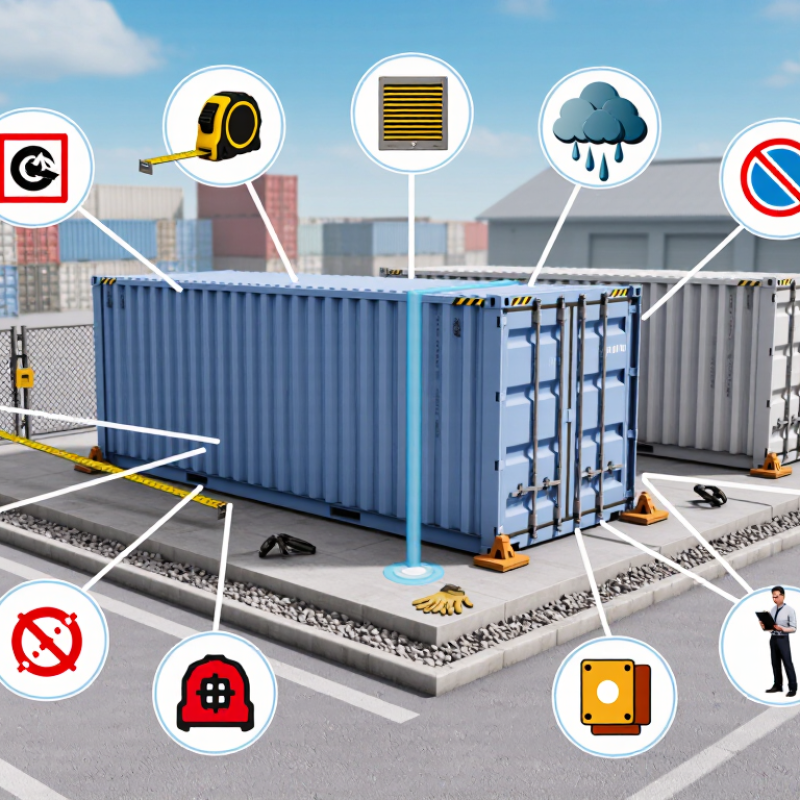
10 Shipping Container Storage Tips for Global Buyers

Assess Your Storage Needs, Container Types, and Local Regulations

Before choosing a shipping container, measure what you plan to store and how often you will need access. Record the largest item’s length, width, and height, then leave room for safe handling. A 20-foot container may suit tools and boxed stock, while bulky equipment may need a 40-foot unit. Check the doorway clearance, not just the advertised interior dimensions. A few centimeters can matter.

Tip: Make a simple inventory and sketch where each item will go. Keep frequently used goods near the doors, and avoid stacking heavy items above lighter boxes. Containers come in standard, high-cube, and ventilated options. High-cube units offer extra height, but they do not solve every loading problem. Ventilation can help with airflow, yet it is not climate control. I once underestimated aisle space; the shelves fit, but access did not.

Confirm local rules before delivery. Some areas require permits, limit placement near property lines, or restrict containers in residential zones. Ask the local planning office or property manager about foundations, drainage, and delivery access. A truck may need clear overhead space and a firm turning area. Also check whether stored goods need protection from heat, moisture, or condensation. Requirements vary by location, so verify current guidance rather than relying on a seller’s general advice.

Choose the Right Container Condition, Size, Material, and Security Features

Global buyers should inspect a container before comparing prices. Condition affects cargo safety, handling costs, and insurance discussions. A one-trip unit looks clean, but used equipment can offer better value. Ask for recent photos, door-seal views, floor images, and inspection records. Check corner posts, roof panels, hinges, and locking bars for bends or serious corrosion. Small dents are usually manageable. Water stains deserve more attention. I once accepted unclear floor photos and paid for repairs later. That mistake still shapes my buying checklist.

Choose size from cargo dimensions, not guesswork. A 20-foot container suits dense, heavy goods and limited sites. A 40-foot container provides more volume but needs a larger turning area. Measure pallets, door clearance, forklift access, and stacking height. Leave room for ventilation and safe movement. Measure twice. Internal dimensions vary slightly between units, so confirm them in writing. Weathering steel is common and durable, but corrosion level matters more than the label. Material claims should be supported by specifications, not sales language.

Security features should match the storage location and cargo value. Inspect door alignment, locking rods, welds, and lock-box compatibility. A lock box can shield the padlock from cutting tools. It is not a complete security system. Consider lighting, cameras, perimeter control, and a dry placement surface. Ask how keys, inspection photos, and delivery records are handled. Keep every measurement and condition note. My checklists are never perfect; they sometimes miss drainage or local access restrictions. A second review by a site operator can reveal practical problems before delivery.

Prepare the Storage Site for Ground Stability, Drainage, Access, and Ventilation

Before delivery, inspect the storage site, not just the container specifications. A loaded container can weigh several tonnes, so unstable soil may cause twisting doors and uneven floors. I check for soft patches, recent excavation, and standing water. Do not guess. Have a qualified local professional assess the ground where conditions are uncertain.

Compacted crushed stone or reinforced concrete can create a more reliable base. Place supports beneath the main structural rails, keeping the container level and slightly raised above the ground.

Water is persistent. Slope the finished surface away from the container, and keep drainage channels clear of leaves and sediment. Leave enough space around the unit for inspection, repairs, and safe door movement.

I once positioned a container too close to a boundary, then discovered that delivery equipment could not turn properly. That mistake cost time and required repositioning. Measure the access route, gate width, turning radius, and overhead clearance before booking transport.

Ventilation matters in both hot and cold climates. A sealed container can collect condensation, damaging timber, textiles, tools, or stored equipment. Position it where air can circulate around all sides, rather than pressing it against a wall or dense vegetation.

Passive vents can help, but they should be protected from rain and pests. Inspect vents after storms. I still review airflow after the first month because the original plan can look different on site. Small oversights become expensive when moisture remains hidden.

Control Moisture, Temperature, Pest Risks, and Long-Term Container Maintenance

10 Shipping Container Storage Tips for Global Buyers

Global buyers often treat a shipping container as a simple metal box. That assumption creates expensive storage problems.

Moisture comes first. Inspect the floor, roof seams, door gaskets, and corner posts before loading. Look for peeling paint, white corrosion, and damp cardboard.

Place cargo on pallets, leaving an air gap from the walls. Use moisture absorbers when humidity stays high, but never rely on them alone.

Use a hygrometer. Weekly readings provide useful evidence about changing conditions.

Temperature changes deserve equal attention. A sealed container can heat rapidly under direct sun and cool sharply overnight. These cycles create condensation on metal surfaces.

Install a temperature logger for sensitive goods, and shade the container where practical. Do not block ventilation paths.

Air movement must match the cargo’s moisture requirements. I once underestimated morning condensation after a cool night; the outer boxes looked dry, but lower layers were not. That mistake reinforced the value of checking beneath the top layer.

Pests enter through damaged seals, floor gaps, and nearby vegetation.

Pests hide well. Keep the storage area clean, raised, and free from standing water.

Inspect corners for droppings, webbing, and gnaw marks before each loading cycle.

Long-term maintenance needs a written schedule. Check door operation, locking bars, welds, roof punctures, and surface rust every few months.

Photograph defects and record repairs with dates.

When corrosion reaches structural areas, ask a qualified container inspector for an assessment.

Small repairs are cheaper, but rushed repairs can hide bigger failures.

Verify Suppliers, Shipping Documents, Delivery Costs, Insurance, and Final Inspection

10 Shipping Container Storage Tips for Global Buyers

Before booking storage, verify the supplier beyond photos. Request a company registration record, recent references, container specifications, and clear ownership terms. Ask for the build year, external dimensions, floor condition, door seals, and previous cargo use. UNCTAD reports that over 80% of global merchandise trade by volume moves by sea, so small documentation errors can become expensive delays. Check the commercial invoice, packing list, bill of lading, certificate of origin, and delivery appointment. Names, quantities, and container numbers must match. One wrong digit is enough.

Delivery costs need their own worksheet. Include ocean freight, terminal handling, customs clearance, inland transport, storage days, unloading equipment, and possible demurrage. The World Bank’s 2023 Logistics Performance Index evaluates customs, infrastructure, tracking, and timeliness across 139 economies; local performance can change the final cost sharply. Request a written quote with validity dates and currency. It is easy to compare freight while missing the last-mile charge. I have seen “door delivery” exclude lifting fees.

Purchase cargo insurance based on replacement value, not only freight value. Confirm covered risks, deductibles, claim deadlines, and evidence requirements. Photograph every side of the container before opening it. During final inspection, record seal numbers, dents, moisture, odors, rust, floor damage, and carton counts. Use a signed checklist with time-stamped images. A surveyor is useful for high-value goods, although a checklist can still miss hidden water damage. Recheck it.