2026 Best Shipping Container Storage Units for Buyers

Choosing the right shipping container storage units in 2026 requires more than comparing prices online. Buyers must examine construction quality, weather resistance, security features, ventilation, delivery access, and long-term maintenance. A container may look solid in photographs, yet hidden corrosion can appear around door frames, roof seams, and floor supports.

This guide focuses on practical buying decisions supported by industry experience and careful product evaluation. It considers new, used, refurbished, and modified units for homes, farms, construction sites, retailers, and commercial facilities. Steel thickness, locking bars, wind and rain protection, flooring condition, and provider reputation all deserve close attention. Measure the site twice. Delivery mistakes are expensive.

Reliable suppliers should provide clear specifications, inspection details, photographs, transport terms, and written warranty information. Buyers should also confirm local placement requirements, access restrictions, drainage conditions, and foundation recommendations before ordering. Standards and availability can vary by region, so a product suitable in one market may need additional review elsewhere.

There is no universal best unit. A low-cost container can become expensive after repairs, repainting, or ventilation upgrades. Conversely, premium features may be unnecessary for short-term storage. This guide recognizes those trade-offs and explains where common recommendations may fall short. The goal is not to promote one brand, but to help buyers select a secure, durable, and appropriately sized storage solution with greater confidence.
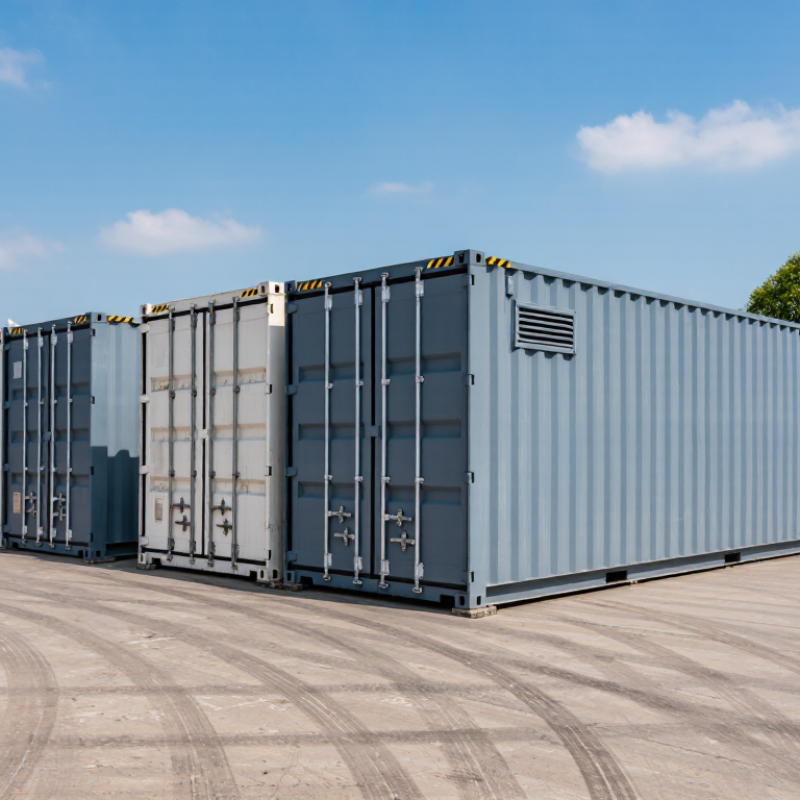
2026 Best Shipping Container Storage Units for Buyers

What Are Shipping Container Storage Units?

2026 Best Shipping Container Storage Units for Buyers

What Are Shipping Container Storage Units?

Shipping container storage units are strong steel boxes designed to hold goods during transport and storage. Many buyers place them on prepared ground, then use them as secure, weather-resistant storage spaces. Common lengths include 20 and 40 feet, with roughly 8 feet of external width. Exact internal space varies by construction and insulation.

These units usually have heavy doors, locking points, and a raised steel floor. In practical site checks, I look for rust around door frames, uneven floors, damaged seals, and difficult door movement. Small defects can become expensive after delivery. Ventilation also matters. Moist air may collect inside, especially when warm sunlight meets cold metal walls. Simple vents, dry pallets, and regular inspections can reduce condensation.

Placement needs careful thought. The ground should be firm, level, and able to support the unit’s weight. A delivery vehicle also needs enough turning and unloading space. Do not assume every yard is suitable. Some locations may require local permission, drainage planning, or access reviews. Requirements differ by area.

These units are useful for tools, furniture, stock, and seasonal equipment. They are not perfect for every item. Temperature-sensitive goods may need insulation, electrical systems, or another storage solution. I have seen buyers focus on price and overlook daily access. That mistake can make a large container frustrating to use.

How to Choose the Right Container Size and Type

Choosing the right container begins with measuring your items, not guessing from photographs. A 20-foot unit suits household furniture, tools, or seasonal equipment. A 40-foot unit provides more floor space but needs a wider, stronger delivery area. Leave walking space inside. A tightly packed container becomes difficult to inspect and unload.

Container type matters as much as size. Standard dry units protect general goods from rain, while high-cube models offer extra interior height. Insulated units can reduce temperature changes for sensitive items, but they do not replace climate control. Check the doors, locking bars, floor condition, roof, and corner posts. I once underestimated clearance for a delivery truck. That mistake caused delays. Measure gates, turns, overhead wires, and ground firmness before ordering.

Tips: Make a simple inventory with dimensions and weight. Keep heavy items low and centered. Use pallets or shelving to improve airflow. Ask for recent inspection photos, but inspect the unit on arrival when possible. Small dents may be harmless; active rust, water stains, or strong odors deserve careful questions. Also confirm placement requirements, drainage, ventilation, and local approval rules. These details vary by location, and online size charts can be too optimistic.

Which Materials, Features, and Security Options Matter?

Material choice shapes the unit’s lifespan, comfort, and maintenance cost. Weathering steel resists rain, but scratches still need prompt treatment. Check panel seams for clean welds and consistent corrosion protection. A sturdy floor should support loaded pallets without soft spots or noticeable flexing. Marine-grade plywood handles moisture better than ordinary boards, although it still needs ventilation.

Features should match the storage site, not just the sales specification. Rear vents reduce condensation, while insulated panels help protect tools and documents from sharp temperature changes. A raised base improves drainage after heavy rain. Look for doors that open smoothly and seal evenly. Small details matter. Check the roof for pooling water. It often reveals poor leveling or weak drainage design.

Security begins with the door frame and locking system. A recessed lockbox protects the padlock from cutting tools and direct weather. Tamper-resistant hinges reduce exposure, but hinge quality varies widely. Add motion lighting, a visible camera, or a monitored alarm when the location justifies the cost. Keep access records for shared facilities. They improve accountability without creating unnecessary complexity. I would avoid treating thicker steel as complete protection. Visibility, lighting, placement, and daily inspection can matter just as much. Buyers should examine a sample unit in person, because photographs rarely show condensation marks, uneven flooring, or difficult door movement.

How to Compare Prices, Delivery, and Installation Services

When comparing shipping container storage units in 2026, price is only the opening figure. Ask for an itemized quote covering unit condition, doors, vents, locking points, taxes, and site preparation. A low price can hide repainting, leveling, or unexpected access charges. Request recent photos and written specifications before paying a deposit. Measure your site carefully.

Delivery needs the same attention. Ask whether transport includes a scheduled date, unloading, and placement on your prepared surface. Confirm truck dimensions, turning space, overhead clearance, and weather-related rescheduling terms. A supplier should explain delivery limits clearly, not promise access without seeing the site. I prefer a signed delivery plan with contact details and a damage-report process. Small details matter.

Installation quotes should state leveling methods, foundation requirements, anchoring, door alignment, and final inspection. Ask who performs the work and what training or insurance they carry. Uneven ground can cause water pooling and difficult doors. I would not accept “standard installation” without written details. Buyers often focus on the monthly price, then pay more for corrections. Leave room for revision. A written warranty should identify covered defects, response times, and exclusions. If a quote remains vague, treat that vagueness as a cost risk, not a minor inconvenience.

2026 Best Shipping Container Storage Units: Cost Comparison

Typical U.S. planning benchmarks for standard 20-foot and 40-foot storage containers. Figures are estimated in USD and exclude taxes, permits, site preparation, and long-distance delivery surcharges.

Used containers generally offer the lowest purchase price, while one-trip units typically provide better cosmetic condition. Delivery and installation costs vary mainly by distance, access conditions, lifting requirements, and foundation preparation.

How to Inspect, Maintain, and Use a Storage Container Safely

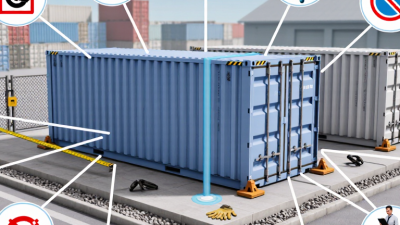
A safe storage container begins with a careful inspection, not a quick glance. Walk around the unit in daylight and check for dents, sharp edges, rust, and damaged corner posts. Open both doors slowly. They should move without sudden resistance. Look at the roof from the ground for sagging or visible holes. Inside, search for daylight, damp patches, mold, oil smells, and loose flooring.

Keep the container on firm, level ground with enough clearance around the doors. Uneven support can twist the frame and make the doors dangerous. Use wooden blocks or approved supports only when they are stable and suitable for the container’s weight. Ventilation matters. Small vents can reduce condensation, but they do not replace regular inspection. Store boxes on pallets, leaving space between walls and contents. Never block the doors, vents, or access path.

Maintenance should follow a simple routine. Clear leaves and standing water from the roof and check locks, hinges, seals, and floorboards each month. Light surface rust may need cleaning and protective coating. Deeper corrosion requires professional assessment. Do not ignore a minor leak. It often becomes expensive after one wet season. Keep a written inspection log with dates and photographs. It may feel excessive, but memory is unreliable. Avoid entering during severe weather, and use proper lighting inside. A portable light is safer than an open flame. Keep heavy items low, distribute weight evenly, and review the container after every major change in use.

2026 Best Shipping Container Storage Units for Buyers - How to Inspect, Maintain, and Use a Storage Container Safely

Evaluation Area What to Check or Measure Practical Acceptance Guidance Recommended Action Safety or Use Note
Best general storage size External dimensions of a standard unit A 20-foot unit is approximately 20 ft long × 8 ft wide × 8 ft 6 in high. A 40-foot unit is approximately 40 ft long × 8 ft wide × 8 ft 6 in high. Choose the smallest unit that leaves safe clearance around stored items. Confirm the delivery site has enough space for the truck, turning radius, overhead clearance, and door access.
Internal usable space Interior length, width, and height Typical internal dimensions are about 19 ft 4 in × 7 ft 8 in × 7 ft 10 in for a 20-foot unit, and about 39 ft 5 in × 7 ft 8 in × 7 ft 10 in for a 40-foot unit. Measure large furniture, pallets, and equipment before ordering. Door openings are smaller than the internal width and height; measure the actual door before loading bulky items.
High-cube clearance Overall height A high-cube unit is generally 9 ft 6 in high externally, about 1 ft taller than a standard 8 ft 6 in unit. Use the taller option for stacked goods, shelving, or taller machinery. Check local planning rules, overhead cables, gates, trees, and the delivery vehicle’s clearance requirements.
Structural condition Corner posts, top rails, bottom rails, cross-members, and side panels Reject units with visibly bent corner posts, separated welds, crushed rails, major holes, or structural movement. Request repair records or select another unit if structural damage is present. Do not modify load-bearing members without qualified engineering advice.
Water-tightness inspection Roof, seams, door gaskets, roof rails, and floor edges Inspect in daylight for pinholes and stains; use a controlled exterior hose test if permitted. No interior water entry should be visible. Dry the unit, repair approved penetrations, and replace damaged door seals before storage. Never rely on paint alone to seal a roof leak; trapped moisture can damage contents and flooring.
Floor condition Floorboards, odor, softness, contamination, and protruding fasteners The floor should be dry, firm, level, free from strong chemical odors, and free from loose boards or exposed sharp fasteners. Replace damaged boards using suitable materials and investigate unknown stains before use. Use pallets or a raised platform for moisture-sensitive goods; do not store food unless the unit is approved and properly cleaned.
Doors and locking system Door alignment, hinges, locking bars, gaskets, and lock-protection hardware Both doors should open and close smoothly, latch fully, and seal evenly without excessive force. Lubricate hinges and locking bars with a suitable product; replace bent or seized hardware. Keep the locking area accessible and use a weather-resistant lock sized for the protective housing.
Ventilation and condensation Vent condition, air circulation, humidity, and condensation marks Vents should be unobstructed. Contents should not touch the walls or roof, and visible condensation should be investigated. Leave air gaps, use moisture absorbers where appropriate, and inspect regularly during seasonal temperature changes. Do not block vents or create an airtight enclosure for materials that release moisture.
Ground preparation Level, drainage, bearing capacity, and support points Place the unit on a firm, level surface with drainage and evenly distributed support under the designated corner areas. Use properly rated concrete pads, compacted gravel, or another stable foundation suited to local ground conditions. Avoid soft ground, standing water, steep slopes, and unsupported mid-span areas that can distort the frame.
Load planning Maximum gross weight, tare weight, payload, and floor loading Use the rating plate and supplier documentation. Payload equals the permitted gross weight minus the empty-unit weight; ratings vary by unit. Distribute heavy items evenly, keep weight low, and use load-spreading boards where necessary. Never exceed the marked rating or concentrate heavy loads on a small floor area.
Stacking and restraint Stability, center of gravity, shelving, and movement during access Place heavier items at the bottom, keep aisles clear, and prevent boxes or equipment from shifting or falling. Anchor freestanding shelving to approved points and use straps, chocks, or blocking where suitable. Do not attach loads to doors, roof panels, or thin sidewalls unless the attachment is specifically engineered.
Fire and hazardous materials Stored materials, ignition sources, and local fire requirements Do not store explosives, compressed gases, flammable liquids, fuel, or other regulated materials unless specifically permitted and controlled. Check local regulations and use approved cabinets or facilities for regulated substances. Keep combustible goods away from heat sources and maintain clear access to the doors.
Electrical installation Lighting, outlets, cables, grounding, and penetrations Electrical work should be installed, protected, and inspected according to applicable local electrical codes. Use a qualified electrician and protect cables from abrasion, water, impact, and unauthorized access. Do not run temporary extension cords through closed doors or drill through the container without sealing and protecting the opening.
Rust prevention Surface rust, corrosion at seams, underside, doors, and welds Light surface rust can be treated; deep pitting, flaking steel, or perforation requires professional repair or rejection. Clean, dry, abrade, prime, and coat affected areas with a compatible corrosion-control system. Inspect more frequently in coastal, industrial, or high-humidity environments.
Routine maintenance schedule Exterior, interior, doors, vents, roof, and stored goods Inspect monthly during the first three months, then at least quarterly; inspect immediately after severe weather. Record leaks, corrosion, pest activity, lock condition, humidity, and repairs in a maintenance log. Increase inspection frequency for valuable, sensitive, or temperature-sensitive contents.
Safe access Door movement, lighting, aisle width, floor condition, and ventilation Keep the entrance unobstructed, provide adequate lighting, and maintain a stable walking surface. Use gloves, safety footwear, and a suitable step or ramp; open doors cautiously after moving loads. Never enter if there is suspected chemical contamination, oxygen deficiency, fire, or structural instability.
Buyer documentation Condition report, dimensions, rating plate, delivery terms, and repair history The seller should provide identifiable specifications and disclose significant damage, modifications, leaks, and known contamination. Photograph the unit before delivery and record any defects at handover. Verify that modifications, placement, and intended use comply with local permits, fire rules, and property restrictions.