What is Shipping Container Storage and How Can It Benefit You?
Shipping container storage is becoming a popular solution for many people. These containers are not just for shipping; they can serve various needs. Whether you need extra space for personal items or reliable storage for a business, these containers offer durability and flexibility.
Using shipping container storage can solve many problems. They provide a secure space to keep belongings safe from the elements. The steel construction protects items from weather damage. Moreover, they are portable, allowing you to move them when necessary. Some might worry about aesthetics. Not everyone prefers the industrial look. However, creative modifications can transform them into stylish storage options.
Reflecting on its future, shipping container storage presents both opportunities and challenges. The availability of containers can fluctuate. Costs may rise with demand, making it essential to plan ahead. Not all locations provide easy access to containers. It's crucial to research local regulations before proceeding. These factors can influence your decision.
Understanding Shipping Container Storage
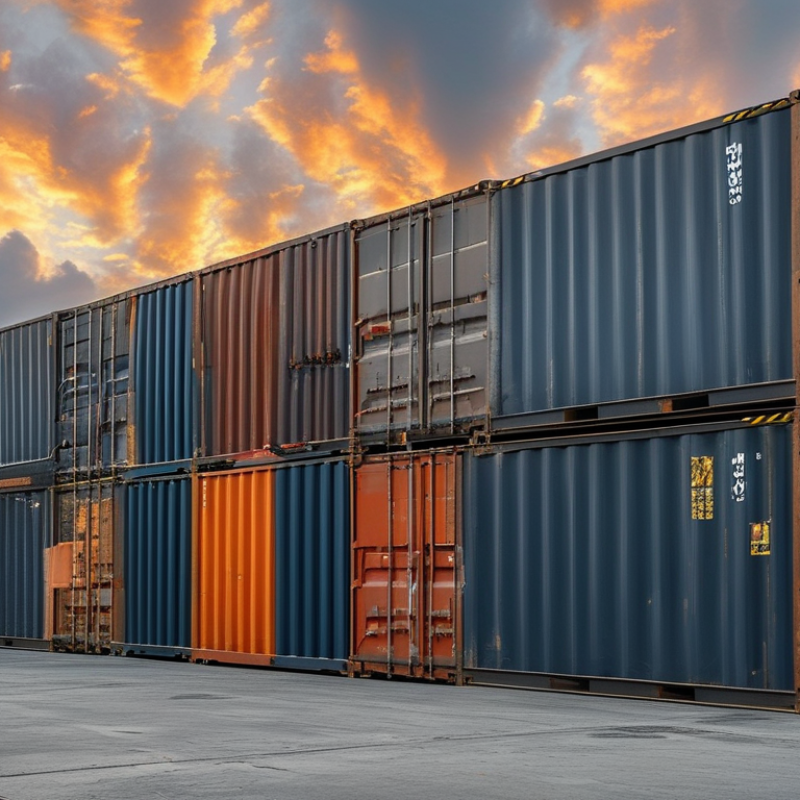
Shipping container storage is gaining popularity for various reasons. It offers a flexible and secure solution for individuals and businesses alike. By converting these sturdy containers into storage units, people can efficiently manage their space and possessions. These containers come in various sizes, making it easy to find one that suits your needs.
Renting or buying a shipping container can be an economical choice. These units can protect your belongings from weather conditions. Their robust design makes them resistant to rust and damage. Additionally, they can be placed in nearly any location, from urban backyards to remote job sites. However, it’s important to assess local regulations regarding container placement, as these rules vary.
Despite the benefits, there can be challenges. For instance, finding the right size can be tricky. Some people underestimate their storage needs, leading to overcrowding. The lack of climate control in standard containers can also be a concern for items sensitive to temperature or humidity. This highlights the importance of careful planning and evaluation of what will be stored.
Benefits of Using Shipping Container Storage
Types of Shipping Containers for Storage Use
Shipping container storage offers a versatile solution for various needs. Different types of shipping containers serve distinct purposes, catering to both individuals and businesses. Standard dry containers are widely used for general storage. Their 20-foot and 40-foot options provide flexibility in space management. According to industry reports, around 80% of shipping containers fall into this category, making them a popular choice.
Refrigerated containers, or "reefers," are essential for temperature-sensitive items. They maintain a cool environment, crucial for perishables. The global demand for refrigerated storage has surged, with a 25% increase noted in recent years. This reflects the growth in online grocery shopping and the need for reliable cold storage solutions. Additionally, shipping containers can be modified. Specialty containers, such as those for hazardous materials, ensure safe storage for specific industries, promoting compliance with safety regulations.
While the benefits of shipping container storage are clear, challenges exist. Improper ventilation can lead to moisture buildup, causing damage to stored items. Users must consider location and accessibility. Understanding these elements is vital for maximizing the utility of shipping containers. The right choice depends on individual requirements and storage contexts.
Benefits of Using Shipping Containers for Storage
Shipping container storage offers various benefits that can enhance your storage solutions. One significant advantage is their durability. Made from sturdy steel, these containers are designed to withstand harsh weather. They keep your belongings safe from moisture and pests. This makes them ideal for both short-term and long-term storage.
Another benefit is their versatility. Shipping containers come in different sizes. You can choose one that fits your needs perfectly. Whether you are storing tools, equipment, or personal items, there is a suitable size available. Moreover, they can be modified for specific requirements. This includes adding shelves or ventilation systems. The customization options are numerous, allowing users to create an efficient storage environment.
Cost-effectiveness is also a key factor. Renting conventional storage units can be expensive over time. In contrast, purchasing a shipping container is a one-time investment. It provides a long-term storage solution without recurring costs. While initial costs may seem high, think about savings in the long run. Sometimes, balancing upfront and ongoing expenses requires reflection.
Factors to Consider When Choosing Container Storage
When choosing container storage, several factors should be considered to ensure the right fit for your needs. The location of the storage facility matters. A locally situated option can save time and transport costs. Evaluate the accessibility as well. Is it easy to reach? Ensure you can access your container when you need it.
Security is another important aspect. Look for facilities with good surveillance systems and adequate lighting. This can prevent theft or vandalism. Additionally, check the condition of the containers. Are they rust-free and well-maintained? Poorly maintained containers may not protect your items properly.
Think about sizing too. Different projects require different amounts of space. Assess what you need to store and choose accordingly. A container that is too small may lead to damaged goods. Weight limits are also important to consider. Overloading a container can result in costly penalties. Always review your options carefully to avoid mistakes that could lead to unnecessary expenses.
Best Practices for Maintaining Shipping Container Storage
When it comes to maintaining shipping container storage, best practices are essential for longevity and security. Regular inspections are crucial. According to the Container Owners Association, about 60% of shipping containers experience structural issues due to neglect. Inspecting for rust, corrosion, and leaks can reveal early signs of deterioration. A simple visual check should suffice to catch these problems before they escalate.
Temperature control is another important factor. Container storage sites should provide adequate ventilation. The International Maritime Organization reports that improper air circulation can lead to condensation, damaging stored items. Using dehumidifiers or placing moisture absorbers inside containers can mitigate this risk. It's vital to also ensure that containers are placed on stable ground. Uneven surfaces can cause misalignment, leading to potential collapse or security risks.
Security measures should not be overlooked. A significant percentage of theft in container storage occurs due to inadequate security systems. Implementing basic protocols like installing high-quality locks and setting up surveillance can deter unauthorized access. Regular staff training on security practices can also enhance safety. Maintaining a clear inventory and conducting periodic audits will ensure that you know exactly what's inside each container, reducing the risk of loss.
What is Shipping Container Storage and How Can It Benefit You? - Best Practices for Maintaining Shipping Container Storage
| Dimension |
Details |
| Container Size |
20 ft & 40 ft |
| Storage Capacity |
Approx. 1,172 cu ft for 20 ft, 2,390 cu ft for 40 ft |
| Common Usage |
Furniture storage, warehousing, construction supplies |
| Benefits |
Cost-effective, versatile, weather-resistant |
| Security Features |
Lockable doors, durable steel construction |
| Maintenance Tips |
Regular inspections, keep dry, ensure ventilation |
| Cost Factors |
Location, container condition, rental duration |