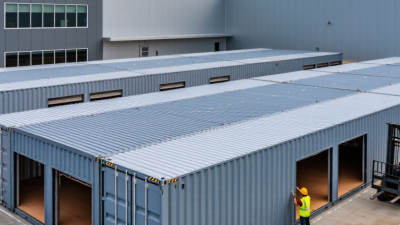
Top 20ft Shipping Container Suppliers Worldwide?
Choosing a reliable 20ft shipping container supplier requires more than comparing online prices. Buyers need consistent steel quality, accurate dimensions, transparent documentation, and dependable delivery schedules. This guide examines leading suppliers worldwide through practical criteria used by importers, logistics teams, and site managers. We consider manufacturing capacity, container grades, customization, inspection procedures, warranty support, and regional availability. A container may look identical in a photograph, yet its flooring, door seals, welds, and corrosion protection can differ significantly.
The companies discussed are assessed from a buyer’s perspective, not from promotional claims alone. We look for verifiable factory information, recognized quality systems, clear quotations, and responsive after-sales service. Port access matters. So does local stock. A supplier near Rotterdam, Dubai, Singapore, or Los Angeles may reduce inland transport and waiting time. However, global reach does not automatically mean better performance. Some smaller manufacturers provide stronger communication and more flexible modifications, while larger exporters may offer steadier volume and standardized production.
This overview supports careful comparison, but it cannot replace independent due diligence. Specifications should match current project needs, including cargo weight, loading equipment, climate exposure, and intended use. Prices also change with steel markets, freight rates, currency movements, and seasonal demand. That part is easy to underestimate. We may not capture every regional supplier or temporary service issue, so readers should request recent inspection reports and written delivery terms. The best choice balances proven quality, realistic lead times, and total landed cost.
What Is a 20ft Shipping Container?
What Is a 20ft Shipping Container?
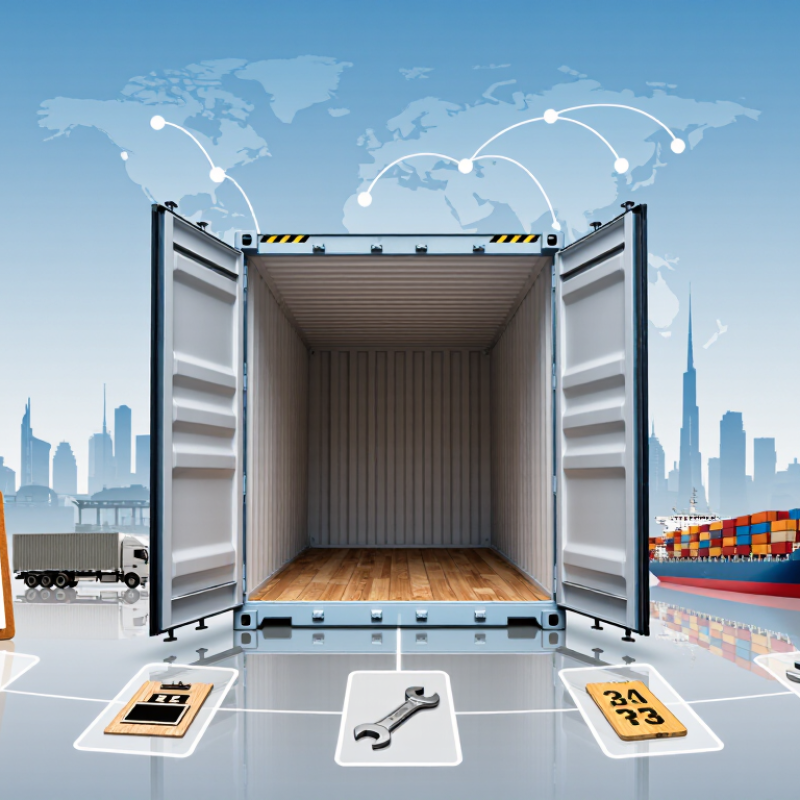
A 20ft shipping container is the basic unit behind global container transport. Its standard external dimensions are about 6.06 meters long, 2.44 meters wide, and 2.59 meters high. Under ISO 668, this format is commonly called one TEU, or twenty-foot equivalent unit. Internal capacity is usually close to 33 cubic meters, although door design and wall thickness reduce usable space.
A practical inspection starts with the corner posts, floor, door seals, and locking bars. The container should also show a readable safety approval plate for international transport. Typical maximum gross weight is around 30,480 kilograms, but payload depends on the container’s tare weight and local road limits. These details matter more than a supplier’s polished product photos. The standard is useful, but not perfectly uniform.
UNCTAD’s Review of Maritime Transport 2023 reported 858.9 million TEUs in global container port throughput during 2022. That scale explains why interchangeable 20ft units remain essential. They move machinery, packaged goods, and raw materials through ships, railways, and trucks. However, a 20ft container is not always the best choice. Dense cargo may reach the weight limit before filling the interior. Light, bulky cargo may need a longer unit instead. A careful buyer checks cargo dimensions, loading method, ventilation needs, and destination regulations before comparing worldwide suppliers. Small mistakes become expensive.
Key Factors for Comparing Global Container Suppliers
Comparing global 20ft shipping container suppliers requires more than checking the lowest quote. A reliable supplier should provide clear specifications, recent inspection records, and recognized safety certification. Ask about steel grade, flooring treatment, door seals, corner castings, and container age. Small defects can become expensive problems after ocean transport.
Delivery performance also matters. Review production capacity, port access, export documentation, and average lead times for your destination. A supplier with several factories may offer flexibility, but communication can become less consistent. Request photos from the actual production batch, not only polished catalog images. Independent inspections are worth considering, especially for large orders or unfamiliar markets. The cheapest offer may not remain cheap after repairs, storage, and delays.
Tips: Compare at least three written quotations. Confirm whether prices include inland delivery, inspection, insurance, and port charges. Check warranty terms carefully, including response times and exclusions. Keep a record of serial numbers and inspection findings. It sounds basic, but buyers sometimes overlook this step. Also, ask how replacement parts are handled across borders. A dependable supplier will answer directly, share measurable evidence, and admit limitations. No supplier is perfect. Your comparison should reveal manageable risks, not promise a flawless transaction.
Top 20ft Shipping Container Suppliers by Region
Top 20ft Shipping Container Suppliers by Region
Regional sourcing matters because availability, freight distance, and inspection standards vary widely. UNCTAD’s Review of Maritime Transport 2024 reported a 2.4% increase in global maritime trade during 2023. This growth continues to influence 20ft container availability, especially near major export ports.
East Asia usually offers the broadest selection of new and used 20ft containers. Buyers can often compare cargo-worthy, wind-and-watertight, and factory-new units from established depot networks.
Europe provides strong refurbishment capacity, but older containers may show floor wear or surface corrosion. In North America, suppliers often hold surplus equipment near inland rail terminals, reducing ocean delivery time for domestic projects.
The Middle East and Africa depend more heavily on repositioned equipment. Regional quotes should include inland haulage, customs handling, and possible repair work. Latin American buyers should examine port access carefully, since a low purchase price can disappear through long-distance trucking.
Container xChange’s market reports regularly track regional availability and leasing conditions, while the World Bank Logistics Performance Index 2023 highlights major differences in infrastructure and border efficiency. These reports support comparison, but they cannot replace a physical inspection.
Check the CSC safety plate, door seals, corner castings, roof condition, and floor repairs. A clean photograph is not proof. Supplier data can also be incomplete, so buyers should request inspection dates, depot addresses, and written delivery terms.
Container Types, Specifications, and Customization Options
Top 20ft Shipping Container Suppliers Worldwide?
Reliable 20ft container suppliers usually offer several practical types. The standard dry container measures about 6.06 meters long, 2.44 meters wide, and 2.59 meters high externally. Internal dimensions vary slightly by manufacturer and wall thickness. Always request a current specification sheet.
A dry container suits general cargo and warehouse storage. A refrigerated model controls temperature for approved perishable goods. Open-top containers help load tall equipment with a crane. Side-opening designs improve access when pallets cannot be reached from the rear. High-cube versions provide extra internal height, although availability differs by supplier and port.
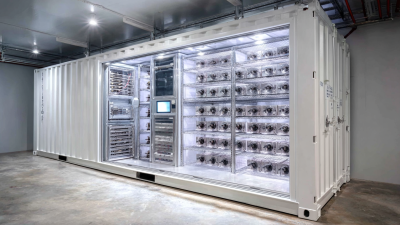
Customization can include ventilation vents, plywood or steel flooring, extra doors, insulated panels, lock boxes, shelving, and marine-grade paint. Electrical upgrades require careful planning. Ask for voltage, socket type, cooling range, and power consumption before ordering. Custom colors may look attractive, but coating quality matters more than appearance.
From practical inspections, the strongest suppliers provide clear photographs, weld details, CSC documentation, and independent inspection options. Check door seals, corner castings, floor condition, and the container’s repair history. A low price can hide transport or refurbishment costs. I once underestimated inland delivery distance, and the final budget changed sharply. That mistake remains a useful reminder. Supplier reliability depends on documentation, honest grading, stable lead times, and responsive after-sales support.
How to Choose the Right 20ft Container Supplier
Choosing a reliable 20ft shipping container supplier requires more than comparing prices. UNCTAD’s Review of Maritime Transport 2024 reports that global seaborne trade reached about 12.3 billion tonnes in 2023. That volume increases pressure on equipment quality, delivery schedules, and documentation. Ask suppliers for manufacturing records, inspection photos, and the container’s build year. Confirm that dimensions and fittings follow ISO 668. A container may look clean outside but hide floor damage, water stains, or weakened corner castings.
Inspect the supplier’s process, not only its website. Request a written specification covering steel condition, door seals, flooring, paint system, and allowable repairs. The International Convention for Safe Containers requires valid safety certification for containers used in international transport. Verify the CSC plate and its inspection status before payment. Price matters. It should not lead the decision. Freight, inland delivery, lifting, taxes, and repair charges can change the final cost sharply. Ask for a landed-cost estimate.
A useful supplier should provide traceable answers within a reasonable time. Vague replies deserve caution. In my experience, recent photos are more valuable than polished brochures, although photos can still miss hidden corrosion. Consider an independent pre-shipment inspection near the factory. It adds cost, but it can prevent a costly rejection at the depot. Supplier ratings and trade references help, yet they are not proof. Even experienced buyers sometimes overtrust a low quotation. Reliability must be tested before the container leaves.
Top 20ft Shipping Container Suppliers Worldwide? How to Choose the Right 20ft Container Supplier
Standard 20ft dry containers are built around ISO freight-container dimensions. Use these benchmarks to compare supplier specifications, drawings, and inspection reports before purchase.
The figures represent typical ISO 20ft dry-container dimensions in millimetres. Actual internal dimensions and tare weight may vary by manufacturer, steel thickness, flooring, doors, and container configuration.