How to Choose the Right Refrigerated Container for Your Needs?
Choosing the right refrigerated container is crucial for various businesses. These containers maintain temperature-sensitive goods during transport or storage. With various options available, the selection process can be daunting.
Understanding specific needs is vital. Factors such as size, temperature range, and energy efficiency play a role. A refrigerated container must meet your product's requirements. Consider whether you need a portable option or a static unit. Each choice has its advantages and disadvantages.
Consulting with industry experts can help clarify options. Gathering insights from those with experience ensures informed decisions. Be ready to ask questions and seek advice. A well-chosen refrigerated container can enhance operational efficiency and product quality. It’s essential to make a thoughtful choice for long-term success.
Understanding the Basics of Refrigerated Containers
Refrigerated containers are essential for transporting temperature-sensitive goods. They provide a controlled environment to maintain freshness and quality. Understanding the basics is crucial when choosing one. Various models exist, from small portable units to large shipping containers. Each type caters to different scales and specific industries.
Temperature settings play a vital role. Some containers can maintain temperatures as low as -20°C, while others can manage +20°C. It’s important to assess what you will store. Perishables like fruits and vegetables require one temperature, while pharmaceuticals may need another. The insulation type also affects energy efficiency. A well-insulated container can reduce costs over time, but finding the right balance is not always easy.
Choosing the right container might seem straightforward, but there are challenges. Understanding your specific needs is crucial. However, the technical specifications can be overwhelming. Misjudging the required space or temperature settings could lead to spoilage. Additionally, factors like humidity control and air circulation are often overlooked. Taking the time to evaluate features thoroughly is essential for making an informed decision.
Refrigerated Container Types and Their Capacity
Identifying Your Specific Storage Needs and Requirements
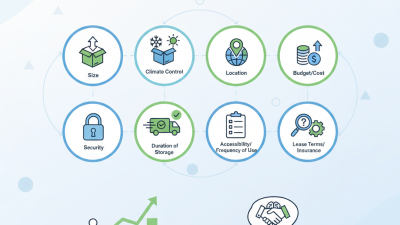
When considering a refrigerated container, it's crucial to identify your specific storage needs. Different items require varying temperature levels. For example, fresh produce often needs 32 to 35°F, while frozen goods need to stay at 0°F or lower. Assessing the type of items you'll store can significantly impact your decision.
Another factor is storage capacity. Do you need a small container for local deliveries, or a larger one for bulk storage? If your business fluctuates in demand, consider units that are capable of adjusting their size. Make sure to measure your available space as well.
Additional features should also be evaluated. Some refrigerated containers have advanced climate control options. Others may lack this, leading to potential temperature inconsistencies. Reflect on how often you need to access your goods. Containers with easy access will save time and reduce the risk of temperature fluctuation during loading. Each of these considerations will help refine your choice while meeting your specific needs efficiently.
Evaluating Different Types of Refrigerated Containers Available
When exploring different types of refrigerated containers, begin by understanding your specific needs. There are various options, like standard shipping containers, refrigerated trucks, and insulated boxes. Each type has unique features that cater to different temperatures and storage requirements. For instance, a standard refrigerated container offers a consistent environment for bulk items. Alternatively, a portable refrigeration unit can suit smaller loads and tighter spaces.
It's important to assess the temperature range each container provides. Some products might need precise cooling, while others tolerate slight variations. This factor could impact your choice. Additionally, consider insulation quality. Enhanced insulation maintains stable temperatures and reduces energy costs. However, it may come with a higher upfront investment.
Budget constraints also play a part. While high-quality containers provide reliability, lower-cost alternatives may lead to unforeseen issues. Reflect on the long-term benefits versus immediate savings. Investing in a well-reviewed refrigerated container might save you from potential losses in the future. Evaluate your priorities carefully.
Considering Temperature Control Features and Energy Efficiency
Choosing the right refrigerated container involves evaluating its temperature control features. These features are crucial in determining how well it maintains the desired climate. For example, check if the container provides multiple temperature zones. Some goods may require different temperatures, and having this flexibility helps. A reliable temperature monitoring system is essential as well. It can alert you to any fluctuations, reducing risks to your products.
Energy efficiency should not be overlooked. An energy-efficient refrigerated container can save significant costs in the long run. Look for units with high insulation properties. This minimizes energy loss and reduces the workload on the cooling system. Additionally, pay attention to the compressor's efficiency rating. While it may be tempting to opt for cheaper models, the long-term savings can outweigh initial costs. Reflect on the total cost of ownership rather than just the purchase price.
Finally, consider the environmental impact. By prioritizing energy efficiency, you are not only saving money but also contributing to sustainability. It's a balance between operational needs and environmental responsibility. Taking the time to research and choose wisely leads to better outcomes. Be ready to adapt your choice based on usage patterns and seasonal demands.
Assessing Costs and Rental vs. Purchase Options
When considering refrigerated containers, understanding costs is crucial. According to a recent report by the International Institute of Refrigeration, the average cost of renting a refrigerated container ranges from $250 to $500 per month, depending on size and specifications. This cost can accumulate quickly, especially for short-term projects. Many businesses overlook the benefits of purchasing a unit, which could range from $3,000 to $30,000. Ownership eliminates rental fees and provides long-term savings, particularly for businesses with ongoing refrigeration needs.
Evaluating the purchase versus rental option warrants careful analysis of projected usage. A study from the Container Owners Association indicates that around 70% of companies utilize refrigerated containers for seasonal demands. If your needs fluctuate, renting could be more cost-effective. However, for frequent use, buying is often the smarter choice. Moreover, the depreciation of refrigerated containers may offer tax benefits over time. Reflecting on your specific requirements is key; this decision is not one-size-fits-all. Each business must weigh initial costs against long-term viability.