10 Tips for Buying a 20ft Storage Container
Buying a 20ft storage container looks simple until measurements, condition, delivery, and site access become real costs. A clean exterior may hide floor damage, weak door seals, or previous chemical odors. That is why careful buyers inspect more than photographs.
UNCTAD’s Review of Maritime Transport 2023 reported a global container fleet exceeding 25 million TEUs. This scale supports broad availability, but it also creates uneven quality across suppliers and regions. ISO 668 specifies the standard 20-foot container’s external length at approximately 6.06 meters and width at 2.44 meters. Your driveway, gate, crane clearance, and foundation must accommodate those dimensions. Measure twice.
Christian Roeloffs, co-founder and CEO of Container xChange, offers a useful buying principle: “Price is only one part of the total cost.” Delivery distance, unloading equipment, preparation, repairs, and local taxes can change the final figure sharply. A used unit may cost less initially, yet require new plywood, repainting, or replacement door gaskets. A newer unit may justify its price through better weather resistance and fewer repairs.
This guide presents ten practical tips for comparing a 20ft storage container. It considers inspection, certification, ventilation, security, placement, and supplier credibility. Industry reports provide context, but they cannot inspect your site. That responsibility remains yours.
Small details matter.
Even experienced buyers sometimes overlook drainage or afternoon sunlight. That is worth reflecting on. The cheapest container is not always the most economical choice. A reliable purchase begins with clear measurements, documented condition, and realistic delivery planning.
Define Your Storage Needs and Container Requirements
Before choosing a 20ft storage container, list everything you plan to store. Measure the largest items, not just the total volume. Furniture needs clearance for doors and safe movement. Leave a narrow aisle near frequently used boxes.
A standard 20ft container provides approximately 33 cubic meters of internal space, but usable capacity is lower. Wall ribs, door frames, and stacked pallets reduce flexibility. Group items by weight and access frequency. Heavy equipment belongs on the floor, while lighter cartons can occupy higher positions. Label each box clearly.
Think beyond size. Will you need weekly access, or will the container remain closed for months? A dry, clean unit may still develop condensation during temperature changes. Ventilation openings can help, but they cannot replace proper moisture control. Inspect the roof, door seals, floor, locking bars, and visible rust before accepting delivery.
Site conditions matter too. Confirm the ground is level and firm. Measure gate width, turning space, overhead cables, and the delivery vehicle’s route. I have seen storage plans fail because the container fit the inventory but not the driveway. That mistake is expensive. It is also avoidable.
Ask for the container’s external and internal measurements in writing. Check its condition, rental terms, delivery limits, and insurance responsibilities. Requirements vary by location, so verify permits and placement rules with the relevant local authority.
Compare New, Used, and Refurbished 20ft Container Options
Buying a 20ft storage container requires more than comparing prices. New units usually offer clean floors, tight door seals, and predictable service life. Check the manufacturing date, corner posts, roof panels, and locking bars. Measure the doorway before delivery. A perfect container still fails if access is poor.
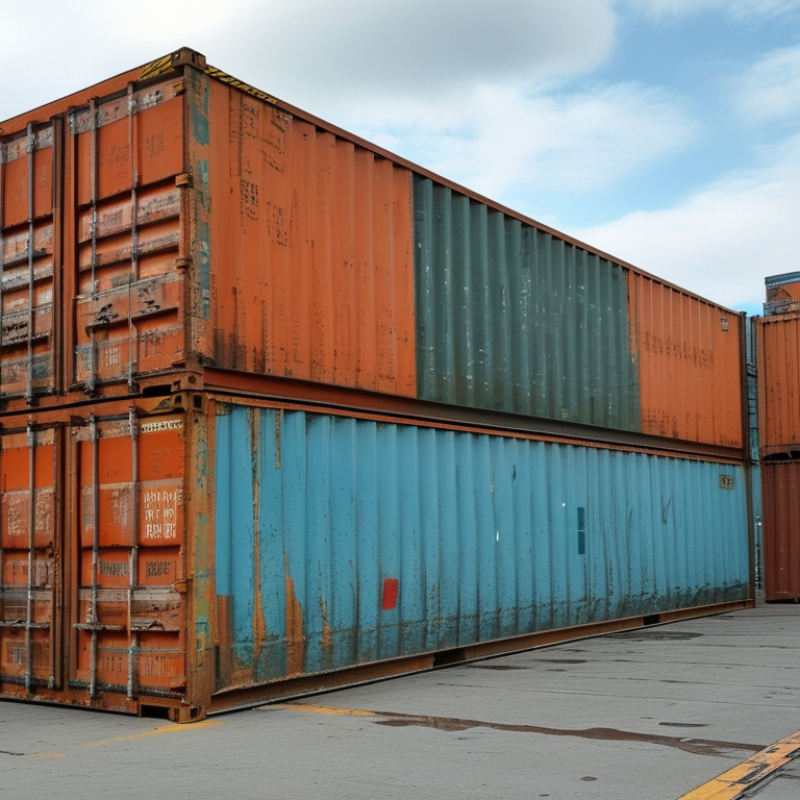
Used containers cost less, but condition can vary sharply. Inspect the floor for soft patches, chemical odors, and water stains. Open both doors and check whether they close evenly. Look beneath the unit for rust around welds. Ask for recent photographs, repair records, and delivery terms. A low price may hide transport costs or extensive repairs. Refurbished units sit between these choices. However, “refurbished” is not a universal quality grade. Confirm which panels were replaced and whether repairs were professionally sealed. Ask if the floor was repaired or merely painted. Small details matter.
Consider ventilation if stored goods react to heat or moisture. Add vents only after checking the container’s structure. Use a level foundation, such as concrete blocks or a prepared gravel pad. Keep rainwater away from the doors. I have seen buyers focus on paint and overlook warped thresholds. That mistake is easy to repeat. Compare total ownership cost, not just the purchase invoice. Get the container’s dimensions, condition, and delivery plan in writing. A careful inspection remains useful, even when the seller appears reliable.
Inspect Construction Quality, Condition, and Weather Resistance
A 20ft storage container should feel strong before it looks attractive. During an inspection, check the steel panels for dents, deep rust, and uneven repairs. Small scratches are usually manageable. Soft metal is not. Walk around the entire unit in daylight. Pay close attention to lower corners, roof seams, and door frames, where water often enters first.
Tip: Test every door seal by closing the doors slowly. They should meet evenly without force. Inspect the locking bars, hinges, and rubber gaskets for excessive wear. A stiff handle may indicate misalignment rather than security. I once overlooked a slightly raised door corner, and rain later reached the interior. That mistake was avoidable.
Tip: Check the floor carefully. It should feel firm, dry, and free from sagging areas. Look underneath if possible, especially near support beams. Inspect ventilation openings for damage or blockage. Ask about the container’s age, previous use, repairs, and repainting history. Photos can help, but they cannot replace an in-person inspection. Bring a flashlight and moisture meter if available. Test the roof after rainfall, or look for water stains inside. Weather resistance is not only about paint; it depends on sound construction, sealed joints, drainage, and proper placement. Leave clearance around the container so air can circulate and water can drain away.
Verify Seller Reliability, Delivery Access, and Total Costs
10 Tips for Buying a 20ft Storage Container
Verify Seller Reliability, Delivery Access, and Total Costs
Before paying a deposit, verify the seller’s identity, physical address, and business registration details. Ask for recent photos, clear specifications, and a written quotation. An honest seller should explain dents, rust, repairs, floor condition, and door operation without pressure. Check independent customer feedback, but read the details carefully. Short reviews can hide important problems.
Request the container’s exact external dimensions and delivery requirements. Measure your entrance, driveway width, turning space, and overhead clearance. A delivery truck may need more room than expected. Check for soft ground, steep slopes, narrow gates, and nearby cables. Ask whether unloading equipment is included or charged separately. A quick site sketch can prevent an expensive failed delivery.
Calculate the full cost, not just the advertised price. Include transport, unloading, taxes, site preparation, locking equipment, and any required local permissions. Confirm the delivery date, cancellation terms, damage policy, and payment schedule in writing. I nearly overlooked ground preparation once while comparing prices; the cheaper quote was not cheaper after adding gravel and labor. That mistake is worth remembering. If the seller avoids direct questions or changes fees late, pause the purchase and compare another written offer.
Review Security Features, Regulations, and Final Purchase Terms
When buying a 20ft storage container, security should be checked before appearance. A welded lockbox protects the padlock from bolt cutters and heavy rain. Inspect the door rods, hinges, corner castings, and floor closely. Rust around hinges can signal deeper weakness. A dry interior matters too.
UNCTAD’s Review of Maritime Transport 2024 reported an 8.5% increase in global container ship capacity between July 2023 and July 2024. That growth expands the used-container supply, but age and maintenance still vary widely. Ask for the manufacturing year, inspection records, and clear photographs of the roof and underside. ISO 668 sets standard container dimensions, yet local planning rules may control placement, access, drainage, and fire separation. Confirm these requirements with the local authority before delivery. Rules differ.
Security is never absolute. Consider a hardened hasp, internal lighting, and a ground anchor where permitted. Do not accept vague promises. The final purchase terms should state the exact dimensions, condition grade, delivery method, unloading responsibility, taxes, warranty, and refund conditions. Check whether the quoted price includes transport and crane charges. Get every verbal agreement in writing. I would also request a delivery inspection clause, because a container can look sound online but arrive with bent doors or hidden corrosion. Small print matters.
Related Posts
-
Top Reasons to Choose a 20ft Storage Container for Your Storage Needs?
-
Maximize Your Space with 20ft Storage Containers for Efficient Organization and Cost Savings
-

How to Choose the Best 20ft Container for Your Business Needs?
-

Top Uses for a 20ft Shipping Container in Various Industries?
-

2026 Best 20 Foot Storage Container Options for You?
-

What is the Cost of a 20ft Container for Global Shipping?
Get a quote
Get a quote
Read More
Accept AllReject AllCustomise
Privacy Overview
| Cookie | Duration | Description |
|---|---|---|
| cookielawinfo-checkbox-advertisement | 1 year | Set by the GDPR Cookie Consent plugin, this cookie records the user consent for the cookies in the "Advertisement" category. |
| cookielawinfo-checkbox-analytics | 11 months | This cookie is set by GDPR Cookie Consent plugin. The cookie is used to store the user consent for the cookies in the category "Analytics". |
| cookielawinfo-checkbox-functional | 11 months | The cookie is set by GDPR cookie consent to record the user consent for the cookies in the category "Functional". |
| cookielawinfo-checkbox-necessary | 11 months | This cookie is set by GDPR Cookie Consent plugin. The cookies is used to store the user consent for the cookies in the category "Necessary". |
| cookielawinfo-checkbox-others | 11 months | This cookie is set by GDPR Cookie Consent plugin. The cookie is used to store the user consent for the cookies in the category "Other. |
| cookielawinfo-checkbox-performance | 11 months | This cookie is set by GDPR Cookie Consent plugin. The cookie is used to store the user consent for the cookies in the category "Performance". |
| CookieLawInfoConsent | 1 year | CookieYes sets this cookie to record the default button state of the corresponding category and the status of CCPA. It works only in coordination with the primary cookie. |
| viewed_cookie_policy | 11 months | The cookie is set by the GDPR Cookie Consent plugin and is used to store whether or not user has consented to the use of cookies. It does not store any personal data. |
| Cookie | Duration | Description |
|---|---|---|
| _cs_c | 1 year 1 month | The cookie is used by Content Square to save the user consent to be tracked. |
| Cookie | Duration | Description |
|---|---|---|
| _cs_id | 1 year 17 days 20 hours 13 minutes | This cookie is used to store the ContentSquare's user identifier ID. This is a persistent cookie and expires after 13 months. |
| _cs_s | 1 hour | This cookie is used to store the number of page's viewed by a visitor within the session for ContentSquare's solution. |
| _ga | 1 year 1 month 4 days | Google Analytics sets this cookie to calculate visitor, session and campaign data and track site usage for the site's analytics report. The cookie stores information anonymously and assigns a randomly generated number to recognise unique visitors. |
| _ga_* | 1 year 1 month 4 days | Google Analytics sets this cookie to store and count page views. |
| _gcl_au | 3 months | Google Tag Manager sets the cookie to experiment advertisement efficiency of websites using their services. |
| Cookie | Duration | Description |
|---|---|---|
| test_cookie | 15 minutes | doubleclick.net sets this cookie to determine if the user's browser supports cookies. |
| Cookie | Duration | Description |
|---|---|---|
| _cs_root-domain | session | Description is currently not available. |
| _cs_same_site | session | Description is currently not available. |