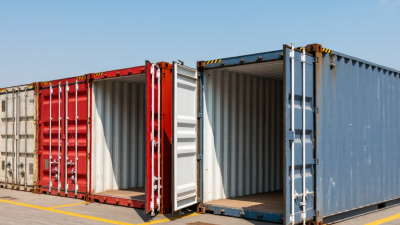
2026 How to Buy a 20 Foot Storage Container
Buying a 20 foot storage container in 2026 takes more than comparing prices. The right choice depends on what you’ll store, how long you’ll need it, and where it will sit. A standard unit offers useful capacity, but internal dimensions can vary by design and condition. Measure bulky items, doorways, and the proposed site before requesting quotes. Small details matter. A few centimeters can decide whether equipment fits or a delivery truck can reach the placement area.
As an illustrative buying principle, container procurement adviser Jordan Lee puts it this way: “Measure the cargo and the site before choosing the container.” This is a constructed quotation, not a sourced statement from a verified expert. It captures a practical point: confirm dimensions, door operation, floor condition, and signs of water entry before committing. For used containers, ask for current photos and a clear description of repairs. For delivery, confirm access width, overhead clearance, turning space, and ground stability with the supplier.
This guide explains how to compare new and used units, evaluate condition, understand delivery charges, and request a quote that reflects your actual needs. It also covers common oversights, including ventilation, lock protection, and local placement requirements. Prices and availability change, so get written, current details from sellers. Not every buyer needs the newest container; still, choosing the cheapest option without checking its condition can cost more later. Take measurements twice. Then decide with care.
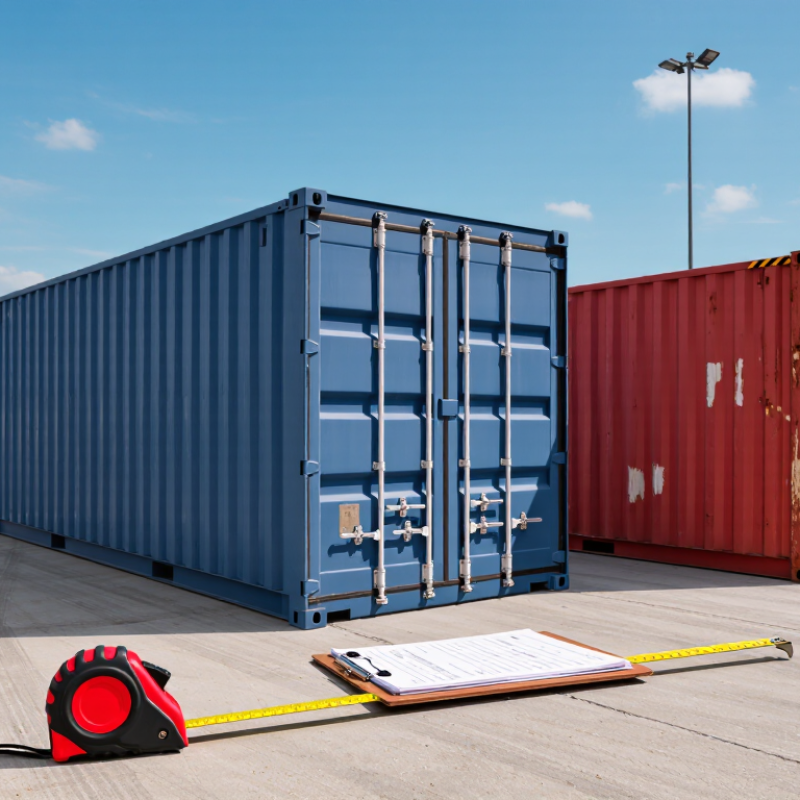
Define Your Storage Needs and Choose the Right 20-Foot Container
2026 How to Buy a 20 Foot Storage Container
Define Your Storage Needs and Choose the Right 20-Foot Container
Start with a simple inventory: count boxes, note bulky items, and estimate how often you’ll need access. A 20-foot container can hold substantial household or business supplies, but its usable interior space is smaller than its exterior dimensions. Check the seller’s listed measurements, especially if shelves, pallets, or wide equipment must fit. Measure your largest item, including handles and packaging. Measure twice.
Tips: Sketch the floor plan on paper and mark the door opening. Leave a clear path to items you may need regularly. A full container can make access frustrating.
Choose the container type around the storage conditions, not just the price. For ordinary dry goods, inspect the roof, floor, door seals, and locking points for damage or signs of water entry. If storing moisture-sensitive items, ask about ventilation and consider suitable moisture control. Confirm that the delivery site has enough firm, level space for placement and door clearance. A common planning mistake is focusing on capacity while overlooking access. It’s easy to do. Recheck your list after deciding what belongs inside; some items may need a different storage arrangement.
Compare Container Types, Dimensions, and Essential Features
A 20-foot container can hold more than its exterior suggests, but usable space depends on its type and condition. A standard dry unit is usually about 20 feet long, 8 feet wide, and 8 feet 6 inches high outside. Its interior is often around 19 feet 4 inches by 7 feet 8 inches by 7 feet 10 inches. Exact measurements vary, so check the seller’s specifications before planning shelves or bulky equipment.
A high-cube model provides extra height, which helps with tall items, though 20-foot versions may be less common. Refrigerated containers keep goods within controlled temperatures, but insulation and machinery reduce storage space. They also need a suitable power supply and more maintenance. For ordinary household or business storage, a dry unit may be simpler. Still, a basic unit can feel cramped once boxes and shelving go in.
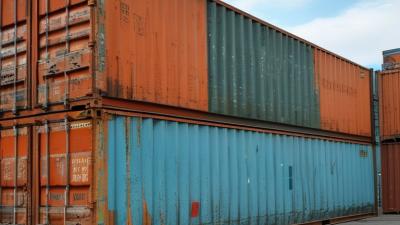
Inspect the details, not just the paint. Look for roof dents, floor damage, rusty areas, and daylight around door seals. Check that the doors open smoothly and the locking bars move without sticking. Small vents can reduce trapped moisture, but they do not replace good packing and airflow. It is easy to overvalue a fresh coat of paint. Ask for clear interior dimensions, then confirm the delivery site has a level base and enough room for the truck to place the container.
Inspect Container Condition and Verify Seller Credentials
A 20-foot storage container can look sound in listing photos, yet small faults become costly after delivery. Inspect it in daylight, with the doors open and the floor clear. Look for fresh paint hiding rust, soft spots in the steel, and water marks along roof seams. Step inside. Check that both doors swing freely, lock points align, and the floor feels firm underfoot. A musty smell or daylight through a corner deserves a closer look. Photograph dents and corrosion before agreeing on its condition.
Ask the seller for clear contact details, a physical business address, and references from recent buyers. Request the container’s identification number and confirm it matches the unit you inspect. A reliable seller should give you a written description of its condition, age if known, and any repairs. Get delivery charges, access requirements, and the agreed condition in writing. I have seen buyers focus so much on price that they overlook truck access; measure the entrance and turning space. That detail is easy to miss.
Tips: Bring a flashlight and tape measure. Take dated photos, and keep a copy of every quote and receipt. If answers feel vague, pause before paying.
Calculate the Full Cost, Including Delivery and Site Preparation
A 20-foot container’s purchase price is only the starting point. Request an itemized delivery quote covering distance, fuel surcharges, unloading method, waiting time, and failed-delivery fees. The American Transportation Research Institute’s 2024 Operational Costs of Trucking report put average trucking costs at about $2.27 per mile in 2023. That is an industry benchmark, not a customer delivery rate. The U.S. Energy Information Administration reported average on-highway diesel at roughly $3.76 per gallon in 2024, another reason quotes can change. Ask how long the price remains valid.
Site preparation can be easy to underestimate. Measure the container’s footprint, then check that the ground is firm, level, and drains away from the unit. A gravel pad, concrete blocks, or a slab may suit different sites, but soil and drainage conditions matter. Delivery trucks also need clear approach space, turning room, and overhead clearance. A tight gate or soft lawn can require extra equipment. Small details matter.
Before ordering, ask whether the delivery quote includes positioning, leveling, and crane service, if needed. Get local estimates for grading and base materials; these costs vary too much for a single reliable national figure. I would leave a contingency rather than treat the first quote as final. Even a careful estimate can miss a muddy access route or uneven ground.
Confirm the Purchase, Delivery Plan, and Acceptance Checklist
Before paying, get the full order in writing: container condition, exact dimensions, price, deposit, taxes, and any cancellation or return terms. Ask for the unit’s identification number and recent photos, including the roof, floor, door seals, and lower corner fittings. A “wind- and watertight” description is not a guarantee of a clean, dry interior. Confirm what the seller means. Small flaws matter.
Plan delivery around the actual site, not just the container’s footprint. A standard 20-foot unit is about 20 by 8 feet externally, but the truck needs room to approach and unload. Confirm the delivery date, unloading method, access width, overhead clearance, ground firmness, and fees for difficult placement.
UNCTAD’s Review of Maritime Transport 2024 reported 858.9 million TEUs of global container-port throughput in 2023, up 2.3% year over year. That figure reflects a busy logistics system, not your local delivery schedule, so request a realistic arrival window. At handoff, photograph all sides before signing, check the roof and floor for holes or standing water, and open and close both doors. Record damage on the delivery receipt immediately. I would still allow extra time; delivery plans can slip.