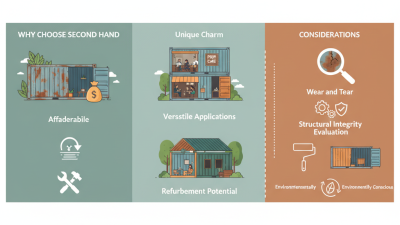
Where to Buy China Best Second Hand Shipping Containers?
Where to Buy China Best Second Hand Shipping Containers? The answer depends on use, condition, budget, and delivery distance. A container may look sound outside, yet hide floor damage, door misalignment, or corrosion beneath fresh paint. Careful buying matters.
Dr. Jean-Paul Rodrigue, a widely cited transport-geography scholar, describes the container as “the basic unit of intermodal transport.” That observation explains why specifications matter. Buyers should compare cargo-worthy second hand shipping containers from established Chinese dealers, exporters, and verified manufacturers. Ask for clear photographs, production dates, dimensions, repair records, and inspection documents. Check the CSC plate when international transport is planned. Confirm that the doors close evenly, the rubber seals remain flexible, and the steel roof shows no daylight. Small details reveal larger problems.
See it in person, if possible. Open the doors. Smell the interior. A strong chemical odor deserves questions. Inspect the plywood floor, corner castings, locking bars, and welds. Ask whether the unit was used for general cargo, refrigerated goods, or specialized materials. The history may be incomplete. That is an uncomfortable reality. Still, honest sellers should explain known defects instead of hiding them under paint. Buyers must also confirm import rules, delivery access, crane requirements, and permitted uses in their location. The lowest quote is not always the best value. A reliable purchase includes transparent grading, secure payment terms, documented inspection, and practical after-sales support. In China, supplier verification takes time, but it can prevent expensive surprises.
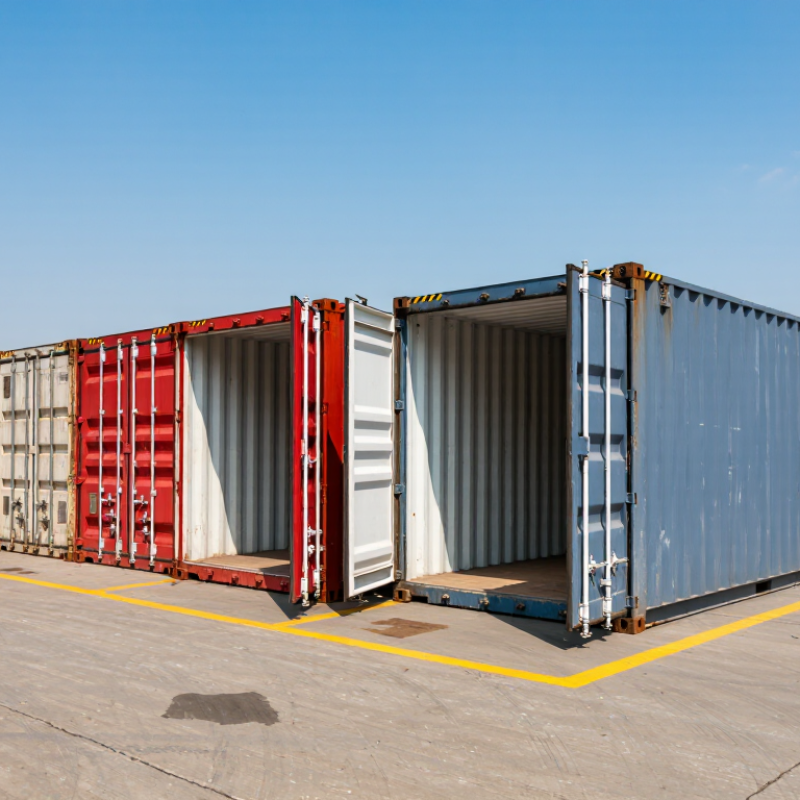
What to Know Before Buying Second-Hand Shipping Containers in China
Where to Buy China Best Second Hand Shipping Containers?
Buying second-hand shipping containers in China requires more than comparing online prices. The cheapest unit may need expensive repairs later. Work with an established supplier that provides clear factory details, inspection records, and recent photos. A video call can reveal useful information, but it cannot replace a physical inspection.
Check the container’s corner posts, roof, door seals, locking bars, and floor carefully. Look for deep rust, twisted frames, water stains, and strong chemical odors. The floor should feel firm, with no soft patches or major cracks.
Ask whether the unit is suitable for cargo transport, storage, or site conversion. These uses require different conditions. A fresh coat of paint is not proof of quality.
Request the container number, dimensions, manufacture year, repair history, and available certification documents. Confirm that the container meets the destination country’s import and transport requirements. An independent inspector can test door operation, roof leakage, structural alignment, and internal measurements. This cost is usually small compared with replacing a damaged unit. Do not trust perfect photographs alone. Images can hide weak floors and repaired corners. I would also confirm loading, inland delivery, port handling, and insurance responsibilities in writing. Many disputes begin with unclear shipping terms. Leave room for doubt. A careful buyer still may miss hidden corrosion.
How to Identify Reliable Chinese Container Suppliers
Finding China’s best second hand shipping containers starts with the supplier, not the lowest quotation. A reliable supplier should provide a registered business address, traceable company details, and clear contact information. Ask how long they have handled used containers. Request recent sales records, not polished promises. Real experience appears in practical answers about corrosion, floor repairs, door seals, and previous cargo use. Vague replies are a warning sign. So is unusual pressure.
Request dated photos and a live video inspection. Look closely at corner posts, roof seams, locking bars, plywood floors, and underside areas. Rust stains near welds may indicate deeper damage. A dependable supplier should explain every repair and disclose the container’s condition honestly. Ask for dimensions, tare weight, manufacture year, grading method, and inspection reports. Independent inspection before payment adds protection, especially when the container is far away. Bright paint can hide patched panels. Appearance alone proves little.
Check whether the documents match the physical unit and shipping requirements. Confirm ownership, serial numbers, export paperwork, and applicable safety certification. Use a written contract covering grade, quantity, photos, delivery terms, payment stages, and remedies for misrepresentation. Avoid full payment before verification. Use traceable payment channels and save every message. Reliable suppliers accept reasonable questions, allow third-party checks, and communicate delays early. Some small defects are normal in used equipment. Hidden defects are not. Even careful buyers can overlook minor issues, so the inspection process should remain open to review.
Where to Buy China’s Best Second-Hand Shipping Containers?
How to Identify Reliable Chinese Container Suppliers
This buyer-defined scorecard gives the highest priority to evidence that can be independently verified: supplier identity, structural condition, CSC safety information, container specifications, export documents, and secure payment terms. Ask for supporting documents, timestamped photos, inspection records, and a physical or third-party inspection before payment. The weighting is a practical screening framework, not a market ranking or company comparison.
Compliance reference: International Convention for Safe Containers (CSC) and ISO 6346 container identification principles.
Where to Find Quality Used Shipping Containers in China
Quality used shipping containers in China are usually found through established container depots, port-area yards, and experienced trading companies. These sellers often provide several grades, including cargo-worthy, wind-and-watertight, and storage-use units. Ask for the container number, manufacturing year, repair history, and current yard location. Clear records matter more than attractive photographs.
Inspect the container before payment. Check the corner posts, roof, floor, door seals, locking bars, and lower side rails. Look for deep rust, welding marks, twisted doors, and water stains inside. A fresh paint job can hide problems. That is an easy mistake. Request recent inspection photos, but treat them as supporting evidence, not proof. For international transport, confirm that the unit has suitable certification and documents for the intended route.
Tips: Compare at least three quotations. Ask whether delivery, lifting, repairs, and export preparation are included. Measure the internal space yourself when possible. A used container may look strong outside but have damaged flooring or poor door alignment. Do not choose only by age or price. Discuss the final use clearly, because a unit for storage may not meet cargo transport requirements. Leave room for inspection delays; plans often look cleaner than reality.
How to Compare Container Condition, Prices, and Specifications
Where to Buy China Best Second Hand Shipping Containers?
China’s best second-hand containers are usually found through port-area depots, certified traders, and established leasing yards. Purchase records matter more than polished photographs. UNCTAD’s Review of Maritime Transport 2023 reports that ships carry over 80% of global merchandise trade by volume. This explains why heavily used units can show salt marks, forklift dents, and patched floors.
Compare condition before comparing price. Ask for the container’s build year, previous cargo category, inspection date, and repair history. Check the CSC safety plate, door seals, corner castings, roof ribs, and plywood floor. ISO 668 dimensions should match your transport and storage plan. A “wind and watertight” unit may still have worn doors or uneven flooring. Small differences matter.
Prices should be compared as delivered costs, not depot quotations. Include inland trucking, lifting, inspection, repainting, tax, and possible port charges. A low quote can become expensive quickly. Container xChange market reports show that used-container prices vary significantly by location, equipment type, and supply balance. However, public price data is not perfectly uniform. I would request three written offers with identical specifications, then compare cost per usable year. Take interior photos at daylight. Inspect the roof after rain, if possible. No checklist is perfect. A second inspection is often cheaper than a rushed decision.
Where to Buy China Best Second Hand Shipping Containers? - How to Compare Container Condition, Prices, and Specifications
| Container Type | Condition Category | Typical Exterior Dimensions | Approx. Internal Dimensions | Typical Tare Weight | Maximum Gross Weight | Typical Used Price in China (USD) | Expected Remaining Service Life | Key Inspection Criteria | Best Use |
|---|---|---|---|---|---|---|---|---|---|
| 20-foot Standard Dry | Cargo-Worthy | 6.06 m L × 2.44 m W × 2.59 m H | 5.90 m L × 2.35 m W × 2.39 m H | Approximately 2,200–2,400 kg | Up to 30,480 kg | $1,500–$2,800 | About 8–15 years, depending on use and maintenance | Valid CSC plate, sound corner posts, operable doors, intact floor, no light penetration through roof or walls, limited corrosion | International or domestic cargo transport, storage, workshops |
| 40-foot Standard Dry | Cargo-Worthy | 12.19 m L × 2.44 m W × 2.59 m H | 12.03 m L × 2.35 m W × 2.39 m H | Approximately 3,700–4,000 kg | Up to 30,480 kg | $2,000–$3,800 | About 8–15 years, depending on use and maintenance | Check frame straightness, roof condition, door locking bars, floor strength, corner fittings, and corrosion around the lower rails | Large-volume cargo, warehouse storage, construction materials |
| 40-foot High Cube Dry | Cargo-Worthy | 12.19 m L × 2.44 m W × 2.90 m H | 12.03 m L × 2.35 m W × 2.70 m H | Approximately 3,900–4,300 kg | Up to 30,480 kg | $2,300–$4,200 | About 8–15 years, subject to inspection and refurbishment | Measure internal height, inspect roof bows and corner posts, test door seals, and confirm the maximum allowable gross weight on the plate | Bulky goods, high storage capacity, modular buildings |
| 20-foot Standard Dry | Wind and Watertight | 6.06 m L × 2.44 m W × 2.59 m H | Approximately 5.90 m L × 2.35 m W × 2.39 m H | Approximately 2,200–2,500 kg | Usually up to 30,480 kg, subject to certification | $900–$1,800 | About 5–10 years for storage use | Confirm that the unit is dry and weather-resistant; check patched panels, door gaskets, floor damage, rust holes, and frame deformation | On-site storage, farm use, tools, equipment, and non-export applications |
| 40-foot Standard Dry | Wind and Watertight | 12.19 m L × 2.44 m W × 2.59 m H | Approximately 12.03 m L × 2.35 m W × 2.39 m H | Approximately 3,700–4,100 kg | Subject to the unit's data plate and certification | $1,300–$2,400 | About 5–10 years for storage use | Inspect for active leaks, corrosion at the bottom rails, damaged flooring, door alignment, and previous structural repairs | Warehouse overflow, construction storage, and stationary site use |
| 40-foot High Cube Dry | Refurbished | 12.19 m L × 2.44 m W × 2.90 m H | Approximately 12.03 m L × 2.35 m W × 2.70 m H | Approximately 4,000–4,500 kg | Confirm after refurbishment and certification | $2,000–$3,600 | About 5–12 years, depending on repair quality | Ask for repair records; inspect welded patches, replacement panels, repainting, floor repairs, door operation, and watertightness | Storage, workshops, offices, retail spaces, and conversion projects |
| 20-foot Refrigerated | Used Reefer, Operational | Approximately 6.06 m L × 2.44 m W × 2.59 m H | Approximately 5.45 m L × 2.29 m W × 2.26 m H | Approximately 2,800–3,200 kg | Often up to 30,480 kg, subject to the data plate | $4,000–$9,000 | About 3–8 years for refrigeration use, depending on machinery condition | Run a cooling test, check temperature stability, compressor noise, door gaskets, insulation, power requirements, and service history | Temperature-controlled cargo, chilled storage, and cold rooms |
| 40-foot High Cube Refrigerated | Used Reefer, Operational | Approximately 12.19 m L × 2.44 m W × 2.90 m H | Approximately 11.58 m L × 2.29 m W × 2.55 m H | Approximately 4,800–5,500 kg | Often up to 30,480 kg, subject to the data plate | $6,000–$13,000 | About 3–8 years for refrigeration use | Verify the refrigeration unit's operating range, insulation condition, floor air channels, electrical system, alarms, and maintenance records | Frozen or chilled cargo, food storage, pharmaceutical support storage |
| 20-foot Open Top | Cargo-Worthy | Approximately 6.06 m L × 2.44 m W × 2.59 m H | Approximately 5.90 m L × 2.35 m W × 2.35 m H | Approximately 2,300–2,600 kg | Usually up to 30,480 kg, subject to certification | $2,000–$4,000 | About 8–15 years, depending on cargo and weather exposure | Inspect removable roof cover, roof bows, door headers, floor, lashing points, corner fittings, and signs of water accumulation | Oversized or top-loaded cargo, scrap metal, machinery, and bulk materials |
| 40-foot Flat Rack | Cargo-Worthy | Approximately 12.19 m L × 2.44 m W × 2.59 m H | Platform length approximately 12.19 m | Approximately 5,000–6,000 kg | Commonly 30,480 kg, but verify the data plate | $4,000–$9,000 | About 8–15 years, depending on loading conditions | Check platform deflection, folding end walls, twist-lock fittings, lashing rings, welds, and the rated payload | Heavy machinery, steel products, timber, vehicles, and oversized cargo |
Note: Dimensions and maximum gross weights are based on common ISO container specifications. Used prices are indicative China-market ranges in USD and can change according to age, location, certification, refurbishment, delivery distance, and inspection results. Always verify the container's data plate, CSC status, and final condition before purchase.
How to Inspect, Purchase, and Ship Your Container Safely
Where to Buy China Best Second Hand Shipping Containers?
When buying a used shipping container in China, inspect it before discussing price. UNCTAD’s Review of Maritime Transport reports that ships carry over 80% of global merchandise trade by volume. That makes container condition a practical safety concern, not just a cosmetic issue.
Ask the seller for clear photos, the container number, manufacturing year, and the CSC safety plate. Check the doors, hinges, locking bars, roof seams, corner castings, and floor from several angles. Look underneath. Rust flakes, twisted rails, fresh welding, or standing water may indicate hidden damage.
Open and close each door yourself. A clean repaint can mislead me. I once focused too much on the exterior and nearly missed a damaged floorboard.
The Institute of International Container Lessors recommends careful structural inspection, especially around corner posts and frame connections. Compare the quoted dimensions with ISO specifications, then confirm cargo weight limits with the seller and carrier.
Before payment, use an independent surveyor when possible. Request a written condition report and timestamped inspection photos. The World Shipping Council recorded 661 containers lost at sea in 2022, showing why secure packing and proper transport planning matter.
Choose a carrier that explains booking, customs documents, port handling, insurance, and delivery steps clearly. Check the seal number at pickup and arrival.
Small errors happen. I would still recheck every number.
Related Posts
-
Why Choose Second Hand Shipping Containers for Your Next Project?
-
Top Benefits of Using Second Hand Shipping Containers for Your Projects?
-
How to Choose the Right 40 Foot Storage Containers for Your Needs?
-

2026 Best Shipping Container Uses for Home and Business Innovations?
-

How to Use a 40 ft Container for Shipping and Storage Solutions?
-

How to Choose the Right 40 Foot Storage Containers?
Get a quote
Get a quote
Read More
Accept AllReject AllCustomise
Privacy Overview
| Cookie | Duration | Description |
|---|---|---|
| cookielawinfo-checkbox-advertisement | 1 year | Set by the GDPR Cookie Consent plugin, this cookie records the user consent for the cookies in the "Advertisement" category. |
| cookielawinfo-checkbox-analytics | 11 months | This cookie is set by GDPR Cookie Consent plugin. The cookie is used to store the user consent for the cookies in the category "Analytics". |
| cookielawinfo-checkbox-functional | 11 months | The cookie is set by GDPR cookie consent to record the user consent for the cookies in the category "Functional". |
| cookielawinfo-checkbox-necessary | 11 months | This cookie is set by GDPR Cookie Consent plugin. The cookies is used to store the user consent for the cookies in the category "Necessary". |
| cookielawinfo-checkbox-others | 11 months | This cookie is set by GDPR Cookie Consent plugin. The cookie is used to store the user consent for the cookies in the category "Other. |
| cookielawinfo-checkbox-performance | 11 months | This cookie is set by GDPR Cookie Consent plugin. The cookie is used to store the user consent for the cookies in the category "Performance". |
| CookieLawInfoConsent | 1 year | CookieYes sets this cookie to record the default button state of the corresponding category and the status of CCPA. It works only in coordination with the primary cookie. |
| viewed_cookie_policy | 11 months | The cookie is set by the GDPR Cookie Consent plugin and is used to store whether or not user has consented to the use of cookies. It does not store any personal data. |
| Cookie | Duration | Description |
|---|---|---|
| _cs_c | 1 year 1 month | The cookie is used by Content Square to save the user consent to be tracked. |
| Cookie | Duration | Description |
|---|---|---|
| _cs_id | 1 year 17 days 20 hours 13 minutes | This cookie is used to store the ContentSquare's user identifier ID. This is a persistent cookie and expires after 13 months. |
| _cs_s | 1 hour | This cookie is used to store the number of page's viewed by a visitor within the session for ContentSquare's solution. |
| _ga | 1 year 1 month 4 days | Google Analytics sets this cookie to calculate visitor, session and campaign data and track site usage for the site's analytics report. The cookie stores information anonymously and assigns a randomly generated number to recognise unique visitors. |
| _ga_* | 1 year 1 month 4 days | Google Analytics sets this cookie to store and count page views. |
| _gcl_au | 3 months | Google Tag Manager sets the cookie to experiment advertisement efficiency of websites using their services. |
| Cookie | Duration | Description |
|---|---|---|
| test_cookie | 15 minutes | doubleclick.net sets this cookie to determine if the user's browser supports cookies. |
| Cookie | Duration | Description |
|---|---|---|
| _cs_root-domain | session | Description is currently not available. |
| _cs_same_site | session | Description is currently not available. |