Best Reefer Container Manufacturers in China
Choosing among the best reefer container manufacturers in China requires more than comparing prices or exterior finishes. A reefer container must hold a stable setpoint through humid port air, repeated door openings, and long stretches at sea. Buyers should examine insulation, refrigeration-unit options, temperature-monitoring systems, spare-parts access, and documented testing. Small details matter: door seals, drain placement, and controller readability can affect everyday operation.
The need is substantial. UNCTAD reports that maritime transport carries over 80% of world trade by volume, placing container reliability within a vast, interconnected supply chain. FAO has estimated that about 14% of food is lost between harvest and retail. That figure is not caused by reefer performance alone, but it highlights why dependable cold-chain equipment matters. Maritime transport scholar Jean-Paul Rodrigue’s work examines how ports, vessels, and inland connections function as a network. Paraphrased for this guide: reefer performance depends on the system around the container, not just the refrigeration unit.
This guide compares Chinese manufacturers through practical criteria: product range, technical specifications, customization, quality documentation, and after-sales support. Readers should verify claims against current certificates, inspection records, and service terms. Brochures can look reassuring. Field conditions are less tidy. A manufacturer’s ability to support a unit after delivery may matter as much as its factory specifications.
Understanding Reefer Containers and Their Main Applications
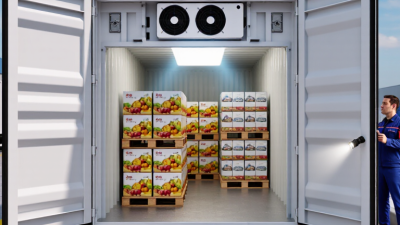
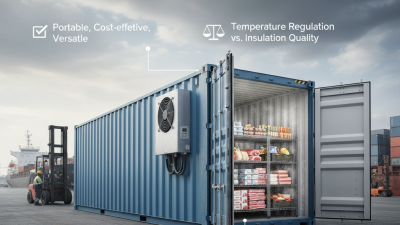
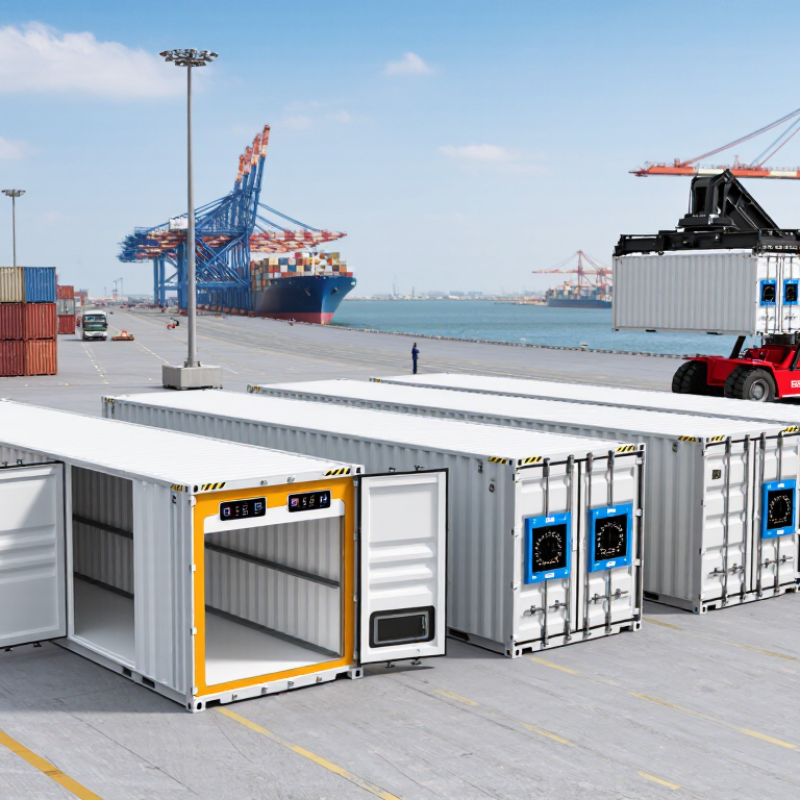
A reefer container is an insulated shipping unit with an active refrigeration system. It controls temperature, but it cannot make warm cargo safe by itself. Products should generally be pre-cooled to their required range before loading. That detail is easy to overlook. Air moves through floor channels and around cartons, carrying heat toward the cooling unit. Blocked vents, tightly packed loads, or worn door seals can disrupt circulation. A steady display reading does not always mean every part of the cargo is equally cool.
Reefers transport food, pharmaceuticals, flowers, and other temperature-sensitive goods by road, rail, and sea. Frozen seafood may need stable subzero settings, while fresh produce often needs careful cooling and ventilation. Requirements vary by commodity, packaging, trip length, and handling conditions. One setting cannot suit every load. Operators should inspect the unit, check sensors, and record temperatures before and during transit. Humidity and fresh-air exchange matter too, especially for produce that continues to respire. Small mistakes count. A door left open during a busy transfer can quickly add heat and moisture. When comparing reefer container manufacturers, buyers can examine insulation, airflow design, controls, and maintenance access. Still, even a well-designed unit depends on careful loading and monitoring.
How China’s Reefer Container Manufacturing Industry Is Organized
China’s reefer-container industry is organized as a connected production chain, rather than a single factory operation. Steel processors form the frames and outer panels, while specialist suppliers provide insulation, doors, seals, wiring, and refrigeration components. Assembly teams fit the insulated body, install cooling equipment, and protect cables from moisture and vibration. Some manufacturers handle several stages in-house; others rely on nearby suppliers. That division can improve efficiency, but it also makes coordination essential.
Production is often concentrated near component networks and transport hubs, though the exact setup varies by region and facility. Quality checks may include inspecting welds and door seals, testing refrigeration performance, and confirming that internal temperatures remain even. Buyers should ask how tests are recorded and whether checks reflect their intended operating conditions. A smooth exterior is not enough. Small gaps around a door can undermine temperature control during a long journey. Specifications also differ, so a capable factory is not automatically the right fit. This is easy to overlook, and supplier descriptions rarely show the whole production process.
Leading Reefer Container Manufacturers in China
Leading Reefer Container Manufacturers in China
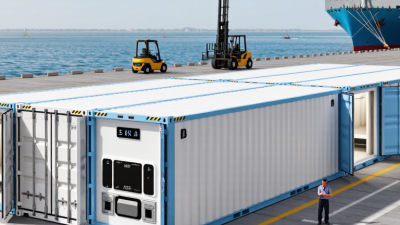
Leading reefer container manufacturers in China should demonstrate repeatable engineering, not just high output. Buyers can examine insulation thickness, door-seal fit, floor-channel design, and temperature-control integration. Ask for factory acceptance records and inspection results from loaded and empty-container tests. A neat finish helps, but performance records matter more.
UNCTAD’s Review of Maritime Transport 2023 projected seaborne trade growth of 2.4% that year. That broader shipping outlook makes equipment reliability commercially important, though it is not a reefer-specific forecast. Strong manufacturers should provide clear data on temperature uniformity, energy use, and pull-down performance. Details matter. Request results under stated ambient and cargo conditions; figures without test conditions are hard to compare.
Check production traceability, corrosion protection, spare-part availability, and repair support at destination ports. Inspect welds around corner fittings and look for consistent seal compression along the doors. A factory visit can reveal practical issues that a brochure misses. One overlooked point is serviceability: a unit may pass initial tests yet become costly when parts are slow to source. That is not enough. Compare independently witnessed test reports, warranty terms, and realistic lead times before choosing a supplier.
Typical Reefer Container Capacity: 20-Foot vs. 40-Foot High-Cube
Typical internal volume is approximately 28.3 m³ for a 20-foot reefer and 67.5 m³ for a 40-foot high-cube reefer. Actual capacity varies by container design and equipment specifications.
Comparing Manufacturers by Technology, Capacity, and Service
When comparing reefer container manufacturers in China, assess temperature control, build quality, production capacity, and service together. A precise controller matters, but so do consistent airflow and well-fitted door seals. Ask how temperature stability is tested under realistic loading conditions. Request sample inspection records, not just a specification sheet. Small details count.
Manufacturing capacity affects delivery schedules and the ability to handle repeat orders. Clarify monthly output, current lead times, and how production changes are managed. A large factory is not automatically the right fit. Check whether technicians can support installation, troubleshooting, and spare-parts planning after delivery. Response times deserve attention.
Tips: Ask for a sample maintenance checklist and confirm which replacement parts are locally available. Compare warranty terms carefully. Some claims may sound reassuring, but practical service evidence is more useful. It is easy to focus on purchase price and overlook downtime. That can be a costly gap.
How to Choose a Reefer Container Manufacturer in China
Choosing a reefer container manufacturer in China starts with your route and cargo, not a glossy catalog. Check insulation panels, door seals, floor T-bars, and drain design during a factory visit. Ask the team to demonstrate pull-down time and temperature recovery under load, using calibrated sensors and written test conditions. An empty box tells you little. Small details matter.
FAO’s The State of Food and Agriculture 2019 estimated that 14% of food is lost between post-harvest and retail. This figure does not measure reefer failures, but it highlights the value of dependable temperature control. Request test records against ISO 1496-2, temperature-mapping results, warranty terms, and details on controller and refrigeration-unit servicing. Confirm that replacement parts can reach your destination without long delays.
Compare suppliers using the same cargo weight, ambient temperature, set point, and power assumptions. Otherwise, performance claims may not be comparable. Inspect a finished unit for consistent welds, compressed gaskets, tidy cable routing, and signs of moisture around doors. Ask for references involving similar routes and cargo profiles, then verify them. A polished presentation is not proof of strong after-sales support. I would not choose on price alone; even a careful audit cannot predict every field failure, so plan for that uncertainty.