What Are the 2026 Top Refrigerated Shipping Container Types?

In 2026, choosing the right refrigerated shipping container will involve more than comparing cooling capacity or purchase price. Cargo owners must match equipment with commodity sensitivity, route length, power reliability, and port infrastructure. A container carrying vaccines needs tighter temperature control than one carrying oranges. Small errors matter.

UNCTAD’s Review of Maritime Transport 2024 confirms that maritime shipping moves more than 80% of global merchandise trade by volume. This scale keeps refrigerated containers central to food, pharmaceutical, and chemical supply chains. Drewry’s Reefer Shipping Annual Review 2024 also highlights continuing changes in seaborne perishable trade, equipment demand, and carrier fleet strategies. These findings support a practical comparison of integral reefers, clip-on units, controlled-atmosphere containers, pharmaceutical reefers, and super-freezer models.

The leading refrigerated shipping container in 2026 will depend on the shipment, not marketing language. An integral reefer can maintain a stable set point during a long ocean voyage, while a clip-on design may suit powered containers or specialized cargo movements. Controlled-atmosphere technology can slow ripening, but it requires disciplined loading and monitoring. Pharmaceutical models add validated sensors, alarms, and stronger data records. Super-freezer units may reach temperatures near -25°C or below, depending on the specification.

No ranking is perfect. A newer unit may still perform poorly after careless pre-cooling or blocked airflow. The World Health Organization’s guidance on temperature-sensitive health products reinforces the importance of qualification, monitoring, and documented handling. This overview therefore considers technical performance, energy use, cargo protection, service access, and real-world operating risks before identifying the most suitable container types for 2026.
What Are the 2026 Top Refrigerated Shipping Container Types?

What Refrigerated Shipping Containers Are and How They Work

What Are the 2026 Top Refrigerated Shipping Container Types?

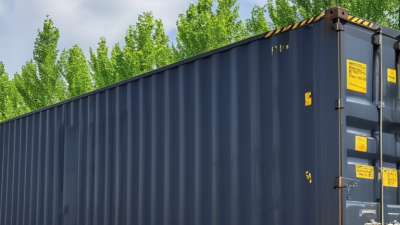
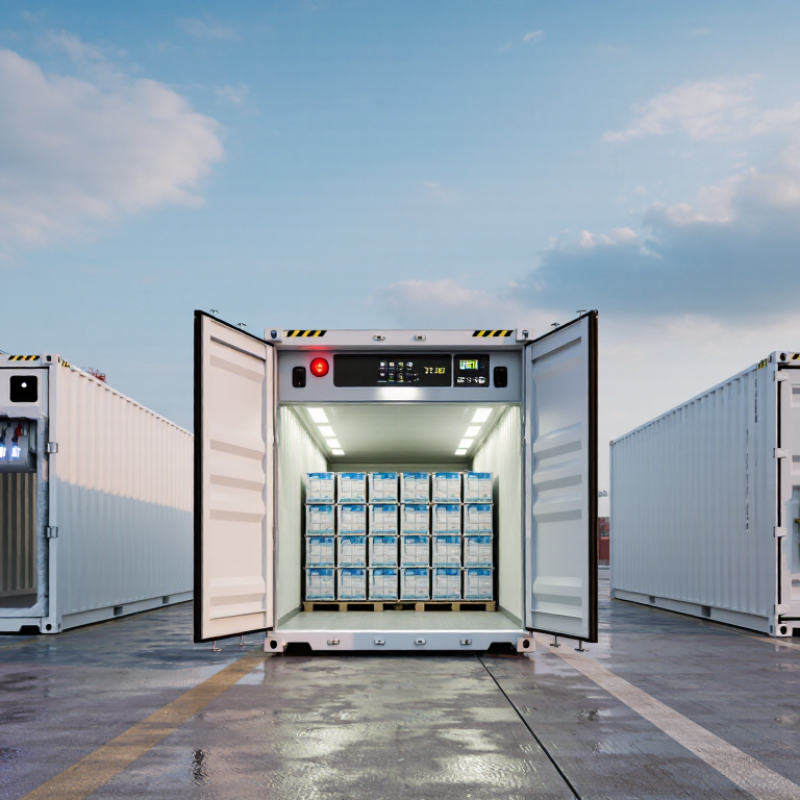
A refrigerated shipping container, or reefer, is an insulated steel unit with an independent cooling machine. It removes heat from inside the box. The system uses a compressor, condenser, evaporator, sensors, and controlled airflow. Power is essential. Without electricity, temperature protection quickly weakens.

The leading 2026 type remains the integral reefer. Its built-in machinery supports frozen seafood, fresh produce, dairy products, and temperature-sensitive cargo. Standard units usually maintain setpoints from about -30°C to +30°C, depending on the equipment and cargo plan. Controlled-atmosphere reefers adjust oxygen and carbon dioxide levels. They can slow ripening during long ocean voyages. Pharmaceutical-grade units provide tighter temperature control and stronger monitoring. Some cargo needs less drama, not more technology.

Airflow matters. Cargo should not block the floor channels or return-air openings. Operators also pre-cool the load when required, rather than expecting the container to remove field heat quickly.

The FAO’s State of Food and Agriculture report estimated that 14% of food is lost between harvest and retail. Reliable cold-chain handling can reduce part of that loss, although containers cannot fix poor packing or delayed power connections.

UNCTAD’s Review of Maritime Transport confirms that over 80% of global merchandise trade moves by sea, highlighting the reefer’s role in international food distribution.

One assumption deserves checking: a lower setpoint is not automatically safer. Product specifications, humidity, ventilation, and transit duration must guide the final container choice.

Which Refrigerated Container Types Lead the 2026 Market

The 40-foot high-cube reefer is expected to lead the 2026 refrigerated container market. Its extra internal height supports dense pallet loading and better airflow. Drewry’s Reefer Shipping Annual Review 2024 estimated global seaborne reefer trade at roughly 130 million tonnes in 2023. That volume favors larger equipment on long ocean routes. Produce, seafood, pharmaceuticals, and frozen foods remain major users. In practical operations, a stable set point is not enough. Teams also check return-air temperature, humidity, door openings, and data-logger records.

The 20-foot reefer will remain important for smaller exporters and congested ports. It offers easier inland handling and lower cargo exposure per shipment. However, its capacity disadvantage can raise the transport cost per pallet. Controlled-atmosphere reefers are gaining attention for apples, avocados, and other respiration-sensitive cargo. They regulate oxygen and carbon dioxide, extending usable shelf life during long voyages. UNCTAD’s Review of Maritime Transport 2024 also highlights continuing pressure on supply-chain efficiency and equipment availability. That pressure supports flexible container fleets.

Specialized multi-temperature units may expand in regional distribution. Yet their higher maintenance and loading complexity limit rapid adoption. Forecasts are imperfect. Actual demand will depend on harvest cycles, energy prices, port reliability, and stricter cold-chain monitoring. ISO 1496-2 compliance, calibrated sensors, and documented pre-trip inspections will separate reliable equipment from merely available boxes in 2026.

How Container Sizes and Temperature Ranges Differ

What Are the 2026 Top Refrigerated Shipping Container Types?
How Container Sizes and Temperature Ranges Differ

Refrigerated shipping containers, or reefers, are selected by cargo volume, packaging, and temperature needs. The 20-foot reefer suits smaller loads and often offers easier handling at crowded terminals. A 40-foot high-cube reefer provides more internal height for stacked cartons and pallets. Some 45-foot units add capacity, but their availability and route acceptance can vary. Bigger is not always better. Poor airflow can damage cargo, even inside a spacious container.

Temperature ranges differ by product. Chilled goods commonly travel between 0°C and 8°C, while frozen cargo often needs about -18°C. Deep-frozen shipments may require settings near -30°C or lower. Some reefers support controlled-atmosphere functions, humidity management, or ventilation adjustments. These features help sensitive produce, but they do not replace proper packaging. The setpoint is not the cargo temperature. Pre-cooling, airflow space, and door-opening time can change actual conditions. I have seen loading plans fail when cartons blocked the return-air channel. That detail deserves more attention.

Tips: Match the container size to the shipment’s airflow needs, not only its volume. Confirm the product’s approved temperature range with a qualified specialist. Use a calibrated data logger near the warmest risk area. Leave clearance around walls and floor channels. Keep loading records. Small mistakes matter. Check the route, power connection, and port equipment before dispatch, because operational limits can differ between terminals.

What Are the 2026 Top Refrigerated Shipping Container Types? — How Container Sizes and Temperature Ranges Differ
Refrigerated Container Type Typical External Size Approximate Internal Capacity Typical Temperature Setpoint Range Common Cargo Applications Key Operating Characteristics
20-Foot Standard Reefer 20 ft × 8 ft × 8 ft 6 in
(6.06 m × 2.44 m × 2.59 m)
Approximately 28–29 m³
Typical payload: about 27–29 metric tons, depending on equipment and route limits
Approximately −30°C to +30°C
(−22°F to +86°F)
Fresh produce, seafood, meat, dairy products, pharmaceuticals, and temperature-sensitive materials Compact footprint for smaller consignments; generally offers lower cubic capacity than 40-foot units while retaining strong payload capability
40-Foot Standard Reefer 40 ft × 8 ft × 8 ft 6 in
(12.19 m × 2.44 m × 2.59 m)
Approximately .m³
Typical payload: about 29–30 metric tons, subject to container tare weight and local regulations
Approximately −30°C to +30°C
(−22°F to +86°F)
High-volume shipments of fruit, vegetables, chilled meat, frozen foods, and pharmaceutical products Common choice for regular ocean freight; provides greater volume than a 20-foot reefer without increasing external height
40-Foot High-Cube Reefer 40 ft × 8 ft × 9 ft 6 in
(12.19 m × 2.44 m × 2.90 m)
Approximately 67–68 m³
Typical payload: about 29–30 metric tons, subject to equipment specifications and route limits
Approximately −30°C to +30°C
(−22°F to +86°F)
Bulky or high-volume chilled cargo, packaged food, fresh produce, and temperature-controlled retail goods Extra internal height increases cubic capacity; the added height may be restricted at some terminals, road routes, or storage locations
45-Foot High-Cube Reefer 45 ft × 8 ft × 9 ft 6 in
(13.72 m × 2.44 m × 2.90 m)
Approximately 80–86 m³
Payload varies significantly by unit design and legal road-weight limits
Approximately −30°C to +30°C
(−22°F to +86°F)
Large-volume retail distribution, produce, chilled food, and shipments where cubic capacity is more important than maximum payload Offers more usable volume than a 40-foot high-cube; availability, terminal acceptance, and inland transport compatibility can be more limited
Deep-Frozen Reefer Most commonly 20 ft or 40 ft
Standard or high-cube external dimensions
Approximately 28–68 m³, depending on the selected container size Commonly about −25°C to −30°C
(−13°F to −22°F); some equipment can operate colder
Frozen meat, seafood, ice cream, frozen vegetables, and other deep-frozen products Designed for stable low-temperature transport; cargo should normally be pre-cooled before loading because the unit is intended mainly to maintain temperature
Chilled or Fresh-Cargo Reefer Most commonly 20 ft, 40 ft, or 40 ft high-cube Approximately 28–68 m³, depending on container length and height Commonly about 0°C to +8°C
(32°F to 46°F), with the exact setpoint determined by the commodity
Fresh fruit, vegetables, flowers, dairy products, meat, and other products requiring above-freezing conditions Temperature control is combined with ventilation and, where available, humidity management to support product quality and reduce respiration-related damage
Controlled-Atmosphere Reefer Usually 40 ft or 40 ft high-cube Approximately 67–68 m³ Often about 0°C to +13°C
(32°F to +55°F), depending on the commodity and control program
Long-distance transport of apples, pears, kiwifruit, avocados, and other respiration-sensitive produce Regulates oxygen, carbon dioxide, ventilation, and temperature; requires compatible cargo, careful loading, and a correctly configured atmosphere program
Pharmaceutical and Biologics Reefer Commonly 20 ft or 40 ft
Specialized units may use other formats
Approximately 28–60 m³, depending on the equipment and interior configuration Common profiles include +2°C to +8°C, +15°C to +25°C, or frozen conditions below 0°C Vaccines, biologics, clinical-trial materials, temperature-sensitive medicines, and selected laboratory products Requires validated operating procedures, calibrated monitoring, documented temperature records, qualified packaging, and a defined excursion-management process
Important: Temperature ranges are typical equipment capability ranges or commonly used operating bands, not universal specifications. Actual limits depend on the container model, controller settings, cargo requirements, ambient conditions, airflow, power supply, and carrier or terminal procedures.
Measurement note: External dimensions follow common ISO container formats. Internal volume, payload, temperature capability, ventilation, and humidity features vary by equipment specification. Always confirm the exact unit data before booking.

What Features Improve Cargo Safety and Energy Efficiency

In 2026, the most practical refrigerated containers combine reliable cooling with smarter energy control. Standard reefers remain useful for chilled vegetables, dairy products, and frozen cargo. High-cube models add vertical space, which helps larger pallets move without excessive stacking. Multi-temperature units serve mixed loads, but they need careful zoning and frequent checks.

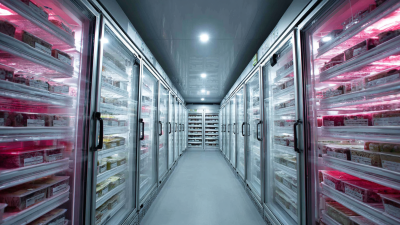
Cargo safety starts with stable airflow. Adjustable vents spread cold air around cartons instead of creating damaging hot spots. Accurate temperature sensors record conditions throughout the journey. Door alarms can warn crews after a seal breaks or a door remains open. Strong floor surfaces and internal bars reduce shifting during rough handling.

Small details matter.

Energy efficiency depends on the whole route. Modern units can reduce power demand through variable-speed compressors, insulated panels, and low-leak door seals. Hybrid power systems may lower fuel use during port operations. Remote monitoring also helps technicians find abnormal temperature changes before cargo quality declines.

However, data is not a substitute for experience. A sensor can be misplaced, and a clean display can hide poor airflow. I have seen loading plans fail when cartons blocked return vents.

The lesson is uncomfortable: efficient equipment still needs trained people, realistic maintenance schedules, and manual inspections.

No design solves every route.

How to Select the Right Refrigerated Container for Each Shipment

What Are the 2026 Top Refrigerated Shipping Container Types?

How to Select the Right Refrigerated Container for Each Shipment

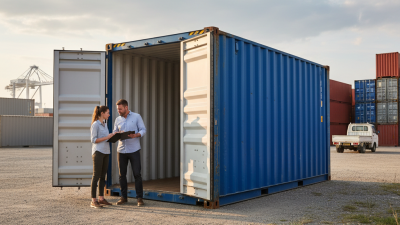
Choosing a refrigerated container starts with the cargo, not the equipment list. Standard integral reefers suit chilled meat, dairy, fruit, and vegetables. Frozen products need stable low temperatures, while fresh produce may need controlled-atmosphere technology. The latter adjusts oxygen and carbon dioxide levels, slowing respiration during long ocean voyages. Measure twice.

Review the product’s required pulp temperature, not only the container setpoint. Pre-cool the cargo before loading, leave clear airflow channels, and avoid blocking the floor’s T-shaped channels. A data logger near the warmest expected area can reveal problems that return-air readings miss. That detail matters. For short routes, a standard reefer may provide adequate control. For delicate produce, controlled atmosphere, humidity management, or ethylene control can justify higher costs. Ultra-low-temperature units suit specialized frozen cargo, but their energy demand and operating limits require careful planning.

The FAO estimates that 14% of food is lost between harvest and retail, showing why temperature discipline remains commercially important. The 2024 UNEP Food Waste Index reported 1.05 billion tonnes of food waste in 2022. These figures do not prove that every loss comes from refrigeration failure. They do show the scale of the cold-chain challenge. I would also question any selection based only on historical routes. Weather, dwell time, loading density, and port delays can change the correct choice. Record the cargo temperature, inspection results, and alarm history for every shipment. Over time, those imperfect records become more useful than assumptions.

What Are the 2026 Top Refrigerated Shipping Container Types?

How to select the right refrigerated container for each shipment based on capacity, temperature requirements, and cargo sensitivity.

Approximate internal volume is shown for common ISO refrigerated container formats. A 20-foot reefer is suitable for smaller, temperature-sensitive loads; a 40-foot reefer provides more floor space; and a 40-foot high-cube reefer offers the greatest internal volume for high-volume or tall palletized cargo.

Actual dimensions vary by equipment design, insulation thickness, refrigeration machinery, and permissible payload. Confirm the carrier’s specification sheet before booking. Temperature ranges commonly include chilled cargo above 0°C, frozen cargo around −18°C or colder, and specialized pharmaceutical shipments requiring validated temperature control.