10 Tips for Buying a 40ft Shipping Container
A 40ft shipping container offers substantial storage or project space. But its length alone does not make it a sound purchase. Buying decisions depend on intended use, site access, condition, and delivery arrangements. A unit that looks sound in a listing may have worn flooring, stiff doors, or hidden corrosion. Those details matter. Before comparing prices, confirm the container’s dimensions, grade, and whether it is new or used. Check its corner posts, roof panels, door seals, and floorboards in person when possible. If you cannot inspect it, ask for recent, dated photos and a written condition report. Even then, photos cannot reveal everything.
The ten tips in this guide focus on practical checks, not sales promises. They cover selecting a suitable condition, checking for water entry and repairs, and matching the container to your needs. They also address delivery costs, truck access, placement surfaces, and the space needed to open both doors. Measure the route. A narrow gate, low branch, or soft driveway can complicate delivery, even when the container itself seems affordable. Ask suppliers to clarify what transport includes, and verify the final quote before committing. Compare like with like; a lower price may reflect more wear or additional delivery charges. No checklist replaces careful judgment. Some advice may need adjustment for your site, budget, and intended use. With clear questions and realistic measurements, buyers can avoid preventable surprises and choose a 40ft shipping container that fits their plans.
Define the Container’s Intended Use and Required Specifications
A 40ft container can serve as storage, a workshop, or a temporary site office, but each use calls for different specifications. Start by listing what must fit inside, including equipment, shelving, and room to move. Measure the largest item, then check the container’s internal length, width, and height. These dimensions are smaller than the exterior measurements and can vary by model. Measure twice.
Access matters just as much as capacity. If a forklift needs to enter, check the door opening and turning space nearby. For frequent loading, inspect the floor and confirm its condition and load rating. A dry storage container may suit boxed goods, while people or sensitive materials may need insulation, ventilation, lighting, or electrical work. Each modification can affect cost and usable space. Small details matter.
Think about the site, too. A 40ft unit needs firm, level support and enough clearance for delivery and door access. I would not assume a container will fit simply because its listed length matches the available space; delivery equipment needs room as well. Ask for the exact unit dimensions, condition, and payload details in writing. One thing buyers can overlook is condensation: stored contents may need airflow or moisture control, depending on the climate and intended use.
Choose Between Standard and High-Cube 40-Foot Models
A standard 40-foot container is typically about 8 feet 6 inches tall outside, with roughly 7 feet 10 inches of interior height. A high-cube model adds about one foot of exterior height and often provides around 8 feet 10 inches inside. Exact measurements vary, so check the seller’s specification sheet and measure the door opening too. That clearance can matter when loading tall equipment or stacking bulky items.
Tip: Measure your tallest load, including pallets or protective packaging. Leave room for safe handling; a snug fit on paper can become awkward in practice. High-cube containers offer more vertical space, not a larger floor footprint. They can also cost more, and their extra height may complicate delivery beneath low branches, wires, or roof overhangs. Check the route and placement area before choosing.
For general storage, a standard model may be enough and easier to position. For furniture, machinery, or goods that need extra headroom, a high cube may prevent wasted space. I’d compare the usable interior dimensions, door clearance, condition, and delivery cost—not height alone. It is easy to focus on capacity and overlook access. A tape measure helps.
Standard vs. High-Cube 40-Foot Container: Exterior Height
A high-cube model is nominally 1 foot taller externally than a standard model. Dimensions can vary slightly by container and manufacturer.
Evaluate Container Condition, Grade, and Structural Integrity
A 40-foot container can look sound from a distance and still have problems that affect safe handling or long-term use.
Start by asking what the seller’s grade means in writing; grading terms are not always used consistently. Check the corner castings, top and bottom side rails, door frame, and floor crossmembers for bends, cracks, or heavy repairs. These areas carry loads and help the container keep its shape. Look closely.
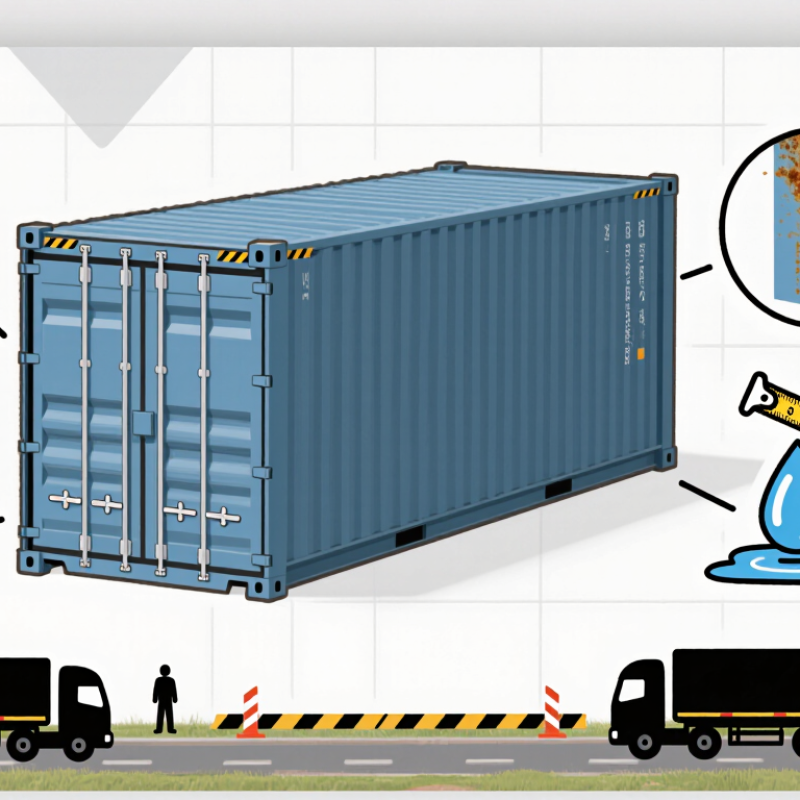
Surface rust is common, but flaking metal, holes, or fresh paint covering a repair deserve closer inspection. Open and close both doors. They should move without forcing, and the locking bars should engage properly. Check the floor for soft spots, broken boards, and signs of water entry. A flashlight helps under the frame. So does patience.
Photos are useful, but they cannot show every weak point. If you cannot inspect the container yourself, ask for current photos of the roof, underside, interior, and all four corners, plus a clear record of repairs. I still find roof damage easy to overlook because it is out of sight. A small dent may be cosmetic; a twisted rail or cracked casting is a different concern. When something is unclear, ask for an independent inspection before arranging delivery.
Check Documentation and Compliance Before Finalizing the Purchase
Before paying for a 40ft container, match its identification number on the doors to the number on the sales documents. Check that the seller can prove ownership and provide a dated bill of sale. If the container will carry cargo, inspect its CSC safety approval plate and ask for the latest examination record. Under the International Convention for Safe Containers, periodic examinations are generally required at intervals not exceeding 30 months, unless an approved continuous examination program applies. Small mismatch, big delay.
Documentation matters even for a unit intended for storage. UNCTAD’s Review of Maritime Transport 2023 reports that over 80% of world trade by volume is carried by sea, making standardized container identification and safety records essential across the supply chain. Ask the seller to confirm the container’s age, condition, and any repair history in writing. Check that photos show the actual unit, including its data plate, doors, floor, and corner castings. A clean-looking exterior proves little about hidden repairs or water ingress. I would not treat a missing record as proof of a defect, but it is a reason to pause and verify before arranging delivery.