Top 10 Things to Know Before Buying a 10ft Container

A 10ft container can solve a very specific storage problem: keeping tools, seasonal equipment, or small business stock under cover without taking up the space of a larger unit. Its compact footprint is appealing, but “10ft” describes an approximate external length, not the room available inside. Wall thickness, door hardware, and internal fittings all reduce usable space. Measure the largest item you plan to store, including handles and packaging. Then check the supplier’s listed dimensions. Small differences matter.

Before buying, look beyond the headline price. Ask whether the unit is new or used, how its condition is assessed, and whether the floor, doors, seals, and locking points have been inspected. Request clear photographs or an in-person viewing when possible. Check delivery access, too: a narrow driveway, low branches, or soft ground can complicate placement. Delivery may cost extra. So can preparation. A level, stable base helps the doors operate properly, though the right setup depends on the site and intended use.

This guide covers ten practical points to check before committing, from dimensions and condition to transport and ongoing costs. It is not a substitute for a site assessment, and a small container will not suit every project. That is worth admitting. Compare written specifications, confirm what is included, and leave room in your budget for details that are easy to overlook.
Top 10 Things to Know Before Buying a 10ft Container

Understanding the Dimensions and Capacity of a 10ft Container

A 10ft container is compact, but its usable space is smaller than its exterior suggests. Under ISO 668:2020, a common 10ft unit measures about 2.99 m long, 2.44 m wide, and 2.59 m high externally. Interior dimensions vary by construction; a typical example offers roughly 2.83 m by 2.35 m by 2.39 m. That is about 15.9 cubic metres. Measure your actual unit before planning a tight fit.

Mind the door. The opening is narrower and lower than the interior, and thick doors reduce access further. A tall cabinet may fit inside but still fail at the entrance. The Container Handbook, a technical reference from the German Insurance Association, explains why dimensions and handling details matter when planning cargo loads. Keep a tape measure handy.

Volume is not payload. ISO 668 sets container classifications and ratings, but the allowable load depends on the individual unit’s data plate and condition. Check that plate before loading; a floor plan alone cannot show whether a concentrated load is suitable. For example, shelving can leave unused air above boxes while putting too much weight on a small floor area. Capacity sounds simple. It isn’t.

Choosing the Right Container Type and Condition

A 10ft container can be a standard dry unit, an insulated model, or a modified design with extra access. Match the type to the job. For boxed tools or seasonal equipment, a dry unit may be enough. If temperature changes matter, insulation can reduce heat transfer, but it does not provide refrigeration. Check the actual internal dimensions; wall linings and modifications can reduce usable space. Measure the largest item, including handles and packaging. Small details matter.

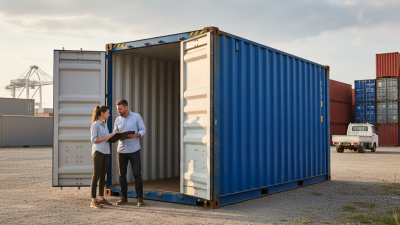
Condition labels need a close look. “One-trip” usually describes limited prior use, but it is not a substitute for inspection. Used units can offer good value, though dents, corrosion, and worn seals vary widely. Open and close both doors. Look for smooth movement, intact rubber seals, and a floor without soft spots or strong odors. Check the roof and upper corners for staining or daylight. Ask for clear photos of the exact unit, not just a sample. I would not rely on “watertight” alone; ask what was checked and when. A rushed inspection is easy to regret.

10ft Container Buying Guide: Standard vs. High Cube

Compare typical external dimensions before choosing a container type. A high-cube container offers more vertical clearance; the best choice also depends on the condition of the specific unit and your cargo.

Typical nominal external dimensions in feet: both types are about 10 ft long and 8 ft wide; standard units are about 8 ft 6 in tall, while high-cube units are about 9 ft 6 in tall. Dimensions can vary by manufacturer. Before buying, confirm the exact measurements and inspect the doors, floor, roof, and walls for damage, corrosion, and leaks.

Checking Site Access, Delivery, and Placement Requirements

Before ordering a 10ft container, check the entire delivery path, not just the gate. Measure opening width, overhead branches, cables, and the turning area, then send photos to the delivery provider. A container is about 8ft wide, but the truck and its unloading equipment need extra room. FHWA’s Freight Facts and Figures 2023 reports that trucks moved 72.6% of U.S. domestic freight by weight in 2022; that scale does not guarantee a truck can navigate your driveway. Measure twice.

Ask how the container will be unloaded. Tilt-bed and crane deliveries need different clearances, and the driver may need a straight approach or firm space to maneuver. Check the route for low wires, steep slopes, parked cars, and tight corners. FMCSA’s Large Truck and Bus Crash Facts 2022 recorded 5,837 large trucks involved in fatal crashes nationwide. Those figures are not specific to container deliveries, but they underline why a clear route and controlled placement matter.

Prepare a level, compact surface before delivery. Gravel or concrete can help, while soft soil may rut under a loaded truck. Mark the exact placement spot, keeping doors clear of fences and allowing room to open them fully. Confirm whether the delivery vehicle can reverse safely; OSHA’s construction vehicle rules require an audible alarm or observer when rear visibility is obstructed. I still double-check overhead clearance in person. Photos can hide a low branch.

Comparing Prices, Transport Costs, and Ongoing Expenses

A low purchase price can be misleading. Compare quotes for the same condition, door type, and delivery scope. A used 10ft container may cost less upfront, but dents, stiff hinges, or worn seals can mean repairs. Ask for recent photos, including the floor and roof. Small details matter.

Transport can change the total quickly. Request a delivered quote, not just a collection price. Check whether it includes unloading, permits where required, and waiting time. A narrow driveway, soft ground, or low overhead wires may require different equipment. Measure the route and placement area before booking. One missed measurement can become an expensive surprise.

Plan for ongoing expenses, too. You may need a level base, drainage, and occasional checks for leaks or corrosion. Paint touch-ups are usually manageable, but neglected water entry can damage stored items. Add a modest maintenance allowance to your budget. It may feel overly cautious; still, estimates often miss small, repeated costs. Compare the full first-year cost, not only the advertised price.

Reviewing Permits, Safety Standards, and Seller Terms

Before ordering a 10ft container, ask your local planning or building office whether placement needs a permit. Rules can depend on zoning, foundations, setbacks, and how long the unit will stay. A level gravel pad may seem sufficient, but soft ground can shift under a loaded container. Check drainage and overhead clearance before delivery. Small details matter.

Ask the seller for the unit’s condition, repair history, load information, and any applicable inspection or certification records. Do not assume a 10ft unit meets the same requirements as a standard freight container. Check the floor, corner posts, roof seams, and door seals in person or through dated photos. The U.S. Bureau of Labor Statistics recorded 5,283 fatal work injuries in 2023, a reminder to confirm who controls lifting and placement, and how the delivery crew will secure the load. Get delivery access, unloading equipment, damage claims, taxes, and refund terms in writing. I would also confirm whether “weatherproof” means tested performance or simply the seller’s description.

Top 10 Things to Know Before Buying a 10ft Container — Reviewing Permits, Safety Standards, and Seller Terms
# Topic What to Verify Practical Action Before Purchase
1 Exact dimensions “10 ft” generally describes the nominal external length. External and internal dimensions, door opening, and usable capacity vary by design and manufacturer. Request a dimension sheet. Measure the intended site, access route, and largest item that must pass through the doors.
2 Permits and land-use rules Placement rules depend on the local authority and property. Zoning, building, fire-access, setback, and homeowners’ association requirements may apply. Ask the local planning or building department about the specific address, container use, placement, and duration before ordering.
3 Ground and site preparation A loaded container needs stable, level support. Soft ground, poor drainage, or uneven support can cause movement, door misalignment, or water pooling. Confirm the support method and site requirements with the seller or installer. Check drainage and ensure the delivery area can bear the expected load.
4 Delivery access and placement Delivery may require a suitable vehicle, clear approach, overhead clearance, and enough room to unload and position the unit. Provide the seller with site photos and measurements, including gates, turns, slopes, trees, wires, and the planned final position.
5 Condition and structural integrity Used units can have dents, corrosion, damaged floors, leaking seams, or doors that do not seal properly. Cosmetic wear is different from damage affecting function or safety. Inspect in person or request dated photos of the roof, floor, corners, door seals, locking bars, and interior. Record any agreed repairs in writing.
6 Safety and applicable standards Ask what standards or inspections apply to the container’s intended use. CSC safety approval is relevant to containers used in international transport; it should not be assumed to apply to every storage unit. Request available identification, inspection, or certification documents and verify that they match the unit. Confirm local requirements for storage, workplace, or other uses.
7 Ventilation, moisture, and contents A closed steel container can experience condensation and temperature swings. Ventilation and moisture control needs depend on the goods stored and local climate. Ask about vents and weather sealing. For moisture-sensitive contents, plan suitable packaging, airflow, and moisture control; do not store prohibited hazardous materials.
8 Locking and access Door hardware and the locking arrangement vary. A lock may be sold separately, and security features do not guarantee theft prevention. Check that doors open and close smoothly, identify what locking hardware is included, and ask whether access restrictions or shared-site rules apply.
9 Total price and delivery terms The quoted price may exclude delivery, unloading, placement, taxes, site preparation, or optional accessories. Delivery costs can depend on distance and site access. Request an itemized written quote showing all charges, delivery conditions, payment timing, and any fees for failed delivery or repositioning.
10 Warranty, returns, and ownership Warranty coverage, return rights, cancellation terms, title transfer, and responsibility for damage in transit vary by seller and contract. Read the written terms before paying. Confirm the condition promised, warranty exclusions, cancellation process, delivery acceptance procedure, and when ownership transfers.