How to Choose the Best 20ft Container for Your Business Needs?
When selecting a 20ft container for your business, there are key factors to consider. The container industry has grown significantly, with a 5% annual increase in demand according to market reports. These figures underline the importance of making informed choices. A 20ft container stands out due to its versatility in storage and transport, making it a popular option among businesses of various sizes.
Choosing the right 20ft container involves assessing your specific needs. Consider the container's condition, whether new or used, and its features like insulation or ventilation. Industry data indicates that over 60% of businesses prefer containers that are weather-resistant and secure. These features protect goods while in transit or storage.
However, selecting a container isn't solely about specifications. It’s vital to reflect on your business's operational needs and budget constraints. Many companies face challenges in this area. Misjudgment can lead to increased costs or inadequate storage solutions. Therefore, understanding the potential pitfalls in container selection is crucial for success in your logistics strategy.
Understanding the Different Types of 20ft Containers Available
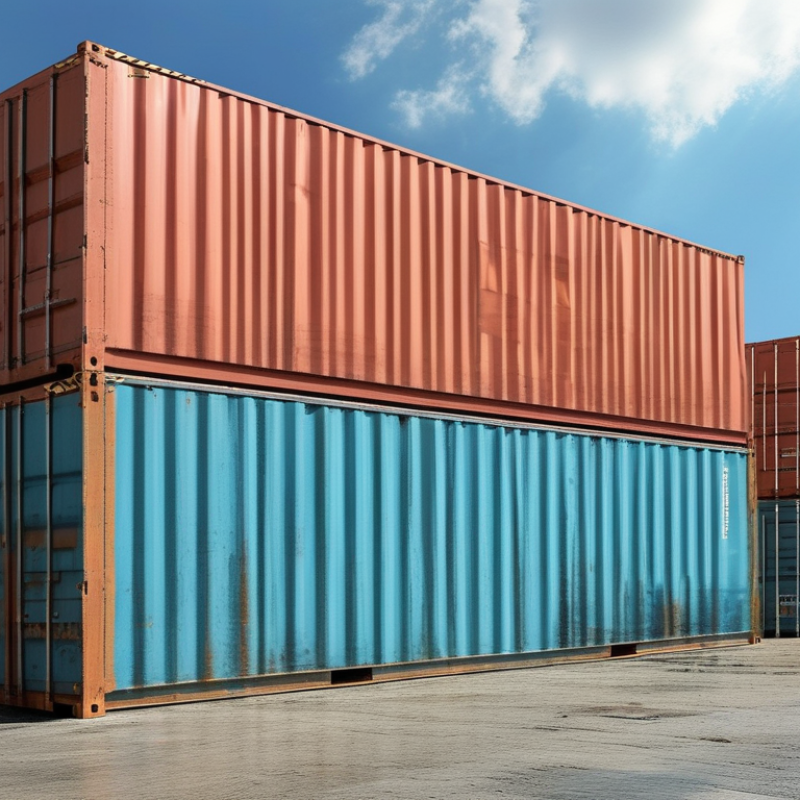
When selecting a 20ft container, it's crucial to understand the different types available. Standard containers are often used for general cargo. These are built to withstand varying weather conditions. They provide a robust solution for transporting goods.
Refrigerated containers, or reefers, are essential for perishable items. They maintain a specific temperature, preserving freshness during transit. Many businesses rely on these for shipping food products. It's worth considering your product requirements when choosing this type.
Another option is the open-top container. This design allows for easy loading of tall cargo. It features a removable roof, accommodating oversized items. If your business deals with such products, this might be the right choice.
Each type of container has unique features. Reflecting on your specific needs can guide your choice effectively.
Assessing Your Business Requirements for Container Usage
Choosing the right 20ft container for your business begins with assessing your unique needs. Start by identifying the items you plan to store or transport. What are their dimensions? Are they sensitive to temperature or humidity? A clear understanding of your inventory will guide your selection process.
Consider the type of operations you run. Is your business focused on shipping, storage, or both? Each scenario requires different features in a container. For example, if you are shipping fragile items, you might need extra padding or insulation. Reflect on these aspects carefully; each decision can impact efficiency.
Don’t overlook the logistics involved. Think about access conditions at your location. Can large trucks maneuver easily? What about loading and unloading? The container's location may influence your choice. Lastly, assess your budget, but don’t sacrifice quality for cost. A durable container will save money in the long run.
Evaluating Container Conditions: New vs. Used Options
When selecting a 20ft container, it’s crucial to assess the condition. New containers often feature fresh paint and minimal wear. They offer the assurance of durability and long-term use. The high upfront cost can be intimidating, yet their longevity may justify the investment. New containers can withstand harsh weather and keep your goods secure.
Used containers present a different appeal. They are generally more affordable compared to new ones. However, their condition can be variable. Inspections should focus on rust, structural integrity, and potential leaks. A used container may show signs of wear but can still serve effectively. It’s valuable to weigh the pros and cons of each option.
Choosing between new and used containers depends on your business needs. If you require reliability for sensitive cargo, a new container could be the best choice. If budget constraints are significant, a carefully inspected used container might suffice. Finding the right balance is essential for savvy business decisions. Always consider how the container fits into your overall logistics strategy.
How to Choose the Best 20ft Container for Your Business Needs? - Evaluating Container Conditions: New vs. Used Options
| Container Type |
Condition |
Price Range (USD) |
Average Lifespan (Years) |
Ideal Use Cases |
| Standard Container |
New |
$3,000 - $6,000 |
10 - 15 |
Shipping, Storage |
| High Cube Container |
Used |
$2,500 - $4,500 |
8 - 12 |
Warehouse, Construction |
| Reefer Container |
New |
$5,000 - $8,000 |
10 - 15 |
Food Transport, Pharmaceuticals |
| Flat Rack Container |
Used |
$1,500 - $3,000 |
5 - 10 |
Heavy Machinery, Oversized Cargo |
Key Features to Consider When Selecting a 20ft Container
When selecting a 20ft container for your business, several key features warrant careful consideration. Size and dimensions matter significantly. Ensure the container's internal space meets your storage or transportation needs. A standard 20ft container typically has around 1,172 cubic feet of storage capacity. However, your specific industry requirements may vary, necessitating a more tailored choice.
Durability and condition are also critical factors. Look for containers made from high-quality steel. They should be weather-resistant and able to withstand transport stresses. Inspect for any signs of rust, dents, or structural issues. Despite some containers appearing pristine outside, the internal condition may raise concerns. Sometimes, it’s wiser to invest a bit more for a reliable container source.
Security features deserve special attention. Adequate locking mechanisms are essential to prevent theft. Additionally, consider the option for custom modifications. Ventilation systems, insulation, or shelving can enhance functionality. While these improvements may add cost, they could significantly impact your operations. Your business's uniqueness may require adjustments to a standard model for optimal results.
Understanding Key Features of 20ft Containers for Business Needs
Examining Transportation and Delivery Options for Your Container
When selecting a 20ft container, transportation and delivery options play a critical role. You may need to consider various factors that affect your choice. Decide if you want to pick up the container from a depot or have it delivered directly to your location. Each method has its advantages and challenges. For instance, local pick-up can save costs, but you may face time constraints and require a vehicle that can handle the container.
Delivery options also vary widely. Some services provide same-day delivery, while others may require longer lead times. Check the reliability of the logistics providers. Reading reviews and seeking recommendations can help with this. It's crucial to understand delivery costs upfront, as hidden fees can impact your budget. Be prepared for potential delays due to weather or traffic conditions that could affect your delivery schedule.
Moreover, ensure that the container meets your specific needs once delivered. Assessing your space and the fast access required to and from the container is essential. Think about future needs as well; will you need additional containers later? While thorough planning is crucial, flexibility may be necessary. Often, businesses underestimate delivery challenges, so keeping a backup plan can be wise.