What Are the Top Sea Container Manufacturers in China?
China has become the central manufacturing base for the global sea container industry. Its factories supply dry cargo boxes, refrigerated units, tank containers, and specialized equipment to shipping lines and logistics operators worldwide. The scale is substantial. UNCTAD’s Review of Maritime Transport 2024 reported that global maritime trade reached about 12.3 billion tons in 2023. It also forecast further growth in 2024, despite disrupted routes and higher operating risks.
Demand is not measured only by vessel capacity. It appears in busy production yards, stacks of freshly painted containers, and inspection teams checking corner castings. The World Shipping Council notes that around 80% of global trade by volume moves by sea. This makes manufacturer reliability commercially important. A delayed container order can affect warehouse planning, inland transport, and vessel utilization.
This article examines leading Chinese producers, including companies known for large-scale dry container manufacturing and specialized equipment. The comparison considers production capacity, ISO compliance, CSC certification, materials, customization, delivery performance, and after-sales support. These factors matter more than a polished factory photograph.
No ranking is permanent. Market share can change.
Industry reports provide useful benchmarks, but buyers should verify current certificates, factory audits, steel specifications, and warranty terms. Product quality may also vary between production lines and subcontracted components. That is an important limitation. A manufacturer with impressive output may not suit every route, cargo type, or leasing requirement.
The following overview therefore focuses on evidence, practical purchasing concerns, and established industry reputation. It aims to help global buyers identify the top sea container manufacturers in China with greater confidence.
Definition and Role of Sea Container Manufacturers in China
Sea container manufacturers in China design and build standardized steel units for international cargo transport. Their role extends beyond welding panels together. They select corrosion-resistant materials, engineer load-bearing frames, and install secure doors, floors, and corner fittings. These details help containers survive cranes, ships, railways, and rough roads.
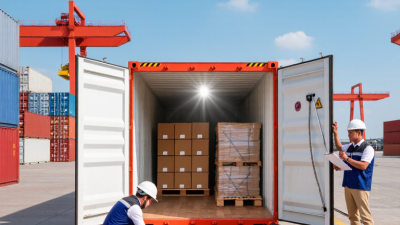
Reliable manufacturers follow recognized container safety standards and maintain documented quality checks. Inspectors may examine welds, dimensions, paint thickness, door alignment, and water resistance. Production records also support traceability when buyers compare different factories. The best suppliers usually offer clear specifications, realistic delivery schedules, and responsive technical support. No factory is perfect. A small measurement error can cause stacking problems or costly delays.
Tips: Ask for material details, inspection procedures, and sample test reports before ordering. Confirm whether the container suits dry cargo, refrigerated goods, or specialized equipment. Visit the production site when possible. Look at the welding lines, storage areas, and final inspection process. Photos can help, but they do not replace physical checks. Also, discuss repair support and replacement parts early. These conversations often reveal practical strengths that sales brochures miss.
What Are the Top Sea Container Manufacturers in China? - Definition and Role of Sea Container Manufacturers in China
| Evaluation Dimension | Industry Data or Standard | Definition and Role in the Sea Container Industry |
|---|---|---|
| Industry definition | Manufacturing of standardized intermodal freight containers | Manufacturers fabricate, assemble, test, and certify containers used across ships, railways, and road transport without unloading the cargo. |
| Primary production location | China is one of the world's largest container-production bases | Large manufacturing clusters benefit from established steel-processing, welding, coating, component, port, and export logistics capabilities. |
| Most common container type | Dry freight container | Used for packaged goods, machinery, consumer products, textiles, and other non-temperature-controlled cargo. |
| 20-foot dry container | External size: approximately 6.06 m × 2.44 m × 2.59 m; maximum gross mass commonly 30,480 kg | The standard unit for dense cargo and the basis of the twenty-foot equivalent unit, or TEU, used in shipping statistics. |
| 40-foot dry container | External size: approximately 12.19 m × 2.44 m × 2.59 m; maximum gross mass commonly 30,480 kg | Provides greater internal volume for lighter or higher-volume cargo and equals two TEUs for capacity reporting. |
| 40-foot high-cube container | External height: approximately 2.90 m, about 30 cm higher than a standard container | Offers additional internal cubic capacity for bulky cargo while maintaining standard intermodal handling dimensions. |
| Refrigerated container | Insulated structure with an integrated refrigeration unit; operating range commonly extends to approximately -30°C to +30°C, depending on equipment | Protects temperature-sensitive cargo such as food, pharmaceuticals, chemicals, and other perishable products. |
| Specialized container categories | Open-top, flat-rack, tank, platform, side-opening, and cargo-storage units | Manufacturers adapt structural design, doors, floors, fittings, and load restraint systems for oversized, liquid, heavy, or unusual cargo. |
| Key structural materials | Weathering steel or equivalent corrosion-resistant steel; marine plywood or engineered flooring; steel corner castings | Material selection affects payload, corrosion resistance, service life, repairability, and compliance with container design requirements. |
| Mandatory international framework | International Convention for Safe Containers (CSC) | A valid CSC safety approval plate confirms that the container has passed required structural and safety inspections for international transport. |
| Dimensional standard | ISO 668 and related ISO container standards | Standardized dimensions and corner fittings allow containers to be transferred among ships, cranes, rail wagons, and trucks. |
| Quality-control checkpoints | Steel inspection, welding inspection, dimensional checks, door testing, water-tightness testing, coating checks, and load verification | These controls help prevent leakage, deformation, premature corrosion, door failure, and unsafe handling during repeated intermodal use. |
| Protective coating system | Abrasive surface preparation, primer, intermediate coating, and weather-resistant topcoat | The coating system protects the steel body from saltwater, humidity, rain, abrasion, and corrosion in demanding logistics environments. |
| Typical service-life expectation | Approximately 10–15 years for many actively used containers, subject to maintenance and operating conditions | Actual service life varies with cargo type, handling frequency, marine exposure, repair quality, flooring condition, and coating maintenance. |
| Manufacturer selection criteria | Certification capability, dimensional accuracy, welding quality, coating durability, production capacity, delivery reliability, and after-sales support | These factors help buyers compare qualified suppliers without relying only on purchase price or nominal container capacity. |
| Commercial role | Supply, customization, inspection, repair support, and replacement-container production | Chinese manufacturers support shipping lines, leasing companies, freight forwarders, logistics operators, exporters, and specialized cargo owners. |
Note: Dimensions, ratings, payloads, and temperature ranges may vary by design, certification, equipment specification, and applicable transport regulations. Always verify the container data plate and technical specification before purchase or shipment.
Key Standards Used to Evaluate Chinese Container Manufacturers
What Are the Top Sea Container Manufacturers in China?
When evaluating Chinese container manufacturers, certification should come before price. ISO 668 defines container dimensions, corner fittings, and external tolerances. ISO 1496-1 tests general-purpose containers under stacking, lifting, and floor-load conditions. The 1972 CSC Convention confirms that approved units can operate internationally after required inspections. These standards reveal whether a factory controls engineering details, not just painted steel.
Production scale also deserves attention. UNCTAD’s Review of Maritime Transport 2024 reported that global seaborne trade grew by 2.4% in 2023. This growth increases demand for reliable boxes and faster replacement cycles. A capable manufacturer should provide traceable steel certificates, weld inspection records, coating data, and documented load-test results. The World Bank’s Logistics Performance Index 2023 gave China an overall score of 3.7 out of 5, with infrastructure scoring 4.0. That supports strong logistics capability, but it does not prove every factory performs equally well.
Durability is measured in small details. Inspect door seals, locking rods, corner castings, floor panels, and drainage holes. Ask for salt-spray results and repair-rate records from real fleets. I would also compare warranty claims over three years, not only factory samples. A glossy inspection report can miss repeated field failures. No checklist is perfect. Supplier audits should include unannounced production checks, although many buyers overlook this practical weakness. The best assessment combines ISO compliance, CSC approval, independent testing, material traceability, delivery consistency, and honest after-sales data.
What Are the Top Sea Container Manufacturers in China?
Key standards used to evaluate Chinese container manufacturers include ISO 668 for container dimensions, ISO 1161 for corner fittings, ISO 1496-1 for strength and testing requirements, ISO 6346 for identification, and the IMO Convention for Safe Containers (CSC).
The chart compares nominal external dimensions for widely used ISO dry freight containers. Consistent dimensions, interchangeable corner fittings, structural testing, correct identification, and valid CSC certification are essential benchmarks when assessing container manufacturers.
Leading Sea Container Manufacturers and Their Core Strengths
China’s leading sea container manufacturers compete through production scale, engineering discipline, and dependable quality control. Their core strengths differ, so buyers should evaluate more than factory size.
Large manufacturers often operate automated welding lines and dedicated steel-processing facilities. This supports consistent dimensions across standard dry containers, refrigerated units, and specialized cargo models. Experienced teams inspect corner castings, door seals, flooring, and weld penetration at several production stages. A practical factory visit can reveal more than a polished brochure.
Quality evidence matters. Reliable manufacturers provide material records, coating specifications, load-test results, and traceable inspection reports. Many use weather-resistant steel, marine-grade plywood, and tested locking hardware for demanding routes. Their engineering departments can adjust ventilation, internal lining, door configuration, and paint systems for regional conditions. Salt air, heavy rain, and rough handling expose weak details quickly.
Small details matter.
However, no manufacturer performs perfectly in every category. A factory with strong welding capacity may offer weaker customization support. Another may provide attractive pricing but slower after-sales communication. Buyers should request recent production samples, verify independent inspection arrangements, and compare warranty terms carefully. Delivery consistency also deserves attention, especially during busy export seasons. My own review process would not rely on photographs alone; paint can look excellent while hidden corrosion protection remains uncertain. Clear specifications, measurable acceptance criteria, and honest communication create a more reliable purchasing decision.
Main Types of Sea Containers Produced in China
China’s sea container manufacturers produce several standard and specialized units for international cargo movement. The main type is the dry container, usually made from weather-resistant steel with plywood flooring. It suits cartons, machinery, furniture, and palletized goods. Common lengths are 20 and 40 feet, while high-cube models add useful internal height. This extra space matters for light, bulky cargo. Simple, but practical.
Refrigerated containers maintain controlled temperatures for food, pharmaceuticals, and other sensitive products. Their performance depends on insulation, door seals, airflow, and a reliable cooling unit. Open-top containers allow cranes to load tall or heavy cargo from above. Flat racks use collapsible ends or fixed frames for machinery, pipes, and oversized loads. These designs require careful lashing plans and accurate weight distribution. A rushed loading decision can create serious handling problems.
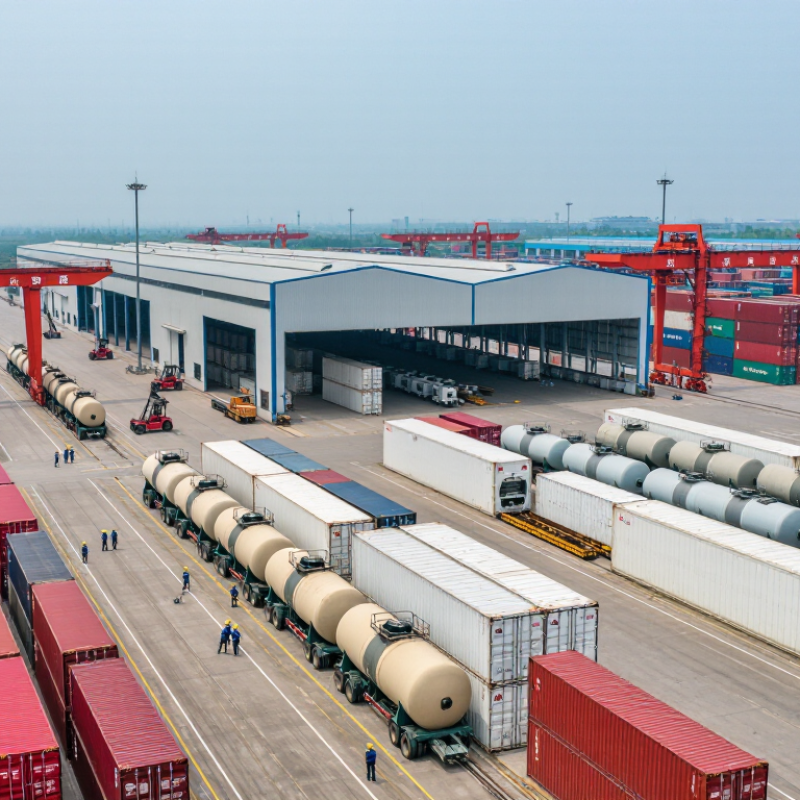
Tank containers carry approved liquids in a protected cylindrical tank inside a steel frame. Dry bulk containers serve selected powders or granular materials, but suitability depends on cargo and discharge methods. Experienced buyers should check weld quality, coating thickness, floor condition, locking components, and inspection records. Factory tests and independent pre-shipment inspections improve confidence. Still, specifications can be misunderstood. Confirm internal dimensions, payload, certification, and repair history before ordering. A low price is not always a low operating cost.
How to Choose a Reliable Chinese Sea Container Manufacturer
Choosing a reliable Chinese sea container manufacturer requires more than comparing prices. Start by checking factory experience, production capacity, and export records for your container type. Ask whether the manufacturer controls cutting, welding, painting, and final inspection in-house. Visit the facility when possible. A clean welding area, organized steel storage, and traceable production records reveal practical management quality.
Request recent inspection reports, material certificates, and proof of compliance with applicable international container standards. Confirm the steel grade, floor treatment, door hardware, coating thickness, and corrosion protection in writing. Reliable suppliers should provide drawings, loading details, warranty terms, and clear answers about replacement parts. Ask for photos from several production stages, not only polished final images. Details matter here.
Use a pre-shipment inspection by an independent company. Check dimensions, weld seams, door sealing, drainage holes, paint adhesion, and identification plates. A low quotation may hide thinner steel or weaker floor boards. It may also exclude testing and inland delivery. Read the contract carefully, including tolerance limits and remedies for defects. No checklist is flawless. Factory visits can be staged, and documents can become outdated. Recheck critical evidence through calls, samples, and third-party verification. A dependable manufacturer accepts reasonable scrutiny instead of rushing the order.
Related Posts
-
How to Buy the Right Sea Container for Global Shipping?
-
10 Best Cargo Shipping Container Options for Global Buyers
-
Why Are Sea Containers Becoming Essential for Global Shipping and Storage
-

2026 Top Trends in Sea Container Solutions and Innovations?
-
How to Use Sea Containers for Effective Shipping and Storage Solutions?
-
2026 Best 20 Foot Storage Container Options for Global Buyers?
Get a quote
Get a quote
Read More
Accept AllReject AllCustomise
Privacy Overview
| Cookie | Duration | Description |
|---|---|---|
| cookielawinfo-checkbox-advertisement | 1 year | Set by the GDPR Cookie Consent plugin, this cookie records the user consent for the cookies in the "Advertisement" category. |
| cookielawinfo-checkbox-analytics | 11 months | This cookie is set by GDPR Cookie Consent plugin. The cookie is used to store the user consent for the cookies in the category "Analytics". |
| cookielawinfo-checkbox-functional | 11 months | The cookie is set by GDPR cookie consent to record the user consent for the cookies in the category "Functional". |
| cookielawinfo-checkbox-necessary | 11 months | This cookie is set by GDPR Cookie Consent plugin. The cookies is used to store the user consent for the cookies in the category "Necessary". |
| cookielawinfo-checkbox-others | 11 months | This cookie is set by GDPR Cookie Consent plugin. The cookie is used to store the user consent for the cookies in the category "Other. |
| cookielawinfo-checkbox-performance | 11 months | This cookie is set by GDPR Cookie Consent plugin. The cookie is used to store the user consent for the cookies in the category "Performance". |
| CookieLawInfoConsent | 1 year | CookieYes sets this cookie to record the default button state of the corresponding category and the status of CCPA. It works only in coordination with the primary cookie. |
| viewed_cookie_policy | 11 months | The cookie is set by the GDPR Cookie Consent plugin and is used to store whether or not user has consented to the use of cookies. It does not store any personal data. |
| Cookie | Duration | Description |
|---|---|---|
| _cs_c | 1 year 1 month | The cookie is used by Content Square to save the user consent to be tracked. |
| Cookie | Duration | Description |
|---|---|---|
| _cs_id | 1 year 17 days 20 hours 13 minutes | This cookie is used to store the ContentSquare's user identifier ID. This is a persistent cookie and expires after 13 months. |
| _cs_s | 1 hour | This cookie is used to store the number of page's viewed by a visitor within the session for ContentSquare's solution. |
| _ga | 1 year 1 month 4 days | Google Analytics sets this cookie to calculate visitor, session and campaign data and track site usage for the site's analytics report. The cookie stores information anonymously and assigns a randomly generated number to recognise unique visitors. |
| _ga_* | 1 year 1 month 4 days | Google Analytics sets this cookie to store and count page views. |
| _gcl_au | 3 months | Google Tag Manager sets the cookie to experiment advertisement efficiency of websites using their services. |
| Cookie | Duration | Description |
|---|---|---|
| test_cookie | 15 minutes | doubleclick.net sets this cookie to determine if the user's browser supports cookies. |
| Cookie | Duration | Description |
|---|---|---|
| _cs_root-domain | session | Description is currently not available. |
| _cs_same_site | session | Description is currently not available. |