How to Buy the Right Sea Container for Global Shipping?
Choosing the right sea container can protect your cargo, control costs, and prevent delays across international routes. The cheapest unit is not always the most suitable choice. A container may look sound outside, yet hide water stains, damaged flooring, or weak door seals. Small defects can become expensive problems after weeks at sea.
Begin with the cargo, route, and handling conditions. Standard dry containers suit boxed goods, machinery, and many palletized products. Temperature-sensitive cargo may require a refrigerated unit with verified cooling performance. Measure the cargo carefully, including pallets, wrapping, and loading clearance. Check the container’s external dimensions, internal height, door opening, payload rating, and CSC safety plate. These details affect vessel acceptance and port handling.
Inspect before payment whenever possible. Look for daylight through the roof, fresh welds, heavy rust, bent corner castings, and chemical odors. The floor should feel firm, dry, and free from deep contamination. Door gaskets should close evenly. Ask for recent photographs, inspection records, manufacturing details, and the unit’s available date. Confirm charges for transport, storage, cleaning, and possible detention. Experienced freight professionals can verify carrier requirements for the planned route. However, no checklist is perfect. A rushed purchase can still overlook a costly weakness. Careful comparison, independent inspection, and clear documentation provide a more reliable foundation for choosing a sea container.
Define Your Sea Container Shipping Requirements
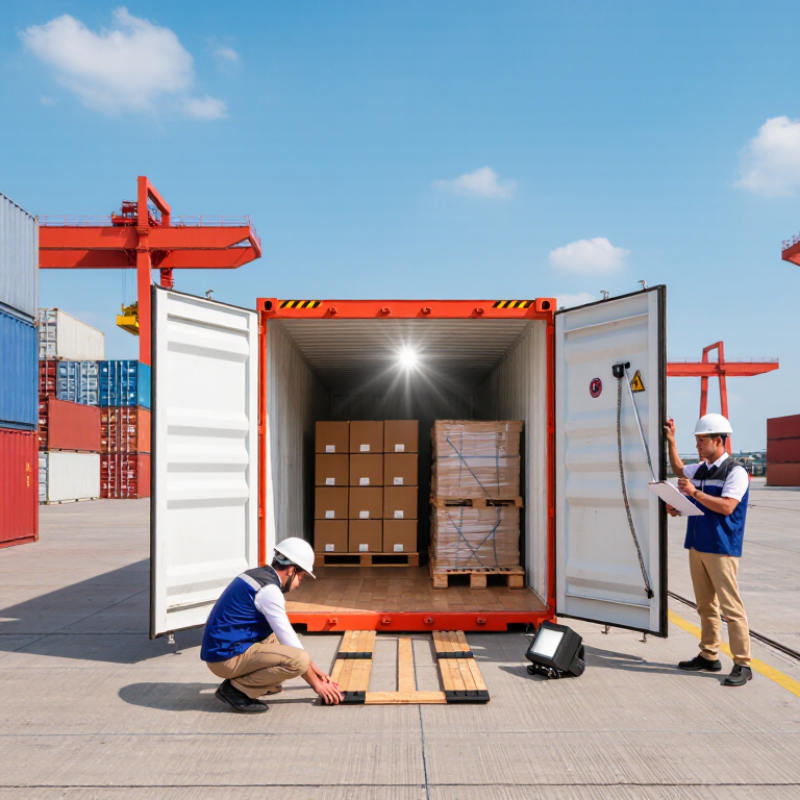
Global shipping requirements begin with the cargo, not the container’s appearance. In my experience, buyers should measure every carton, pallet, and machine before requesting a quotation. Record length, width, height, total weight, and the center of gravity. Small errors can create costly loading problems. Leave practical clearance around the cargo.
Think about the journey. Will the container travel by truck, rail, sea, or all three? A standard dry container may suit boxed goods, while sensitive cargo may need ventilation or temperature control. Oversized equipment requires different planning and accurate dimensions. Confirm the destination port, inland delivery point, seasonal weather, and expected transit time. These details influence container size, handling methods, and insurance needs.
Container condition also matters. Inspect door seals, flooring, roof panels, locking bars, and interior odors. A clean exterior does not guarantee a sound interior. Ask for recent inspection records and verify the permitted payload against your cargo weight. Check that packing materials, labels, and shipping documents meet the requirements of every transit country. Requirements can change, so confirm them with qualified freight professionals and official authorities. I have learned that a perfect calculation can still miss local handling limits. Build a small margin for uncertainty. It is rarely wasted.
Choose the Right Container Type, Size, and Condition
How to Buy the Right Sea Container for Global Shipping?
Choose the container type according to your cargo, route, and handling needs. A standard dry container suits boxed goods, machinery, and packaged materials. Perishable products may require a refrigerated unit with verified temperature controls. Oversized cargo can need an open-top or flat-rack design. Do not choose by appearance alone.
Size affects loading efficiency and transport cost. A 20-foot container works well for dense, heavy cargo because weight limits arrive quickly. A 40-foot container offers more volume for lighter goods. Measure every pallet, including height, width, and turning space. Leave room for bracing and inspection access. A full container is not always the best container.
Condition deserves a careful, physical check. Inspect the doors, locking bars, roof, corner posts, and floor from several angles. Look for daylight, strong odors, standing water, and fresh repairs. Ask for recent inspection records and confirm the identification plate. The floor should support your cargo without soft or broken sections. Small faults can become expensive delays.
In practical purchasing, sellers may describe a unit as “cargo-worthy,” but buyers should verify the details independently. Photos can hide rust beneath paint. I would also check moisture marks after rain, when possible. This step is easy to skip. It should not be. Allow time for cleaning, securing, and documenting the container before loading.
How to Buy the Right Sea Container for Global Shipping?
Choose the container type and size according to cargo volume, loading requirements, and route restrictions. The chart compares approximate internal volume for common ISO container configurations.
How to interpret the chart:
A 20-foot container is suitable for smaller or heavier shipments, while a 40-foot container offers roughly twice the floor length. A 40-foot high-cube container provides additional height and volume for bulky cargo. A refrigerated container has less usable internal volume because of its insulation and cooling equipment.
Condition checklist:
Before purchase, verify a valid CSC safety plate, sound doors and locking bars, a dry and odor-free interior, an intact floor, limited corrosion, and a watertight roof. Actual capacity and payload vary by manufacturer, tare weight, container age, and the applicable CSC rating.
Verify Container Standards, Features, and Compliance
How to Buy the Right Sea Container for Global Shipping?
A sea container must meet standards before it meets your budget.
ISO 668 defines common external dimensions, while ISO 1496 covers strength and performance testing.
Check the data plate for identification, maximum gross mass, tare weight, and inspection history. A container with fresh paint may still have weak corner posts or a damaged floor. Inspect the roof, door seals, locking bars, and welds in daylight. Small holes matter. Moisture can ruin cartons, machinery, and documents during a long voyage.
The Convention for Safe Containers requires a valid CSC safety approval for international transport. The shipper must also submit verified gross mass under SOLAS requirements. UNCTAD’s Review of Maritime Transport 2023 states that ships carry over 80% of global merchandise trade by volume. That scale makes documentation and equipment control critical.
However, standards alone do not guarantee suitability. A refrigerated unit needs tested temperature control, while a general-purpose unit may need dry flooring and clean interiors. Local inspection rules can also differ. Recheck them.
Tips:
Request recent inspection photos, not only a certificate. Measure your cargo, including pallets and bracing. Confirm the container’s internal height and door opening. Ask whether the floor has chemical treatment or unusual odors. Record serial numbers before loading. One overlooked detail can become an expensive delay.
My practical caution: never treat a checklist as proof of condition. Physical inspection remains the better test.
Compare Suppliers, Prices, Delivery Terms, and Ownership Options
How to Buy the Right Sea Container for Global Shipping?
Choosing a sea container starts with the supplier, not the lowest quote. Ask for recent inspection photos, manufacturing details, and a clear condition report. Check door seals, floor boards, corner castings, and the safety approval plate. A clean-looking unit may still have hidden corrosion underneath. I have seen buyers compare only prices and later pay for repairs before loading.
Request itemized pricing for the container, inspection, inland transport, terminal handling, and documentation. Confirm whether tax, port charges, and storage are included. Delivery terms need equal attention. Ask for the exact delivery location, estimated date, unloading method, and responsibility for delays. A quote may seem attractive until demurrage or difficult site access appears. Get every promise in writing.
Tips: Compare at least three suppliers. Verify their physical address and service history. Ask for a video inspection when distance prevents a visit. For occasional shipments, leasing can reduce upfront cost, but ownership may suit repeated routes or storage needs. Check return conditions carefully. I once overlooked a return deadline in a lease agreement; the fee was avoidable. Do not assume “cargo-worthy” means new. It usually means suitable for approved transport, with normal wear still possible.
Inspect, Purchase, and Prepare the Container for Global Shipping
How to Buy the Right Sea Container for Global Shipping?
Inspect the container in daylight, preferably after rain. Water stains often reveal leaks that a dry inspection misses. Check the corner posts, roof seams, door hinges, and locking bars for bends or fresh repairs. Tap suspicious rust patches gently. Soft metal signals deeper corrosion. The floor should feel firm, dry, and free from chemical odors. Confirm the external dimensions, internal capacity, payload rating, and valid safety approval plate. A clear inspection report with dated photographs creates useful evidence before payment.
Purchase terms deserve equal attention. Request the container’s age, previous use, repair history, and ownership documents. Verify that the identification number matches the paperwork and plate. Ask an independent surveyor to inspect older units. This costs extra, but replacing a rejected container costs more. I once underestimated door alignment; a few millimeters caused loading delays. That mistake still matters. A written condition standard prevents vague promises.
Prepare the container according to the cargo and route. Sweep the interior, remove loose debris, and ensure complete dryness before loading. Use suitable blocking, bracing, straps, and edge protection. Keep weight low and distribute it evenly across the floor. Leave no movement around fragile packages. Add moisture control when condensation threatens sensitive goods. Weigh the packed container and submit the verified gross mass through the required shipping process. Check carrier instructions, port deadlines, and destination handling requirements before closing the doors. Small details matter.