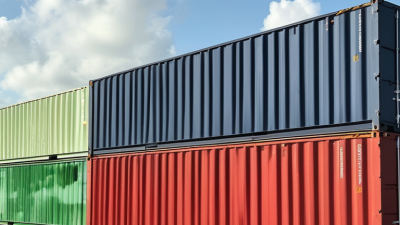
How to Choose the Right Cargo Container?

Choosing the right cargo container is a practical decision, not a simple equipment purchase. The wrong unit can cause delays, damaged products, wasted space, and unexpected handling costs. Malcolm McLean, the pioneer of modern container shipping, once said, “I saw no reason why a ship couldn’t be loaded and unloaded by truck.” His observation highlights the central purpose of containerization: efficient movement with fewer handling steps.

A suitable cargo container should match the cargo, route, equipment, and operating environment. Start with the container’s external dimensions and internal cubic capacity. Then check payload limits carefully. Heavy machinery may need a different solution than boxed consumer goods. Moisture-sensitive products may require a dry, ventilated, or insulated model. Fresh produce demands stricter temperature control. Think about the details.

Can forklifts reach the cargo safely? Will the doors open fully at the loading site? Are the floorboards strong and clean? Inspect the roof, corner posts, locking bars, gaskets, and signs of corrosion. A small door seal failure can expose valuable goods to rain and condensation. That mistake is easy to overlook.

Industry experience also shows that route conditions matter. A container used near saltwater may need closer corrosion checks. A unit traveling through several transfer points needs dependable doors and secure fittings. Certification and inspection records should be verified through reputable suppliers and qualified professionals. However, specifications alone cannot guarantee a good choice. Cargo weight may be estimated poorly, or loading habits may change. Reassess the decision before every major shipment. The best cargo container is the one that protects the goods, fits the process, and remains reliable under real working conditions.
How to Choose the Right Cargo Container?

Define the Cargo Requirements Before Choosing a Container

How to Choose the Right Cargo Container?

Define the Cargo Requirements Before Choosing a Container

A container choice should begin with the cargo, not the equipment list. Measure length, width, height, and total weight. Record the center of gravity. Note whether pallets, crates, or loose cartons will be loaded. A few centimeters can change the loading plan.

Temperature, moisture, ventilation, and handling needs also matter. Fresh products may require controlled temperatures and continuous monitoring. Machinery may need lashing points, ramps, or an open-top design. Fragile cargo needs shock protection, not merely extra space. Check door openings and internal dimensions against the actual packing plan. ISO 668 dimensions provide a baseline, but internal usable space varies by container condition.

Route data should influence the decision. UNCTAD’s Review of Maritime Transport 2024 reported about 858 million TEU of container port throughput in 2023. That scale increases handling exposure. The World Shipping Council’s 2024 report recorded 221 containers lost at sea in 2023. The percentage was tiny, but the consequence for one shipment can be serious. Secure the load with suitable blocking, bracing, and weight distribution. Verify the verified gross mass before dispatch.

In practice, a simple cargo worksheet prevents expensive guesses. Include dimensions, mass, sensitivity, loading method, route, and inspection photos. Recheck seasonal conditions. A practical preference is leaving spare capacity, though excessive empty space can create movement. That trade-off deserves review. Ask an experienced surveyor when measurements remain uncertain.

Compare Container Types, Sizes, and Construction Materials

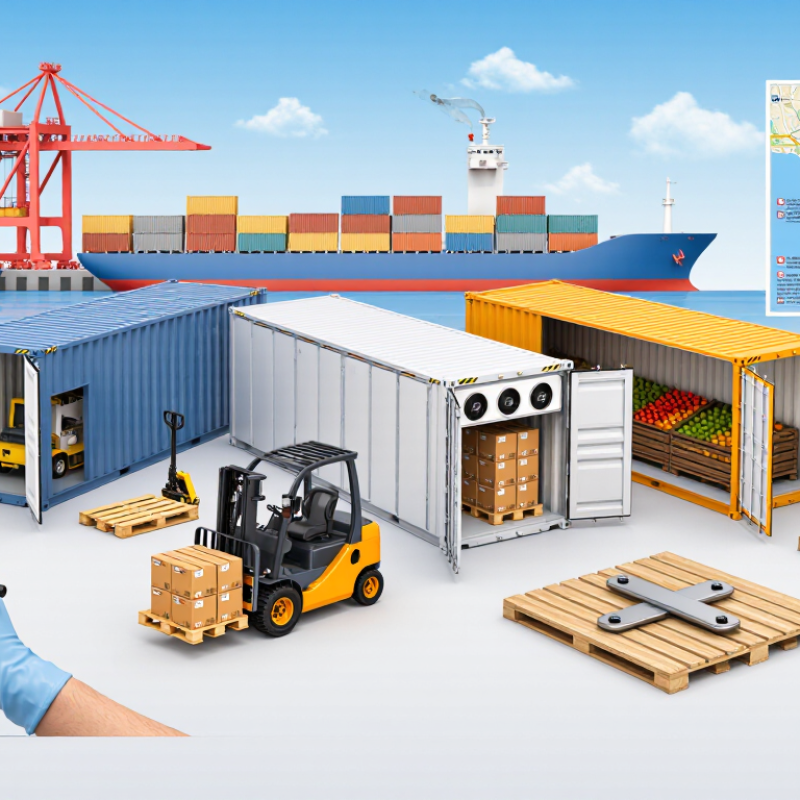
Choosing a cargo container starts with the cargo, not the price. Dry containers suit boxed, palletized goods and remain the standard option. Refrigerated containers protect temperature-sensitive products, but they require power and careful loading. Open-top units handle tall machinery, while flat racks support oversized equipment. Measure every item, including doors, skids, and protective packaging.

Size changes both capacity and handling cost. A 20-foot container usually carries heavier cargo efficiently, while a 40-foot unit offers more internal volume. High-cube models add roughly 30 centimeters of height. Check maximum gross weight under ISO 668, because a larger box does not permit unlimited weight.

UNCTAD’s Review of Maritime Transport 2023 states that ships carry over 80% of global merchandise trade by volume. Small packing errors can therefore create serious delays across long supply chains.

Construction materials also affect performance. Weathering steel provides strength and corrosion resistance, while marine plywood flooring handles repeated forklift traffic. Refrigerated containers use insulated panels and mechanical cooling systems, adding weight and maintenance needs. Drewry’s Container Census 2024 highlights the enormous scale of the global container fleet, yet standardization remains imperfect across routes and terminals.

That matters. I have seen specifications appear acceptable until a pallet could not pass the doorway. Confirm internal dimensions, payload, floor condition, inspection records, and lifting points before booking. Data helps, but physical verification is still wiser.

Evaluate Condition, Safety Standards, and Compatibility

How to Choose the Right Cargo Container?

A sound cargo container starts with a careful physical inspection. Walk around it in daylight, not under warehouse shadows. Look for deep dents, twisted corner posts, floor holes, and fresh weld marks. Open the doors several times. They should move smoothly and close without force. Check the rubber seals for cracks, because a small gap can invite rain, dust, or pests. A dry interior matters too. Musty smells may indicate hidden moisture damage.

Safety documentation deserves equal attention. Confirm the container carries a readable safety approval plate and a clear identification number. Review its inspection date, maximum gross weight, and permitted stacking information. These details help workers choose suitable lifting equipment and loading methods. Do not rely only on photographs. I once overlooked a damaged door seal during a rushed inspection. The container looked acceptable, but moisture appeared after heavy rain. That mistake was avoidable.

Compatibility depends on the cargo and the route. Measure the goods, including pallets, straps, and protective padding. Leave enough clearance for safe loading and ventilation when required. Heavy items should sit low and near the container’s center. Check whether the floor can support the planned load without exceeding its rated capacity. Temperature-sensitive cargo may require specialized equipment, while machinery needs secure tie-down points. Requirements can differ by transport mode and destination, so verify current guidance with qualified inspectors. It is easy to assume one container fits every job. Often, it does not.

Check Costs, Availability, Transport, and Legal Requirements

How to Choose the Right Cargo Container?

Choosing the right cargo container starts with the shipment, not its appearance. Check the cargo dimensions, total weight, loading method, and travel route. Measure pallets and leave space for safe handling. A standard dry container may suit boxed goods, while sensitive cargo may require approved temperature control. Small measurement errors create expensive delays.

Container costs include more than the rental price. Request a written quote covering inspection, cleaning, storage, insurance, fuel, port handling, and delivery fees. Availability also matters. Confirm the container’s location, condition, release date, and pickup deadline. Peak seasons can reduce supply quickly. A cheaper unit may cost more when it travels from a distant depot. Distance adds risk.

Transport planning needs equal attention. Check crane access, road limits, chassis compatibility, delivery timing, and local weight restrictions. Review the container’s inspection plate and maximum gross weight. Confirm the required verified gross mass before loading. Customs, port, and destination rules may require specific documents or container standards. If the cargo has special regulatory requirements, obtain professional guidance before booking. I still see teams treating legal checks as paperwork. They are operational controls. A missing document can stop a shipment. A rushed choice can damage goods, schedules, and trust.

How to Choose the Right Cargo Container? - Check Costs, Availability, Transport, and Legal Requirements

Container Type Typical External Dimensions
(Length × Width × Height)
Approximate Internal Capacity Typical Payload Limit Indicative Purchase Cost
(Used, USD)
Indicative Rental Cost
(Per Month, USD)
General Availability Transport and Cargo Suitability Key Legal and Compliance Requirements Main Selection Consideration
20-foot Standard Dry Container 6.06 m × 2.44 m × 2.59 m
20 ft × 8 ft × 8 ft 6 in
Approximately 33 m³
Internal length: about 5.90 m
Usually up to 28,000 kg, subject to the container's certified rating and road limits Approximately $1,500–$3,500 Approximately $75–$180 High
Commonly available at major ports and inland depots
Suitable for general packaged cargo, machinery, pallets, and dense heavy goods. Efficient for ocean, rail, and road transport. Must have a valid safety approval plate for international sea transport. Cargo must be secured and the gross weight must comply with the verified gross mass requirement and local road limits. Best for heavy or compact cargo when total volume is below approximately 33 m³.
40-foot Standard Dry Container 12.19 m × 2.44 m × 2.59 m
40 ft × 8 ft × 8 ft 6 in
Approximately 67 m³
Internal length: about 12.03 m
Usually up to 26,000–28,000 kg, subject to certified rating and transport regulations Approximately $2,000–$4,500 Approximately $100–$250 High
Widely used in international container networks
Suitable for high-volume dry cargo, cartons, furniture, textiles, and palletized goods. Generally more cost-efficient than two 20-foot units for light or bulky cargo. Requires a valid safety approval plate, accurate verified gross mass, compliant cargo securing, and road transport arrangements that meet axle-weight and overall-length rules. Best when cargo is voluminous and relatively light, with enough goods to use the available floor space.
40-foot High Cube Dry Container 12.19 m × 2.44 m × 2.90 m
40 ft × 8 ft × 9 ft 6 in
Approximately 76 m³
About 9 m³ more than a standard 40-foot container
Usually up to 26,000–28,000 kg, subject to certified rating and local regulations Approximately $2,500–$5,500 Approximately $120–$300 High
Common on major trade routes
Suitable for lightweight, tall, or bulky cargo. The additional height increases usable volume but may affect clearance on roads, rail routes, and storage sites. Requires a valid safety approval plate and verified gross mass. Confirm bridge, tunnel, terminal, warehouse-door, and vehicle-height clearances before booking transport. Best for maximizing cubic capacity when the cargo does not reach the payload limit.
20-foot Refrigerated Container Approximately 6.06 m × 2.44 m × 2.59 m
External dimensions vary slightly by model
Approximately 28–30 m³ Commonly up to 27,000 kg, including the container and refrigeration equipment, subject to rating Approximately $8,000–$18,000 Approximately $500–$1,500, excluding electricity and monitoring Medium
Availability depends on equipment type, season, and location
Designed for temperature-sensitive food, pharmaceuticals, chemicals, and other controlled-temperature cargo. Requires continuous electrical power at terminals, on vessels, and during storage. Temperature-controlled food and pharmaceutical cargo may require sanitary, health, traceability, or good-distribution-practice documentation. Dangerous goods require additional classification, packaging, labels, and transport declarations. Choose only when temperature control is essential. Confirm the required temperature range, pre-trip inspection, power supply, alarm monitoring, and backup procedures.
20-foot Open-Top Container Approximately 6.06 m × 2.44 m × 2.59 m
Flexible roof opening
Approximately 32–33 m³ Usually up to 28,000 kg, subject to certified rating and lifting limitations Approximately $2,500–$6,000 Approximately $150–$400 Medium
Less common than standard dry units
Suitable for tall, heavy, or awkward cargo loaded by crane or from above, including scrap metal, stone, timber, and industrial equipment. Oversized cargo may require special permits, an approved route survey, escort vehicles, and advance approval from the carrier or terminal. Cargo must be securely lashed and protected from weather. Best when the cargo cannot be loaded through standard rear doors or when top loading is necessary.
20-foot Flat Rack Container Approximately 6.06 m × 2.44 m × 0.60 m platform height
Ends may be fixed or collapsible
Platform-based; no enclosed internal volume Often up to 30,000 kg or more, depending on the specific unit and load distribution Approximately $3,000–$8,000 Approximately $200–$600 Low to Medium
Usually requires advance reservation
Suitable for vehicles, industrial machinery, pipes, construction equipment, and cargo that exceeds standard container dimensions. Out-of-gauge cargo normally requires carrier approval, a detailed cargo plan, certified lashing, possible special permits, and route checks for height, width, length, and axle loads. Best for oversized or heavy cargo that cannot be enclosed in a standard container.
20-foot Tank Container Approximately 6.06 m × 2.44 m × 2.59 m
Tank dimensions vary according to design
Common liquid capacity: approximately 14,000–26,000 litres Determined by the tank's design, liquid density, maximum gross mass, and legal axle limits Approximately $15,000–$35,000 Approximately $600–$1,800 Medium
Availability depends on tank specification and cargo classification
Used for bulk liquids, gases, powders, and hazardous substances when the tank specification matches the cargo and transport mode. Requires a current inspection certificate, pressure and valve documentation where applicable, dangerous-goods classification, approved markings, safety data, emergency information, and trained handling personnel. Choose based on chemical compatibility, pressure rating, temperature requirements, cleaning standard, and the laws of every country on the route.

Cost figures are indicative international market ranges for planning purposes only. Actual prices vary by country, condition, age, certification, depot location, season, transport distance, taxes, insurance, handling charges, and cargo classification. Confirm the container's safety approval plate, maximum gross mass, inspection status, and applicable local transport and customs rules before purchase or shipment.

Select the Container That Best Fits Your Operation

How to Choose the Right Cargo Container?

Select the Container That Best Fits Your Operation

A suitable cargo container should match your daily work, not just your available budget. Measure the cargo carefully, including height, width, packaging, and loading space. Leave room for safe handling. Tight packing can slow loading and damage goods.

Think about the working environment. Standard containers suit many dry shipments, while ventilated options help reduce moisture buildup. Temperature-sensitive cargo may need controlled conditions and dependable monitoring. Check door placement, floor strength, internal height, and maximum payload before booking. Your route matters too. A container that works at a warehouse may be awkward at a small delivery site.

Tips: Record your largest regular load. Inspect the container floor, seals, doors, and locking points. Confirm handling equipment at both ends. Ask for technical specifications when measurements seem unclear. I once focused too much on capacity and overlooked door clearance. The container arrived, but the forklift could not approach properly. That mistake caused avoidable delays. Now, I compare the cargo profile with the full loading process, not only the internal volume. Keep photos and inspection notes for repeat shipments. Small details matter.

How to Choose the Right Cargo Container?

Select the container that best fits your operation by comparing usable internal volume. Larger containers suit high-volume, non-perishable cargo, while refrigerated containers protect temperature-sensitive goods but provide less usable space because of insulation and cooling equipment.

Typical internal volumes are approximate ISO container values. Actual dimensions and payload limits may vary by container design, operating requirements, and local regulations.