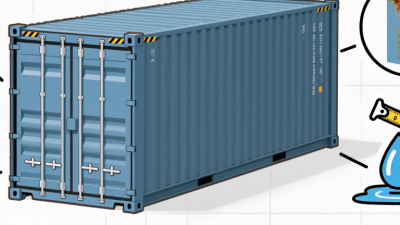
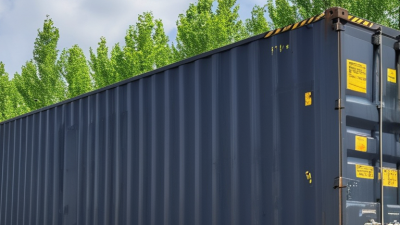
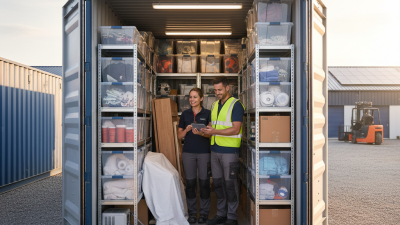
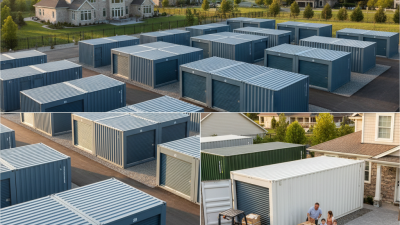
How to Choose a 40ft Shipping Container?

A 40ft shipping container can look like a simple steel box, but choosing the right one takes more than checking its length. The UNCTAD Review of Maritime Transport 2024 reported that global container port throughput reached about 858.9 million TEU in 2023, up 2.4% from the previous year. That scale matters. It reflects how widely containers support storage and transport, while also reminding buyers that condition, access, and intended use vary considerably.

Start with the job the container must do. Measure the available site, including door clearance, ground access, and space for delivery equipment. Then compare external and internal dimensions, door opening, payload, and tare weight against the supplier’s specification sheet. A standard 40ft unit and a 40ft high-cube unit do not offer identical height or capacity. Check the data plate, inspect door seals and flooring, and look for visible corrosion, dents, or repairs. Ask for clear photographs and written confirmation of the unit’s condition. Small details count.

The right choice depends on what you plan to store, how often you need access, and whether the unit must move again. I would not pretend one checklist fits every buyer. Supplier descriptions can be brief, and condition grades are not always explained consistently. Confirm the exact model, dimensions, delivery terms, and any local placement requirements before paying. A careful comparison is less exciting than a quick bargain, but it can prevent an expensive mismatch.
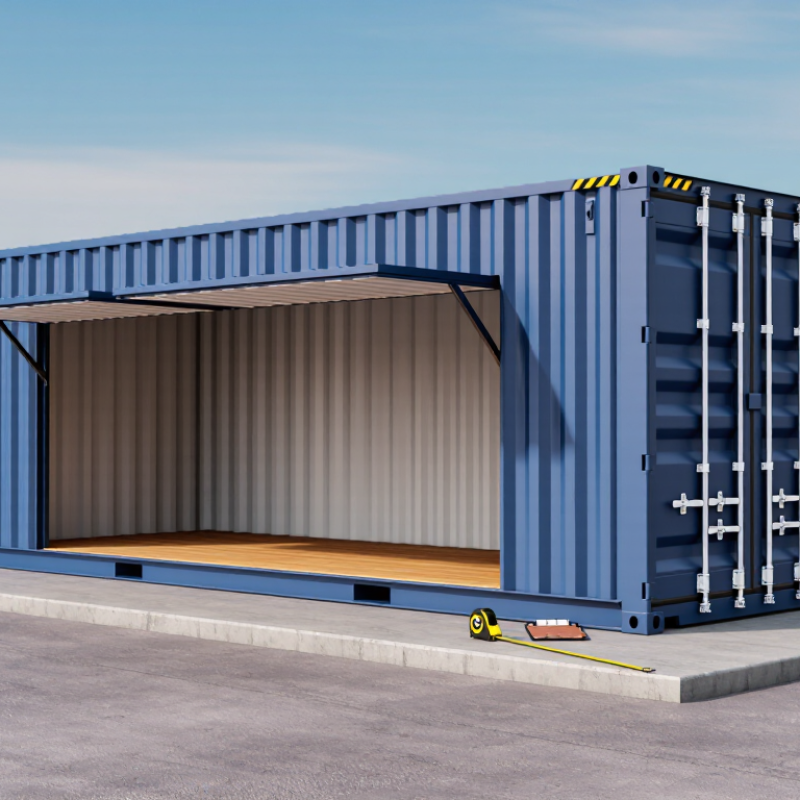
How to Choose a 40ft Shipping Container?

Define the Container’s Intended Use and Required Capacity

Before choosing a 40-foot container, define what it will carry and how it will be loaded. A household move needs different space from palletized stock or long equipment. GDV’s Container Handbook lists roughly 67.7 m³ of internal volume for a standard 40-foot dry container and about 76.3 m³ for a high-cube model. High cube adds height, not floor area. Check the actual unit: interior dimensions vary, and wall ribs, door openings, and packaging reduce usable space.

Volume is only half the decision. Weigh the full load, including pallets, crates, and packing materials, then compare it with the container’s rated payload and gross weight on its identification plate. ISO 668:2020 defines container size and rating classifications, but it does not guarantee that every unit has identical usable capacity. A load may fit by volume and still exceed its weight limit. Measure the largest item and the doorway, too. A bulky machine can be difficult to load even when the cubic metres look sufficient. Small detail, big difference. Keep a little spare room; tightly packed estimates often miss awkward gaps. I would recheck the figures against the specific container before booking.

How to Choose a 40ft Shipping Container: Define Intended Use and Required Capacity

Compare the approximate internal volume of common container sizes to see whether a 40ft standard or high-cube container better suits your cargo.

Approximate internal volumes are 1,172 cu ft for a 20ft standard container, 2,390 cu ft for a 40ft standard, and 2,694 cu ft for a 40ft high-cube container. Actual usable capacity varies by model. Check cargo dimensions, door clearance, and payload limits as well as volume—dense cargo may reach the weight limit before filling the container.

Compare Standard, High-Cube, and Specialized 40-Foot Models

A standard 40-foot container suits general cargo that fits through its doors and stacks efficiently. A high-cube model adds about one foot of exterior height, giving taller items more usable space. Exact internal dimensions vary, so check the unit’s specification sheet before planning a load. Measure twice. A pallet that fits on paper may still catch on a door frame or leave too little room for safe handling.

Specialized models solve different problems. A refrigerated container maintains a controlled temperature, but its cooling equipment takes up some interior space and needs a reliable power supply. An open-top unit allows loading from above, which can help with tall machinery; however, its removable cover needs careful inspection. Flat racks have no full side walls, making them useful for oversized cargo, but they offer less protection from weather and handling damage. Not every special feature earns its cost.

Start with the cargo, not the container label. Compare dimensions, payload limits, door openings, ventilation, and condition reports. I have seen buyers focus on cubic capacity and overlook floor condition or door clearance. That is an easy mistake to make. Also consider how the container will be loaded and unloaded at its destination. A high-cube unit may provide welcome headroom, yet create clearance issues under a low roof. Check the route and site measurements before choosing.

Check Dimensions, Door Access, and Required Container Condition

A 40ft container must fit both your cargo and the site handling it. ISO 668:2020 gives standard external dimensions of 12.192 metres long, 2.438 metres wide, and 2.591 metres high for a standard-height unit. High-cube units are taller. These are external measurements; usable interior space is smaller and can vary with the container’s construction. Check the supplier’s specification sheet, then measure your largest item, pallet, or loading equipment. A few centimetres can matter.

Door access deserves its own check. Ask for the clear opening width and height, not just the container’s overall dimensions. Confirm that the approach is level and that doors can swing fully open where the unit will sit. Condition matters, too: request dated photos or an inspection record covering the floor, roof, corner posts, door seals, and locking bars. Terms such as “wind and watertight” can be applied differently by sellers, so get the stated condition in writing.

Tips: Measure the narrowest doorway and your tallest load. Check the container in person if possible. Small details are easy to miss, even with a specification sheet.

Assess Site Access, Delivery, and Placement Requirements

How to Choose a 40ft Shipping Container?

Assess Site Access, Delivery, and Placement Requirements

Before ordering a 40ft shipping container, check the entire delivery route, not only the intended spot. A delivery truck and trailer need room to turn, reverse, and align. Measure gate openings and narrow lanes. Look for overhead branches, cables, roof edges, and soft shoulders that could limit access. Small obstacles matter. Ask the delivery provider for the vehicle dimensions, unloading method, and clearance requirements; equipment can vary.

Check the placement area for level, firm ground that can support the container’s weight. Mud, loose gravel, or a sloped driveway may shift under heavy loads. Plan suitable supports, often positioned beneath the container’s corner castings, and confirm the setup with a qualified provider if the ground is uncertain. Keep doors clear of fences and walls so they can open fully. Leave enough working room for the intended use, too.

Measure twice. It still happens that a site looks spacious until a truck arrives. If access is tight, send clear photos and measurements before booking, and ask whether a different unloading approach is practical. Confirm the container’s exact dimensions rather than relying on a general 40ft label. Also check for drainage paths and future vehicle access; placement can seem fine on delivery day, then become awkward after rain or landscaping.

How to Choose a 40ft Shipping Container? - Assess Site Access, Delivery, and Placement Requirements

Assessment area Typical 40ft container or delivery consideration What to check before ordering Practical action
Container length and width A standard 40ft container is approximately 40 ft (12.19 m) long and 8 ft (2.44 m) wide externally. Actual dimensions can vary slightly by unit and specification. Measure the proposed footprint and confirm the exact external dimensions of the container being supplied. Allow additional room for positioning, access around the unit, and any local setback requirements.
Container height A standard-height container is approximately 8 ft 6 in (2.59 m) high. A high-cube container is approximately 9 ft 6 in (2.90 m) high. Check overhead restrictions along the entire delivery route, including gates, branches, cables, roof overhangs, and bridges. Confirm the loaded delivery vehicle's overall height with the carrier; it will be higher than the container alone.
Gate and route width The container is about 8 ft wide, but the delivery vehicle and equipment require more width to pass and manoeuvre. Measure the narrowest gate, driveway, lane, and turning point. Check for walls, parked vehicles, posts, and soft shoulders. Send route photos and measurements to the delivery provider and ask them to confirm access suitability before dispatch.
Turning space A 40ft delivery vehicle needs substantial room to turn and align. The space required depends on the vehicle, trailer, approach, and site layout. Check bends, junctions, cul-de-sacs, slopes, and whether the vehicle can approach and leave without reversing into unsafe areas. Ask the carrier to review the full approach route, not only the final driveway or placement area.
Overhead clearance Delivery equipment may raise or tilt the container during unloading, so clearance needs can exceed the container's transport height. Identify overhead power lines, tree limbs, building projections, and other obstructions near the unloading position. Confirm the unloading method and required clearance with the carrier. Keep people clear of overhead hazards during delivery.
Unloading method Depending on the vehicle and service, a container may be slid off a tilt-bed vehicle or lifted using suitable lifting equipment. Availability varies. Confirm whether the service includes placement, what equipment will be used, and whether the site allows that method. Do not assume the container can be lifted over a fence or building; arrange specialist lifting only after site and load assessment.
Clear placement area The container needs a clear footprint of roughly 40 ft by 8 ft, plus working space for doors and delivery operations. Check for buildings, fences, vehicles, utility equipment, drainage features, and any required access routes. Mark the intended position and keep the area free of people, vehicles, and stored materials on delivery day.
Ground and support The filled container can be very heavy. Ground must be firm, stable, and capable of supporting the load without excessive settlement. Assess soil, paving, slopes, drainage, buried services, and whether the ground may soften in wet weather. Prepare level, stable supports beneath the container's corner castings. Obtain site-specific advice if ground capacity is uncertain.
Level placement A reasonably level base helps the doors operate correctly and reduces twisting of the container structure. Check the proposed pad for unevenness and consider how water will drain around the container. Have suitable supports ready before delivery; avoid unstable or improvised stacking of blocks.
Door access and clearance The doors are at one end and need room to swing open, with additional space for people and cargo handling. Confirm which end will face the access route and check for fences, walls, parked vehicles, and other obstructions. Position the container so the doors can open fully and the intended loading or unloading activity can be carried out safely.
Permits and site rules Placement requirements depend on location, land use, duration, and local planning, building, or access rules. Check applicable local requirements, property restrictions, utility easements, and any site-specific safety rules. Resolve approvals and access permissions before booking delivery; requirements vary by jurisdiction.
Final delivery confirmation Access, vehicle type, unloading method, weather, and ground conditions can affect whether delivery can proceed as planned. Share accurate measurements, current site photos, the placement location, and any known restrictions with the carrier. Reconfirm the delivery date, vehicle access, unloading arrangement, and site readiness shortly before dispatch.

Note: Dimensions and access requirements are typical guidance, not a guarantee for every container or delivery vehicle. Confirm the exact container specification, delivery equipment, and site requirements with the supplier and carrier.

Compare Supplier Quotes, Certifications, and Warranty Terms

How to Choose a 40ft Shipping Container?

Compare Supplier Quotes, Certifications, and Warranty Terms

A 40ft container can look similar in a quote but differ in condition, delivery, and included repairs. Compare the same specifications: new or used, container grade, door operation, floor condition, and whether delivery and unloading are included. Ask for recent photos of the actual unit, especially the lower corners, roof, and door seals. A low price may exclude transport or describe a condition that does not suit your needs. Small details matter.

Tips: Request an itemized quote. Check that the container’s identification plate and inspection documents match the unit offered. If a certification is important for your intended use, ask what it covers and who issued it. Get it in writing.

Read warranty terms alongside the price. Check the coverage period, exclusions, claim process, and who pays for inspection or transport if a defect appears. Ask whether leaks, door faults, or floor damage are covered, and whether coverage begins at purchase or delivery. Terms can sound reassuring until exclusions are clear. I would not assume that “warranty included” means every repair is covered; compare the written wording and keep the final quote and condition photos.