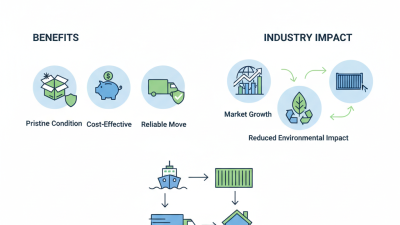
Top 10 Benefits of High Cube Shipping Containers for Importers?
In the world of logistics, importers constantly seek solutions that enhance efficiency and reduce costs. The high cube shipping container has emerged as a remarkable option in this arena. With a height exceeding the standard containers, these containers maximize space, allowing for more goods per shipment.
Importers can benefit greatly from using high cube shipping containers. They offer increased volume, making it possible to transport larger items or more products in a single trip. This could translate into significant savings on transportation costs. High cube containers also provide better handling options due to their design, which can ease loading and unloading processes.
However, not all shipments may benefit from this container type. Factors such as weight limitations and specific cargo requirements must be considered. Importers should assess their needs carefully before making decisions. The versatility of high cube shipping containers makes them an attractive choice, but they may not suit every situation. Balancing benefits with practical considerations is essential for successful shipping operations.
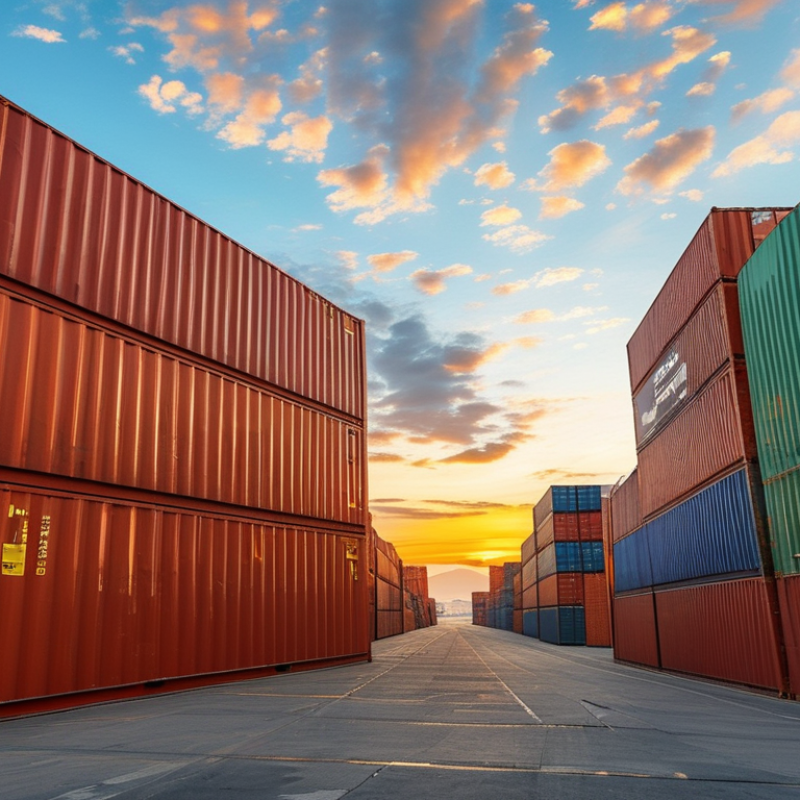
Benefits of Increased Cargo Capacity with High Cube Shipping Containers
High cube shipping containers offer a significant advantage when it comes to cargo capacity. They are one foot taller than standard containers, allowing for greater vertical space. This extra room is particularly useful for importers looking to maximize shipment volume. More cargo means fewer trips, which can lead to cost savings overall. Importers can transport a greater quantity of goods per shipment, ultimately improving efficiency.
Additionally, the increased height can accommodate bulkier items. This flexibility allows for better utilization of storage space. Importers can stack items higher, which optimizes the container's interior. Some items may not fit in standard containers but can easily fit in high cubes. This reduces the need for specialized packaging or multiple shipments.
However, while high cubes seem advantageous, they may present loading and unloading challenges. Some ports might have restrictions on container height. Before investing in high cube containers, it’s essential to consider logistics and accessibility. Analyzing potential limitations can prevent problems down the line. Ultimately, understanding these aspects can enhance the shipping experience for importers.
Top 10 Benefits of High Cube Shipping Containers for Importers
| Benefit | Description | Impact on Importers |
|---|---|---|
| Increased Cargo Capacity | High cube containers offer an extra foot in height, allowing for more cargo. | More goods can be shipped per container, reducing overall shipping costs. |
| Cost Efficiency | More cargo in one container means fewer containers needed. | Lower transportation and handling fees per unit shipped. |
| Versatile Usage | Can be used for various types of goods, including bulky items. | Flexibility in shipping a range of products. |
| Improved Loading Efficiency | Higher walls facilitate better stacking and storage of goods. | Streamlined loading processes can save time and labor costs. |
| Enhanced Protection | Robust structure providing greater protection for cargo. | Reduces damage risk, leading to fewer loss claims. |
| Compatibility with Different Transport Modes | Standard size allows for seamless transfer between land, sea, and air transport. | Easier logistics management for global trade. |
| Environmentally Friendly | Maximizing space reduces the carbon footprint of shipping. | Improved sustainability in shipping practices. |
| Long-Term Durability | Designed to last through multiple shipments and long voyages. | Cost savings over time due to fewer repairs and replacements. |
| Increased Availability | Many shipping companies use high cube containers, ensuring supply. | Easier to find containers when shipping needs arise. |
| Greater Security Features | Usually equipped with better locking mechanisms. | Increased cargo security may lower insurance premiums. |
Cost Efficiency in High Cube Container Shipping Compared to Standard Models
High cube shipping containers provide significant cost advantages for importers. Their added height accommodates larger volumes of goods without increasing the shipping rate. This is especially beneficial for transporting lightweight items that occupy substantial space. By optimizing payload capacity, businesses can maximize their shipping efficiency. This can potentially reduce the per-unit cost of the products being imported.
Another aspect to consider is the versatility of high cube containers. They can store diverse products, from textiles to electronics. Importers can ship a wider range of materials in one single container. This leads to fewer shipments overall, which can lower logistical expenses. However, not all goods are best suited for high cube transportation. Some items may require specific handling that standard containers can fulfill more effectively. Balancing the choice between container types is vital for minimizing costs and maximizing efficiency. Ultimately, high cube containers may require thoughtful consideration to ensure they align with specific shipping needs.
Enhanced Protection for Goods during Transit in High Cube Containers
High Cube shipping containers are increasingly favored by importers for their size and versatility. One significant advantage they offer is enhanced protection for goods during transit. The additional vertical space allows these containers to accommodate taller shipments, reducing the need for disassembly. This feature minimizes handling and lowers the risk of damage. When large items fit properly, they are less likely to shift during transport, which can be a major concern.
Moreover, high cube containers enable better packing strategies. Importers can maximize space with thoughtful stacking. This not only protects the goods but also optimizes transportation costs. Enhanced insulation is another benefit, which helps safeguard temperature-sensitive items. This feature is crucial for businesses dealing with perishable goods or sensitive materials. However, improper loading can negate these benefits, leading to potential losses.
Despite the advantages, it's important to reflect on some challenges. Not all goods require the extra height; occasionally, the standard container suffices. Importers should evaluate their specific needs to avoid unnecessary costs. Sometimes, high cube containers may contribute to overloading, especially if they are not properly packed. The right balance between size and weight ensures that contents remain safe throughout the journey.
Flexibility in Logistics and Supply Chain Management with High Cube Designs
High cube shipping containers offer unique flexibility in logistics and supply chain management. Their extra height provides more space for goods, which can lead to reduced shipping costs. Importers can stack more items or utilize the vertical space efficiently. This capability supports a range of industries, from electronics to textiles, helping businesses thrive in competitive markets.
Using high cube containers allows for easier loading and unloading. Workers can maneuver bulky items without difficulty. This efficiency often leads to shorter turnaround times at ports, enhancing overall supply chain performance. High cube designs also cater to seasonal fluctuations. Importers can adjust inventory quickly, meeting demand spikes without overextending resources.
However, not all importers may find these containers suitable. The increased size can pose challenges in smaller ports or urban areas. Additionally, transporting empty high cube containers may lead to inefficiencies. Importers must weigh these factors against the benefits. Each decision should align with specific operational needs and customer requirements.
Top 10 Benefits of High Cube Shipping Containers for Importers
Sustainability Advantages of Using High Cube Containers for Importers
High cube shipping containers offer significant sustainability advantages for importers. Their increased height allows for more efficient storage, reducing the number of trips needed for transportation. This means fewer emissions and a lower carbon footprint. Moreover, these containers are often made from durable materials, allowing them to last longer than traditional containers. This longevity reduces the need for replacements and minimizes waste.
Utilizing high cube containers also supports better load optimization. Importers can pack more goods into each shipment, thereby reducing resource consumption per unit. This approach helps in conserving fuel and minimizes the overall environmental impact. However, it’s crucial to consider the logistics involved. Not all transportation networks can accommodate the taller containers, which may lead to operational headaches. Adapting to these challenges requires thoughtful planning and collaboration among stakeholders. The benefits are clear, yet the path forward demands careful navigation and ongoing reflection.
Related Posts
-
What is One Trip Shipping Containers and Why They are the Best Choice for Your Move
-

Why Choose Shipping Containers for Your Next Project or Move
-

2026 Best Shipping Container Uses for Home and Business Innovations?
-
What is a High Cube Shipping Container and Its Benefits?
-
2026 How to Choose the Right Cargo Shipping Container?
-

Top China Best Cargo Shipping Container Solutions for Buyers?
Get a quote
Get a quote
Read More
Accept AllReject AllCustomise
Privacy Overview
| Cookie | Duration | Description |
|---|---|---|
| cookielawinfo-checkbox-advertisement | 1 year | Set by the GDPR Cookie Consent plugin, this cookie records the user consent for the cookies in the "Advertisement" category. |
| cookielawinfo-checkbox-analytics | 11 months | This cookie is set by GDPR Cookie Consent plugin. The cookie is used to store the user consent for the cookies in the category "Analytics". |
| cookielawinfo-checkbox-functional | 11 months | The cookie is set by GDPR cookie consent to record the user consent for the cookies in the category "Functional". |
| cookielawinfo-checkbox-necessary | 11 months | This cookie is set by GDPR Cookie Consent plugin. The cookies is used to store the user consent for the cookies in the category "Necessary". |
| cookielawinfo-checkbox-others | 11 months | This cookie is set by GDPR Cookie Consent plugin. The cookie is used to store the user consent for the cookies in the category "Other. |
| cookielawinfo-checkbox-performance | 11 months | This cookie is set by GDPR Cookie Consent plugin. The cookie is used to store the user consent for the cookies in the category "Performance". |
| CookieLawInfoConsent | 1 year | CookieYes sets this cookie to record the default button state of the corresponding category and the status of CCPA. It works only in coordination with the primary cookie. |
| viewed_cookie_policy | 11 months | The cookie is set by the GDPR Cookie Consent plugin and is used to store whether or not user has consented to the use of cookies. It does not store any personal data. |
| Cookie | Duration | Description |
|---|---|---|
| _cs_c | 1 year 1 month | The cookie is used by Content Square to save the user consent to be tracked. |
| Cookie | Duration | Description |
|---|---|---|
| _cs_id | 1 year 17 days 20 hours 13 minutes | This cookie is used to store the ContentSquare's user identifier ID. This is a persistent cookie and expires after 13 months. |
| _cs_s | 1 hour | This cookie is used to store the number of page's viewed by a visitor within the session for ContentSquare's solution. |
| _ga | 1 year 1 month 4 days | Google Analytics sets this cookie to calculate visitor, session and campaign data and track site usage for the site's analytics report. The cookie stores information anonymously and assigns a randomly generated number to recognise unique visitors. |
| _ga_* | 1 year 1 month 4 days | Google Analytics sets this cookie to store and count page views. |
| _gcl_au | 3 months | Google Tag Manager sets the cookie to experiment advertisement efficiency of websites using their services. |
| Cookie | Duration | Description |
|---|---|---|
| test_cookie | 15 minutes | doubleclick.net sets this cookie to determine if the user's browser supports cookies. |
| Cookie | Duration | Description |
|---|---|---|
| _cs_root-domain | session | Description is currently not available. |
| _cs_same_site | session | Description is currently not available. |