10 Best Refrigerated Container Suppliers for Global Buyers?
Choosing a reliable refrigerated container supplier can influence cargo quality, delivery costs, and business continuity. Global buyers need more than attractive prices. They must examine manufacturing experience, insulation performance, temperature-control systems, after-sales support, and export readiness. A container may look impressive in a catalog, yet perform poorly during a long ocean voyage.
This guide introduces ten leading refrigerated container suppliers for international buyers. Each company is considered through practical criteria, including product range, energy efficiency, temperature stability, customization options, certification practices, and service coverage. We also consider details that are easy to overlook, such as door-seal durability, remote monitoring, spare-part access, and technician response times. Small failures can become expensive delays.
Real-world conditions matter.
A supplier serving frozen seafood may not suit a pharmaceutical logistics project. Likewise, a buyer in Southeast Asia may require different support from one operating in Northern Europe. Regional maintenance networks, voltage compatibility, port experience, and documentation quality deserve careful attention. These factors often reveal a supplier’s true reliability.
The list is not a permanent verdict. Market conditions, technology, and supplier performance can change. Buyers should verify current specifications, warranties, testing records, and delivery terms before signing an agreement. Independent inspections may also be worthwhile, especially for large orders. Our evaluation aims to provide a practical starting point, combining industry knowledge with buyer-focused judgment. Some rankings remain debatable, because no single supplier fits every route, cargo type, or budget. That limitation should be acknowledged.
What Refrigerated Containers Are and How They Work
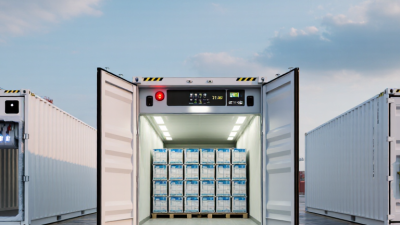
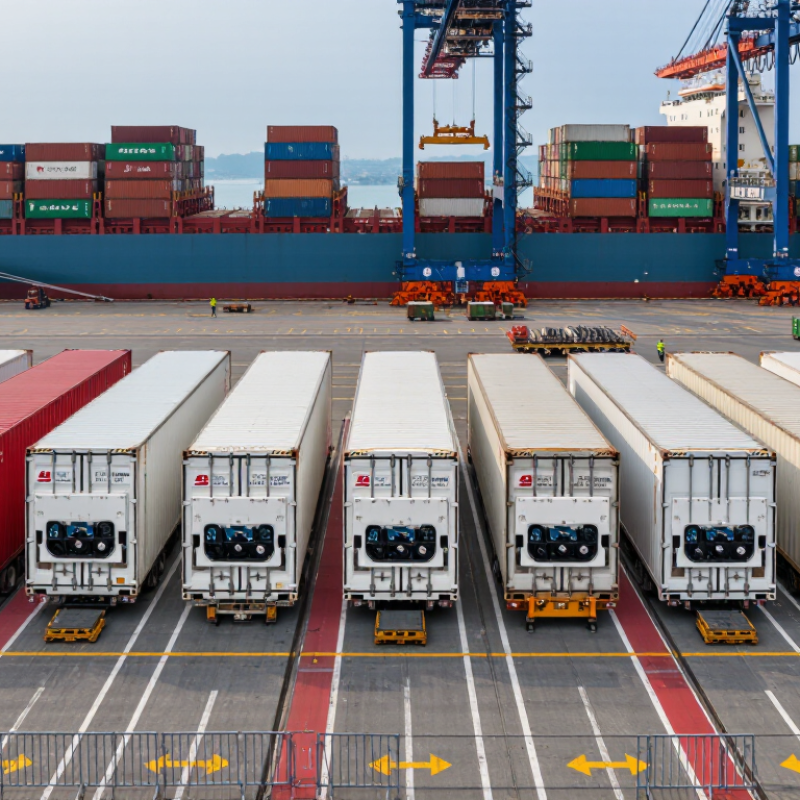
A refrigerated container, often called a reefer, is an insulated steel unit for temperature-sensitive cargo. It supports ocean, rail, and road transport. Unlike a simple storage box, it actively removes heat. A refrigeration system circulates cold air through floor channels and around the load. Warm air returns to the unit, passes over the evaporator coil, and loses heat. Fans then distribute the cooled air evenly. Cold cargo needs more than a cold box.
Before loading, experienced operators inspect door seals, drains, sensors, and power cables. They pre-cool the container when the cargo requires it. However, pre-cooling should not hide warm produce or poor loading practices. The set point controls target temperature. Airflow, ventilation, and humidity settings also affect cargo conditions. A data logger records changes, while remote monitoring can flag alarms during transit. Still, readings may not represent every carton. Blocked vents or uneven stacking can create warm pockets.
Operators should leave air channels and confirm the cargo’s required temperature before dispatch. Frozen goods need stable low temperatures. Fresh goods may need ventilation to manage respiration. Power interruptions remain a practical concern. A reefer can hold temperature for limited periods, not indefinitely, without electricity. Field inspections often reveal excessive trust in the machine. That assumption is risky. Supplier checks should include maintenance records, sensor calibration, emergency support, and documented performance tests.
How to Assess Refrigerated Container Suppliers Worldwide
Choosing among the ten best refrigerated container suppliers requires more than comparing quoted prices. Ask for verifiable records of delivered units, service response times, and temperature-control performance. A serious supplier should explain insulation thickness, power requirements, temperature range, and inspection procedures in plain language. Request dated photographs, test reports, and serial-level maintenance records. Details matter.
Assess technical competence through a sample specification sheet. It should identify cooling capacity, airflow design, data-logging options, alarm functions, and expected energy use. Ask how technicians handle a failed controller at a remote port. The answer should include spare-part access, escalation contacts, and realistic repair windows. “Available worldwide” is not enough. Check local support agreements and time-zone coverage. Confirm whether staff can provide installation guidance and operating training.
Reliability also appears in documents. Review warranty exclusions, delivery tolerances, insurance responsibilities, and acceptance testing before signing. Independent inspection can reveal damaged door seals, uneven floors, or corrosion beneath fresh paint. I would not treat a polished website as authority. A supplier may have excellent equipment but weak after-sales coordination. That weakness is easy to miss. Compare at least three references with similar routes, climates, and cargo requirements. Contact them directly, and ask what went wrong, not only what worked. Leave room for doubt. Supplier claims should survive practical questions, not merely attractive brochures.
Profiles of Ten Notable Refrigerated Container Suppliers
The ten supplier profiles reveal different strengths for global refrigerated-container buyers. Profile 1 focuses on standard 20-foot and 40-foot units. Profile 2 offers high-cube models for bulky cargo. Profile 3 specializes in leasing and short-term fleet access. Profile 4 provides remote temperature monitoring. Profile 5 supports emergency repairs near major ports. Profile 6 builds units for pharmaceutical temperature ranges. Profile 7 serves smaller exporters with flexible quantities. Profile 8 emphasizes energy-efficient refrigeration systems. Profile 9 supplies inspected second-hand containers. Profile 10 combines sales, transport, installation, and after-sales service.
Scale matters.
UNCTAD’s Review of Maritime Transport 2024 states that shipping carries over 80% of global merchandise trade by volume. A delayed reefer can therefore disrupt several linked operations. Drewry’s Reefer Shipping Annual Review and Forecast 2024 also describes continued growth in temperature-controlled cargo demand. Yet supplier claims need testing. I have seen attractive specifications hide weak repair coverage, unclear warranty terms, or limited spare-parts access. That part is often overlooked.
Tips:
Ask each supplier for recent inspection records, cooling-performance data, energy consumption, and service-response times. Confirm the container’s temperature range under your actual ambient conditions. Check certification, data-log security, and port delivery responsibilities before signing. A low purchase price may become expensive after one compressor failure. Suppliers should also explain calibration intervals and provide written procedures for handling temperature deviations.
Comparing Equipment, Pricing, Service, and Compliance
Ten refrigerated-container suppliers may look similar on a spreadsheet. The real test is delivered performance, not the lowest quote. Compare reefer type, internal volume, temperature range, power use, telemetry, insulation, and spare-part access. Drewry’s 2024 Reefer Shipping Annual Review reported continued growth in perishable cargo demand. That makes dependable equipment more valuable than a temporary discount. Ask for recent PTI records, repair histories, and measured pull-down times.
Pricing should include ocean freight, inland handling, electricity, deposits, inspections, and failure-response costs. Request a landed-cost example for one route, one season, and one temperature profile. Service quality appears during a night alarm, not during a sales presentation. Specify response hours, technician coverage, replacement-unit access, data ownership, and escalation contacts. UNCTAD’s Review of Maritime Transport 2024 reported 2.4% growth in seaborne trade during 2023, increasing pressure on port coordination. Still, projections are not guarantees.
Tips: Require ISO 1496-2 conformity, a valid CSC plate, calibrated sensors, and documented pre-trip inspection. For food cargo, align procedures with HACCP controls and destination requirements. For pharmaceuticals, verify applicable GDP expectations before contracting. Check temperature graphs, not only dashboard screenshots. One uncomfortable question matters: who pays when a unit fails after handover? Many bids leave that answer vague. That is a procurement weakness worth correcting.
How Global Buyers Can Select the Right Supplier
Selecting among the 10 best refrigerated container suppliers requires more than comparing daily rental rates. Global buyers should check container condition, temperature range, service coverage, and delivery experience. Ask for recent inspection records, preventive maintenance reports, and proof of reliable reefer technicians.
Look closely at the equipment. A suitable unit should maintain stable temperatures during loading, ocean transport, and inland delivery. Request sample temperature logs, pre-trip inspection procedures, and alarm response times. Confirm whether the supplier provides emergency support across your shipping routes. A phone number alone is not enough.
Service reliability matters most during delays. Ask about spare parts, backup units, power interruptions, and customs documentation. Check customer references from similar cargo markets, not only general testimonials. A clear quotation should include transport, cleaning, repairs, monitoring, and possible detention fees. Low prices can be misleading. I have seen buyers overlook these details and pay more later. The supplier may also promise global coverage but depend heavily on local subcontractors. Request names, response targets, and escalation procedures in writing. Visit a depot when possible. A clean yard, organized records, and tested equipment reveal more than polished sales language. There is no perfect supplier, so buyers should record weaknesses before signing.