What Is an Aluminum Lid and How Is It Used?
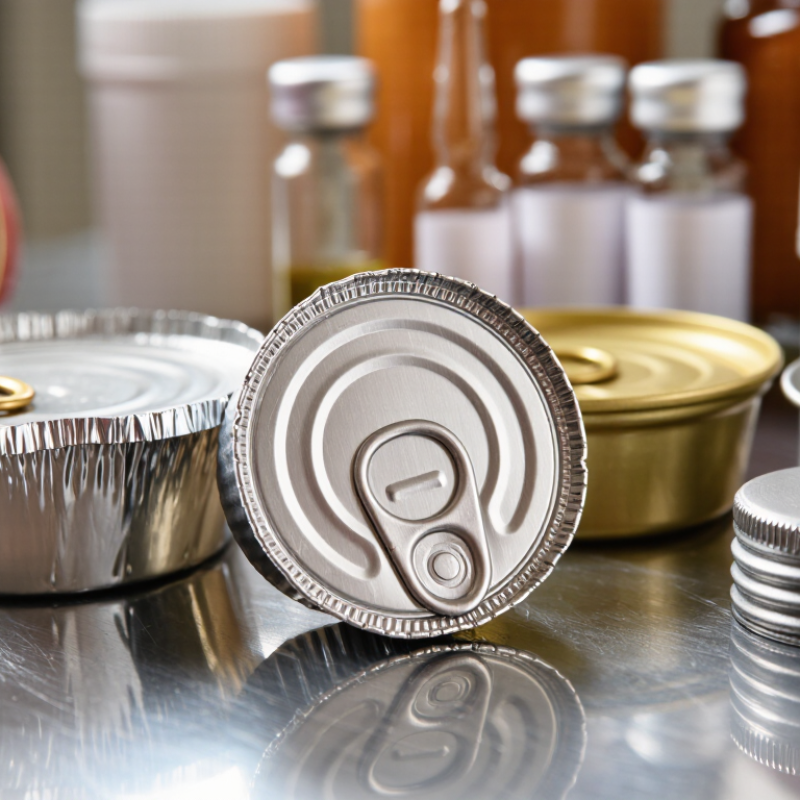
An Aluminum Lid is more than a simple cover. It is a formed or stamped aluminum component that protects products from oxygen, moisture, light, contamination, and accidental opening. Common designs include pull-tab ends, foil seals, screw caps, and easy-open closures. They appear on beverages, food containers, medicines, cosmetics, and household products. Each design balances seal strength, opening force, weight, and production speed.
Industry data explains why aluminum remains important. The International Aluminium Institute reports that recycling aluminum requires about 5% of the energy used for primary production. The Aluminium Association also highlights aluminum’s ability to return repeatedly into new products without losing its basic properties. These advantages support circular packaging systems, although collection and sorting remain uneven across regions. The numbers sound impressive. Reality is less tidy.
Gerd Götz, former Director General of European Aluminium, has emphasized the sector’s core principle: “Aluminium is a permanent material.” That statement helps explain an Aluminum Lid’s long-term value. It can provide a reliable barrier while supporting lightweight packaging and efficient transport. Yet performance depends on alloy selection, coating quality, sealing pressure, and the product itself. A lid that works perfectly on a carbonated drink may fail on a hot-filled sauce. This article examines what an Aluminum Lid is, how manufacturers produce it, and where different lid designs work best. It also considers practical weaknesses, including dents, sharp edges, coating damage, and recycling contamination.
Definition and Basic Characteristics of an Aluminum Lid
An aluminum lid is a shaped closure made mainly from aluminum sheet or formed foil. It covers containers, protects contents, and supports controlled opening. The definition is not perfectly fixed. Some lids are screw-threaded, while others press onto a rim or seal through a flexible liner. That distinction matters.
Aluminum has low density, useful strength, and strong resistance to moisture, oxygen, and light. A lid can therefore help preserve aroma, color, and texture during storage. Its bright surface also reflects heat and light. In practical packaging inspection, the seal is often more important than the metal itself. A poorly fitted lid can leak, wrinkle, or lose pressure protection. Small defects matter.
Material thickness depends on the container design and forming method. Thinner foil reduces weight, but it may crease more easily. Thicker stock improves stiffness, although it uses more material. The U.S. Geological Survey reported about 70 million metric tons of global primary aluminum production in 2023, showing the scale behind everyday closures. The International Aluminium Institute reports that recycled aluminum can require about 95% less energy than primary aluminum production. That figure supports recycling, but it does not excuse careless collection or contamination. Real results vary. A lid may also include a coating, gasket, or tamper-evident feature, so “aluminum” rarely describes the complete closure system.
Materials, Manufacturing Methods, and Structural Design
What Is an Aluminum Lid and How Is It Used?
Materials, Manufacturing Methods, and Structural Design
An aluminum lid is a thin, shaped closure used on cans, jars, trays, and containers. Its material balance matters. Aluminum offers low weight, corrosion resistance, and easy forming. Common lid stock uses aluminum alloys selected for strength and ductility. A protective coating may separate the metal from food, moisture, or acidic contents. The coating must remain flexible after forming. Small cracks can become serious problems.
Manufacturing usually begins with coil-fed sheet metal. Machines blank circular discs, stamp features, and form the edge. Some lids receive a curled rim, a pull tab, or a scored opening panel. Pressure, tool clearance, and forming speed affect the final shape. After forming, manufacturers inspect dimensions, coating coverage, and surface defects. Automated cameras help, but human checks still catch unusual marks. Not every defect is obvious.
Structural design controls both sealing and opening. A wider flange can improve contact with a gasket, while reinforcing beads can limit bending. Scored lines must open predictably without weakening the entire lid. The tab also needs enough leverage for comfortable use. Engineers test sealing force, drop resistance, and pressure changes during storage. A lid may look rigid but deform during transport. That is where design assumptions deserve another review. Thin metal saves material, yet excessive thinness can reduce reliability.
What Is an Aluminum Lid and How Is It Used?
Aluminum lids are lightweight closures used to protect products, control moisture and oxygen exposure, and provide a reliable seal. Their thickness depends on the lid type, forming method, diameter, and required mechanical strength.
Typical material thickness: foil seals use very thin aluminum, while drawn, stamped, or easy-open lids require thicker sheet to withstand forming, handling, and opening forces. Manufacturing commonly includes rolling, blanking, stamping, drawing, scoring, and forming a sealing edge.
Main Types of Aluminum Lids and Their Differences
What Is an Aluminum Lid and How Is It Used?
Main Types of Aluminum Lids and Their Differences
Aluminum lids protect products from light, oxygen, moisture, and accidental opening. Their design depends on the container, filling process, and expected shelf life. In practice, small details matter. A lid that looks suitable may still wrinkle during sealing.
Foil lids are thin and flexible. They usually cover cups, trays, and small containers. Heat sealing attaches them to a compatible rim, creating a clean, tamper-evident closure. Peelable lids use a stronger sealing layer and a small tab. They open more easily, but poor material matching can leave residue or cause leakage.
According to the International Aluminium Institute, recycled aluminum requires about 95% less energy than primary aluminum production, making material recovery an important design consideration.
Screw-on aluminum lids provide repeated opening and closing. They are common on bottles, jars, and specialty containers. Crimp-on lids fit over a container neck and need controlled pressure during application. Induction-seal lids use an aluminum layer beneath a cap or liner. The process heats this layer without direct contact, forming a protective seal.
The International Aluminium Institute reported global primary aluminum production of about 70.6 million tonnes in 2023, showing the material’s industrial scale. Still, scale does not guarantee performance. Seal temperature, liner thickness, rim shape, and storage conditions must be tested together. A practical trial with filled containers often reveals weaknesses that specifications miss.
How Aluminum Lids Are Used Across Various Industries
An aluminum lid is a lightweight closure made from shaped aluminum sheet or formed aluminum alloy. Its main value is protection. It can reduce exposure to light, oxygen, moisture, and outside contamination. The lid may include a liner, seal, coating, or tamper-evident feature. It is light. Yet, its performance depends on the container and filling process.
In the food industry, aluminum lids cover yogurt cups, coffee containers, sauces, and ready-to-eat meals. A foil seal can sit beneath a reusable outer cap, helping preserve freshness after filling. Beverage producers also use aluminum closures on glass bottles and small containers. In pharmaceutical packaging, lids support controlled sealing for tablets, powders, and liquid medicines. Their smooth surface allows clear lot codes and expiry information. However, seal strength must be tested carefully because small gaps can affect product quality.
Cosmetic companies use aluminum lids for creams, powders, and travel-size products. The material gives a clean appearance and resists many common cosmetic ingredients when properly coated. Chemical and industrial packaging uses stronger lids for samples, lubricants, paints, and laboratory materials. In these settings, teams check thread fit, torque, liner compatibility, and storage temperature. Aluminum is recyclable, but mixed materials can complicate recovery. It is not perfect. A poor coating choice may cause corrosion, discoloration, or leakage. Practical testing remains essential, especially when the product formula, container shape, and shipping conditions change.
Benefits, Limitations, and Recycling Considerations
What Is an Aluminum Lid and How Is It Used?
Benefits, Limitations, and Recycling Considerations
An aluminum lid seals jars, trays, cans, and containers. It blocks light, oxygen, moisture, and external odors. Its low weight also reduces transport loads. Many lids include a thin polymer lining for sealing and product protection. That detail matters. The lid may not be pure aluminum.
The environmental benefit is strong, but not automatic. The International Aluminium Institute reports that recycling aluminum uses about 5% of the energy required for primary production. Aluminum can also be recycled repeatedly without losing its basic properties. However, food residue, plastic liners, paint, and mixed-material layers can reduce recovery quality. Thin foil is especially easy to lose during sorting. The U.S. EPA’s 2018 Facts and Figures report recorded a 45.2% recycling rate for aluminum beverage cans. That figure is useful, but it does not represent every aluminum lid. The system still has gaps.
Tips: Empty and lightly rinse used lids. Separate thick aluminum from paper or plastic attachments when local guidance allows. Do not assume a shiny surface means easy recycling. Check your municipal instructions. In my experience, contamination causes more trouble than the metal itself. Design choices also deserve more attention. A lid that seals well but combines several inseparable materials may protect food today and complicate recovery tomorrow.