Top 5 Shipping Container Sizes: Maximize Your Space Efficiency with Proven Tips
When it comes to optimizing space efficiency, understanding the various shipping container sizes is crucial. Industry expert Dr. Laura Mathews, a leading authority in logistics and container management, emphasizes, "Choosing the right shipping container size can significantly affect both cost and efficiency for businesses." With the growing demand for shipping and storage solutions, knowing the distinct sizes available and their specific applications is essential for maximizing the utility of your space.
In this guide, we will explore the top five shipping container sizes, providing proven tips that will help you make informed decisions. From standard 20-foot containers to the more expansive 40-foot options, each size offers unique benefits and use cases. By understanding these shipping container sizes, businesses can streamline their operations, reduce waste, and ultimately enhance their bottom line. Join us as we delve into these key insights that will lead to better space management and improved logistics planning.
Understanding Different Shipping Container Sizes for Optimal Use
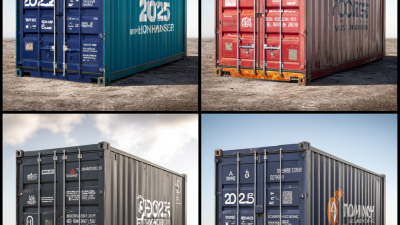
When it comes to utilizing shipping containers efficiently, understanding the various sizes available is crucial for maximizing space. Standard shipping containers come in several sizes, with the most common being the 20-foot and 40-foot units. The 20-foot container, often favored for smaller projects or limited spaces, offers a capacity of approximately 1,150 cubic feet. This size is ideal for personal storage, shipping goods for small businesses, or as a temporary workspace.
On the other hand, the 40-foot container provides twice the storage space with around 2,390 cubic feet, making it more suitable for larger operations. Additionally, specialized containers, such as high cube models, provide extra height, allowing for taller items to be stored without compromising efficiency. Understanding these dimensions and their respective capacities can significantly impact both cost-effectiveness and practicality in shipping logistics or storage solutions. By selecting the right size based on your specific needs, you can optimize the use of space and streamline your operations effectively.
Key Advantages of Standard Container Sizes in Logistics Efficiency
In the world of logistics, choosing the right shipping container size is crucial for optimizing space efficiency and reducing costs. Standard container sizes, including 20-foot and 40-foot options, are not just convenient; they offer significant advantages in managing inventory and streamlining operations. By utilizing these commonly used dimensions, businesses can benefit from easier planning and a more predictable supply chain, as shipping routes and schedules are often designed around these standard metrics.
Additionally, standardized containers facilitate better utilization of shipping methods, as they are universally accepted across various platforms. This reduces the risk of delays and complications that can arise from using non-standardized containers. By maximizing space efficiency, companies can lower shipping costs per unit, increase the volume of goods transported per trip, and ultimately enhance their bottom line. In an industry where time and space equate to money, embracing standard container sizes is a strategic move that correlates directly with logistics efficiency.
Tips for Choosing the Right Container Size Based on Cargo Type
When selecting the right shipping container size, it's crucial to consider the type of cargo you'll be transporting. Different goods require different storage solutions, and knowing the characteristics of your cargo can significantly influence your choice. For example, perishable items may necessitate a refrigerated container, while heavy machinery might require a more robust design to support the weight.
**Tips for Choosing the Right Container Size Based on Cargo Type:**
1. **Evaluate Volume and Weight**: Always assess both the volume and weight of your cargo. Too small a container may lead to overcrowding, while too large a container can increase shipping costs unnecessarily.
2. **Consider Handling Requirements**: Some cargo may require specific handling practices. If your items are fragile, opt for containers that allow for easier loading and unloading to prevent damage.
3. **Plan for Future Needs**: If you anticipate changes in your shipping needs, choose a size that accommodates potential growth or seasonal fluctuations in cargo volumes.
By paying attention to these factors, you can maximize space efficiency and ensure that your shipping operations run smoothly.
Top 5 Shipping Container Sizes
Understanding the volume of different shipping container sizes can help you make the best choice for your cargo. This chart illustrates the volume in cubic meters of the top five standard container sizes.
Innovative Storage Solutions to Enhance Space Utilization
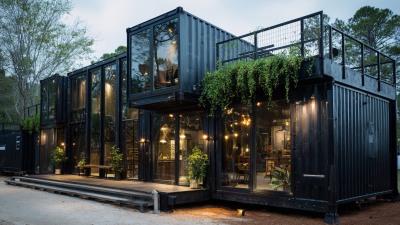
When optimizing space utilization, shipping containers have emerged as innovative storage solutions that cater to both residential and commercial needs. According to a report by the Container Foundation, nearly 80% of shipping containers are used for storage purposes after their initial shipping life. This transition underscores their versatility in maximizing space efficiency, particularly when considering the varying sizes available. For instance, a standard 20-foot container can provide over 1,160 cubic feet of storage, making it an excellent choice for storing seasonal gear or business inventory.
In addition to size selection, implementing effective compartmentalization strategies within these containers can significantly enhance usability. Studies show that by utilizing vertical shelving and modular storage systems, one can increase storage capacity by up to 50%. Furthermore, using clear, labeled bins can streamline access and organization, reducing the time spent searching for items. Overall, thoughtful design and implementation of storage solutions within shipping containers facilitate better space management, making them a top choice for efficient storage solutions in various industries.
Future Trends in Shipping Container Design and Size Variability
As the logistics sector evolves, future trends in shipping container design emphasize
adaptability and efficiency.
Traditional sizes are being reevaluated to accommodate a growing demand for customized shipping solutions.
This shift towards modular designs allows for better spatial utilization, catering not only to
bulk transport but also to specialized cargo needs. Containers are now being engineered to stand
as multi-functional units, combining storage and transport capabilities, which drastically
enhances overall efficiency.
Moreover, advancements in materials and technology are leading to lighter yet more
durable containers. These innovations not only improve the
ease of transport but also contribute to sustainability efforts
within the industry. With the increasing focus on environmental impact, shipping containers are
being designed with eco-friendly materials
and features that minimize their carbon footprint. This trend toward sustainability, combined with
practical design flexibility, will reshape the landscape of shipping container sizes and configurations
in the years to come, ensuring they meet both operational needs and environmental standards.