Top 10 Lifting Socket Types for Global Buyers
Choosing the right Lifting Socket can influence installation speed, load control, and long-term project safety. Global buyers face many options, including cast-in sockets, threaded sockets, ferrule sockets, and adjustable anchor systems. Each design serves different concrete conditions, lifting methods, and engineering requirements.
This guide examines ten widely used Lifting Socket types through practical buying criteria. These include rated capacity, thread compatibility, embedment depth, corrosion resistance, installation tolerance, and traceable material quality. A socket may look strong on a product page, yet its performance depends on concrete strength, reinforcement placement, and correct installation. Small details matter. Thread damage can delay a lift. Poor alignment can create uneven loading. Unclear markings can complicate inspection.
Experienced procurement teams should request drawings, test reports, material certificates, and clear working-load limits. They should also confirm whether the socket suits temporary handling or repeated lifting operations. Regional standards and site procedures may differ, so professional engineering review remains necessary. Supplier reputation helps, but it cannot replace documented evidence.
A neat catalog can still mislead. Not every popular design fits every project. Some buyers focus on price and overlook installation labor or replacement access. Others specify excessive capacity without checking the surrounding concrete. This article compares the top ten types with those practical weaknesses in mind. It aims to support informed decisions, not promote one universal solution. Reliable lifting begins with a suitable socket, verified data, and disciplined site practice.
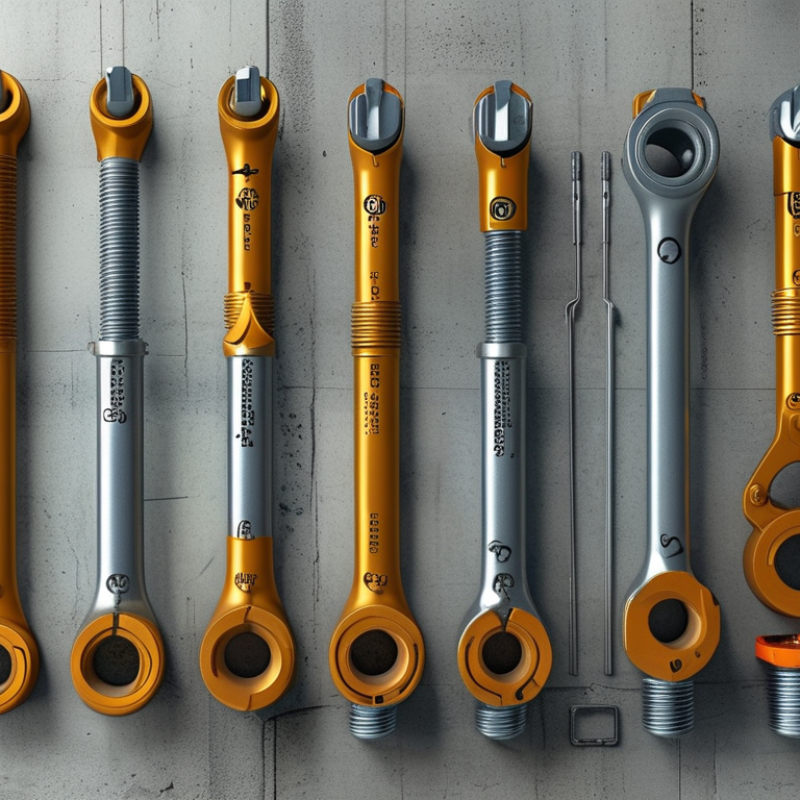
Lifting Sockets: Definition, Structure, and Main Applications
Lifting sockets are engineered inserts used to connect temporary lifting equipment to concrete components. Most contain a steel body, an internal thread, and an anchoring system. The anchor may include welded bars, plates, loops, or forged legs. During casting, the socket transfers lifting forces into the concrete. Its visible opening remains accessible after demolding.
The structure is simple, but its performance is not. Load capacity depends on thread size, embedment depth, concrete strength, edge distance, and lifting angle. Corrosion protection also matters in wet environments. A socket can look sound and still be unsuitable. That is where practical inspection becomes important. Workers should check threads, deformation, cracks, concrete damage, and legible identification before use. Qualified personnel must confirm the working load and applicable safety requirements.
Lifting sockets commonly serve precast wall panels, beams, stair flights, façade elements, utility chambers, and tunnel segments. Threaded sockets suit repeated connections when compatible lifting eyes are available. Weld-on or anchor-style designs can support different casting arrangements. Some systems work best near edges, while others need deeper concrete cover. Site experience shows that drawings rarely tell the whole story. Handling space, weather, and uneven loading can change the risk. Small alignment errors may create large side forces. Careful planning remains necessary.
Top 10 Lifting Socket Types for Global Buyers - Lifting Sockets: Definition, Structure, and Main Applications
| Rank | Lifting Socket Type | Definition | Main Structure | Typical Wire Rope Compatibility | Main Applications | Key Selection Considerations |
|---|---|---|---|---|---|---|
| 1 | Open Wedge Socket | A reusable mechanical termination that secures a wire rope by trapping it between a wedge and the socket body. | Open-front steel body, removable wedge, rope cavity, and pin or retaining clip. The rope tail is returned around the wedge and exits from the open side. | Common multi-strand ropes used in cranes, hoists, and general lifting systems; exact rope construction must match the socket instructions. | Cranes, excavators, draglines, winches, construction lifting, and temporary rigging arrangements. | Fast installation and field adjustability are advantages. Verify wedge seating, rope tail length, socket orientation, and rated working load limit. |
| 2 | Closed Wedge Socket | A wedge-type socket with a closed eye or clevis connection for attaching the terminated rope to a hook, shackle, or pin. | Enclosed socket head, internal wedge, rope passage, and integrated eye or clevis. The closed connection reduces the chance of accidental disengagement. | General-purpose stranded wire ropes approved for wedge-socket use; compatibility depends on rope diameter and construction. | Overhead lifting, tower cranes, material-handling equipment, and applications requiring a protected end connection. | Check pin diameter, eye or clevis dimensions, side-loading limits, and whether the socket is approved for the rope's construction. |
| 3 | Open Spelter Socket | A permanent socket termination in which the separated wire strands are splayed inside the socket and locked with a poured metallic alloy. | Open socket body with a tapered internal chamber, splayed rope strands, and a poured zinc or other approved metallic spelter material. | Many standard stranded ropes, subject to the socket manufacturer's termination procedure and rope material requirements. | Heavy-duty cranes, offshore lifting, mining equipment, bridge systems, and applications requiring a high-integrity permanent termination. | Requires trained installation, clean strand preparation, correct spelter temperature, and full inspection before service. |
| 4 | Closed Spelter Socket | A permanent poured-metal rope termination combined with an enclosed eye or clevis for secure equipment attachment. | Closed steel body, tapered socket cavity, splayed wire strands, poured spelter, and an integral eye or clevis connection. | Approved stranded ropes used in demanding lifting and structural applications. | Critical crane ropes, offshore handling, marine lifting, cable-supported structures, and high-consequence lifting operations. | Offers a protected connection but is not normally field-adjustable. Confirm connection geometry and qualified termination procedures. |
| 5 | Open Resin Socket | A permanent termination in which prepared rope strands are splayed and locked inside the socket with a cured synthetic resin compound. | Open steel socket body, tapered resin chamber, splayed strands, resin cone, and an open eye or clevis. | Stranded ropes approved for resin socketing; rope lubricant, coating, and strand material can affect adhesion. | Cranes, offshore systems, elevators, mining installations, and applications where efficient load transfer is required. | Control moisture, temperature, resin mixing, curing time, and strand cleanliness. Do not load before complete cure. |
| 6 | Closed Resin Socket | A resin-poured wire rope termination with a closed eye or clevis designed for a protected permanent connection. | Enclosed steel body, tapered internal cavity, splayed rope strands, cured resin, and an integral connection eye or clevis. | Approved stranded ropes selected according to resin-socketing instructions and service conditions. | Permanent crane assemblies, offshore lifting appliances, mining hoists, and structural cable systems. | Inspect for resin cracking, strand movement, corrosion, and damage to the closed connection. Consider environmental temperature and chemicals. |
| 7 | Swage Socket | A permanent mechanical termination formed by plastically compressing the socket body around the wire rope with specialized swaging equipment. | Ductile steel or alloy socket, rope bore, and compressed body sections that grip and transfer load to the rope. | Rope constructions specifically approved for swaging; compacted, rotation-resistant, and non-standard ropes may require separate approval. | Cranes, lifting slings, marine equipment, structural cables, and repetitive production assemblies. | Requires calibrated dies, correct press force, correct socket length, and dimensional inspection after swaging. |
| 8 | Self-Locking Wedge Socket | A wedge socket designed so that increasing rope tension increases the gripping action between the wedge, rope, and socket body. | Socket shell, shaped wedge, rope cavity, and retaining components arranged to resist wedge release during correctly aligned loading. | Wire rope constructions listed by the socket manufacturer; some designs are restricted for rotation-resistant or compacted ropes. | Mobile cranes, lifting frames, hoisting systems, and equipment exposed to vibration or repeated loading. | Correct rope direction and wedge placement are essential. It must not be used for side loading, shock loading, or unsupported rope-tail arrangements. |
| 9 | Adjustable Wedge Socket | A wedge-socket assembly that permits limited rope-length adjustment without cutting and permanently reterminating the rope. | Wedge socket body, adjustable rope passage, wedge, retaining pin, and an eye or clevis depending on the configuration. | Approved general-purpose stranded ropes within the specified diameter range. | Temporary lifting arrangements, construction equipment, adjustable bridle systems, and applications requiring periodic length correction. | Adjustment range is limited. Recheck seating and the required rope tail after every adjustment and before applying a load. |
| 10 | Socket with Integrated Thimble or Eye | A lifting-socket assembly that incorporates a formed eye or thimble to protect the rope from bending and abrasion at the attachment point. | Socket termination combined with a forged eye, rope thimble, clevis, or pin connection. The eye radius supports a controlled rope bend. | Stranded wire ropes selected for the socket method and required bend-radius ratio. | Wire rope slings, lifting bridles, winch lines, marine handling, and connections exposed to repeated bending or abrasion. | Confirm eye dimensions, pin fit, bend radius, sling angle, and whether the assembly is rated for lifting rather than pulling only. |
How Lifting Sockets Are Classified by Design and Load Direction
Top 10 Lifting Socket Types for Global Buyers
Lifting sockets are classified by both design and load direction.
Cast-in sockets are installed before concrete placement, while post-installed sockets suit existing structures. Recessed sockets leave a cleaner surface. Flush sockets reduce exposed hardware and trip risks. Plate sockets spread force across a wider concrete area. Weld-on sockets attach to steel frames, but weld quality becomes critical. Threaded sockets support removable lifting eyes and repeated handling. Permanent sockets remain in the structure after installation. High-capacity sockets use thicker walls and deeper anchorage. Swivel sockets allow controlled movement when the sling angle changes.
Load direction matters more than many buyers expect.
Straight sockets handle mainly axial tension, with the force aligned to the socket centerline. Angled sockets are designed for inclined pulls, though their capacity may decrease sharply. Side-load sockets resist horizontal or transverse forces when correctly engineered. Swivel designs can accommodate changing directions, but they do not automatically remove bending stress. A tilted sling can create a twisting moment, especially near an edge.
On site, a socket may look strong yet perform poorly with shallow embedment, cracked concrete, or damaged threads.
That detail is easy to miss. Buyers should check rated load, installation depth, edge distance, concrete strength, thread size, and allowable sling angles.
Independent test records and traceable inspection documents add confidence. A classification chart helps, but it is not perfect. Actual lifting conditions still require review by a qualified engineer.
Top 10 Lifting Socket Types for Global Buyers
The top 10 lifting socket types serve different precast concrete and material-handling needs. Common options include internally threaded sockets, externally threaded sockets, ferrule sockets, plate sockets, flat-foot anchors, loop anchors, spherical-head anchors, coil-thread sockets, rebar-tail sockets, and removable lifting sockets. Threaded models suit repeatable connections. Plate and rebar-tail designs provide strong anchorage inside reinforced concrete. Spherical-head anchors support specialized lifting clutches. Choose carefully.
Global buyers should match socket capacity with the panel weight, lifting angle, concrete strength, and embedment depth. A 20-millimeter socket may look suitable, but its working load can change with edge distance and reinforcement placement. Check the manufacturer’s tested working load, safety factor, material grade, thread tolerance, and corrosion protection. Galvanized steel suits damp storage areas, while stainless steel may serve more demanding environments. Metric threads are common, but regional thread standards still require verification.
Fit matters greatly. The lifting clutch should engage fully without excessive play. Inspect threads, welds, eyes, and concrete around each socket before use. Look for cracks, deformation, rust scale, or exposed reinforcement. Field conditions are rarely perfect. A socket can pass a visual check yet suffer from poor installation or insufficient curing. Procurement teams should request drawings, test reports, traceability records, and clear instructions. I have seen buyers focus on unit price and overlook mold compatibility. That mistake can delay production and create avoidable handling risks.
Top 10 Lifting Socket Types for Global Buyers
The chart compares commonly specified wire-rope socket types by their typical compatible rope-diameter ranges. These indicative ranges reflect common engineering and catalog practice; the final selection must be verified against the applicable standard, rope construction, working load limit, and manufacturer certification.
Spelter and swage sockets are commonly selected for permanent, high-strength terminations, while wedge sockets are widely used where field installation or adjustment is important. Self-locking wedge and button sockets are specialized options for applications requiring enhanced retention or compact end fittings.
Material, Load Capacity, and Thread Selection Factors
Top 10 Lifting Socket Types for Global Buyers
Material, Load Capacity, and Thread Selection Factors
Lifting sockets vary by application, including cast-in, flush, recessed, threaded, swivel, eye, plate, weld-on, pipe, and beam-mounted types. Each design controls how force enters the structure. Carbon steel suits many general lifting tasks, while alloy steel supports higher loads when properly heat-treated. Stainless steel helps resist moisture, but it may not provide the same strength. Galvanized finishes improve corrosion resistance, although damaged coatings need inspection.
Check the working load limit, not only the breaking load. Capacity can change with lifting angle, concrete strength, socket spacing, and installation depth. A socket rated for vertical lifting may perform differently during side loading. Select metric, UNC, or UNF threads to match the lifting bolt and local equipment. Thread engagement should be long, clean, and fully seated. A neat thread does not prove correct installation. It is easy to overlook embedment depth.
Tips: Record the socket material, thread standard, load direction, and test documentation before purchase. Ask for traceable inspection records and clear installation instructions. Compare dimensions in millimetres, not photographs. Field conditions are often less perfect. Slight misalignment, grit, or early corrosion can reduce confidence, so inspect threads and contact surfaces before every critical lift.
International Standards and Safety Checks for Lifting Sockets
Top 10 Lifting Socket Types for Global Buyers
International Standards and Safety Checks for Lifting Sockets
Lifting sockets come in many forms: cast-in, flush, threaded, swivel, recessed, adjustable, weld-on, bolt-on, concrete, and eye sockets. Each design suits a different load path, installation method, or working environment. Global buyers should match the socket to the structure, not only to the rated load. A 2-ton socket may fail when the load angle, edge distance, or base material is ignored. Small details matter.
Check the applicable requirements before ordering. ASME B30.20 may apply to below-the-hook lifting devices, while EN 13155 covers many loose lifting attachments. ISO requirements can also matter for specific lifting components. Standards are not interchangeable automatically. Request test reports, proof-load records, material certificates, installation instructions, and traceability documents. Inspect threads, welds, corrosion, deformation, and locking parts. Confirm the working load limit, safety factor, temperature range, and permitted lifting angles. A checklist helps, but it is not perfect. Real sites are often dirtier than drawings suggest.
Tips:
Clean the socket before inspection. Use a calibrated torque tool. Never mix unverified pins, bolts, or adapters. Ask an engineer to review unusual loads, cracked concrete, or uncertain installation records. When documents conflict, pause the lift and verify the requirement with a qualified inspector.
Get a quote
Get a quote
Read More
Accept AllReject AllCustomise
Privacy Overview
| Cookie | Duration | Description |
|---|---|---|
| cookielawinfo-checkbox-advertisement | 1 year | Set by the GDPR Cookie Consent plugin, this cookie records the user consent for the cookies in the "Advertisement" category. |
| cookielawinfo-checkbox-analytics | 11 months | This cookie is set by GDPR Cookie Consent plugin. The cookie is used to store the user consent for the cookies in the category "Analytics". |
| cookielawinfo-checkbox-functional | 11 months | The cookie is set by GDPR cookie consent to record the user consent for the cookies in the category "Functional". |
| cookielawinfo-checkbox-necessary | 11 months | This cookie is set by GDPR Cookie Consent plugin. The cookies is used to store the user consent for the cookies in the category "Necessary". |
| cookielawinfo-checkbox-others | 11 months | This cookie is set by GDPR Cookie Consent plugin. The cookie is used to store the user consent for the cookies in the category "Other. |
| cookielawinfo-checkbox-performance | 11 months | This cookie is set by GDPR Cookie Consent plugin. The cookie is used to store the user consent for the cookies in the category "Performance". |
| CookieLawInfoConsent | 1 year | CookieYes sets this cookie to record the default button state of the corresponding category and the status of CCPA. It works only in coordination with the primary cookie. |
| viewed_cookie_policy | 11 months | The cookie is set by the GDPR Cookie Consent plugin and is used to store whether or not user has consented to the use of cookies. It does not store any personal data. |
| Cookie | Duration | Description |
|---|---|---|
| _cs_c | 1 year 1 month | The cookie is used by Content Square to save the user consent to be tracked. |
| Cookie | Duration | Description |
|---|---|---|
| _cs_id | 1 year 17 days 20 hours 13 minutes | This cookie is used to store the ContentSquare's user identifier ID. This is a persistent cookie and expires after 13 months. |
| _cs_s | 1 hour | This cookie is used to store the number of page's viewed by a visitor within the session for ContentSquare's solution. |
| _ga | 1 year 1 month 4 days | Google Analytics sets this cookie to calculate visitor, session and campaign data and track site usage for the site's analytics report. The cookie stores information anonymously and assigns a randomly generated number to recognise unique visitors. |
| _ga_* | 1 year 1 month 4 days | Google Analytics sets this cookie to store and count page views. |
| _gcl_au | 3 months | Google Tag Manager sets the cookie to experiment advertisement efficiency of websites using their services. |
| Cookie | Duration | Description |
|---|---|---|
| test_cookie | 15 minutes | doubleclick.net sets this cookie to determine if the user's browser supports cookies. |
| Cookie | Duration | Description |
|---|---|---|
| _cs_root-domain | session | Description is currently not available. |
| _cs_same_site | session | Description is currently not available. |