China Top CNC Custom Machining Supplier for Global Buyers?
Choosing a reliable Chinese supplier for Cnc Custom Machining takes more than comparing prices. A strong partner should understand your drawings, materials, tolerances, surface finish, and intended use. A small mismatch in a hole position or thread specification can create costly assembly problems later. Details matter.
Global buyers can assess suppliers through practical evidence: sample parts, inspection reports, material documentation, and clear production updates. Ask how critical dimensions are checked and how design changes are recorded. A polished website is not proof of consistent quality. Ask for evidence. Also clarify lead times, packaging, shipping terms, and who will answer technical questions when a project changes.
The best supplier is not always the one offering the lowest quote or the broadest list of machines. Compare quotations against the same drawing revision and specification. Check whether the proposed process suits the part, rather than assuming every feature can be produced in one setup. No supplier is perfect. I would be cautious about any company that promises flawless results without discussing tolerances, inspection methods, or possible production risks.
This guide explores what global buyers should examine when evaluating China’s CNC machining suppliers, from technical capability to communication and quality control. It also considers the limits of supplier comparisons: online claims can be difficult to verify, and one successful sample cannot guarantee every future batch. Careful questions help. So does a written agreement on specifications and acceptance criteria.
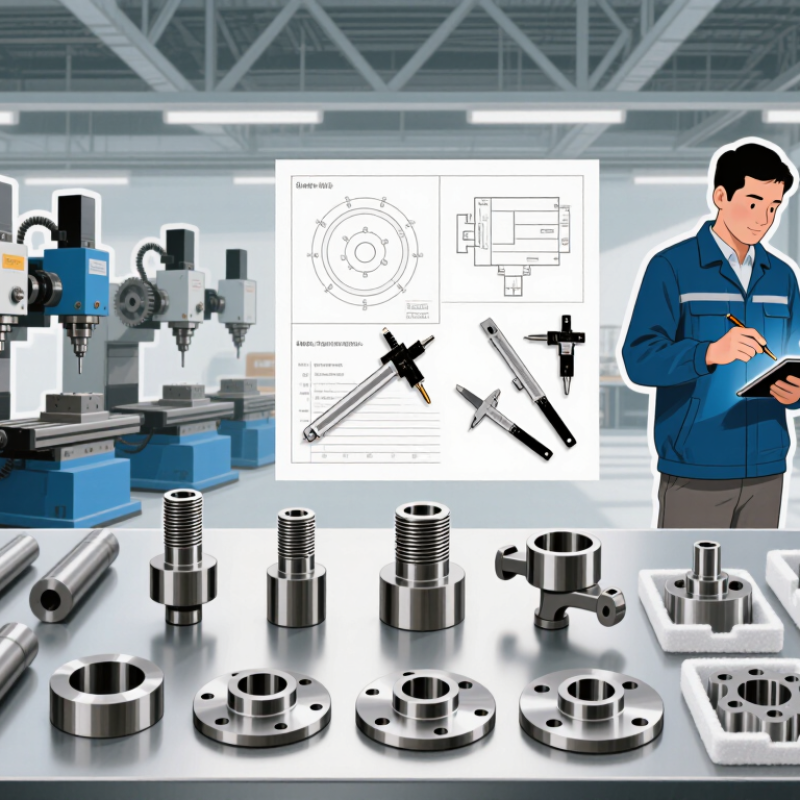
CNC Custom Machining in China: Definition and Industry Scope
CNC custom machining in China means producing parts from customer drawings or 3D models through computer-controlled cutting processes. A machine removes material from metal or plastic stock to create a specified shape. Common methods include milling, turning, drilling, and multi-axis machining. The work may cover a single prototype, a small batch, or repeat production. Not every shop offers the same capabilities.
The industry scope extends beyond cutting metal. It can include material selection, programming, fixture design, surface finishing, and dimensional inspection. For example, an aluminum housing may need milled pockets, tapped holes, and a protective finish. A stainless-steel shaft may require turning and close checks on its diameter. Details matter. Tolerances, material grades, and inspection methods should be agreed before production begins.
A supplier’s equipment list does not tell the whole story. Ask how critical dimensions are measured and how drawing revisions are controlled. A clear inspection report can help confirm whether a batch meets its specification. Still, specifications can be incomplete, and buyers sometimes overlook assembly needs. A drawing can still be unclear. It is worth reviewing the part’s function, mating surfaces, and expected use with the machining team before approving a quote.
Core Processes, Materials, and Production Capabilities
A capable CNC machining supplier turns drawings into repeatable parts through milling, turning, drilling, and finishing. Three-axis milling suits many flat and pocketed features, while five-axis work can reduce setups for angled surfaces. Turning produces accurate shafts, sleeves, and concentric bores. Small details matter. Clear drawings should specify dimensions, tolerances, threads, and surface finish; vague notes can create costly assumptions.
Material choice affects machining time, strength, weight, and finish. Aluminum is light and often machines efficiently. Stainless steel resists corrosion but can require slower cutting and careful tool management. Brass works well for some fittings, while engineering plastics suit lightweight components with lower load demands. Production capacity depends on part geometry, machine size, available tooling, and inspection methods. Ask how the shop checks critical dimensions, such as bore diameter or hole spacing. A first-article inspection can reveal drawing issues before a full batch runs. Still, a perfect finish is not always necessary, and pursuing one can add cost.
Tips: Send a 3D model and a dimensioned drawing together. Mark critical features clearly, and ask for material certificates or inspection records when the application needs them. Confirm lead time against batch size; capacity claims alone do not show how smoothly a job will run.
CNC Machining Materials: Density Comparison
Density is one factor buyers consider when selecting materials for machined parts. Values shown are approximate and may vary by grade and composition.
Quality Control and Certifications in CNC Manufacturing
For global buyers, quality control in CNC machining should be visible at the workbench, not just on a certificate. The ISO Survey 2022 recorded more than 1.26 million valid ISO 9001 certificates worldwide. That figure shows broad adoption, but certification alone cannot prove a supplier can hold a tight tolerance on your specific part. Numbers help.
Ask how the shop controls each production step. A reliable process may include incoming material checks, calibrated measuring tools, first-article inspection, and documented in-process checks. For a precision bore, request the actual measurement results and the instrument’s calibration status. Check that the certificate covers the manufacturing site and activities involved. Also review how nonconforming parts are identified and corrected.
ISO 9001 offers a useful quality-management framework; it does not replace part-level evidence. ISO 14001 may support environmental management, but it does not certify dimensional accuracy. Request inspection records, material traceability, and a clear sampling plan before production begins. For critical features, agree on measurement methods and acceptance limits in writing. A gap can still remain: paperwork may look complete while the shop’s measurement routine needs improvement. Good buyers verify the process, not just the documents.
How Global Buyers Evaluate Chinese CNC Suppliers
Global buyers should evaluate a Chinese CNC supplier through evidence, not polished promises. Start with the drawing: confirm the supplier understands datum points, tolerances, surface finish, and material requirements. Ask for evidence. A sample part, inspection report, and material records can reveal more than a capability list. For critical dimensions, check how measurements are taken and whether the equipment suits the required tolerance.
Production control matters too. Ask how the supplier handles tool wear, first-article approval, and changes between batches. A clear answer should describe a real process, not just say, “We inspect everything.” Details matter. Review lead times against the actual process, including finishing, inspection, and packing. If a quote is unusually fast or cheap, ask what assumptions it includes. It may still be a good offer, but the gap needs explaining.
Communication is part of quality. Send a drawing with a practical question and note whether the reply identifies risks or simply agrees. Request progress updates and agree on how nonconforming parts will be reported. For overseas orders, confirm packaging, shipping terms, and document requirements before production begins. One slow email is not proof of a poor supplier; people get busy. Still, repeated vague answers deserve attention. I would also avoid judging solely by a factory visit or a single successful sample. Reliable decisions come from matching documented controls to the part’s real demands.
Export Logistics and Communication for International Projects
For international CNC machining projects, export logistics should be planned before production ends. Buyers need clear estimates for packing, dispatch, and transit time. A supplier can share carton dimensions, gross weight, and shipping options early, helping teams arrange receiving space and local transport. Small details matter.
Export documents must match the shipment. Part descriptions, quantities, declared values, and package counts should be checked against the purchase order and packing list. Requirements vary by destination, so buyers and suppliers should confirm document needs with their freight forwarder. A photo of sealed crates and labels can also help resolve questions before pickup.
Communication is most useful when it is specific and regular. Share drawing revisions, inspection status, and schedule changes in writing, with dates and responsible contacts. For example, a message saying “final inspection complete; dispatch planned for Tuesday” is clearer than “nearly ready.” Delays happen. Weather, customs checks, or carrier capacity can shift delivery dates, and no supplier can promise every shipment will arrive exactly on schedule. I have seen teams leave freight booking until the parts were finished; it saved little time and created avoidable pressure. Agreeing on milestones and a backup contact makes the process steadier, though it cannot remove every uncertainty.
China Top CNC Custom Machining Supplier for Global Buyers? - Export Logistics and Communication for International Projects
Practical planning reference for international CNC machining projects. Lead times and shipping durations vary with part complexity, order quantity, material availability, destination, customs clearance, and transport capacity; confirm project-specific dates in writing.
| Project Stage | Information to Confirm | Useful Supplier Deliverables | Indicative Planning Reference |
|---|---|---|---|
| RFQ and quotation | 3D model and 2D drawing; material and finish; quantity; tolerances; inspection requirements; destination country. | Itemized quote, assumptions, material/finish proposal, lead-time estimate, and clarification list. | Often 1–3 business days after receiving a complete RFQ; complex requirements may take longer. |
| Design review and approval | Critical dimensions, datums, GD&T, surface finish, edge condition, and any permitted deviations. | Marked-up drawing, manufacturability questions, agreed revision level, and approval record. | Allow time for review and written approval before production; timing depends on the number of open technical questions. |
| Production and finishing | Approved drawings, order quantity, material certification needs, finish specification, and inspection plan. | Order acknowledgement, production schedule, progress updates, and notice of any material or schedule risk. | A few weeks is a common planning allowance for custom parts; complexity, quantity, material sourcing, and finishing can extend it. |
| Inspection and release | Sampling level, measurement method, acceptance criteria, and whether pre-shipment inspection is required. | Dimensional inspection report, material documents when agreed, finish photos, and packing confirmation. | Schedule inspection before dispatch; allow additional time if rework, third-party inspection, or buyer approval is needed. |
| Export packing | Part protection, corrosion prevention, carton or crate limits, labeling, and destination handling requirements. | Packing photos, package count, dimensions, gross/net weight, and shipping marks for buyer review. | Finalize package details before booking freight; requirements depend on part geometry, material, and transport mode. |
| Export documents | Correct buyer/consignee details, product description, country of origin, customs classification, and agreed trade term. | Commercial invoice, packing list, and transport document; origin or other certificates when applicable and available. | Check draft documents before dispatch. Document requirements differ by destination, product, and shipment arrangement. |
| Freight and delivery | Air, sea, or courier service; delivery address; cargo dimensions and weight; insurance; import clearance responsibilities. | Freight quotation, booking details, estimated departure/arrival dates, tracking reference, and dispatch notice. | Air freight is generally faster than ocean freight; actual transit time depends on route, schedule, handling, and customs clearance. |
| Communication and escalation | Primary contacts, time zones, preferred channels, response expectations, and an escalation contact for urgent issues. | A written action log with owner, due date, decision, drawing revision, and next update time. | Use one controlled file set and confirm technical or commercial changes in writing to reduce revision and handover errors. |
Logistics note: Agree the applicable Incoterms® rule and named place in the purchase contract. The rule allocates specific costs, risks, and responsibilities; it does not replace destination-country import requirements or a project-specific freight schedule.
Article Source:
Get a quote
Get a quote
Read More
Accept AllReject AllCustomise
Privacy Overview
| Cookie | Duration | Description |
|---|---|---|
| cookielawinfo-checkbox-advertisement | 1 year | Set by the GDPR Cookie Consent plugin, this cookie records the user consent for the cookies in the "Advertisement" category. |
| cookielawinfo-checkbox-analytics | 11 months | This cookie is set by GDPR Cookie Consent plugin. The cookie is used to store the user consent for the cookies in the category "Analytics". |
| cookielawinfo-checkbox-functional | 11 months | The cookie is set by GDPR cookie consent to record the user consent for the cookies in the category "Functional". |
| cookielawinfo-checkbox-necessary | 11 months | This cookie is set by GDPR Cookie Consent plugin. The cookies is used to store the user consent for the cookies in the category "Necessary". |
| cookielawinfo-checkbox-others | 11 months | This cookie is set by GDPR Cookie Consent plugin. The cookie is used to store the user consent for the cookies in the category "Other. |
| cookielawinfo-checkbox-performance | 11 months | This cookie is set by GDPR Cookie Consent plugin. The cookie is used to store the user consent for the cookies in the category "Performance". |
| CookieLawInfoConsent | 1 year | CookieYes sets this cookie to record the default button state of the corresponding category and the status of CCPA. It works only in coordination with the primary cookie. |
| viewed_cookie_policy | 11 months | The cookie is set by the GDPR Cookie Consent plugin and is used to store whether or not user has consented to the use of cookies. It does not store any personal data. |
| Cookie | Duration | Description |
|---|---|---|
| _cs_c | 1 year 1 month | The cookie is used by Content Square to save the user consent to be tracked. |
| Cookie | Duration | Description |
|---|---|---|
| _cs_id | 1 year 17 days 20 hours 13 minutes | This cookie is used to store the ContentSquare's user identifier ID. This is a persistent cookie and expires after 13 months. |
| _cs_s | 1 hour | This cookie is used to store the number of page's viewed by a visitor within the session for ContentSquare's solution. |
| _ga | 1 year 1 month 4 days | Google Analytics sets this cookie to calculate visitor, session and campaign data and track site usage for the site's analytics report. The cookie stores information anonymously and assigns a randomly generated number to recognise unique visitors. |
| _ga_* | 1 year 1 month 4 days | Google Analytics sets this cookie to store and count page views. |
| _gcl_au | 3 months | Google Tag Manager sets the cookie to experiment advertisement efficiency of websites using their services. |
| Cookie | Duration | Description |
|---|---|---|
| test_cookie | 15 minutes | doubleclick.net sets this cookie to determine if the user's browser supports cookies. |
| Cookie | Duration | Description |
|---|---|---|
| _cs_root-domain | session | Description is currently not available. |
| _cs_same_site | session | Description is currently not available. |