Top 40 Foot Storage Containers in 2026 for Global Buyers
The 2026 market offers global buyers a wide range of 40 foot storage containers, from standard dry units to high-cube models and site-ready options. The right choice depends on cargo, access, climate, and how long the container will remain in use. A high-cube unit can provide extra vertical room, but it still needs a suitable delivery route and placement area. Measure the gate. Check overhead clearance. Confirm the ground is level.
Container sourcing adviser Elena Park puts the buying test this way: “Choose the unit whose verified condition and delivery plan fit the job—not just the lowest price.” Buyers should compare door operation, floor condition, roof and wall damage, ventilation, and available inspection records. Ask for clear photos, dimensions, and written details about delivery and unloading. Small checks matter. A bent door seal can complicate daily access; a rough patch of ground can delay placement. Still, no shortlist can predict every site problem. That deserves a second look.
This guide reviews 40 foot storage containers for different budgets and uses, with practical points for comparing suppliers across regions. Listings can vary in terminology, condition grading, and included services, so verify specifications before ordering. Consider total landed cost, not only the quoted unit price. Delivery, handling, and preparation may change the calculation. The aim is a dependable choice, not a perfect one. Examine the details, ask direct questions, and match the container to the work it must do.
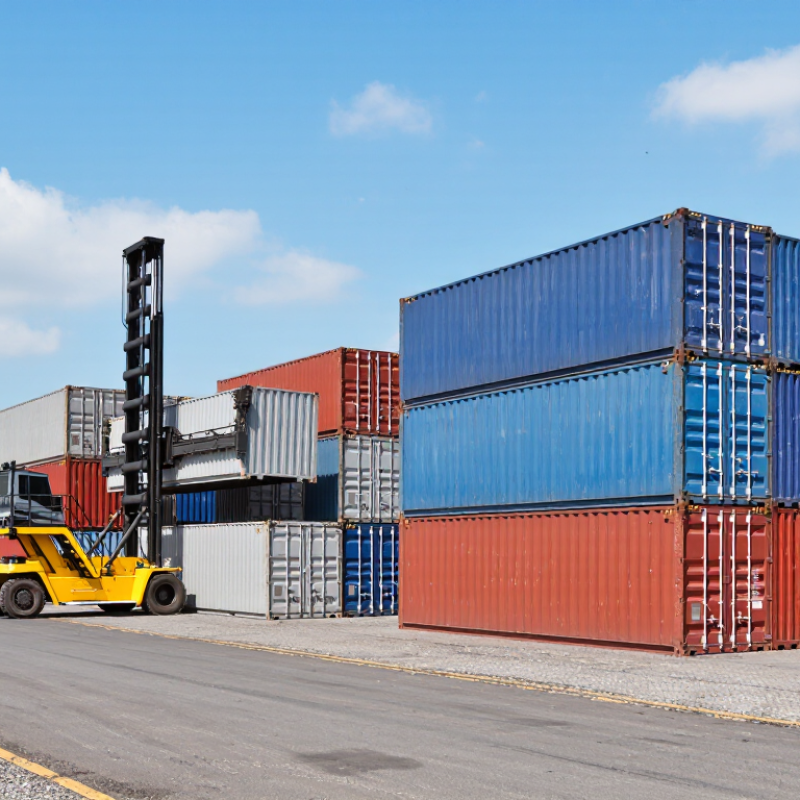
Understanding 40-Foot Storage Containers and Their Main Uses
A 40-foot storage container is a standardized steel enclosure, usually about 12.19 meters long and 2.44 meters wide externally. ISO 668:2020 specifies common container dimensions; internal space varies by model and wall thickness. A standard unit offers roughly 67 cubic meters, while a high-cube version adds about 30 centimeters of height. That matters. Tall shelving or bulky equipment may fit more easily, but the doorway can still limit access.
These containers suit construction-site materials, retail overflow, machinery, and household goods during renovation. UNCTAD’s Review of Maritime Transport 2024 reports global container-port throughput of 858.2 million TEUs in 2023. A 40-foot container equals two TEUs, reflecting how widely this size moves through supply chains. For stationary storage, check the container’s load rating, floor condition, door seals, and placement surface. A level base helps doors open smoothly. Still, a used unit may have dents or worn seals; inspection is easy to underestimate.
Tips: Measure large items and the doorway before delivery. Keep heavy goods low, distribute weight evenly, and leave a narrow aisle for access. Check ventilation needs too; condensation can damage stored contents.
| No. | Configuration and Typical Use | Typical External Dimensions (L × W × H) | Approx. Internal Dimensions (L × W × H) | Approx. Internal Volume | Selection Notes |
|---|---|---|---|---|---|
| 1 | Standard dry — general household storage | 12.19 × 2.44 × 2.59 m | 12.03 × 2.35 × 2.39 m | 67.7 m³ | Enclosed, weather-resistant storage for properly packed goods; keep cargo dry and ventilated as needed. |
| 2 | Standard dry — furniture and moving boxes | 12.19 × 2.44 × 2.59 m | 12.03 × 2.35 × 2.39 m | 67.7 m³ | Useful for bulky household loads; secure items to limit movement during transport. |
| 3 | Standard dry — boxed retail inventory | 12.19 × 2.44 × 2.59 m | 12.03 × 2.35 × 2.39 m | 67.7 m³ | Suitable for non-temperature-sensitive cartons and palletized stock. |
| 4 | Standard dry — tools and building supplies | 12.19 × 2.44 × 2.59 m | 12.03 × 2.35 × 2.39 m | 67.7 m³ | Check floor loading and distribute heavy materials evenly. |
| 5 | Standard dry — packaged agricultural products | 12.19 × 2.44 × 2.59 m | 12.03 × 2.35 × 2.39 m | 67.7 m³ | For dry, packaged goods; moisture-sensitive cargo may need liners or humidity control. |
| 6 | Standard dry — non-perishable food packaging | 12.19 × 2.44 × 2.59 m | 12.03 × 2.35 × 2.39 m | 67.7 m³ | Use only when the container is clean and suitable for the cargo; follow applicable food-safety rules. |
| 7 | Standard dry — paper and printed materials | 12.19 × 2.44 × 2.59 m | 12.03 × 2.35 × 2.39 m | 67.7 m³ | Protect from condensation and water ingress; paper is sensitive to humidity. |
| 8 | Standard dry — packaged textiles | 12.19 × 2.44 × 2.59 m | 12.03 × 2.35 × 2.39 m | 67.7 m³ | Best for bagged, boxed, or otherwise protected textiles. |
| 9 | Standard dry — non-hazardous spare parts | 12.19 × 2.44 × 2.59 m | 12.03 × 2.35 × 2.39 m | 67.7 m³ | Use racks or blocking to prevent small items from shifting or becoming inaccessible. |
| 10 | Standard dry — packaged furniture components | 12.19 × 2.44 × 2.59 m | 12.03 × 2.35 × 2.39 m | 67.7 m³ | Suitable for flat-packed goods and other non-temperature-controlled cargo. |
| 11 | Standard dry — event and exhibition equipment | 12.19 × 2.44 × 2.59 m | 12.03 × 2.35 × 2.39 m | 67.7 m³ | Plan access and secure cases or equipment against movement. |
| 12 | Standard dry — non-perishable emergency supplies | 12.19 × 2.44 × 2.59 m | 12.03 × 2.35 × 2.39 m | 67.7 m³ | Good for boxed supplies; sensitive medicines and perishables need controlled conditions. |
| 13 | Standard dry — packaged consumer appliances | 12.19 × 2.44 × 2.59 m | 12.03 × 2.35 × 2.39 m | 67.7 m³ | Keep appliances upright where required and brace loads carefully. |
| 14 | Standard dry — non-hazardous manufacturing inputs | 12.19 × 2.44 × 2.59 m | 12.03 × 2.35 × 2.39 m | 67.7 m³ | Confirm cargo compatibility, packaging, and maximum payload before loading. |
| 15 | Standard dry — seasonal inventory overflow | 12.19 × 2.44 × 2.59 m | 12.03 × 2.35 × 2.39 m | 67.7 m³ | Suitable for temporary storage when placed on a level site with appropriate security and drainage. |
| 16 | High-cube dry — bulky, lightweight cartons | 12.19 × 2.44 × 2.90 m | 12.03 × 2.35 × 2.69 m | About 76 m³ | Extra internal height compared with a standard dry container; verify door clearance and site height. |
| 17 | High-cube dry — tall furniture and fixtures | 12.19 × 2.44 × 2.90 m | 12.03 × 2.35 × 2.69 m | About 76 m³ | Useful when cargo height is the limiting factor; internal dimensions vary by unit. |
| 18 | High-cube dry — lightweight insulation products | 12.19 × 2.44 × 2.90 m | 12.03 × 2.35 × 2.69 m | About 76 m³ | Additional cube can help with bulky goods; payload limits still apply. |
| 19 | High-cube dry — packaged plastic products | 12.19 × 2.44 × 2.90 m | 12.03 × 2.35 × 2.69 m | About 76 m³ | Often useful for high-volume, relatively light cargo. |
| 20 | High-cube dry — large retail displays | 12.19 × 2.44 × 2.90 m | 12.03 × 2.35 × 2.69 m | About 76 m³ | Check the height and width of assembled or crated displays before loading. |
| 21 | High-cube dry — bulky packaging materials | 12.19 × 2.44 × 2.90 m | 12.03 × 2.35 × 2.69 m | About 76 m³ | Extra height may improve cube use for light, stackable materials. |
| 22 | High-cube dry — tall machinery parts in crates | 12.19 × 2.44 × 2.90 m | 12.03 × 2.35 × 2.69 m | About 76 m³ | Check door opening dimensions, cargo weight, and securement requirements. |
| 23 | High-cube dry — packaged foam and bedding | 12.19 × 2.44 × 2.90 m | 12.03 × 2.35 × 2.69 m | About 76 m³ | Extra volume is helpful for light, compressible, or bulky packaged goods. |
| 24 | High-cube dry — high-volume e-commerce stock | 12.19 × 2.44 × 2.90 m | 12.03 × 2.35 × 2.69 m | About 76 m³ | Useful for bulky non-perishable inventory; plan aisle and access arrangements if storing on site. |
| 25 | High-cube dry — oversized non-perishable supplies | 12.19 × 2.44 × 2.90 m | 12.03 × 2.35 × 2.69 m | About 76 m³ | Confirm that the cargo fits through the door, not just within the internal space. |
| 26 | Refrigerated — chilled food cargo | About 12.19 × 2.44 × 2.59 m | About 11.58 × 2.29 × 2.25 m | About 60 m³ | Requires a working refrigeration unit and an appropriate power supply; set temperature for the cargo. |
| 27 | Refrigerated — frozen food cargo | About 12.19 × 2.44 × 2.59 m | About 11.58 × 2.29 × 2.25 m | About 60 m³ | Use only with verified equipment, continuous power, and temperature monitoring. |
| 28 | Refrigerated — temperature-sensitive produce | About 12.19 × 2.44 × 2.59 m | About 11.58 × 2.29 × 2.25 m | About 60 m³ | Airflow can be affected by loading pattern; follow cargo-specific ventilation and temperature needs. |
| 29 | Refrigerated — flowers and plants in transit | About 12.19 × 2.44 × 2.59 m | About 11.58 × 2.29 × 2.25 m | About 60 m³ | Confirm temperature, ventilation, and humidity requirements for the specific cargo. |
| 30 | Refrigerated — temperature-controlled ingredients | About 12.19 × 2.44 × 2.59 m | About 11.58 × 2.29 × 2.25 m | About 60 m³ | Suitable where the cargo needs controlled temperatures; pre-cooling and monitoring may be required. |
| 31 | Open-top — tall cargo loaded from above | About 12.19 × 2.44 × 2.59 m | About 12.03 × 2.35 × 2.34 m | About 66 m³ | Removable roof covering allows top loading; cargo must be protected from weather. |
| 32 | Open-top — machinery loaded by crane | About 12.19 × 2.44 × 2.59 m | About 12.03 × 2.35 × 2.34 m | About 66 m³ | Confirm lifting access, cargo dimensions, and tie-down points before loading. |
| 33 | Open-top — long industrial components | About 12.19 × 2.44 × 2.59 m | About 12.03 × 2.35 × 2.34 m | About 66 m³ | Useful when top access is needed; assess overhead clearances and weather protection. |
| 34 | Open-top — construction materials loaded from above | About 12.19 × 2.44 × 2.59 m | About 12.03 × 2.35 × 2.34 m | About 66 m³ | Check cargo weight distribution and securement; dimensions vary by container design. |
| 35 | Flat rack — oversized machinery or equipment | Platform about 12.19 × 2.44 m | Open platform; no enclosed internal dimensions | Not applicable | End walls may be fixed or collapsible; confirm width, height, and weight limits for the specific unit. |
| 36 | Flat rack — wide industrial loads | Platform about 12.19 × 2.44 m | Open platform; no enclosed internal dimensions | Not applicable | For cargo that exceeds standard enclosed-container dimensions; special handling may be needed. |
| 37 | Flat rack — heavy, dense cargo | Platform about 12.19 × 2.44 m | Open platform; no enclosed internal dimensions | Not applicable | Payload and point-load limits are unit-specific; verify them before placing concentrated loads. |
| 38 | Side-opening — goods needing long-side access | About 12.19 × 2.44 × 2.59 m | Similar to standard dry; varies by design | Varies by design | Side doors can simplify loading and picking; check door configuration and clear opening dimensions. |
| 39 | Side-opening — event equipment or staged inventory | About 12.19 × 2.44 × 2.59 m | Similar to standard dry; varies by design | Varies by design | Convenient for access along the container length; side-door construction may reduce usable space. |
| 40 | Double-door — storage requiring access at both ends | About 12.19 × 2.44 × 2.59 m | Similar to standard dry; varies by design | About 67 m³ | Doors at both ends can improve access and stock rotation; inspect seals, locks, and door clearance. |
Dimensions and volumes are typical approximate values for common 40-foot container designs, not guaranteed specifications. Actual internal dimensions, payload, door openings, and capacity vary by unit, manufacturer, age, and configuration. Always verify the container’s data plate and cargo requirements before purchase, loading, or placement.
Related Posts
-

Top Shipping Container Sizes Explained for Your Next Project?
-

Top 10 Tips for Choosing Self Storage Containers for Your Needs?
-

2026 Guide: How to Choose a 20 Foot Storage Container for Your Needs
-
How to Choose the Perfect 10ft Shipping Container for Your Needs
-

Why Are Sea Containers Becoming Essential for Global Shipping and Storage
-

2026 Best One Trip Shipping Containers for Your Next Adventure?