What Are the Top 10 Brushcutter Spare Parts Buyers Need?
A brushcutter can look ready for work, yet one worn clutch, cracked fuel line, or blunt cutting head can stop it in the middle of a job. Choosing the right Brushcutter Spare Part is not just about matching a model number. Buyers also need to consider material quality, fit, operating conditions, and how often the machine is used. Small details matter. A loose filter seal can let dust reach the engine; a damaged guard can expose the operator to flying debris.
Demand for dependable maintenance is tied to the people who rely on outdoor power equipment every day. The U.S. Bureau of Labor Statistics projects 5% employment growth for grounds maintenance workers from 2023 to 2033, with about 171,600 openings annually. That is not a parts-sales forecast, but it shows the scale of work where reliable equipment matters. OPEI’s State of the Industry reporting also provides useful context on the outdoor power equipment sector, while ANSI/OPEI B175.2 sets safety requirements for brushcutters and similar equipment. Together, these sources make a practical point: compatibility and safe operation deserve attention before price alone.
This guide examines ten commonly needed replacement parts, from air filters and spark plugs to drive components and cutting attachments. It focuses on what to check before buying and which wear signs deserve attention. No machine lasts forever. A specific expert quotation is not included because no independently verifiable source was provided; inventing one would weaken buyer trust. Better to inspect the part, confirm the model, and verify the supplier’s specifications.
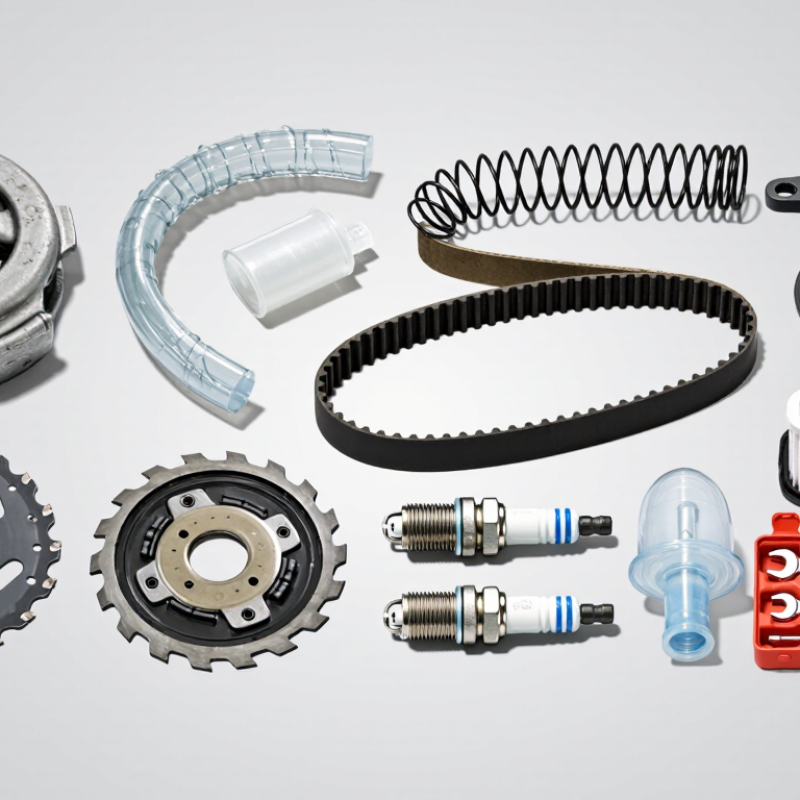
How Brushcutter Spare Parts Support Reliable Operation
Reliable operation begins with parts that fit and move as designed. The ten common spares are the cutting line, cutting blade, trimmer head, guard, drive shaft, clutch, air filter, spark plug, fuel filter, and starter rope. Each has a different job. A damaged guard, for example, can leave the operator exposed to flying debris, while a clogged air filter may cause rough running. Small faults add up.
Check wear before each work session, especially after cutting dusty grass or brushing against stones. Look for cracked plastic, frayed rope, bent blades, and loose fasteners. Replace parts with specifications suited to the machine, and consult its manual when fit is uncertain. That matters. A part that appears close enough may still cause vibration or poor cutting. Keep filters clean and cutting edges in sound condition; do not force a worn head to keep working. In practice, routine checks are easy to postpone. Even careful operators miss this sometimes. Note unusual vibration, hard starting, or a sudden loss of power, then inspect the likely parts before returning to work.
| Spare Part | Primary Function | Common Signs of Wear or Failure | What Buyers Should Check | How It Supports Reliable Operation |
|---|---|---|---|---|
| Cutting line and trimmer head | Cuts grass and light vegetation; the head holds and feeds the cutting line. | Line breaks or feeds unevenly; the head is cracked, worn, or difficult to load. | Confirm the head mounting type and the line diameter and profile allowed by the machine manual. | Suitable line and a sound head help maintain consistent cutting and reduce interruptions. |
| Cutting blade | Cuts heavier weeds and brush when the machine is designed for blade use. | Visible cracks, bent sections, damaged teeth, or excessive vibration. | Match the blade type, diameter, bore, and permitted use to the brushcutter specifications; replace damaged blades. | A compatible, undamaged blade supports controlled cutting and safer operation. |
| Air filter | Stops dust and debris from entering the engine’s intake. | Heavy dirt buildup, damage, poor engine response, or difficulty starting. | Check the filter material, shape, and fit; clean or replace it according to the manual and working conditions. | A clean, correctly fitted filter helps protect the engine and maintain airflow. |
| Spark plug | Ignites the air-fuel mixture in the engine cylinder. | Fouling, a damaged electrode, difficult starting, or irregular running. | Use the specified plug type and gap listed in the machine manual; inspect the plug condition. | A suitable, serviceable plug supports dependable starting and steady engine operation. |
| Fuel filter | Filters particles from fuel before it reaches the carburetor. | Restricted fuel flow, stalling, or poor running that may be related to fuel delivery. | Check the filter’s size, connection, and compatibility with the fuel system. | A clean filter helps reduce the risk of debris reaching fuel-system components. |
| Fuel lines | Carry fuel between the tank, filter, primer system, and carburetor. | Cracks, hardening, loose connections, fuel seepage, or visible deterioration. | Match the required hose dimensions and routing; use fuel-compatible material specified for the machine. | Sound, correctly routed lines help maintain fuel delivery and reduce leak risks. |
| Primer bulb | Moves fuel through the fuel system to assist starting on models fitted with a primer. | Cracks, fuel leakage, failure to fill, or a bulb that does not return to shape. | Check the bulb’s dimensions, connections, and fit for the specific fuel system. | A functioning primer can make the starting procedure more dependable when used as instructed. |
| Starter rope and recoil starter parts | Turn the engine during manual starting; the recoil assembly retracts the rope. | Frayed or broken rope, poor retraction, a slipping grip, or a starter that fails to engage. | Confirm rope size and compatible recoil components; inspect the assembly for damage before replacement. | Serviceable starting components help the operator start the machine consistently. |
| Clutch assembly | Transfers engine power to the cutting attachment as engine speed rises. | Slipping, unusual noise, overheating, or a cutting attachment that engages abnormally. | Match the clutch to the engine and drive-system specifications; have installation checked if needed. | A properly functioning clutch supports controlled power transfer to the attachment. |
| Gear head and drive-shaft components | Transmit rotation from the engine to the cutting attachment; the gear head changes the direction of drive. | Excessive play, unusual grinding noise, overheating, or damaged shaft connections. | Verify shaft and gear-head compatibility, connection dimensions, and lubrication requirements in the manual. | Compatible, properly maintained drive components help deliver power smoothly to the cutting head. |
Cutting Parts: Trimmer Head, Cutting Line, and Blades
What Are the Top 10 Brushcutter Spare Parts Buyers Need?
Cutting Parts: Trimmer Head, Cutting Line, and Blades
The trimmer head, cutting line, and blades handle different jobs, so choosing replacements by appearance alone can lead to poor results. Check the machine’s manual for the approved head type, line diameter, and blade size. A line that is too thick may strain the motor, while a thin line can break quickly against tough weeds. For neat edges around paths, a compatible bump-feed head can make line advancement easier. Keep its eyelets clear of packed grass.
Tips: Inspect the head for cracks and worn feed parts. Replace line evenly, and avoid overfilling the spool. Uneven winding can cause jams. Wear eye protection when checking cutting parts.
Use nylon line for grass and light trimming. For dense brush, a suitable blade may cut more cleanly, but it must match the machine’s specifications and guard setup. Never fit a blade simply because its mounting hole seems to fit. Check for dull edges, chips, and vibration before work; damaged or unbalanced blades need attention. I have seen people focus on the cutting edge and overlook a loose head. That small check is easy to skip, and worth remembering. After use, remove clippings and store parts dry.
Engine Parts: Air Filter, Spark Plug, Fuel Filter, and Starter Assembly
A brushcutter’s engine depends on a few small parts working together. The air filter keeps dust and grass particles out of the engine. If it is clogged, airflow can fall and performance may become uneven. A spark plug creates the ignition spark; worn electrodes or heavy deposits can make starting difficult. Check both parts regularly, especially after dusty work.
The fuel filter helps catch debris before it reaches the carburetor. Replace it if fuel flow seems restricted, and confirm the replacement matches the machine’s specifications. The starter assembly includes the pull cord and recoil mechanism. A frayed cord, weak return, or jammed pulley needs attention before the assembly fails completely. A clean-looking part is not always serviceable; I would not judge condition by appearance alone.
Tips: Let the engine cool before inspection. Keep removed parts clean and note their orientation. Use the operator’s manual to verify fit and service intervals. Don’t force a starter cord that will not retract; inspect the mechanism instead. The small details matter.
Drive and Support Parts: Clutch, Gearhead, and Harness
The clutch transfers engine power to the cutting head, so a poor replacement can cause slipping, vibration, or difficult starting. Check the part number, shaft dimensions, and mounting pattern before buying. A worn clutch may show dark heat marks or loose shoes, but appearance alone can mislead. Not always obvious.
The gearhead handles rotation at the cutting end and faces dust, impact, and heat. Look for rough bearing movement, damaged threads, and grease that appears dry or gritty. Match the gear ratio and shaft connection to the machine’s specifications; similar-looking units may not fit. Keep the old assembly nearby for comparison. It helps, though it is not proof of compatibility.
A harness supports the brushcutter’s weight and helps keep it controlled during longer work. Check the straps, stitching, buckles, and quick-release mechanism for fraying or cracks. The right harness should distribute load across the shoulders and hips without restricting movement. Fit matters. A replacement that feels comfortable indoors may shift once the machine is running, so adjust it with the unit switched off and the cutting head clear of the ground.
How to Choose Compatible Replacement Parts
A brushcutter’s ten common replacement parts include the cutting blade, nylon line head, trimmer line, guard, drive shaft, gear head, clutch, air filter, spark plug, and starter assembly. Matching the part to the machine matters more than choosing the cheapest option. Small details matter.
Check the model information and parts diagram before ordering. For a blade, compare the center-hole diameter, thickness, and permitted cutting diameter. For a line head, verify the mounting thread, thread direction, and shaft size. These measurements can look nearly identical, yet a small mismatch may prevent secure fitting. Guessing gets expensive.
For drive components, check shaft length, connector shape, and gear-head specifications. Air filters and spark plugs should match the engine’s listed dimensions and type; a similar-looking part may not seal or perform correctly. Inspect the old part for wear, but do not rely on appearance alone. A cracked guard, for example, should be replaced with one designed for the machine’s cutting setup. Keep the manual or a clear photo of the model label handy when comparing specifications. I have learned that one overlooked measurement can mean another trip to the supplier. If the fit remains uncertain, ask a qualified repair professional to confirm compatibility before installation.
Article Source:
Get a quote
Get a quote
Read More
Accept AllReject AllCustomise
Privacy Overview
| Cookie | Duration | Description |
|---|---|---|
| cookielawinfo-checkbox-advertisement | 1 year | Set by the GDPR Cookie Consent plugin, this cookie records the user consent for the cookies in the "Advertisement" category. |
| cookielawinfo-checkbox-analytics | 11 months | This cookie is set by GDPR Cookie Consent plugin. The cookie is used to store the user consent for the cookies in the category "Analytics". |
| cookielawinfo-checkbox-functional | 11 months | The cookie is set by GDPR cookie consent to record the user consent for the cookies in the category "Functional". |
| cookielawinfo-checkbox-necessary | 11 months | This cookie is set by GDPR Cookie Consent plugin. The cookies is used to store the user consent for the cookies in the category "Necessary". |
| cookielawinfo-checkbox-others | 11 months | This cookie is set by GDPR Cookie Consent plugin. The cookie is used to store the user consent for the cookies in the category "Other. |
| cookielawinfo-checkbox-performance | 11 months | This cookie is set by GDPR Cookie Consent plugin. The cookie is used to store the user consent for the cookies in the category "Performance". |
| CookieLawInfoConsent | 1 year | CookieYes sets this cookie to record the default button state of the corresponding category and the status of CCPA. It works only in coordination with the primary cookie. |
| viewed_cookie_policy | 11 months | The cookie is set by the GDPR Cookie Consent plugin and is used to store whether or not user has consented to the use of cookies. It does not store any personal data. |
| Cookie | Duration | Description |
|---|---|---|
| _cs_c | 1 year 1 month | The cookie is used by Content Square to save the user consent to be tracked. |
| Cookie | Duration | Description |
|---|---|---|
| _cs_id | 1 year 17 days 20 hours 13 minutes | This cookie is used to store the ContentSquare's user identifier ID. This is a persistent cookie and expires after 13 months. |
| _cs_s | 1 hour | This cookie is used to store the number of page's viewed by a visitor within the session for ContentSquare's solution. |
| _ga | 1 year 1 month 4 days | Google Analytics sets this cookie to calculate visitor, session and campaign data and track site usage for the site's analytics report. The cookie stores information anonymously and assigns a randomly generated number to recognise unique visitors. |
| _ga_* | 1 year 1 month 4 days | Google Analytics sets this cookie to store and count page views. |
| _gcl_au | 3 months | Google Tag Manager sets the cookie to experiment advertisement efficiency of websites using their services. |
| Cookie | Duration | Description |
|---|---|---|
| test_cookie | 15 minutes | doubleclick.net sets this cookie to determine if the user's browser supports cookies. |
| Cookie | Duration | Description |
|---|---|---|
| _cs_root-domain | session | Description is currently not available. |
| _cs_same_site | session | Description is currently not available. |