7 Tips for Choosing the Right Bucket Tooth
Choosing the right Bucket Tooth can determine how efficiently an excavator cuts, loads, and survives demanding ground conditions. A tooth that looks suitable may still perform poorly in compact clay, fractured rock, or abrasive sand. Small differences matter. Tip shape, penetration, adapter fit, alloy strength, and replacement access all affect daily results.
Heavy-equipment service consultant Sarah Mitchell explains, “A Bucket Tooth should match the ground before it matches the machine.” This practical view deserves attention. The excavator’s size is important, but it is not the only decision. Operators should inspect the working face, expected impact, digging angle, and available maintenance support. A narrow penetration tooth may enter hard soil quickly. A wider tooth can offer better material retention. Neither choice is automatically correct.
Look closely at the adapter and locking system. Excessive movement often signals wear, poor fitting, or an unsuitable tooth profile. Check the tooth after several shifts, not only when it fails. A simple photograph can reveal uneven wear, chipped edges, or abnormal loading.
Field experience also teaches a less comfortable lesson: the most expensive tooth is not always the best tooth. Sometimes buyers focus on purchase price and ignore downtime. Sometimes they choose aggressive penetration and sacrifice service life. Both decisions need reflection.
This guide presents seven practical tips for selecting a reliable Bucket Tooth. It considers working conditions, tooth design, material quality, fitment, wear patterns, maintenance, and total operating cost. The goal is not a perfect choice every time. It is a better-informed choice, supported by evidence from the jobsite.
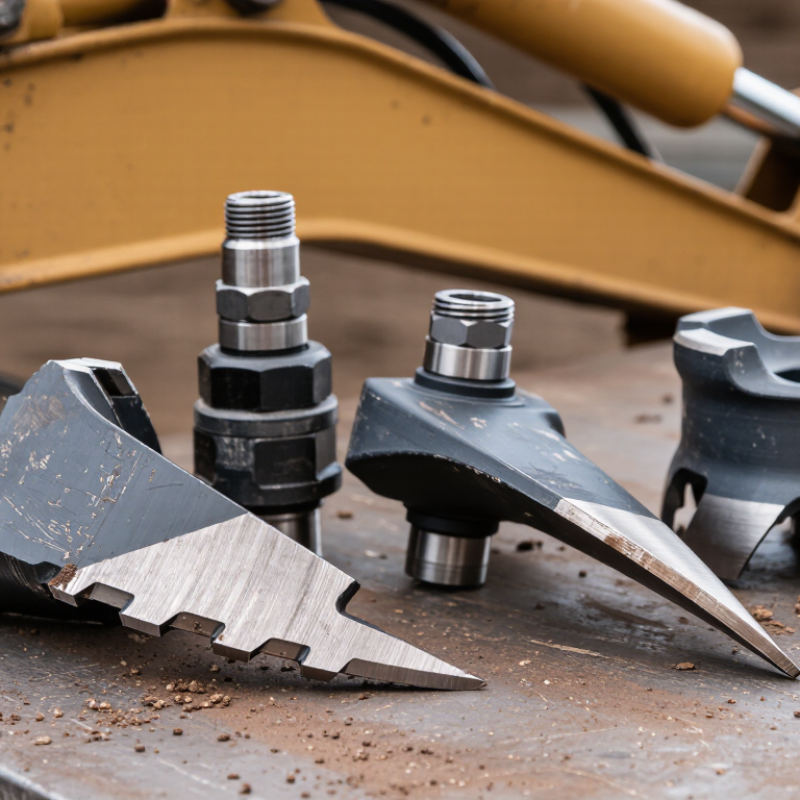
Understand Your Excavator’s Bucket Tooth Requirements
7 Tips for Choosing the Right Bucket Tooth
Understand Your Excavator’s Bucket Tooth Requirements
Match the bucket tooth to your excavator’s size, power, and working conditions. A compact excavator needs a lighter tooth than a heavy machine. Check the operator’s manual before ordering replacements. It gives useful limits for weight, fit, and digging force.
Study the ground closely. Sharp teeth work well in soft soil, while stronger, thicker profiles suit gravel or broken rock. Choose a tooth that matches your bucket adapter and locking pin. Even a small mismatch can create movement during digging. Measure the tooth length, width, and connection opening. Do not rely on appearance alone.
Think about the job’s digging angle. Some tooth shapes improve penetration, while others offer better wear resistance. Inspect the side cutters and adapter, not only the tooth tip. A worn adapter can make a new tooth perform poorly. I once replaced teeth without checking the adapters, and the wear returned quickly. That was an avoidable mistake. Check the tooth at the end of each shift. Look for cracks, loose pins, uneven wear, or a rounded point. Consider replacement cost, but do not choose the cheapest option automatically. A tooth that fails early can increase downtime and fuel use. Keep one spare set nearby when ground conditions change often.
Match Tooth Shape and Size to the Ground Conditions
7 Tips for Choosing the Right Bucket Tooth
Match the tooth shape and size to the ground, not only the excavator’s specifications. In compact clay, a narrow, penetrating tooth cuts a cleaner path. In fractured rock, a stronger, blunt profile resists impact and edge breakage. For loose sand and gravel, use a wider profile when surface coverage matters. USGS Mineral Commodity Summaries 2025 estimated U.S. crushed-stone production at about 1.5 billion metric tons in 2024. It also estimated construction sand and gravel production near 870 million metric tons. These figures reflect very different working conditions, even on nearby sites. Shape matters.
Check seven details: soil density, rock hardness, moisture, abrasion, digging depth, bucket capacity, and tooth clearance. Oversized teeth can reduce penetration and increase hydraulic demand. Undersized teeth may wear quickly under abrasive rock. ASTM D7625 describes the CERCHAR abrasivity test, which helps compare rock wear potential. A test result cannot replace field judgment, however. Operators should inspect the cutting edge after several cycles. Uneven polishing, corner loss, and cracking reveal mismatched geometry.
A common mistake is choosing the most aggressive tooth for every job. It may penetrate hard ground, but it can perform poorly in sticky clay. Another mistake is ignoring adapter fit. Even the right tooth shape becomes unreliable with excessive movement. Leave room for adjustment. Ground conditions can change within a few metres. Recheck the selection after rain, blasting, or a new excavation layer. Some decisions will still be imperfect. That is why measured wear is more useful than confident guessing.
7 Tips for Choosing the Right Bucket Tooth - Match Tooth Shape and Size to the Ground Conditions
| Tip | Ground or Work Condition | Recommended Tooth Shape | Typical Tooth Profile and Function | Size and Fit Guidance | Expected Wear Level | Selection Check |
|---|---|---|---|---|---|---|
| 1 | Loose soil, sand, topsoil, and general excavation | General-purpose or standard tooth | Moderately pointed profile that balances digging penetration, bucket fill, and service life. Suitable for routine loading and excavation. | Use the tooth system specified for the bucket adapter. Choose a size compatible with the excavator class and bucket width; avoid oversized teeth that reduce digging efficiency. | Low to Medium | Confirm that the tooth sits fully against the adapter and that the locking system is correctly installed. |
| 2 | Compacted clay, hard-packed soil, and mixed ground | Penetration or pointed tooth | Narrower and sharper nose concentrates breakout force at a smaller contact area, helping the tooth enter resistant soil. | Keep the tooth weight within the bucket and machine manufacturer’s recommended range. Do not compensate for an undersized bucket with an excessively heavy tooth. | Medium | Use a pointed profile when penetration is the limiting factor, but inspect the tip regularly for bending or accelerated edge wear. |
| 3 | Weathered rock, fractured rock, and heavily compacted material | Rock or chisel tooth | Reinforced body with a strong, relatively narrow point designed to focus digging force and resist impact loads. | Select a heavy-duty tooth and matching adapter designed for the bucket. The tooth pin, retainer, and adapter must be rated for the expected impact duty. | High | Use controlled breakout force rather than repeated high-impact prying, which can damage the tooth, adapter, bucket lip, or attachment. |
| 4 | Highly abrasive sand, gravel, quartz-rich soil, and slag | Abrasion-resistant or reinforced tooth | Thicker wear material and a robust nose provide more wear allowance where sliding abrasion removes metal quickly. | Choose a tooth with enough wear mass for the duty cycle, while maintaining adequate clearance for bucket penetration and material release. | High | Compare tooth weight, wear thickness, and replacement cost with the amount of abrasive material handled per working hour. |
| 5 | Digging narrow trenches or cutting through compact layers | Long, narrow penetration tooth | Extended point improves access into confined cuts and helps separate soil along a narrow digging path. | Match the tooth length to the bucket profile. Excessive length can increase leverage on the adapter and reduce structural durability. | Medium | Check trench width, side clearance, and tooth-to-tooth spacing so the profile does not interfere with the trench walls. |
| 6 | Loading loose material, grading, and applications where bucket capacity matters | Wide, blunt, or flush-profile tooth | Broader cutting edge supports smoother bucket loading and can leave a more even surface than a sharply pointed tooth. | Use a profile that does not project excessively below the bucket lip. Tooth spacing should support material retention without creating unnecessary gaps. | Low to Medium | Prioritize bucket fill, edge coverage, and smooth release when penetration into hard ground is not the primary task. |
| 7 | Mixed duties, changing ground conditions, or frequent tooth replacement | Matched system with interchangeable profiles | A compatible adapter and locking arrangement allow standard, penetration, and reinforced profiles to be changed according to the job. | Match the tooth part number, adapter nose, pin diameter, retainer, tooth width, and mounting orientation. Teeth from different systems are not automatically interchangeable. | Medium | Measure the adapter and compare the complete locking system before ordering. Replace loose, cracked, or excessively worn components as a set when necessary. |
Evaluate Tooth Material, Strength, and Wear Resistance
Choosing the right bucket tooth starts with understanding the ground, not the machine alone. A tooth working in wet clay faces different stress from one cutting through fractured rock. I have seen operators choose the hardest option, then discover cracked adapters after several shifts. Hardness helps, but excessive hardness can reduce toughness.
Examine the tooth material and its intended application. Alloy steel with controlled heat treatment often provides a practical balance between strength and impact resistance. Ask for material specifications, hardness ranges, and test information when available. Do not rely only on a polished surface or a confident sales description. Check the tooth after installation, too. Small edge chips may reveal uneven loading, poor alignment, or an unsuitable profile.
Wear resistance deserves careful attention. In abrasive sand, gravel, or quartz-rich soil, a tooth with stronger wear protection may retain its shape longer. In sticky clay, an overly bulky profile can increase digging resistance and fuel use. Measure the tooth length and compare it with the original profile during routine inspections. Replace it before the adapter begins striking the ground. That mistake is costly.
Look for even wear across the cutting edge. Uneven wear often points to operator technique or loose mounting hardware. Field conditions change, and the best choice may need revision after real work begins. Records help, although many crews do not keep them consistently. Even a simple note about hours, soil, and replacement timing can improve the next decision.
7 Tips for Choosing the Right Bucket Tooth
Evaluate tooth material, strength, and wear resistance using representative engineering properties.
Quenched-and-tempered alloy steel typically provides a balanced combination of tensile strength and hardness. High-manganese steel generally offers higher impact toughness and can work-harden during service, making it suitable for high-impact applications. Abrasion-resistant alloy steel usually delivers the highest initial hardness and wear resistance, but may be less tolerant of severe impact. Actual properties vary by heat treatment, casting quality, tooth geometry, and operating conditions.
Check Installation Fit and Replacement Compatibility
7 Tips for Choosing the Right Bucket Tooth
When choosing a bucket tooth, installation fit deserves more attention than appearance. A tooth that looks similar may still sit incorrectly on the adapter. Check the nose profile, pin diameter, locking method, and tooth position before ordering. Even a small gap can cause movement, uneven wear, or premature failure. Measure the adapter directly when possible. Mud and packed material can hide worn edges, so clean the area first. It takes a few extra minutes.
Replacement compatibility also depends on the bucket’s working conditions. Digging compact soil, breaking rock, and handling wet clay place different loads on the tooth and adapter. Confirm the tooth matches the adapter series, not only the bucket size. Review technical drawings, dimensions, and approved operating limits. A correct pin diameter is essential, but it is not the only check. The tooth must also lock securely without excessive force. Never enlarge a hole or force a mismatched part into position.
Test the fit before returning the machine to heavy work. The tooth should seat fully, move evenly, and remain stable after installation. Inspect the pin, retainer, and contact surfaces after several working hours. I once treated a tight pin as proof of a proper fit. That shortcut was wrong. Wear had distorted the opening. Careful inspection would have caught it earlier. Keep old parts for comparison, but do not copy their worn dimensions. Fresh measurements provide more reliable replacement decisions.
Compare Service Life, Cost, and Maintenance Needs
Choosing the right bucket tooth requires more than comparing purchase prices. Ground conditions should guide the decision.
In wet clay, a sharper tooth can improve penetration and reduce machine strain. In abrasive gravel, a thicker wear profile may deliver longer service life. Measure actual working hours, not just calendar days.
Tip one: match the tooth shape to the soil. Tip two: check the hardness and abrasiveness of the material. Tip three: compare cost per working hour.
Record tooth weight before installation. Weigh it again during inspections. This reveals wear more accurately than appearance alone.
Tip four: inspect the adapter, pin, and locking system together. A worn adapter can shorten tooth life and create uneven loading. Tip five: choose a retention system that workers can inspect quickly. Small maintenance delays often become expensive downtime.
A cheaper tooth is not always economical. I once saw a low-cost option wear quickly in crushed rock, forcing several unplanned changes. That experience changed how I compare parts.
Tip six: include labor, machine idle time, and lost production in the calculation. Tip seven: test a small batch before changing every tooth. Track fuel use, digging speed, wear rate, and replacement time. Keep spare retainers and inspect them after each shift. The best choice may still need revision when the site changes.
Article Source:
Get a quote
Get a quote
Read More
Accept AllReject AllCustomise
Privacy Overview
| Cookie | Duration | Description |
|---|---|---|
| cookielawinfo-checkbox-advertisement | 1 year | Set by the GDPR Cookie Consent plugin, this cookie records the user consent for the cookies in the "Advertisement" category. |
| cookielawinfo-checkbox-analytics | 11 months | This cookie is set by GDPR Cookie Consent plugin. The cookie is used to store the user consent for the cookies in the category "Analytics". |
| cookielawinfo-checkbox-functional | 11 months | The cookie is set by GDPR cookie consent to record the user consent for the cookies in the category "Functional". |
| cookielawinfo-checkbox-necessary | 11 months | This cookie is set by GDPR Cookie Consent plugin. The cookies is used to store the user consent for the cookies in the category "Necessary". |
| cookielawinfo-checkbox-others | 11 months | This cookie is set by GDPR Cookie Consent plugin. The cookie is used to store the user consent for the cookies in the category "Other. |
| cookielawinfo-checkbox-performance | 11 months | This cookie is set by GDPR Cookie Consent plugin. The cookie is used to store the user consent for the cookies in the category "Performance". |
| CookieLawInfoConsent | 1 year | CookieYes sets this cookie to record the default button state of the corresponding category and the status of CCPA. It works only in coordination with the primary cookie. |
| viewed_cookie_policy | 11 months | The cookie is set by the GDPR Cookie Consent plugin and is used to store whether or not user has consented to the use of cookies. It does not store any personal data. |
| Cookie | Duration | Description |
|---|---|---|
| _cs_c | 1 year 1 month | The cookie is used by Content Square to save the user consent to be tracked. |
| Cookie | Duration | Description |
|---|---|---|
| _cs_id | 1 year 17 days 20 hours 13 minutes | This cookie is used to store the ContentSquare's user identifier ID. This is a persistent cookie and expires after 13 months. |
| _cs_s | 1 hour | This cookie is used to store the number of page's viewed by a visitor within the session for ContentSquare's solution. |
| _ga | 1 year 1 month 4 days | Google Analytics sets this cookie to calculate visitor, session and campaign data and track site usage for the site's analytics report. The cookie stores information anonymously and assigns a randomly generated number to recognise unique visitors. |
| _ga_* | 1 year 1 month 4 days | Google Analytics sets this cookie to store and count page views. |
| _gcl_au | 3 months | Google Tag Manager sets the cookie to experiment advertisement efficiency of websites using their services. |
| Cookie | Duration | Description |
|---|---|---|
| test_cookie | 15 minutes | doubleclick.net sets this cookie to determine if the user's browser supports cookies. |
| Cookie | Duration | Description |
|---|---|---|
| _cs_root-domain | session | Description is currently not available. |
| _cs_same_site | session | Description is currently not available. |