Why Shipping Containers are the Ultimate Solution for Cost-Effective Storage and Transport
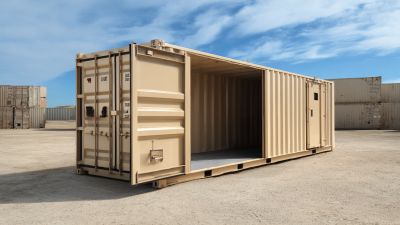
In recent years, shipping containers have emerged as a versatile solution for both storage and transport needs, revolutionizing the way businesses and individuals manage their goods. These robust containers offer an economical alternative to traditional storage and transportation methods, making them an appealing choice for many. With their durable design and ability to adapt to various environments, shipping containers are not just for transporting goods across seas—they are beneficial for a wide range of applications from temporary storage solutions to innovative housing projects.
As the demand for efficient and cost-effective logistics rises, understanding the advantages of utilizing shipping containers becomes increasingly important. This article will explore the numerous benefits associated with shipping containers, highlighting tips on how to effectively leverage them for your storage and transportation requirements. Discover how these structures can save you money, streamline your operations, and provide a sustainable answer to your storage challenges in an ever-evolving market.

The Versatility of Shipping Containers in Various Industries
Shipping containers have revolutionized storage and transportation across various industries due to their unparalleled versatility. According to a report by Mordor Intelligence, the global shipping container market is projected to grow at a CAGR of 5.5% between 2021 and 2026. This increase reflects a broader recognition of how shipping containers can be repurposed not just for transport, but also as invaluable assets for storage solutions in sectors such as retail, construction, and agriculture.
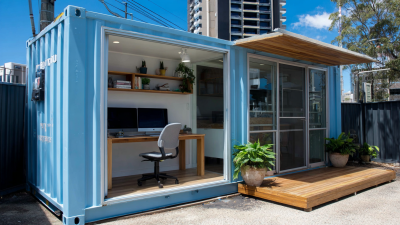
In the retail sector, for instance, shipping containers are being used for pop-up shops and mobile stores, enabling businesses to easily adapt to changing consumer demands. The World Economic Forum highlights that nearly 20% of global retail sales will occur online by 2025, pushing retailers to seek innovative ways to optimize their supply chains. Additionally, in construction, containers serve as site offices, tool storage, and even modular homes, providing a quick and economical solution to various operational needs. As a definitive solution for cost-effective storage and transport, shipping containers facilitate efficient operations across different industries, showcasing their immense adaptability and increasing significance in modern commerce.
Cost Savings: How Shipping Containers Reduce Storage and Transportation Expenses
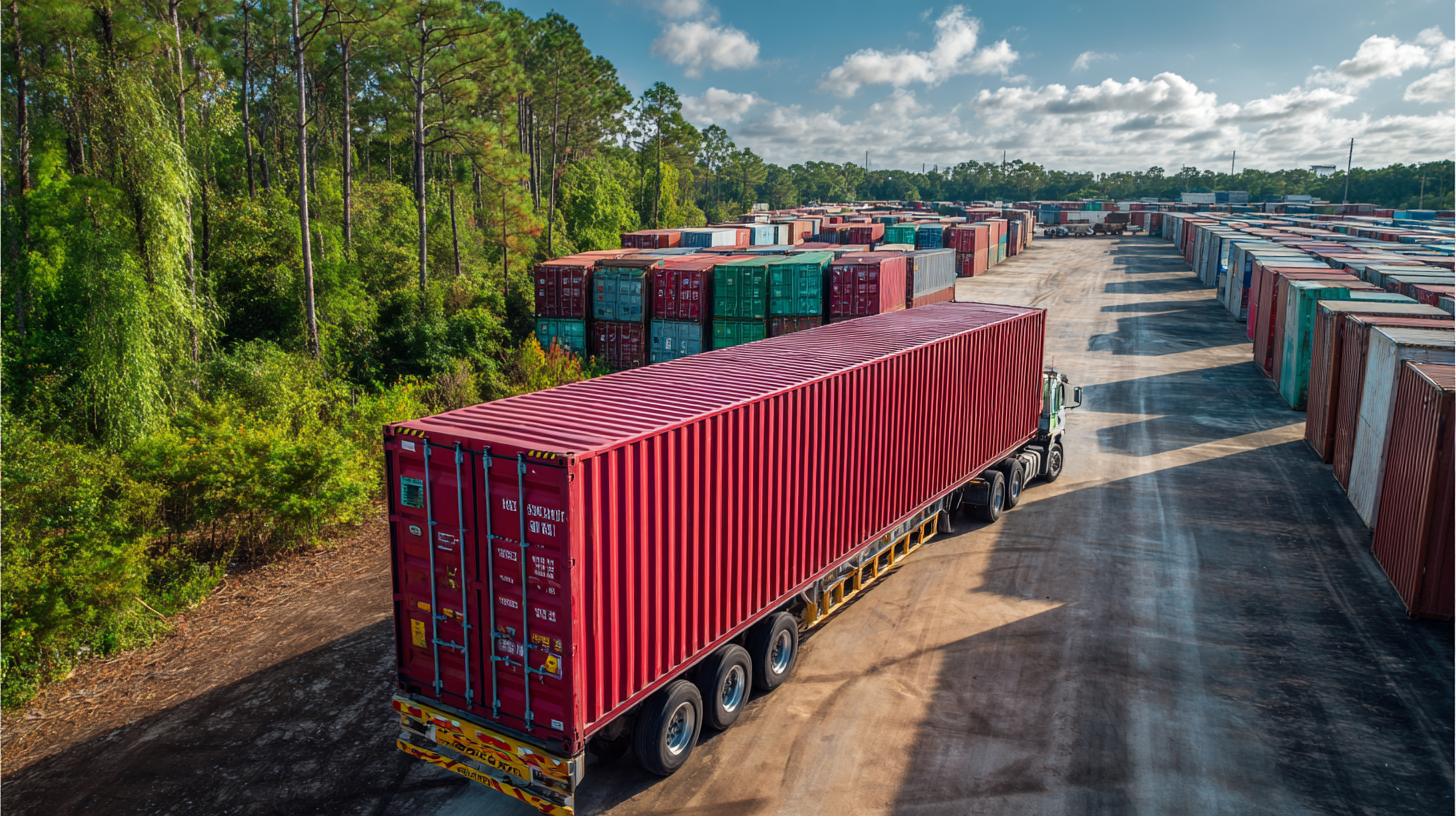
Shipping containers have emerged as a transformative solution for cost-effective storage and transportation, particularly in a rapidly evolving global logistics landscape. With innovations such as reusable smart boxes, companies are finding ways to cut costs significantly. The recent advances in containerization are paving the way for streamlined logistics, enabling businesses to optimize storage space while minimizing expenses associated with freight transport.
The shipping container market is set to experience substantial growth, projected to reach USD 12 billion by 2033. This surge indicates a growing reliance on containerization as a pivotal strategy for reducing overall logistics costs. In addition to traditional shipping, the dynamic deployment of containers throughout various transport channels, including railways, further exemplifies their versatility in fostering cost efficiencies. Businesses that embrace containerization not only benefit financially but also gain a competitive edge by adapting to the changing landscape of global trade.
Eco-Friendly Advantages of Using Shipping Containers for Transport
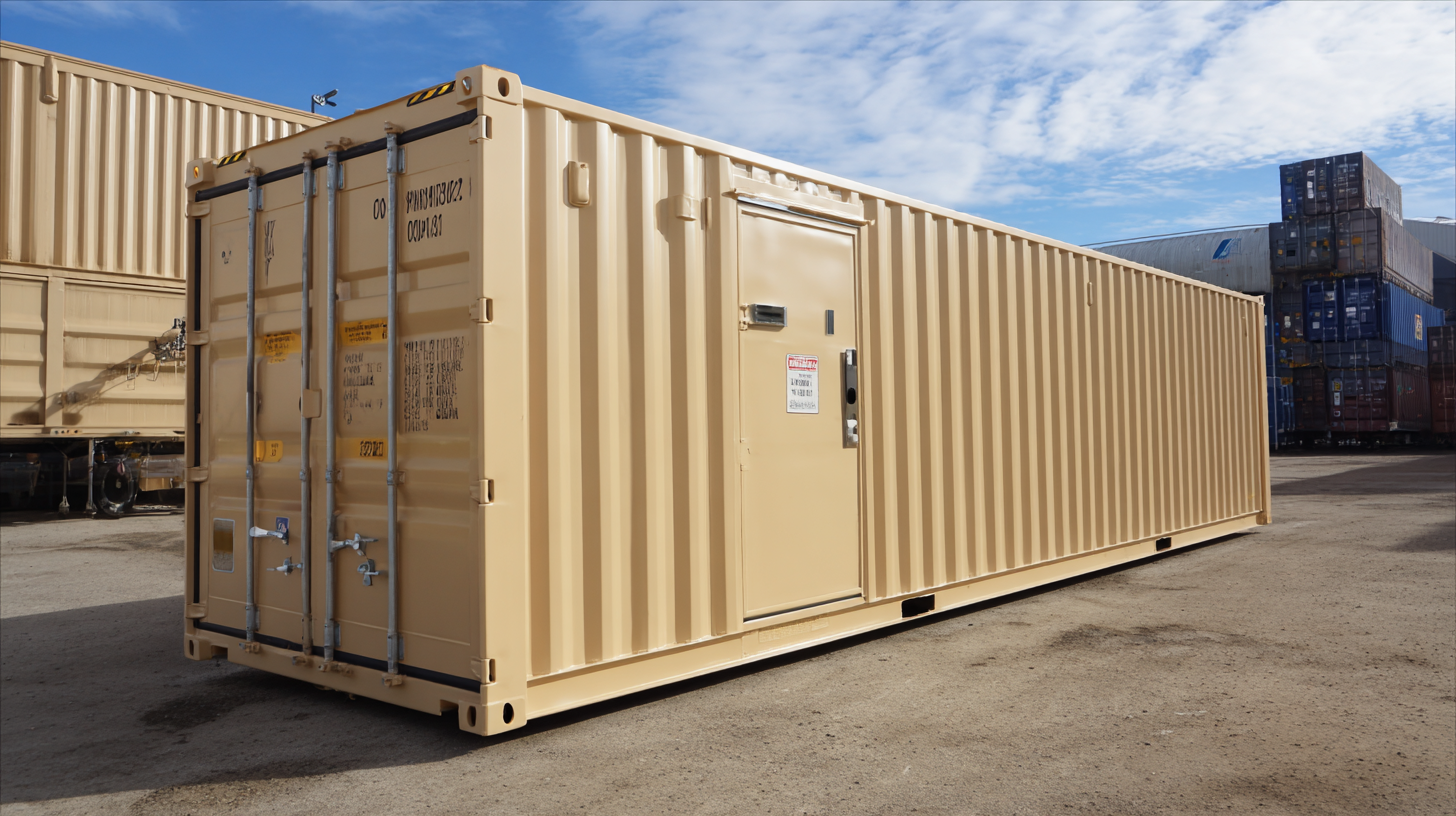
 Shipping containers are not just a versatile solution for storage and transport; they also provide significant eco-friendly advantages. One of the primary benefits of using shipping containers is their ability to reduce waste. By repurposing discarded containers, companies can help minimize the environmental impact associated with the manufacturing of new storage units. This practice not only conserves resources but also decreases landfill contributions, making it a sustainable choice in logistics.
Additionally, shipping containers can be easily modified for various uses, making them an ideal option for companies looking to minimize their carbon footprint. Many businesses are transforming containers into eco-friendly offices, pop-up shops, or even housing, which reduces the need for new construction. The durability of these containers also means they have a longer lifespan compared to traditional storage methods, further contributing to sustainability. By opting for shipping containers, businesses can align their operations with environmentally conscious practices, ultimately leading to a greener future.
Security Features of Shipping Containers: Protecting Your Goods
Shipping containers are not only a cost-effective solution for storage and transport but also boast robust security features that protect your valuable goods. According to research by IBISWorld, the global shipping container industry is projected to grow by 5.2% annually, reflecting increased demand for secure transport solutions. These containers are built with weather-resistant steel, making them virtually impenetrable and suitable for both inland and maritime environments. Their durability and robust design have made them the preferred choice for various industries, including retail, agriculture, and construction.
In addition to physical durability, many shipping containers come equipped with advanced security features, such as reinforced locking systems and contamination-resistant coatings. The Container Owners Association (COA) reports that nearly 60% of theft incidents in the supply chain occur during transportation or storage. With features like GPS tracking and alarm systems, shipping containers can significantly mitigate these risks. This combination of strength and technological innovation makes them not just a storage option but a secure fortress for goods in transit, ultimately leading to lower insurance premiums and peace of mind for businesses.
Innovative Uses: Transforming Shipping Containers Beyond Storage Solutions
Shipping containers have evolved far beyond their traditional role in transport and storage; they are now being innovatively repurposed in various industries. According to a report by Grand View Research, the global market for modified shipping containers is expected to reach USD 8.2 billion by 2025, driven by their versatility and cost-effectiveness. Today, shipping containers are being transformed into offices, pop-up shops, and even homes, contributing to sustainable living and business practices. Their modular nature allows for flexible design options, making them an attractive choice for both entrepreneurs and homeowners alike.
Tips for using shipping containers creatively include ensuring proper ventilation to maintain a comfortable environment, particularly if you're transforming them into living spaces. Additionally, consider local zoning laws and building codes when planning your shipping container project, as compliance can save time and money. With a little imagination and planning, the potential for shipping containers is limitless, making them a pragmatic solution for various modern needs.
Why Shipping Containers are the Ultimate Solution for Cost-Effective Storage and Transport - Innovative Uses: Transforming Shipping Containers Beyond Storage Solutions
| Application |
Cost Savings (%) |
Transport Flexibility (Rating 1-5) |
Environmental Impact (Rating 1-5) |
Innovative Feature |
| Mobile Pop-up Shops |
30% |
5 |
4 |
Customizable Layout |
| Instant Housing Solutions |
40% |
4 |
3 |
Sustainable Material Use |
| Workshops and Studios |
25% |
3 |
5 |
Mobile Flexibility |
| Event Spaces |
35% |
4 |
4 |
Versatile Design |
| Storage Facilities |
20% |
5 |
5 |
Stackable Design |