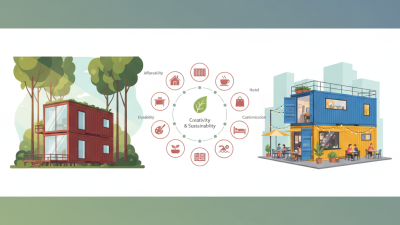
What is Shipping Container Conversions and How Are They Done?
Shipping container conversions have become a popular trend in the construction and architecture industry. As of 2021, the global shipping container market was valued at approximately $6.5 billion. This value continues to rise due to the increasing need for innovative and sustainable building solutions. Shipping container conversions provide a practical and often cost-effective alternative to traditional construction methods.
The appeal of shipping container conversions lies in their versatility. They can serve various purposes, from homes to offices and even pop-up shops. According to recent industry reports, the demand for converted containers is expected to grow by 15% annually. This growth highlights a shift in consumer preferences towards sustainable living and adaptive reuse of materials. However, the process is not without its challenges. Proper insulation and structural modifications are essential for ensuring safety and comfort. Mistakes in planning can lead to costly renovations and inadequate living conditions.
As shipping container conversions gain popularity, industry experts emphasize the importance of thoughtful design. Each conversion should reflect the unique context and needs of the user. This emphasis on personalization sets successful projects apart from the rest. Balancing creativity with functionality may lead to imperfections, inviting further improvements and innovations in the field.

What Are Shipping Container Conversions?
Shipping container conversions have gained significant traction in recent years, transforming these containers into functional spaces. The practice involves repurposing steel shipping containers into homes, offices, and even pop-up shops. According to a report by Business Insider, the global market for container conversion is expected to reach $73 billion by 2025. This growth reflects a surge in demand as more people seek affordable housing and sustainable building solutions.
The conversion process begins by selecting a suitable container. Containers are then stripped of their original features. New windows, doors, and interior layouts are added. Insulation is crucial for climate control, especially in extreme temperatures. While many projects successfully create unique living spaces, challenges exist. Poorly executed insulation or ventilation can lead to discomfort. Additionally, structural integrity is a concern during extensive modifications.
Design flexibility is a major benefit of container conversions. Custom layouts can fit diverse needs. Yet, potential buyers should critically evaluate each project. Not every container is suitable for conversion; some may have structural issues that complicate renovations. Investing in a thorough inspection is essential to ensure a reliable final product. As the sector evolves, awareness of these factors remains vital.
What is Shipping Container Conversions and How Are They Done?
| Dimension |
Measurement |
Common Use |
| Standard Container |
20ft x 8ft x 8.5ft |
Storage, Small Offices |
| High Cube Container |
40ft x 8ft x 9.5ft |
Modified Living Spaces |
| Reefer Container |
40ft x 8ft x 9.5ft |
Cold Storage / Perishables |
| Flat Rack Container |
20ft or 40ft |
Transporting Heavy Loads |
| Open Top Container |
20ft or 40ft |
Oversized Cargo |
Common Uses for Converted Shipping Containers
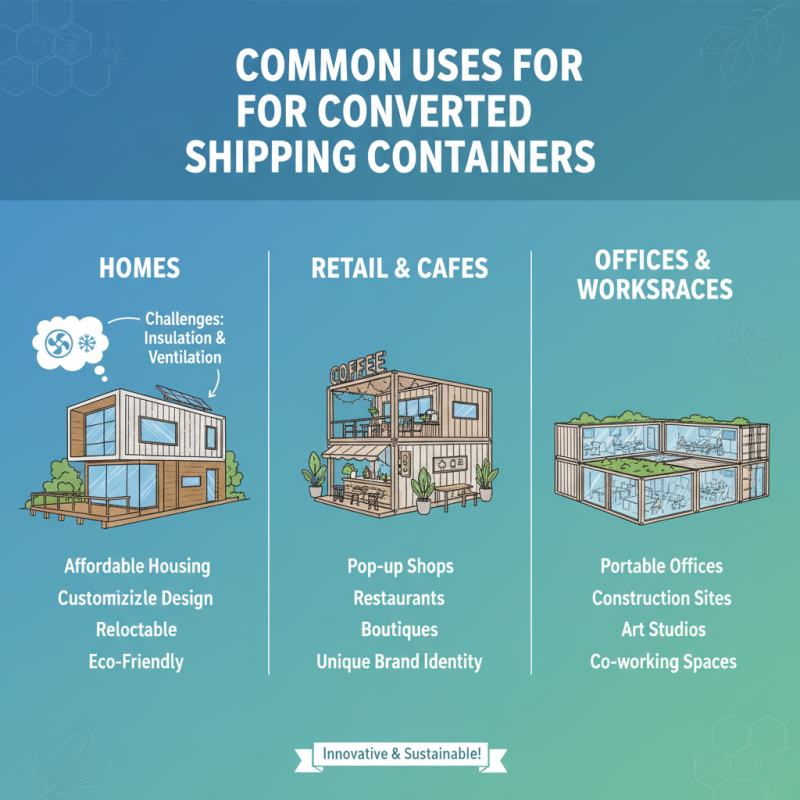
Converted shipping containers have gained popularity for various innovative uses. One common application is transforming them into homes. Container homes offer affordable housing solutions and can be customized for unique designs. They can be easily relocated and are environmentally friendly. However, insulation and ventilation can be challenges that require thoughtful solutions.
Another popular use is in retail. Converted containers can serve as pop-up shops or food stalls. Their mobility allows businesses to set up in different locations easily. While this flexibility is advantageous, factors like local regulations and customer accessibility should be considered.
Additionally, shipping containers can become workspaces. They can be transformed into office spaces or creative studios. The compact design encourages efficient use of space, but risks of overcrowding and noise can affect productivity. With careful planning and design, these challenges can be managed effectively.
Steps Involved in the Conversion Process
Shipping container conversions have gained popularity as innovative solutions for various needs. The conversion process involves specific steps that require careful planning and execution. To ensure a successful project, understanding these steps is crucial.
The first step in the conversion process is sourcing the right container. According to industry reports, about 80% of containers used for conversions are standard 20-foot or 40-foot models. It’s vital to choose a container in good condition, free from holes and rust. Proper inspections help avoid future structural issues.
Next, designing the interior layout is essential. Many conversions aim to create living spaces or work environments. A well-organized layout enhances functionality. Environmental impact should be considered too; reused shipping containers reduce resource consumption. The interior must comply with local building codes, which can be a complex challenge. Addressing these regulations upfront can prevent project delays.
After design approval, the conversion process involves cutting openings for windows and doors, installing insulation, and completing plumbing and electrical work. Skilled labor is critical, as improper installation can lead to safety hazards. According to the National Association of Home Builders, the labor costs can represent up to 30% of a conversion project. It's important to budget wisely and choose experienced professionals to navigate these complexities effectively.
Essential Tools and Materials for Container Conversion
When it comes to shipping container conversions, having the right tools and materials is crucial. A well-prepared workspace is necessary to ensure safety and efficiency. Basic tools include welding machines, saws, and drills. These tools help in cutting and joining metal efficiently. It's important to use high-quality equipment to avoid accidents and ensure precise results.
In addition to tools, the choice of materials greatly impacts the final outcome. Insulation materials are essential for climate control. Both foam and fiberglass options have their pros and cons. Foam provides better thermal resistance, but may be harder to install. Fiberglass is lighter but may not insulate as well. According to industry reports, properly insulated containers can reduce energy costs by 30% in extreme climates.
Don't overlook safety gear. Hard hats, gloves, and eyewear protect workers from potential hazards. Additionally, securing permits is often necessary before starting any construction. While DIY projects can be fulfilling, they may also lead to unforeseen challenges. Seeking professional advice can save time and resources in the long run. Balancing cost with quality can be tricky, which requires careful reflection on priorities.
Shipping Container Conversion Costs Breakdown
This bar chart represents the estimated costs associated with various components involved in the conversion of shipping containers. Costs range from purchasing the container to completing the interior finishes, with insulation and labor contributing significantly to the overall expenditure.
Considerations and Challenges in Shipping Container Conversions
Shipping container conversions involve repurposing standard shipping containers into functional spaces such as homes, offices, or community hubs. While the creative possibilities are vast, several considerations must guide the process. Factors like insulation, ventilation, and structural integrity are crucial. Proper planning ensures comfort and safety in the new space.
One major challenge is the need for permits and adherence to local building codes. Each region has different regulations, which can complicate the conversion process. Owners must conduct thorough research to avoid legal issues. In addition, the condition of the container itself can pose problems. Inspecting for rust and structural damage is essential.
Understanding the costs involved is also necessary. Renovations can range from budget-friendly to extravagant, depending on the desired end product. This unpredictability may lead to financial strain if not properly managed. Inadequate budgeting can delay projects and increase frustration. Thoughtful reflection before beginning the conversion can mitigate some of these challenges.