Why Are Sea Containers Becoming Essential for Global Shipping and Storage
The rise of sea containers has fundamentally transformed the landscape of global shipping and storage, making them an indispensable asset in the modern supply chain. According to the United Nations Conference on Trade and Development (UNCTAD), the world fleet of container ships has surpassed 200 million TEUs (Twenty-foot Equivalent Units), reflecting a remarkable increase that signifies the growing reliance on this mode of transport. In fact, over 80% of global merchandise trade by volume is carried by sea, with containers facilitating efficient and secure logistics that were previously unimaginable.
Moreover, the COVID-19 pandemic has accelerated the importance of sea containers as businesses pivot to meet shifting demands in an increasingly volatile market. The World Bank has reported that trade logistics costs can account for nearly 15% of a product's final price, and with the cost-effectiveness of shipping in sea containers, companies are better positioned to manage these expenditures. The adaptability of sea containers, which can be used for varying types of cargo—including perishables, hazardous materials, and oversized items—further consolidates their role as a critical component in global trade.
As industries continue to evolve, the logistics sector faces emerging challenges such as port congestion and supply chain disruptions. Nevertheless, the versatility and efficiency of sea containers will likely make them a cornerstone of storage solutions and global logistics systems, thereby shaping the future of international trade for years to come.
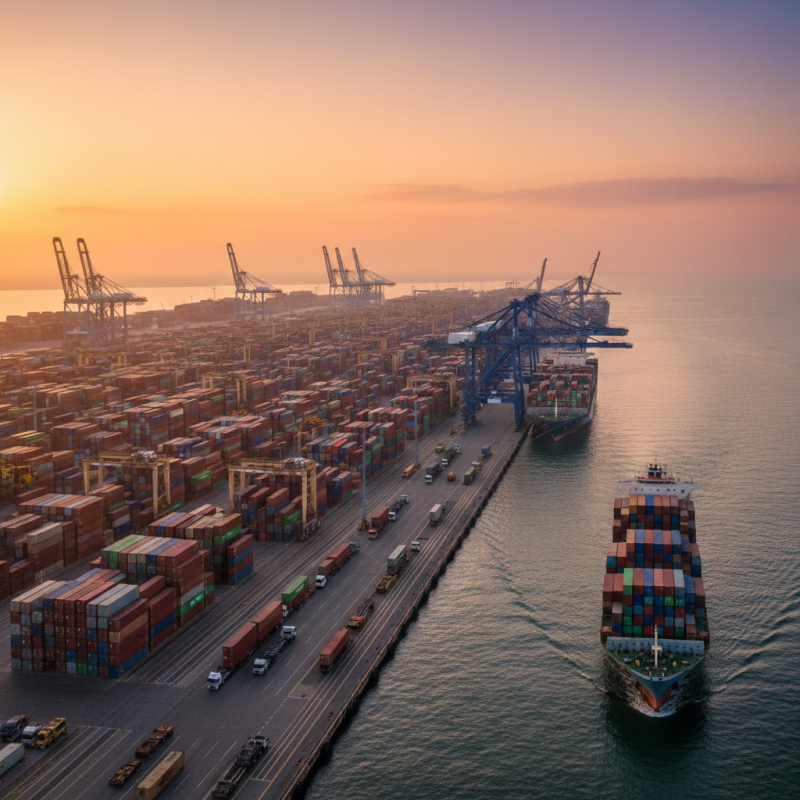
The Evolution of Sea Containers in Global Trade
The evolution of sea containers has been a pivotal factor in transforming global trade. Initially introduced in the 1950s,
the standardized shipping container revolutionized how goods are transported across oceans, enabling increased efficiency
and reducing shipping costs.
According to the United Nations Conference on Trade and Development (UNCTAD),
the total volume of containerized cargo has surged, with forecasts projecting that it will reach approximately
1.7 billion TEUs (Twenty-foot Equivalent Units) by 2030. This growth highlights the critical role that
sea containers play in facilitating international trade and supply chain management.
One significant advancement in sea container usage is the implementation of advanced technology, which enhances tracking
and management, further optimizing logistical operations. Reports indicate that approximately 90% of
non-bulk cargo is transported via container shipping, underscoring the reliance on this method. Moreover, the
increased adoption of intermodal transportation, where cargo can seamlessly shift between different modes of transport,
has solidified the container's status as a cornerstone of modern logistics. As countries continue to embrace global trade,
the importance and evolution of sea containers will undeniably remain at the forefront of the shipping industry.
Key Benefits of Using Sea Containers for Shipping and Storage
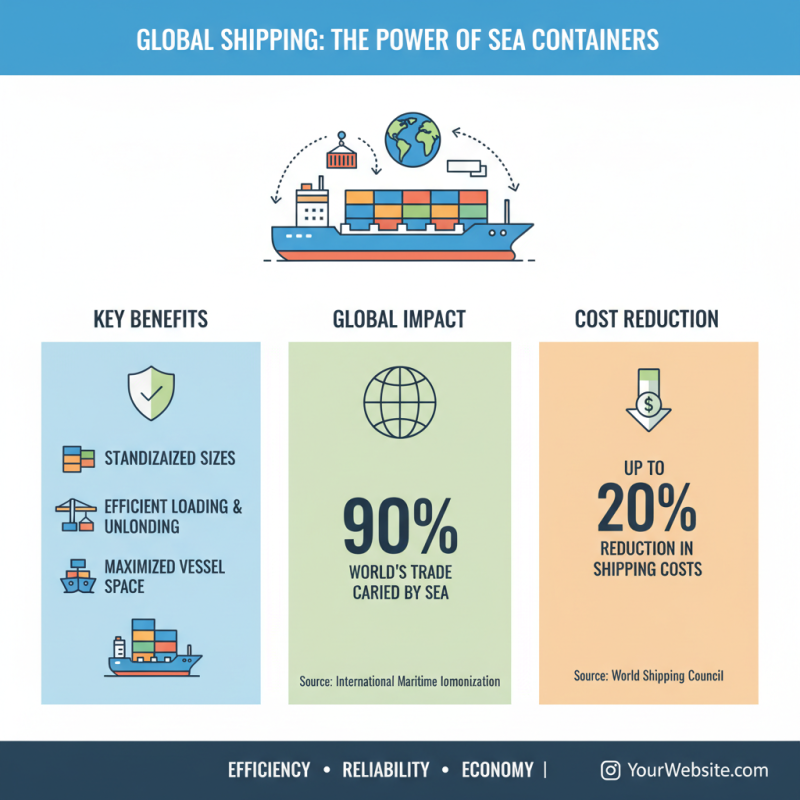
Sea containers have become a pivotal element in the realm of global shipping and storage, boasting several key benefits that enhance efficiency and reliability. According to a report by the International Maritime Organization, approximately 90% of the world’s trade is carried by sea, highlighting the critical role of container shipping in global commerce. One primary advantage of using sea containers is their standardized sizes which facilitate easy stacking and efficient loading and unloading. This standardization allows shipping companies to maximize space on vessels, leading to a more economical transportation process. Data from the World Shipping Council indicates that the use of containers has significantly reduced shipping costs by up to 20%, making it an attractive option for businesses seeking to minimize expenses.
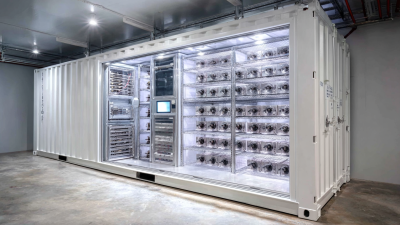
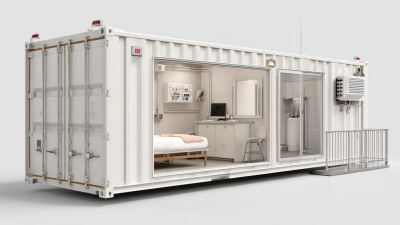
Moreover, sea containers are designed with durability and security in mind. They are built to withstand harsh marine conditions and can protect cargo from damage, theft, and theft attempts. Reports suggest that nearly 75% of companies using sea containers experience reduced damage to goods during transit, fostering greater trust in their supply chains. Additionally, the versatility of these containers enables them to be repurposed as storage units, providing businesses with flexible options that meet their evolving needs.
**Tips for Businesses:**
Consider using sea containers for both shipping and on-site storage to streamline your operational processes. Additionally, conduct regular inspections of your containers to ensure they remain in optimum condition, safeguarding your inventory during transportation and storage. Lastly, take advantage of digital tracking technologies that can be integrated with sea containers to enhance transparency and operational efficiency across your supply chain.
The Impact of Sea Containers on Supply Chain Efficiency
Sea containers have revolutionized global shipping and storage by significantly enhancing supply chain efficiency. With their standardized sizes, these containers simplify the loading and unloading process at ports, facilitating faster turnaround times and reducing costs for shipping companies. The uniformity of sea containers allows for seamless transfers between different modes of transport, such as ships, trucks, and trains, thus streamlining logistics and minimizing delays.
Additionally, the robust design of sea containers ensures that goods are well-protected during transit, reducing the risk of damage and loss. This reliability contributes to maintaining inventory levels and meeting delivery deadlines, which is crucial for businesses competing in today’s fast-paced market. As a result, companies can better predict lead times and manage stock levels, ultimately leading to improved customer satisfaction.
**Tips**: When using sea containers for shipping, consider integrating real-time tracking systems to monitor shipment status efficiently. This can further enhance supply chain visibility and accountability. Also, ensure proper packing techniques are employed to maximize space usage within the containers, allowing for cost-effective shipping and storage solutions.
Impact of Sea Containers on Supply Chain Efficiency
This chart illustrates the increasing volume of sea container usage over the years, highlighting their essential role in enhancing global shipping and storage efficiency.
Challenges and Innovations in Sea Container Technology
The evolution of sea container technology faces numerous challenges that shipping companies must navigate to meet the growing demands of global trade. One significant hurdle is the increasing complexity of supply chain logistics. As global markets expand, the need for more efficient and flexible shipping solutions has become paramount. Companies are adopting advanced tracking systems and smart containers equipped with IoT devices, enabling real-time monitoring of cargo conditions and locations. This innovation helps mitigate risks related to theft, damage, and spoilage, enhancing the overall reliability of shipping operations.
Another pressing challenge is the environmental impact of shipping. As the industry is under scrutiny to reduce its carbon footprint, container technology is evolving to implement more sustainable practices. Innovations such as the development of lightweight materials and energy-efficient designs are helping to minimize fuel consumption. Moreover, some shipping companies are exploring the use of alternative energy sources, including wind and solar power, to further decrease emissions. By investing in greener technologies, the industry aims to balance the increasing demand for global shipping with the necessity of environmental responsibility.
Why Are Sea Containers Becoming Essential for Global Shipping and Storage - Challenges and Innovations in Sea Container Technology
| Dimension |
Current Trends |
Challenges |
Innovations |
| Sustainability |
Increased use of eco-friendly materials |
Higher costs and availability of sustainable materials |
Development of biodegradable containers |
| Digitalization |
Adoption of IoT for tracking |
Data security and privacy issues |
Smart containers with GPS and sensors |
| Modularity |
Shift towards modular designs |
Compatibility across different systems |
Adaptable container systems for various cargo |
| Security |
Enhanced locking mechanisms |
Theft and damage during transit |
Remote monitoring and alerts |
Future Trends in Sea Container Use and Sustainability
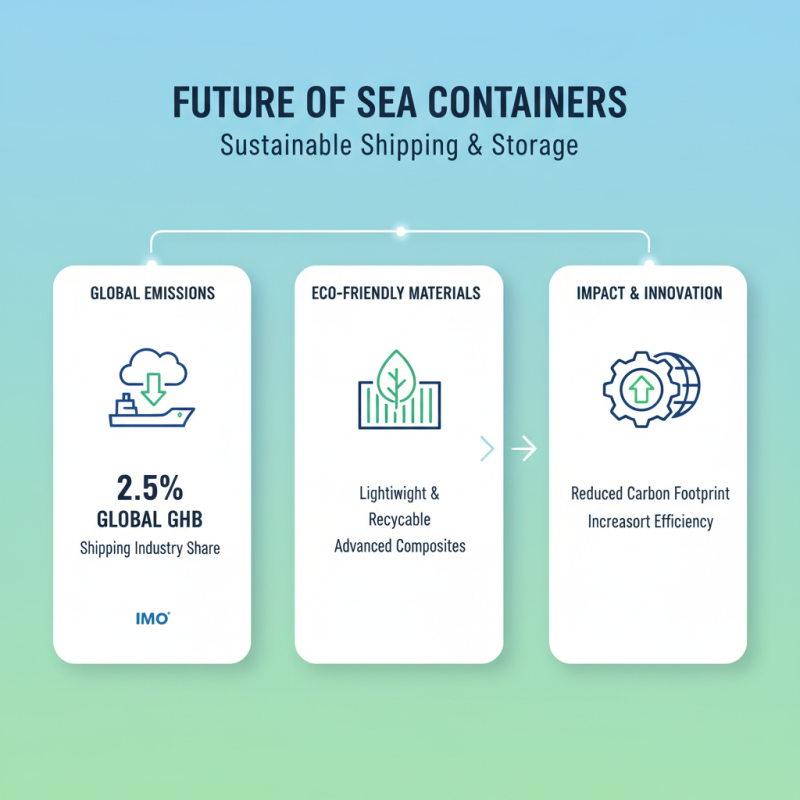
The future of sea container use is being shaped by evolving trends in global shipping and storage, particularly in sustainability. As reported by the International Maritime Organization (IMO), the shipping industry accounts for approximately 2.5% of global greenhouse gas emissions. To combat this, there is a significant push towards utilizing eco-friendly materials in the manufacturing of sea containers. Innovations like lightweight, recyclable containers made from advanced composite materials are gaining traction, enhancing both transport efficiency and environmental responsibility.
Moreover, the integration of technology is set to revolutionize container logistics. Smart containers equipped with IoT sensors are already being implemented, providing real-time data on temperature, humidity, and location. According to a report by Transparency Market Research, the global smart container market is expected to reach USD 5.5 billion by 2026, growing at a CAGR of 24.6%. This surge in smart technology not only optimizes supply chain operations but also contributes to reducing carbon footprints by minimizing waste and enhancing resource management.
Sustainability practices are also influencing the end-of-life solutions for sea containers. Initiatives focused on repurposing and recycling used containers are on the rise, aiming to close the loop in resource management. Industry experts predict that the adoption of circular economy principles could lead to a 30% reduction in material costs for container manufacturers by 2030. As demand for sustainable practices grows, the role of sea containers in global trade will continue to evolve, balancing efficiency with environmental stewardship.