What is Rail Equipment and How Does It Impact Supply Chains?
Rail Equipment plays a vital role in modern supply chains. It encompasses various assets such as locomotives, freight cars, and track systems. These components ensure efficient transportation of goods across long distances. As industry expert Sarah Thompson states, "Rail equipment is the backbone of our logistics systems." Her insight highlights the crucial impact that rail has on operational efficiency.
In recent years, supply chain disruptions have emphasized the importance of reliable rail services. Companies increasingly rely on rail equipment to move bulk materials. When rail systems function well, goods reach their destinations on time. However, aging infrastructure poses challenges. Maintenance delays and equipment failures can interrupt the flow of goods.
While rail equipment significantly enhances supply chain reliability, it also faces scrutiny. Many seek to modernize rail systems to reduce these risks. Innovations in technology can improve performance and safety. Yet, the investment required raises questions about sustainability. As the industry evolves, it must balance modernization with cost-effectiveness. The future of rail equipment remains complex, requiring ongoing reflection and adaptation.
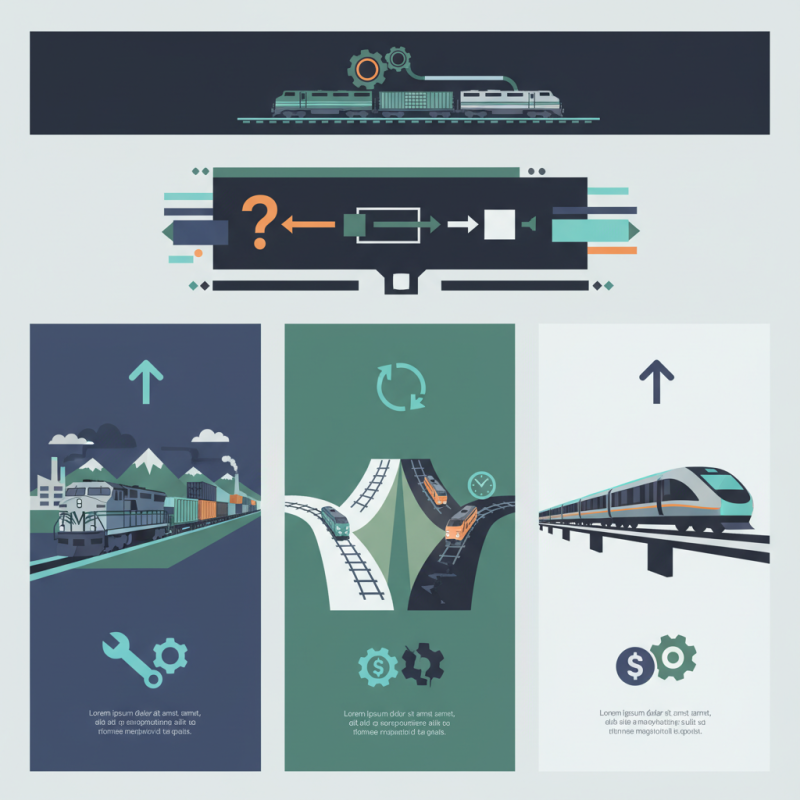
Definition and Types of Rail Equipment in the Transportation Industry
Rail equipment plays a crucial role in the transportation industry. This category includes various forms of rolling stock. Common types are freight cars, locomotives, and passenger coaches. Each type serves a distinct purpose in logistics and mobility.
Freight cars transport goods like coal, automobiles, and consumer products. They come in various styles, such as boxcars and flatcars.
Locomotives provide the necessary power to move these loads. Passenger coaches, on the other hand, focus on individuals traveling from one location to another.
The efficiency of rail equipment directly impacts supply chains. Delays can ripple through the entire process. Maintaining rail equipment is essential for reliable service. Regular inspections and repairs can help address unforeseen issues.
However, sometimes even the best-maintained equipment can fail unexpectedly. This reality highlights the importance of adaptability in logistics planning.
Role of Rail Equipment in Supply Chain Efficiency and Reliability
Rail equipment plays a significant role in enhancing supply chain efficiency and reliability. It includes freight cars, locomotives, and supporting infrastructure. Each component is vital for the transportation of goods. Properly maintained rail equipment ensures timely deliveries. This, in turn, minimizes delays and reduces costs for businesses.
However, challenges exist. Inefficient rail equipment can lead to disruptions. Aging trains and tracks can cause delays. Regular maintenance is essential but often overlooked. Companies face pressure to maximize profits, which can lead to neglecting updates.
Investing in modern rail technology is crucial. Advanced systems improve tracking, reduce waste, and enhance safety. Companies that prioritize rail equipment often enjoy better supply chain performance. Yet, not every organization sees the value. Some may resist change, missing opportunities to boost their operational efficiency.
Impact of Rail Equipment on Freight Costs and Delivery Schedules
Rail equipment plays a crucial role in the efficiency of supply chains. The type and condition of rail cars can significantly influence freight costs. For example, specialized railcars, such as refrigerated units, often command higher rates. The choice of equipment can thus affect overall pricing strategies.
Delivery schedules are similarly impacted by the rail equipment in use. Aging equipment may lead to delays and increased maintenance. This could ripple through the supply chain, causing unexpected disruptions. In contrast, modern equipment often features tracking technology. Enhanced monitoring helps predict arrival times more accurately.
However, there are gaps in the adoption of advanced rail equipment. Some rail companies may resist investment in newer technology due to costs. This hesitation can hinder efficiency and increase freight costs in the long term. Evaluating the current equipment and its state is essential for optimizing operations.
Technological Advancements in Rail Equipment and Their Benefits
Technological advancements in rail equipment have significantly transformed supply chains. Innovations like automated systems and predictive analytics improve efficiency. According to a report by the American Association of Railroads, railroads moved 1.7 billion tons of freight in 2022, showcasing the importance of these advancements.
Smart sensors can monitor equipment health in real-time. This reduces downtime, preventing costly delays. A survey by the Railway Supply Institute highlights a growing adoption of IoT solutions among 60% of rail companies. These technologies, however, require substantial investment and training.
While rail advancements boost productivity, challenges remain. Cybersecurity risks are rising with increased connectivity. Rail systems must adapt to these vulnerabilities. As the industry evolves, maintaining reliability against disruptions is crucial. Rail equipment's future lies in striking a balance between innovation and security.
Challenges and Future Trends in Rail Equipment for Supply Chains
Rail equipment plays a crucial role in modern supply chains. However, many challenges persist. According to the American Association of Railroads, freight volumes are expected to increase by 30% by 2045. This shift puts pressure on existing rail systems. Aging infrastructure often leads to delays and inefficiencies. Many railroads have not adapted to the latest technology. This creates bottlenecks that can disrupt supply chains.
Future trends indicate a push for innovation. Autonomous trains and smart sensors are on the horizon. These advancements could enhance operational efficiency. Research from the International Rail Research Board suggests that digitization could reduce costs by 20%. Yet, the transition won't be smooth. Training personnel on new technologies poses a significant hurdle. Resistance to change within organizations can slow down adoption.
Moreover, sustainability is becoming essential. The transportation sector must address its carbon footprint. Rail is more energy-efficient than road transport, yet further improvements are needed. The 2023 Global Sustainability Report emphasizes ongoing investments in greener technologies. As the industry embraces these changes, some challenges will likely remain. The path to modernization is fraught with obstacles, but the potential rewards are substantial.