What is a Forklift Charger and How Does It Work?
In the realm of material handling, understanding a "Forklift Charger" is crucial. These chargers ensure that forklifts operate efficiently in various industries. As John Roberts, an expert in electric vehicle charging systems, states, "A reliable forklift charger is key to maintaining productivity and safety on the job."
The components of a Forklift Charger include transformers, rectifiers, and control systems. Each plays a role in converting and regulating power to the forklift's batteries. This process is not without challenges, such as battery compatibility and charging times, which can vary significantly across different models.
Reflecting on the importance of proper charging practices, many organizations overlook the maintenance of their charging equipment. This oversight can lead to performance issues and increased downtime. Understanding the intricacies of a Forklift Charger is essential for operational success. While there are many resources available, on-the-job experience often teaches the most valuable lessons.
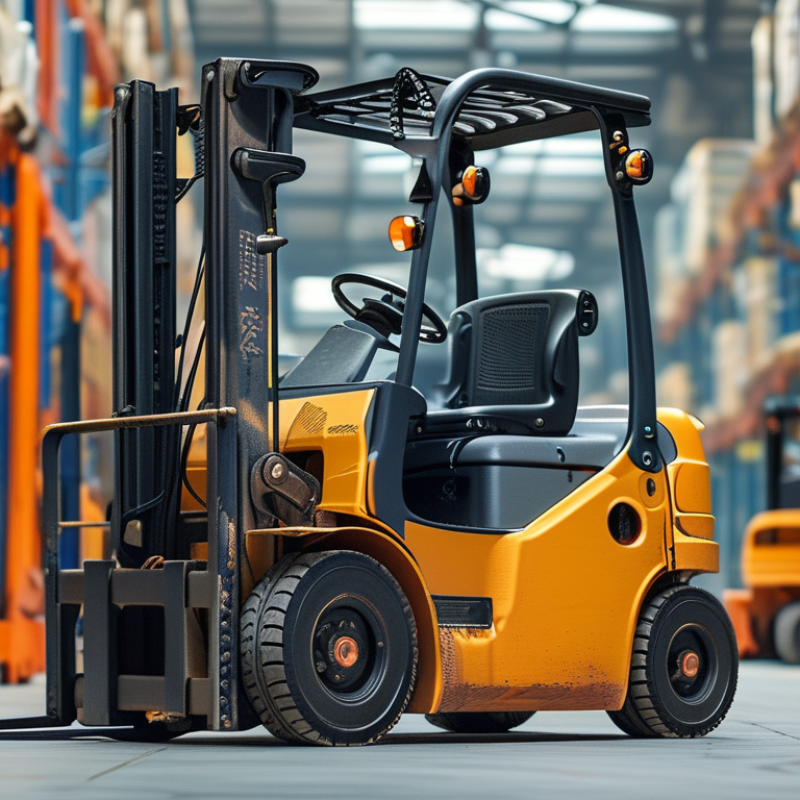
What is a Forklift Charger: Definition and Purpose
A forklift charger is essential in an industrial environment. It is designed to recharge the batteries used in electric forklifts. The purpose is clear: keep these machines operational and efficient. Most chargers provide varying levels of voltage and current. This ensures the battery receives the right energy for optimal performance.
The charging process involves converting AC power into DC power. This conversion is critical for battery health. Many chargers include smart technology, which monitors the battery's condition. They can adjust the charging process based on voltage levels. This prevents overcharging, which can damage the battery over time. However, not all chargers are created equal. Some may lack advanced features that extend battery life. Users must choose wisely to avoid unnecessary costs.
Proper maintenance of a forklift charger also matters. Dust accumulation can interfere with performance. Regular checks can help identify issues early on. Understanding the charger’s capabilities and limitations fosters better usage. It’s a learning curve for many operators. Observing how different chargers affect battery life can lead to better choices in the future.
Types of Forklift Chargers: Understanding Lead-Acid vs. Lithium-Ion
When it comes to forklift charging, understanding the differences between lead-acid and lithium-ion chargers is crucial. Lead-acid chargers have been the industry standard for years. They are cost-effective and widely used in most warehouses. However, they require longer charging times, usually around 8 to 12 hours. This can lead to downtime, particularly in operations requiring continuous use. According to a recent industry report, lead-acid batteries generally have a lifespan of about 1,500 cycles.
On the other hand, lithium-ion chargers are becoming increasingly popular due to their efficiency. They charge faster, typically within one to three hours, reducing operational downtime. Lithium-ion batteries also offer a longer lifespan of approximately 5,000 cycles. This data indicates a significant cost-saving potential over time. However, the initial investment is higher, which can be a barrier for some smaller operations. The shift to lithium-ion reflects a trend towards optimizing productivity while balancing upfront costs with long-term savings.
Both types have their strengths and weaknesses. The choice relies heavily on your specific operational needs. Careful evaluation of how forklifts are used in your facility can lead to better decision-making. This analysis should also consider future needs, as battery technologies continue to evolve rapidly.
How Forklift Chargers Work: The Charging Process Explained
The charging process of a forklift charger is crucial for maintaining efficiency in warehouse operations. A typical forklift battery charger works by converting AC power into DC power. This process begins with the rectifier, which transforms alternating current into direct current. The voltage then gets regulated, ensuring the battery receives the correct amount of power. Data shows that using the right charger can improve battery life by 20% to 30%.
Chargers operate with different charging profiles. Fast charging provides quick power, while opportunity charging allows for brief charging sessions during downtime. Many facilities prefer opportunity charging as it can lead to nearly continuous operation. However, improper charging can damage batteries. In fact, a study indicated that 40% of forklift battery failures stem from inadequate charging practices.
Safety is another vital aspect of charging processes. Proper ventilation can reduce the risk of explosive gas buildup during charging. Understanding the details of the charging process can help facility managers make informed decisions. Mismanagement of these practices can lead to costly downtime and erratic performance. Thus, investing in quality education around forklift chargers becomes essential.
Battery Charging Times for Different Forklift Battery Types
Key Features to Consider When Choosing a Forklift Charger
When selecting a forklift charger, several key features are crucial to ensure optimal performance. One important aspect is the charger type. Forklift chargers can be classified into standard and smart models. Smart chargers offer better energy efficiency and can reduce charging time by 20-30%. This can be a vital consideration for businesses aiming to maximize operations.
Another factor is the voltage and amp rating of the charger. Most electric forklifts operate on 36V or 48V systems. Choosing the right charger ensures compatibility and prevents damage to the battery. Misjudging the specifications can lead to reduced battery lifespan or inefficient charging cycles. Additionally, industry data indicates that around 25% of battery failures are linked to improper charging practices, highlighting the need for careful selection.
Charging time is also a critical consideration. Fast chargers can charge a forklift battery in as little as two hours, which is ideal for high-demand environments. However, they might generate more heat and could impact battery health long-term. Businesses must weigh the benefits of fast charging against these potential drawbacks, ensuring they make an informed decision. The efficiency of energy use, convenience, and the impact on battery life should all guide the choice of a forklift charger.
Industry Standards and Safety Measures for Forklift Charging Systems
Industry standards for forklift charging systems are crucial for ensuring safe and efficient operation. Forklifts often rely on large battery systems that need proper charging protocols. Regular maintenance and adherence to safety measures help prevent accidents. An overloaded charger can lead to overheating, which is a significant risk.
Implementing safety measures is essential. Charging stations should be well-ventilated to reduce the risk of battery gases accumulating. Using automatic shut-off timers can prevent overcharging. It's important for operators to receive training on safe charging practices. They should know how to identify signs of battery damage. This includes checking for leaks or corrosion.
Keeping charging areas clear of obstructions is vital. This can prevent accidents and ensure quick access in emergencies. Regular inspections of charging systems can uncover potential hazards. Reflecting on current practices is necessary to enhance safety. Operators must adopt a proactive approach to maintain high industry standards.
What is a Forklift Charger and How Does It Work? - Industry Standards and Safety Measures for Forklift Charging Systems
| Charger Type | Voltage Rating | Amperage | Charging Time | Safety Features |
| Lead-Acid Charger | 24V | 30A | 8 hours | Overcurrent protection |
| Lithium-Ion Charger | 48V | 20A | 2-4 hours | Temperature monitoring |
| Fast Charger | 36V | 60A | 1 hour | Voltage regulation |
| Chopper Charger | 48V | 35A | 6 hours | Short circuit protection |