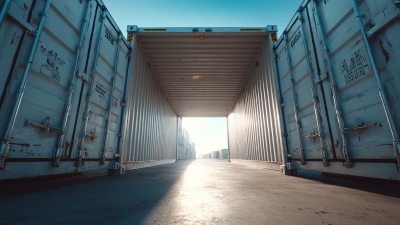
How Much Can You Fit in a 40 Ft Container?
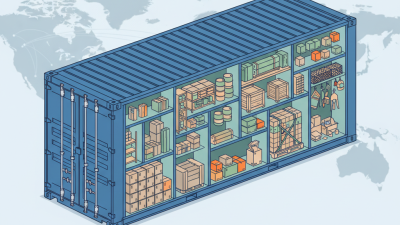
When it comes to shipping logistics, understanding the capacity of a 40 ft container is essential. According to the World Cargo Alliance, a standard 40 ft container can hold approximately 2,390 cubic feet of cargo. This is significant for businesses seeking efficiency and cost savings in their shipping operations.
Renowned logistics expert David Smith states, "Maximizing the use of a 40 ft container can lead to substantial savings." His insights underline the importance of careful planning and optimization in container loading. A 40 ft container can typically accommodate about 28,000 pounds of cargo, but this varies depending on the type of goods.
However, fitting the maximum amount may not always be straightforward. For example, irregularly shaped items can limit how much fits inside. Careful consideration of packing techniques is essential. Shipping managers often face challenges in balancing weight distribution and maximizing space. The quest for efficiency continues to evolve, highlighting areas for improvement in logistics practices.

Understanding the Dimensions of a 40 Ft Container
When considering a 40 ft container, understanding its dimensions is crucial for efficient space utilization. A typical 40 ft container has an internal length of approximately 12.03 meters and a height of 2.39 meters. This equates to about 67.7 cubic meters of volume inside. Industry standards indicate that this container can typically hold about 25-30 standard pallets, depending on their configuration and dimensions.
The weight limit for a fully loaded 40 ft container usually hovers around 30,480 kg. However, the actual load capacity can vary based on regulations and the container's structural integrity. It is essential to assess weight distribution to avoid compromising safety. Miscalculating weight can lead to shipping issues or even accidents during transportation.
Space inside the container is not always utilized to its fullest. Many shippers underestimate dimensional constraints. For example, bulky items can take up space inefficiently. Careful planning and item dimensions need to be balanced. Understanding these measurements will help shippers optimize their cargo and prevent unnecessary costs. Improved planning can lead to more effective use of each shipment.
Types of Goods Suitable for Shipping in a 40 Ft Container
When considering the types of goods suitable for shipping in a 40 ft container, efficiency and protection are key. A 40 ft container has an internal capacity of approximately 2,390 cubic feet and can hold up to 26,000 pounds. Common items transported include machinery, textiles, and furniture. These robust units safeguard goods from weather and theft during transport.
Heavy items like construction materials or metal products utilize the container's weight capacity well. Transporting seasonal goods, like clothing or electronics, benefits from the ample space. A 40 ft container can fit around 20 standard pallets or 40,000 t-shirts, making it ideal for bulk shipments. However, it is crucial to allocate space wisely. Overloading can lead to damage and increased shipping costs.
Some goods, particularly perishables, require additional considerations. Refrigerated containers offer a solution, but they are costly compared to standard containers. Industry reports note that improper packing of fragile items can lead to significant losses. Each shipment should be approached with care to ensure reliability and prevent wastage, as the packing process is as vital as the shipping itself.
Calculating Volume and Weight Limitations of a 40 Ft Container
When planning to use a 40 ft container, understanding its volume and weight limitations is essential. A standard 40 ft container has an internal capacity of approximately 2,390 cubic feet. This is useful for calculating how much cargo you can fit inside. However, weight is just as crucial. The maximum payload for most containers is around 26,000 pounds. Exceeding this can lead to safety issues and possible damage.
Properly packing a container is an art. Use the vertical space effectively. Stacking items can optimize the volume used. Additionally, consider weight distribution. Heavier items should go on the bottom to keep the center of gravity low. This practice enhances stability during transportation.
During loading, label items clearly. This helps in identifying contents easily upon arrival. Keep track of what goes in the container, as misplacing items can lead to inefficiencies. If you are unsure about your packing skills, seek advice from professionals. They often have tips to maximize both space and safety. Planning ahead saves time and prevents costly mistakes. The journey may seem easy, but each detail matters.
Efficient Packing Techniques for Maximizing Space Utilization
Packing efficiently in a 40 ft container can significantly affect your shipping costs and the amount of goods you can transport. To maximize your space, consider using modular packing techniques. This involves arranging your items in layers and using the height of the container. Flat-packed or stackable goods allow you to optimize vertical space better. When packing fragile items, secure them closely to prevent movement during transit.
Utilizing void fill materials such as packing peanuts or air pillows can prevent shifting. However, overpacking can lead to damage, so ensure that every item is snugly fit but not crammed. It's about achieving a balance between maximizing space and maintaining item integrity.
Measure your goods beforehand. Having precise dimensions helps avoid wasted space. Consider creating a packing plan, visualizing how each item fits. It might feel challenging, but this reflection improves future packing endeavors. Always reassess your methods and adapt them based on your cargo type. Packing doesn't have to be perfect, but it should always be deliberate.
Common Misconceptions About Cargo Capacity in 40 Ft Containers
Many people underestimate how much can fit in a 40 ft container. The common belief is that these containers are simply large boxes. However, the internal dimensions tell a different story. A standard 40 ft container measures about 39.5 ft long, 7.7 ft wide, and 7.9 ft high. This means there is around 2,400 cubic feet of cargo space. Yet, the actual usable volume often gets miscalculated due to packaging and stacking methods.
Another misconception arises around weight limits. The maximum payload for a 40 ft container can exceed 26,000 pounds. However, this varies based on the materials and items being packed. For example, dense goods like machinery will require more consideration than lighter items like textiles. It's crucial to balance weight distribution to avoid damaging cargo or violating shipping regulations.
It's interesting to note that many shippers overlook the practical aspects of filling a container. Simple items may be packed inefficiently, leaving valuable space untapped. Mishaps often occur during loading with incorrect stacking. Not enough attention might lead to damaged goods. Proper planning and understanding of cargo behaviors are essential steps towards maximizing space and ensuring safety.
How Much Can You Fit in a 40 Ft Container? - Common Misconceptions About Cargo Capacity in 40 Ft Containers
| Item Type |
Quantity |
Weight per Unit (kg) |
Total Weight (kg) |
Volume per Unit (m³) |
Total Volume (m³) |
| Boxes |
1200 |
5 |
6000 |
0.1 |
120 |
| Furniture |
30 |
20 |
600 |
1.5 |
45 |
| Bikes |
200 |
15 |
3000 |
0.2 |
40 |
| Electrical Appliances |
100 |
10 |
1000 |
0.5 |
50 |
| Clothing |
5000 |
0.5 |
2500 |
0.02 |
100 |