How to Choose Steel Shelving for Your Business in 2026
Choosing Steel Shelving for your business in 2026 requires more than comparing prices online. Your decision affects storage capacity, worker safety, picking speed, and future expansion. In a small parts room, a shallow shelf may prevent wasted reaching and hidden stock. In a busy warehouse, adjustable levels can accommodate cartons, tools, and seasonal inventory. Details matter.
This guide focuses on practical decisions used in real workplaces. Before selecting Steel Shelving, measure wall heights, aisle widths, floor conditions, and the size of stored items. Record the heaviest expected load, not only today’s average load. A shelf holding boxed hardware needs different support from one storing lightweight office supplies. Check manufacturer load ratings, connection methods, coating quality, and installation instructions. Local workplace requirements may also influence spacing, anchoring, and inspection routines. Reliable product documentation is essential.
A sensible system should remain useful when your business changes. Modular shelves can reduce replacement costs when product lines expand or layouts shift. However, flexibility is not unlimited. I have seen attractive systems become inefficient because shelves were too deep for fast picking. I have also seen low-cost units develop instability after uneven loading. These mistakes are easy to overlook. Review the plan with staff who use the shelves daily. Their experience may reveal blocked aisles, awkward lifting, or poor visibility. The best choice balances evidence, budget, durability, and honest reflection about how your operation really works.
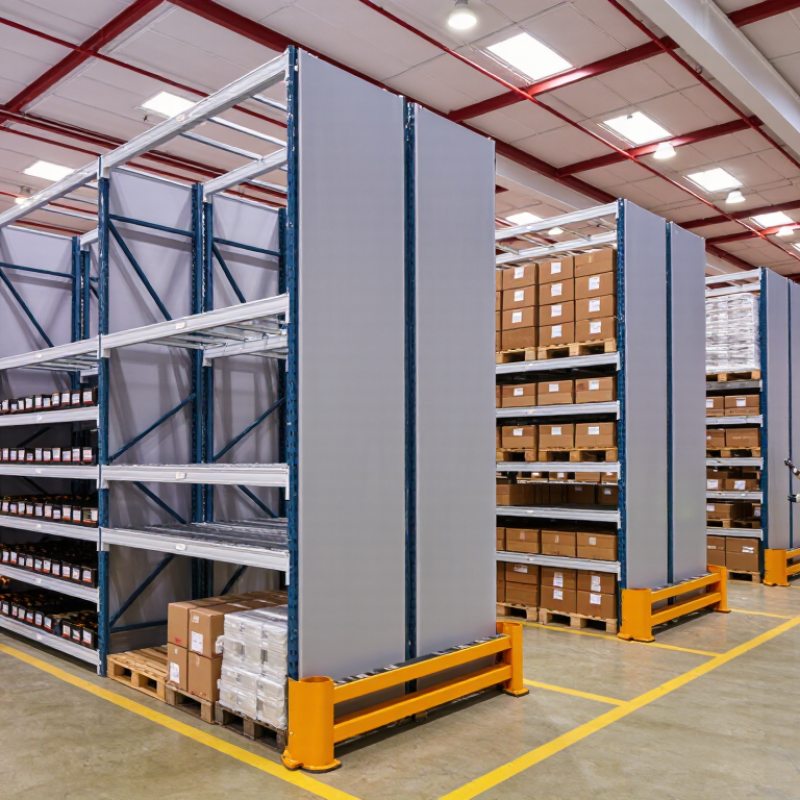
Defining Your Business’s Steel Shelving Requirements
How to Choose Steel Shelving for Your Business in 2026
Defining Your Business’s Steel Shelving Requirements
Before selecting steel shelving, measure the actual storage area, not just the floor plan. Record ceiling height, aisle width, door positions, and uneven surfaces. Then list every item, including its weight, dimensions, packaging, and handling frequency. A small carton needs different access than a dense machine component. Estimate the heaviest realistic load per shelf, then allow a safety margin. Do not rely on appearance alone. Steel thickness, beam design, joint strength, and anchoring methods affect long-term performance. In practical warehouse planning, missed measurements often create expensive changes later.
Tips: Use a simple spreadsheet. Note shelf height, load weight, access frequency, and future growth. Leave room for hands and equipment. Keep heavier goods lower. Ask a qualified supplier to confirm capacity calculations and installation requirements.
Your operating routine matters as much as storage capacity. Fast-moving stock may need open shelves and clear labels. Dusty areas may require finishes that are easier to clean. Humid spaces need careful corrosion evaluation. Check whether workers will load items manually or use lifting equipment. I once saw a layout fail because the shelves fit perfectly, but the trolley could not turn. That mistake was avoidable. Still, no plan is perfect. Review the design after a trial installation, observe real movement, and adjust shelf levels before ordering the full system.
Comparing Steel Shelving Types, Sizes, and Configurations
Choosing steel shelving begins with the stock, not the catalogue. Boltless units suit changing inventory and quick reconfiguration. Clip-in beams make adjustments simple, but careless loading can loosen alignment. Welded shelving offers greater rigidity for dense parts, tools, or archive boxes. It needs more planning because fixed levels forgive fewer mistakes. Mobile shelving saves aisle space by moving sections on rails. Yet access slows when several workers need different bays. Good experience often comes from testing one bay before ordering a full run.
Measure cartons, not empty floor area. Record width, depth, height, and actual load weight. A 900-millimeter bay may fit boxes, while a 1200-millimeter bay can waste usable reach. Choose shelf depth with hand clearance in mind. For small components, shallow shelves improve visibility. For bulky containers, deeper shelves reduce overhang. Adjustable configurations support seasonal stock and uneven carton sizes. Add dividers, back stops, or labels when loose items spread across the shelf. Keep heavier loads low. Capacity claims should be checked against the supplier’s stated testing method, not guessed from appearance.
Tips: Mark a test layout with tape. Load it for a week. Watch bending, aisle congestion, and picking time. I once favored maximum capacity and underestimated reach distance. That choice looked efficient on paper. It was not. Leave room for human movement, future stock, and maintenance access. A slightly smaller system can perform better than a crowded one. Still, aisle width depends on equipment and local workplace requirements, so verify the final plan with a qualified safety professional.
How to Choose Steel Shelving for Your Business in 2026
Comparing common steel shelving types, sizes, and configurations by typical rated load capacity per shelf.
The chart uses common commercial configurations measured in inches: width × depth. Load capacities are typical planning benchmarks in pounds per level, not universal ratings. Always confirm the actual capacity, beam spacing, decking, anchoring, and configuration requirements before purchase.
Evaluating Load Capacity, Durability, and Safety Features
How to Choose Steel Shelving for Your Business in 2026
Load capacity comes before appearance. Check the rated capacity for each shelf, not only the entire unit. The rating should reflect evenly distributed weight. A steel shelf carrying boxed tools behaves differently under one concentrated machine. Ask for test methods, deflection limits, and a signed load chart. ANSI MH28.1 provides design guidance for industrial and commercial steel shelving. I would also measure your heaviest real load, then add a sensible margin. Published ratings can look precise. Your inventory rarely does.
Durability depends on the working environment. Powder-coated steel suits clean, dry rooms, while humid areas may need stronger corrosion protection. Inspect welds, shelf edges, uprights, and adjustable clips. Loose clips are small, but they can create large failures. In a practical site check, look for bent shelves and scraped coating near loading points. Replace damaged parts instead of hiding them. That costs more initially. It may prevent instability later.
Safety features deserve equal attention. Choose units with anti-tip connections, secure clips, clear load labels, and suitable floor anchoring. The U.S. Bureau of Labor Statistics reported 885 fatal work injuries involving falls, slips, and trips in 2023. Shelving is not the only cause, but poor access increases exposure. OSHA 29 CFR 1910.176(b) requires stored materials to be stable and secure. Keep aisles visible and avoid placing heavy items overhead. I have seen tidy shelves become unsafe after rushed restocking. That human factor is easy to underestimate.
Choosing the Right Finish, Accessories, and Installation Method
How to Choose Steel Shelving for Your Business in 2026
The finish affects durability, cleaning, and appearance. Powder-coated steel suits dry offices, stockrooms, and retail spaces. Galvanized steel handles humidity better, especially near loading areas or wash zones. Stainless steel costs more, but it resists corrosion and supports strict cleaning routines. A glossy surface looks professional. It also shows fingerprints quickly. Consider your actual environment, not only the showroom sample.
Accessories should match daily handling. Adjustable dividers separate cartons, while labeled bins reduce searching time. Add wire panels when small items might fall through shelves. Anti-tip kits are essential for tall units or busy aisles. Check the stated load capacity for each shelf, not just the entire frame. Heavy boxes belong on lower levels. This simple rule is often ignored.
Tips: Measure doorways, lift access, and ceiling height before ordering. Confirm floor levelness and wall conditions. Choose boltless installation for frequent layout changes, but use anchored systems where stability matters most. Follow the supplier’s assembly instructions and inspect every connection. A rushed installation can weaken an excellent shelving system. Recheck the layout after one week; real work patterns may expose awkward spacing or unused accessories.
How to Choose Steel Shelving for Your Business in 2026 - Choosing the Right Finish, Accessories, and Installation Method
| Business Environment | Recommended Finish | Typical Planning Load per Shelf* | Useful Accessories | Preferred Installation Method | Selection Notes |
|---|---|---|---|---|---|
| Dry office, archive, or stockroom | Powder-coated carbon steel | 150–300 kg 330–660 lb | Shelf dividers, label holders, bookends, back stops | Clip-in boltless assembly for speed; bolted frames for fixed layouts | Usually the most economical option. Choose a baked powder finish for better resistance to routine abrasion and cleaning. |
| Retail back room or general warehouse | Powder-coated carbon steel with reinforced beams | 250–500 kg 550–1,100 lb | Bin boxes, carton flow shelves, label rails, anti-slip mats | Bolted or rivet-style frames for heavier, frequently handled loads | Use evenly distributed loads. Add frame bracing where aisles are busy or the shelving is tall. |
| Unheated warehouse or humid utility area | Hot-dip galvanized steel | 150–350 kg 330–770 lb | Plastic shelf liners, corrosion-resistant labels, bin fronts | Bolted installation with wall or floor anchoring where required | Zinc protection is suitable for humidity and condensation, but prolonged salt exposure can still cause corrosion. |
| Food preparation or frequent washdown | 304 stainless steel | 100–250 kg 220–550 lb | Removable shelf mats, adjustable feet, mobile casters, tray rails | Welded frames for hygiene; adjustable or mobile bases for flexible layouts | Smooth, cleanable surfaces reduce dirt traps. Avoid steel wool and chloride-heavy cleaners that can damage stainless steel. |
| Coastal, chemical, or high-chloride environment | 316 stainless steel | 100–250 kg 220–550 lb | Chemical-resistant liners, sealed labels, leveling feet, retaining lips | Welded construction with stainless fasteners and secure floor anchoring | Molybdenum-bearing 316 stainless generally provides better chloride resistance than 304 stainless, but it is not corrosion-proof. |
| Pharmacy, laboratory, or parts storage | Powder-coated steel or 304 stainless steel | 100–250 kg 220–550 lb | Lockable doors, drawer modules, tray dividers, label systems | Bolted or welded frames; anchor tall units to prevent tipping | Prioritize cleanability, inventory visibility, and secure storage. Check chemical compatibility before selecting the finish. |
| Temporary storage, events, or changing layouts | Powder-coated carbon steel | 75–200 kg 165–440 lb | Locking casters, push handles, shelf lips, removable dividers | Boltless or tool-free assembly with locking wheels | Use wheel locks during loading. Keep the center of gravity low and do not move an overloaded unit. |
Planning Costs, Maintenance, and Future Storage Flexibility
Choosing steel shelving in 2026 requires more than comparing purchase prices. A low-cost unit may demand extra assembly time, stronger flooring, or frequent repairs. Begin with a written storage forecast. Record current inventory, expected growth, item weights, and access requirements. Measure ceiling height, aisle width, door clearance, and sprinkler spacing. Do not guess.
Ask suppliers for documented load ratings, material specifications, and installation guidance. Shelves should support real working loads, not ideal laboratory conditions. In a warehouse, boxes shift, pallets arrive unevenly, and employees sometimes overload convenient spaces. Adjustable shelves can reduce future replacement costs, but frequent changes may loosen fittings. Inspect bolts, braces, welds, and surface damage during scheduled checks. Keep a simple maintenance log with dates and corrective actions.
I have seen businesses choose dense shelving, then lose time because workers could not reach rear items safely. Flexible capacity matters. Select compatible shelf levels, add-on bays, dividers, and labeled sections. Mobile configurations may save floor space, but they usually require higher planning and maintenance budgets. Anti-corrosion finishes can be valuable in humid rooms, although they are not maintenance-free. Wipe spills quickly. Replace damaged components instead of hiding them behind cartons. A three-year cost estimate should include labor, inspections, repairs, relocation, and disposal. I would leave some capacity unused, even when budgets feel tight. That choice can seem wasteful at first. It may prevent an expensive redesign later.
Article Source:
Get a quote
Get a quote
Read More
Accept AllReject AllCustomise
Privacy Overview
| Cookie | Duration | Description |
|---|---|---|
| cookielawinfo-checkbox-advertisement | 1 year | Set by the GDPR Cookie Consent plugin, this cookie records the user consent for the cookies in the "Advertisement" category. |
| cookielawinfo-checkbox-analytics | 11 months | This cookie is set by GDPR Cookie Consent plugin. The cookie is used to store the user consent for the cookies in the category "Analytics". |
| cookielawinfo-checkbox-functional | 11 months | The cookie is set by GDPR cookie consent to record the user consent for the cookies in the category "Functional". |
| cookielawinfo-checkbox-necessary | 11 months | This cookie is set by GDPR Cookie Consent plugin. The cookies is used to store the user consent for the cookies in the category "Necessary". |
| cookielawinfo-checkbox-others | 11 months | This cookie is set by GDPR Cookie Consent plugin. The cookie is used to store the user consent for the cookies in the category "Other. |
| cookielawinfo-checkbox-performance | 11 months | This cookie is set by GDPR Cookie Consent plugin. The cookie is used to store the user consent for the cookies in the category "Performance". |
| CookieLawInfoConsent | 1 year | CookieYes sets this cookie to record the default button state of the corresponding category and the status of CCPA. It works only in coordination with the primary cookie. |
| viewed_cookie_policy | 11 months | The cookie is set by the GDPR Cookie Consent plugin and is used to store whether or not user has consented to the use of cookies. It does not store any personal data. |
| Cookie | Duration | Description |
|---|---|---|
| _cs_c | 1 year 1 month | The cookie is used by Content Square to save the user consent to be tracked. |
| Cookie | Duration | Description |
|---|---|---|
| _cs_id | 1 year 17 days 20 hours 13 minutes | This cookie is used to store the ContentSquare's user identifier ID. This is a persistent cookie and expires after 13 months. |
| _cs_s | 1 hour | This cookie is used to store the number of page's viewed by a visitor within the session for ContentSquare's solution. |
| _ga | 1 year 1 month 4 days | Google Analytics sets this cookie to calculate visitor, session and campaign data and track site usage for the site's analytics report. The cookie stores information anonymously and assigns a randomly generated number to recognise unique visitors. |
| _ga_* | 1 year 1 month 4 days | Google Analytics sets this cookie to store and count page views. |
| _gcl_au | 3 months | Google Tag Manager sets the cookie to experiment advertisement efficiency of websites using their services. |
| Cookie | Duration | Description |
|---|---|---|
| test_cookie | 15 minutes | doubleclick.net sets this cookie to determine if the user's browser supports cookies. |
| Cookie | Duration | Description |
|---|---|---|
| _cs_root-domain | session | Description is currently not available. |
| _cs_same_site | session | Description is currently not available. |