How to Choose the Best Shipping Container Storage Units for Your Needs
In today's fast-paced world, the need for versatile and secure storage solutions has never been more critical. Shipping container storage units have emerged as a popular choice for individuals and businesses alike, providing a robust and cost-effective option for storing various items. According to storage industry expert Dr. Emily Carter, "The adaptability and durability of shipping container storage units make them an ideal solution for both short-term and long-term storage needs."
Choosing the right shipping container storage units involves careful consideration of several factors, including size, condition, and accessibility. With a variety of options available, it's essential to assess your specific requirements to ensure that you select containers that align with your needs. Whether you’re looking for extra space during a renovation, storing seasonal items, or requiring secure storage for equipment, understanding the available choices can lead to better outcomes and peace of mind.
By evaluating different features and applications of shipping container storage units, you can make an informed decision that suits your individual situation. This guide will provide insights into selecting the best containers, helping you optimize your storage experience and enhance functionality.
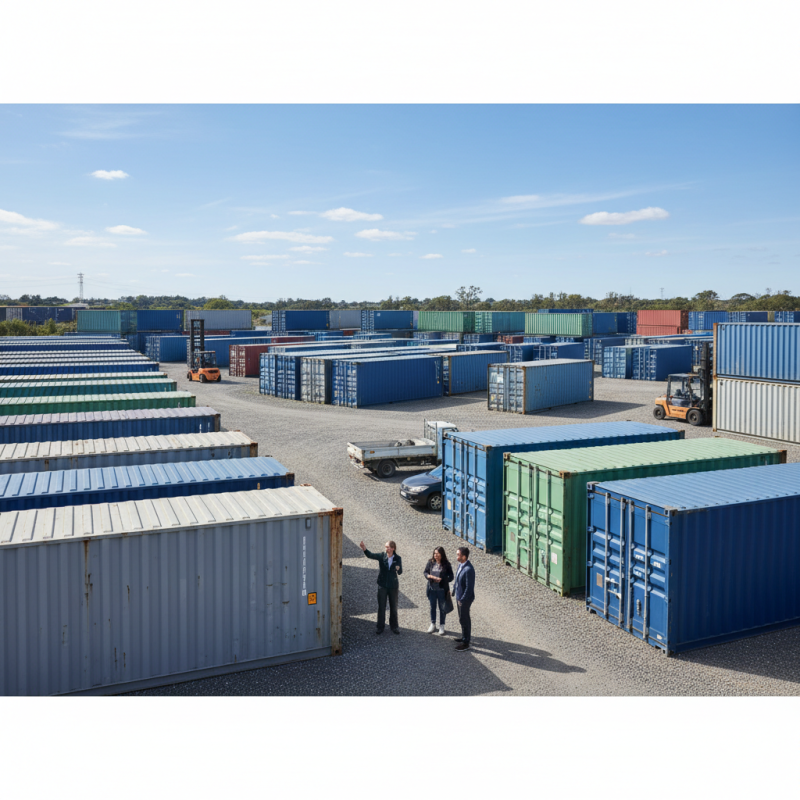
Understanding Your Storage Needs Before Choosing a Shipping Container
When choosing shipping container storage units, understanding your specific storage needs is crucial. According to a report by Grand View Research, the global self-storage market is expected to reach $64.74 billion by 2027, indicating a strong demand for efficient and flexible storage solutions. Shipping containers are gaining popularity due to their ability to provide secure and weather-resistant storage options. Identifying whether you need short-term or long-term storage can significantly influence the size and type of container you choose.
 Consider the nature of the items you need to store. A study by IBISWorld notes that around 47% of users prefer using storage units for personal goods, while about 23% utilize them for business inventory. This distinction is important when deciding on insulation or venting features in your container.
Additionally, assess the container's accessibility requirements—if frequent access to stored items is necessary, a unit with larger doors or one located closer to your primary area may be essential. Each of these factors ultimately shapes your decision and ensures that the storage solution you select meets your requirements effectively.
Types of Shipping Containers and Their Specific Uses in Storage
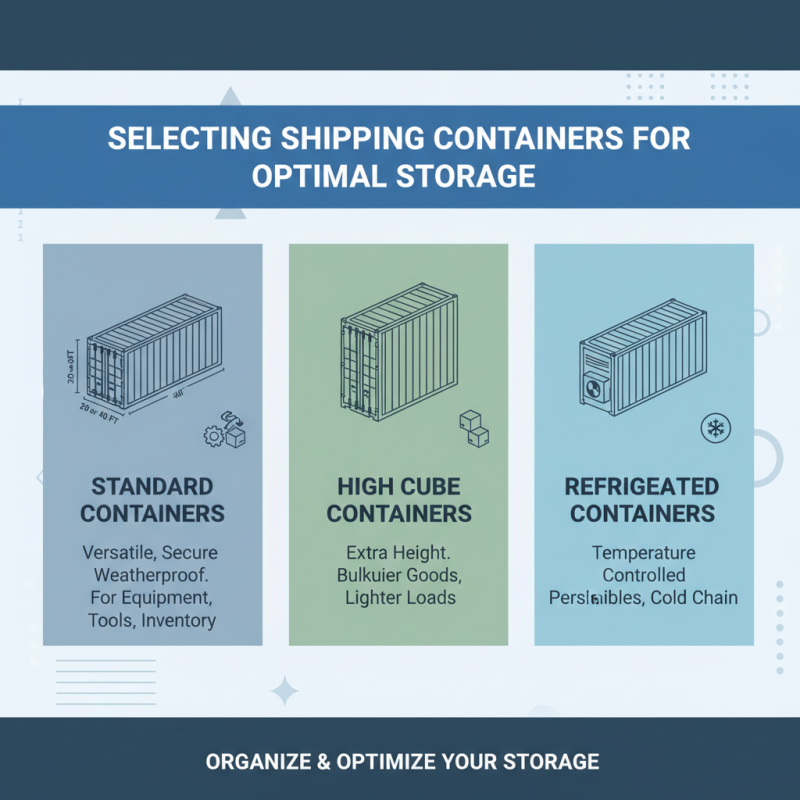
When considering storage options, selecting the right type of shipping container can significantly impact your organization and efficiency. The most common types of shipping containers are standard containers, high cube containers, and refrigerated containers, each serving specific functions. Standard containers, typically measuring 20 or 40 feet, are versatile and widely used for general storage needs. According to industry reports, these containers are best for businesses that require secure, weatherproof storage for equipment, tools, or inventory.
High cube containers provide an additional foot of height, making them ideal for storing bulky items that may not fit into standard containers. Their use has increased in recent years, particularly among businesses dealing with oversized inventory or needing to maximize vertical space. On the other hand, refrigerated containers, or reefer containers, cater specifically to businesses that require temperature-controlled storage. A report from the International Container Bureau indicates that the global demand for refrigerated storage solutions is expected to grow steadily, reflecting the rising needs of the food and pharmaceutical industries for compliant and safe storage.
In summary, choosing the best shipping container storage unit hinges on a clear assessment of your specific requirements. Understanding the distinctive characteristics and advantages of each container type ensures effective storage solutions that can address your business’s unique challenges.
Evaluating Container Condition: New vs. Used Shipping Containers
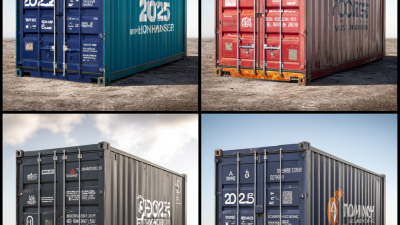
When considering shipping container storage units, one of the first decisions you'll face is whether to purchase a new or used container. Evaluating container condition is critical, as it directly impacts both your budget and the longevity of the storage solution. New shipping containers are typically manufactured to high standards, ensuring they are free from structural defects and offer optimal insulation and protection against the elements. Their pristine condition makes them ideal for long-term use, particularly for those requiring reliable storage for sensitive items.
On the other hand, used shipping containers can present a more cost-effective alternative. When assessing a used container, it's essential to thoroughly inspect its condition. Look for signs of rust, dents, or any structural damage that could compromise its integrity. Additionally, check for proper sealing to ensure that the items stored inside will be protected from weather and pests. While used containers can provide a great value, investing time in evaluation is crucial to avoid future expenses related to repairs or replacements. Ultimately, the choice between new and used should align with your specific storage needs, budget, and the duration of use you anticipate.
Key Features to Consider When Selecting Shipping Container Storage
When selecting shipping container storage units, it's crucial to consider several key features that align with your specific requirements. One of the primary factors is the container's condition—whether you choose a new or used container will affect its durability and longevity.
New containers offer pristine interiors and exteriors, reducing the likelihood of rust or damage, while used containers may present a more economical option with character but require a careful inspection for leaks and structural integrity.
Another essential feature to evaluate is the size of the container. Shipping containers typically come in various dimensions, commonly 20 and 40 feet in length. Assessing the volume of items you intend to store will help determine the appropriate size. Additionally, consider the unit's accessibility; features such as double doors for easier loading and unloading can significantly enhance convenience.
Security is another critical aspect—look for containers with robust locking mechanisms and consider sites with surveillance measures if the unit will be stored off-site. Lastly, ventilation is often overlooked but important to prevent moisture buildup, which can lead to damage over time.
Cost Considerations: Budgeting for Shipping Container Storage Units
When considering shipping container storage units, cost is often the primary factor influencing your decision. On average, purchasing a used shipping container can range from $1,500 to $5,000, depending on its size and condition. For rental options, monthly fees typically fluctuate between $50 and $200, again influenced by factors like container dimensions and location.
According to a 2022 report by the Container Storage and Transport Association, businesses that invest in shipping container storage report an average return on investment (ROI) of about 20% within the first year, mainly due to lower overhead costs and increased efficiency.
Budgeting for shipping container storage units also requires consideration of additional expenses. Transportation costs can add between $200 and $1,000 depending on distance and delivery logistics, as noted in a recent Freight Transport Cost Analysis. Additionally, if you plan to modify the containers for specific purposes—such as climate control or electrical installations—this could significantly increase your upfront costs. Industry estimates suggest that modifications can range from $500 to $5,000, making it essential to assess your storage needs comprehensively before committing to a container purchase or lease. By carefully analyzing these factors, you can better align your storage solutions with your budgetary constraints, ensuring a functional and financially viable storage option.