How to Choose the Best Heat Shrink Wrap for Your Needs?
When selecting the best Heat Shrink Wrap for your projects, there are many factors to consider. Industry expert, John Smith, emphasizes, "Choosing the right Heat Shrink Wrap can make or break your packaging efficiency." This statement resonates deeply in a world where the right materials are vital for protection and durability.
Heat Shrink Wrap is widely used in various industries, from shipping to retail. Its ability to conform tightly around products ensures safety and longevity. However, not all Heat Shrink Wrap is created equal. Variations in thickness, material composition, and shrink temperatures can impact performance significantly.
Navigating these options can be challenging. Users often overlook the specific needs of their items. It is essential to evaluate the product size, weight, and environmental factors. Attention to these details can prevent costly mistakes in packaging. Furthermore, reflecting on past experiences can guide your choice and lead to improved outcomes in the future.
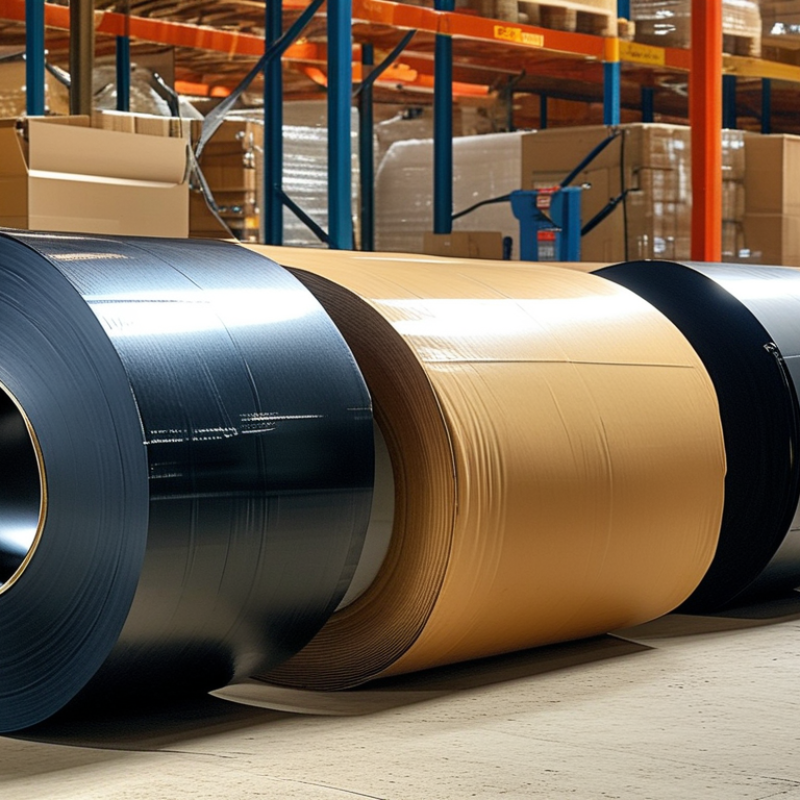
Understanding Heat Shrink Wrap: Types and Applications
Heat shrink wrap is widely used across various industries for its versatility. Understanding the different types available is crucial. There are several materials such as polyolefin and PVC. Polyolefin is known for its excellent clarity and flexibility. It is often chosen for consumer products, while PVC offers good resistance to chemicals and abrasion.
According to a 2023 market report by Grand View Research, the global heat shrink packaging market size was valued at $13.2 billion in 2022. This number is expected to grow due to increased demand in food and beverage sectors. The use of heat shrink wrap in this industry helps to prolong shelf life and improve product safety. Yet, many businesses struggle to select the appropriate film thickness and diameter for their specific needs.
Choosing the wrong type can lead to premature tearing or ineffective sealing. It’s critical to consider factors such as temperature resistance and application environment. As an example, high-temperature applications may require specialized materials. Ultimately, understanding these variations helps businesses avoid costly mistakes and optimize their packaging processes.
Key Factors in Selecting the Right Heat Shrink Wrap Material
When selecting heat shrink wrap, consider several key factors that can significantly impact your decision. The type of material is essential. Different materials offer various levels of durability, flexibility, and shrink percentages. Polyolefin, for example, is a popular choice due to its versatility and clarity. PVC offers greater shrinkage but may not be as resistant to extreme temperatures.
Size matters when it comes to heat shrink wrap. Measure your items carefully for the best fit. Using oversized wrap can lead to excessive waste. On the other hand, undersized wrap might leave items unprotected.
Tips: Always test a small piece of the shrink wrap on your product before a full application. This can help avoid unexpected results. Additionally, consider the operating temperature. The wrap must withstand its intended environment without degrading.
Lastly, don’t overlook the thickness of the wrap. Thicker materials provide better protection but may be less flexible. So, always weigh your product's needs for a balanced choice. Reflecting on these factors can help ensure that you choose the right heat shrink wrap for your specific requirements.
Heat Shrink Wrap Comparison
This chart compares various types of heat shrink wrap materials based on their key properties such as thickness, temperature range, and flexibility. Understanding these factors will help you select the best heat shrink wrap for your specific needs.
Analyzing Temperature and Shrink Ratio for Optimal Performance
Choosing the right heat shrink wrap requires understanding temperature and shrink ratio. The temperature determines how effectively the material will perform. Most heat shrink films have a specific shrink temperature range, usually between 250°F to 350°F (121°C to 177°C). Selecting a film that requires a lower temperature may be beneficial for heat-sensitive products. However, underestimating the necessary temperature can lead to inadequate shrinking.
Shrink ratio is also vital. Typical ratios range from 2:1 to 6:1. A 2:1 shrink ratio means the diameter reduces to half its original size. This is suitable for average applications. On the other hand, a 6:1 ratio offers more versatility, adapting to various shapes and sizes. Industry reports indicate that using heat shrink with a higher ratio can enhance product packaging durability and provide better protection against environmental factors.
It’s essential to consider testing before full-scale application. Sometimes, the desired effects don’t match theoretical expectations. Several factors—such as environmental conditions and material compatibility—can influence results. A thorough understanding of the specific needs of your products will lead to more effective usage of heat shrink wraps. Additional assessments can reduce waste and improve efficiency in applying heat shrink materials.
How to Choose the Best Heat Shrink Wrap for Your Needs? - Analyzing Temperature and Shrink Ratio for Optimal Performance
| Material Type | Temperature Range (°F) | Shrink Ratio | Applications | Thickness (mil) |
| Polyolefin | -40 to 200 | 2:1 | Electrical insulation, packaging | 2-6 |
| PVC | 32 to 160 | 3:1 | Wire harnessing, label protection | 4-12 |
| Fluoropolymer | -100 to 300 | 4:1 | High temperature applications, chemical resistance | 2-10 |
| Polyester | 32 to 250 | 2:1 | Aerospace, automotive components | 3-7 |
| Polyamide | -40 to 200 | 3:1 | Electronics, cable protection | 2-9 |
Comparing Thickness and Width: Impact on Durability and Fit
When choosing heat shrink wrap, thickness and width play a crucial role. Thicker wraps offer enhanced durability. They resist punctures and wear better than thinner options. However, they may require more heat to shrink effectively, which can complicate the application process. A balance between strength and shrinkability is important for achieving desired results.
On the other hand, width affects the fit of the wrap. A wider film provides more coverage, making it ideal for larger items. It ensures even shrinkage and a tight seal. However, if the width is too large, it can lead to excess material that may not shrink uniformly. This can create an unsightly appearance. Proper measurements are essential to avoid this issue.
Selecting the right combination of thickness and width requires careful consideration. You may need to try different options to find what works best. Some users find trial and error necessary, as each project may have unique requirements. Your choice should reflect both the object’s dimensions and the environment it will face.
Industry Standards and Certifications: Ensuring Quality and Safety
When selecting heat shrink wrap, it’s important to pay attention to industry standards and certifications. These ensure the quality and safety of the materials. Certifications like ASTM, ISO, and UL indicate a product has met rigorous testing criteria. Understanding these labels helps in choosing the right shrink wrap for your specific application.
Tip: Look for products that list their certifications clearly on the packaging. This provides assurance of their reliability. Some shrink wraps can claim to be durable but may lack the necessary certifications. Always prioritize quality over cost.
Additionally, consider the environmental impact of the materials. Some products may be made from non-recyclable plastics. Meeting safety standards means not only protecting your products but also the environment. Choosing certified options can offer peace of mind.
Tip: Research the manufacturer's reputation before making a purchase. A company with a history of quality production is often more trustworthy. Don’t rush your decision. Take the time to read reviews and understand the certifications involved.