How to Choose the Best Power Inverter for Home Use?
Choosing a Power Inverter For Home use begins with one practical question: what must it run, and for how long?
A refrigerator, Wi-Fi router, medical device, and television all behave differently. Motors demand a brief starting surge. Sensitive electronics prefer stable, clean power. A simple wattage label can hide these differences. Measure running watts, estimate starting watts, and leave safety headroom. Do not guess.
Power-systems educator and engineer Dr. Ned Mohan has emphasized that “power electronics is the technology behind the efficient conversion and control of electrical energy.” His point matters here. An inverter is not merely a box with a battery cable. It manages energy quality, heat, charging, protection, and sometimes solar input. The correct choice depends on the complete setup.
This guide examines pure sine wave and modified sine wave models, continuous output, surge capacity, battery compatibility, transfer speed, cooling, noise, and installation requirements. It also considers real household details, such as a refrigerator starting at midnight or an inverter warming inside a narrow cabinet. Small details can decide whether backup power feels dependable.
There is no perfect model for every home. A large inverter may waste energy at low loads. A cheaper unit may appear attractive, yet perform poorly with sensitive equipment. I have seen specifications create false confidence. That deserves a second look.
The best Power Inverter For Home is balanced, properly sized, protected, and easy to monitor. It should support your actual priorities, not an impressive number on a package. Safety comes before convenience. Reliable power starts with honest planning.
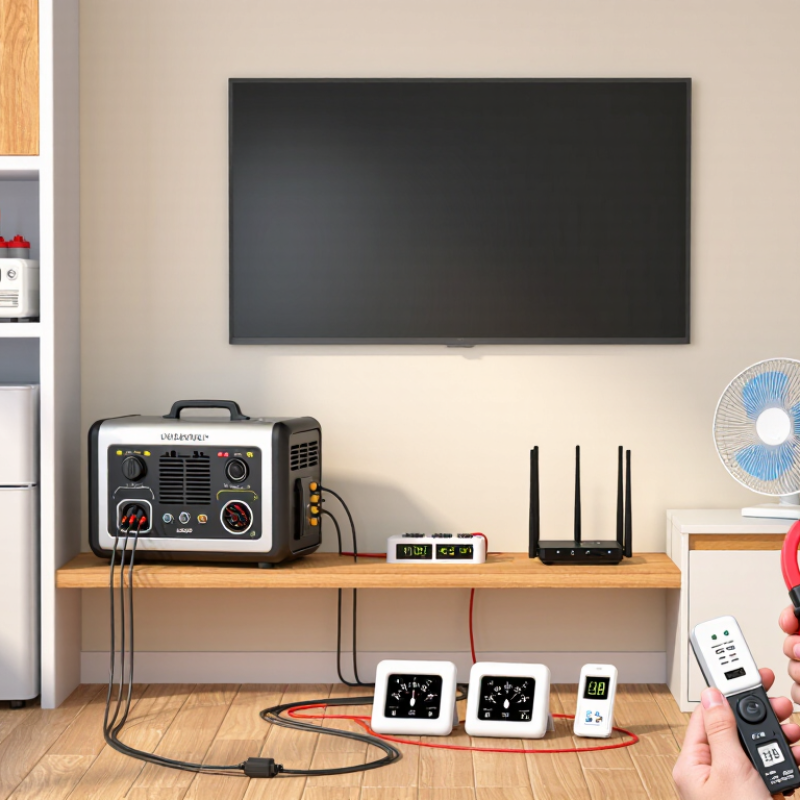
Understanding Home Power Inverter Types and Their Main Functions
Choosing the right home power inverter starts with understanding its type and purpose. An inverter converts battery power from direct current into alternating current for household appliances. A standby inverter supplies power during an outage and switches automatically when the grid fails. It suits lights, routers, and refrigerators. It needs a charged battery.
An off-grid inverter works without utility power. It usually connects solar panels, batteries, and selected household circuits. A hybrid inverter combines solar charging, battery storage, and grid support. This design can reduce daytime electricity use, but its settings require careful adjustment. A grid-connected inverter sends suitable solar energy into a home electrical system. Local regulations may require professional installation and approved safety equipment.
Waveform matters. Pure sine wave output closely matches household electricity and protects sensitive devices, including medical equipment, induction motors, and audio systems. Modified sine wave models cost less, yet some chargers may run hot or produce an audible hum. I would not use one for delicate electronics without checking the manual. That shortcut can become expensive.
Check continuous wattage, surge wattage, battery voltage, transfer time, and cooling space. A refrigerator may need several times its running power when its compressor starts. Measure real loads instead of trusting guesses. Also examine overload, short-circuit, temperature, and low-voltage protection. Quiet operation matters in a bedroom. So does maintenance access. I have seen systems fail because the battery was undersized, not because the inverter was defective. No choice is perfect. Even a well-designed system needs realistic load planning and regular inspection.
Assessing Your Home’s Power Needs and Appliance Requirements
Choosing a home power inverter starts with measuring real household demand, not guessing from one appliance. Walk through each room and list devices you may use during an outage. Include a refrigerator, router, lights, phone chargers, medical equipment, and a small fan. Record running watts from labels or manuals. Labels can be confusing. A plug-in watt meter gives a more reliable reading.
Add the running wattage of devices that might operate together. Then account for startup surges from compressors, pumps, and some power tools. A refrigerator rated at 150 watts may briefly need several times that amount. Check the inverter’s continuous and peak ratings separately. The continuous rating should exceed your normal load by about 20 to 30 percent. This margin reduces heat and unexpected shutdowns. I once underestimated a freezer’s startup demand. The inverter worked, but only after other loads were removed. That was a useful, slightly expensive reminder.
Match the inverter to your battery system and expected runtime. A higher wattage does not create more stored energy. It drains the battery faster. Estimate runtime using battery watt-hours, inverter efficiency, and the load’s actual draw. Pure sine wave output is generally safer for sensitive electronics and motor-driven appliances. Confirm cable thickness, ventilation, fusing, and installation instructions before connecting anything. Keep it dry. Keep the unit away from flammable materials. If medical devices or fixed household wiring are involved, consult a qualified electrician. My calculations are never perfect, so I test the setup with essential appliances before an emergency.
How to Choose the Best Power Inverter for Home Use?
Assessing Your Home’s Power Needs and Appliance Requirements
| Appliance or Load | Typical Running Power | Estimated Starting Surge | Recommended for Backup? | Typical Use in the Home | Selection Consideration |
| LED lighting circuit | 60–150 W total | Usually less than 200 W | Essential | Several energy-efficient lamps | Low continuous load; suitable for almost any household inverter. |
| Wi-Fi router and modem | 10–25 W | Usually less than 40 W | Essential | Internet and communication equipment | Use a stable inverter output to avoid interruptions or resets. |
| Laptop computer | 45–100 W | Usually less than 150 W | Essential | Work, study, and personal computing | Pure sine wave output is preferred for sensitive electronics. |
| Desktop computer and monitor | 200–500 W | 300–750 W | Essential | Office work, design, and gaming | Allow extra capacity for the computer power supply and monitor startup. |
| Television | 60–200 W | 100–300 W | Optional | Entertainment and news | LED televisions generally require less power than older display types. |
| Refrigerator | 100–300 W | 600–1,200 W | Essential | Food preservation | Compressor startup can be several times higher than running power. |
| Freezer | 100–400 W | 700–1,500 W | Essential | Long-term food storage | Check the appliance nameplate and include adequate surge capacity. |
| Ceiling fan | 40–100 W | 100–250 W | Optional | Ventilation and comfort | Motor loads need more starting power than their normal running rating. |
| Small microwave oven | 900–1,500 W | 1,200–2,000 W | Optional | Short-duration cooking | High power demand; avoid operating it with several other large loads. |
| Electric kettle | 1,500–3,000 W | Similar to running power | Optional | Boiling water | Often unsuitable for small battery inverters because of its high continuous load. |
| Sump pump | 750–1,500 W | 1,500–4,500 W | Essential | Basement or drainage protection | Prioritize surge performance and verify motor compatibility. |
| Portable air conditioner | 1,000–1,800 W | 2,000–4,500 W | Optional | Cooling a room | Requires substantial inverter capacity and sufficient battery energy. |
| Electric space heater | 1,500–2,000 W | Similar to running power | Optional | Resistive heating | Consumes battery energy rapidly and is not recommended for small systems. |
| Washing machine | 400–1,000 W | 800–2,000 W | Optional | Laundry and household cleaning | Motor and pump startup requirements vary by model and cycle. |
| Gas furnace blower | 400–800 W | 1,000–2,400 W | Essential | Heating-system circulation | Confirm the blower motor’s starting demand before selecting the inverter. |
Sizing guideline: Add the running watts of all appliances that may operate at the same time, then add the largest starting surge from motor-driven equipment. Select an inverter with approximately 20–30% continuous-power headroom and confirm that its surge rating covers the highest startup demand. Actual consumption varies by appliance model, operating mode, voltage, and age.
Choosing the Right Battery System and Backup Runtime
Choosing the right battery system starts with your critical loads, not your total home consumption. The U.S. Energy Information Administration’s Residential Energy Consumption Survey reports average household use near 886 kWh per month, or about 29.5 kWh daily. That figure includes large loads, such as air conditioning and electric water heating. During an outage, you may only need a refrigerator, lights, internet equipment, and a medical device.
Make a simple load list. A refrigerator may use 100–200 watts while running, but its compressor needs a higher starting surge. Add each appliance’s watts, then multiply by expected hours. For example, 600 watts running for eight hours requires 4.8 kWh before losses. NREL’s energy-storage cost and performance research commonly models lithium-ion round-trip efficiency near 85–90%. Therefore, a 5 kWh battery will not deliver 5 kWh to household circuits. I would normally reserve 10–20% capacity for battery protection and aging. My first sizing estimate was too optimistic because I ignored startup surges.
Runtime also depends on inverter efficiency, temperature, battery age, and charging access. Select an inverter with continuous output above your calculated load and surge capacity for motor-driven appliances. A two-day backup target can sound reassuring, but it may require several batteries and stronger wiring. The International Energy Agency’s battery-storage analysis shows that longer-duration storage increases system value, yet cost remains strongly linked to energy capacity. Review real outage records, not only marketing estimates, and test the system with actual appliances before winter arrives.
How to Choose the Best Power Inverter for Home Use?
Estimated backup runtime by battery system size for a continuous 1,000 W household load.
The estimates assume 80% usable battery capacity and 85% inverter efficiency. Actual runtime may vary with battery age, temperature, inverter load, and startup surges. Select a battery system with additional capacity if you need longer runtime or want to avoid deep discharge.
Checking Installation Needs, Maintenance, Warranty, and Total Cost
Choosing the best power inverter for home use starts with installation needs, not the advertised wattage. Check the continuous and surge ratings carefully. A refrigerator may need extra power when its compressor starts. Measure your essential loads, including lights, internet equipment, fans, and medical devices. Confirm whether the inverter requires wall mounting, battery storage, ventilation, or upgraded cables. A small, warm utility closet may be unsuitable. Ask a qualified electrician to inspect the wiring and grounding before installation.
Tips: Write down each appliance and its running watts. Add starting power separately. Leave a safety margin. Keep the manual and installation records in one folder.
Maintenance affects reliability. Inspect terminals for looseness, keep vents clear, and check battery condition according to the manufacturer’s schedule. Dust can collect quickly in garages. Warranty details deserve equal attention. Check coverage length, labor terms, registration rules, and exclusions for incorrect installation or overload damage. A long warranty is less useful if local service is unavailable.
Calculate the total cost beyond the purchase price. Include batteries, cables, protective devices, installation labor, electricity losses, and future battery replacement. I once underestimated cable costs, and the final installation was noticeably more expensive. That mistake changed how I compare systems. The cheapest inverter may consume more energy, require frequent service, or support fewer loads. A clear written quotation helps prevent unpleasant surprises.