Why Choose a Side Opening Shipping Container for Your Business?
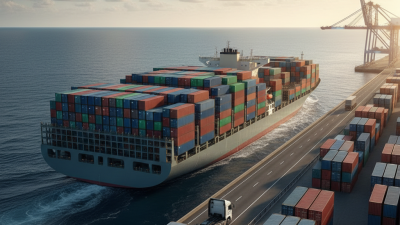
In today's competitive market, the efficiency of logistics is paramount. A side opening shipping container can enhance operational capabilities significantly. Recent data from the International Maritime Organization shows that over 90% of global trade relies on container shipping. Experts like Dr. Emily Jones, a logistics consultant, emphasize the advantages of these containers, stating, "Side opening shipping containers provide unmatched accessibility, optimizing loading and unloading processes."
The design of a side opening shipping container allows for easier handling of large and bulky items. This design minimizes the need for heavy machinery in some cases, thus reducing operational costs. A report from the Container Owners Association highlights that businesses can save up to 20% in labor costs when using containers with side openings compared to traditional models.
However, not every business may benefit from them. There are considerations, such as transportation regulations and space constraints. Companies must analyze their unique needs to decide wisely. While side opening shipping containers offer flexibility, reflecting on how they integrate into existing systems is crucial. Being informed and adaptable can lead to better logistics solutions.
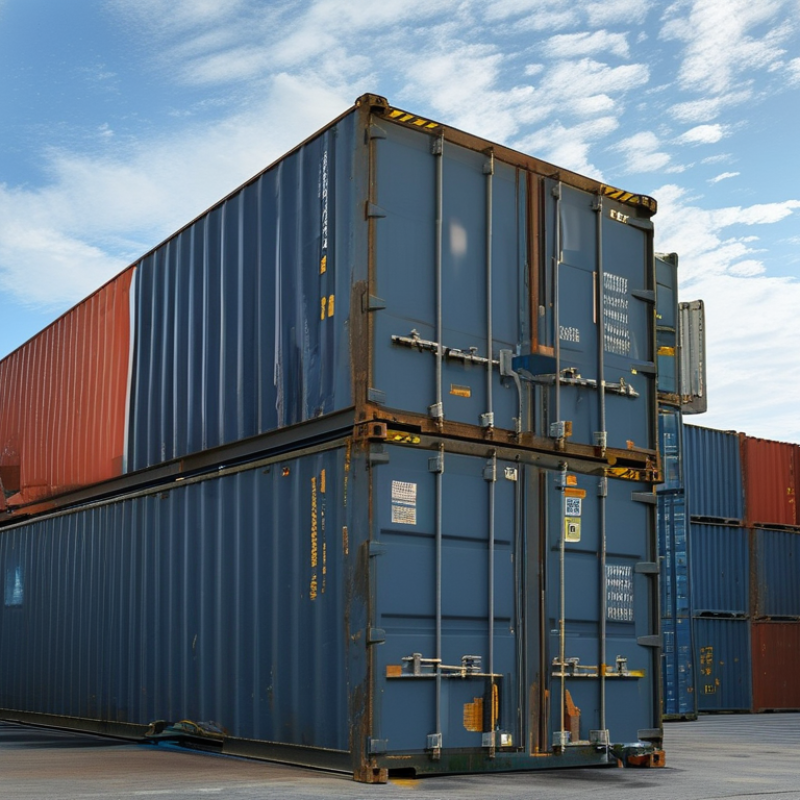
Benefits of Side Opening Shipping Containers for Business Operations
Side opening shipping containers offer diverse benefits for business operations. Unlike traditional containers, these designs allow for easier loading and unloading. This feature significantly reduces the time workers spend on handling goods, making operations more efficient. For businesses that deal with bulky items, the wide opening provides clear access. Workers can easily navigate inside, reducing the risk of injuries.
Moreover, side opening containers enhance organization. Having multiple access points allows for better arrangement of inventory. Businesses can quickly identify items, avoiding the chaos often associated with standard containers. However, not every operation might find them beneficial. If your inventory is small or easily accessible, the investment might not be justified.
Additionally, these containers contribute to sustainability efforts. Their design allows for effective space utilization and could reduce transportation costs. Some businesses may struggle to adapt to this change, though. Transitioning to a side opening model requires re-evaluating logistics and training staff. Thus, while the advantages are evident, implementation can be challenging.
Versatility of Side Opening Containers in Various Industries
Side opening shipping containers offer unique advantages for various industries. Their design allows for easy access, enabling efficient loading and unloading. This feature is especially beneficial in sectors like logistics, construction, and retail. Businesses can streamline operations and improve productivity with such containers. Imagine a construction site where materials are quickly retrieved. This flexibility reduces downtime, leading to faster project completion.
Tips for using side opening containers: Ensure proper planning before loading. Calculate the weight distribution to maintain balance. Regularly check for wear and tear to extend the container's lifespan.
These containers can also serve as temporary storage solutions. In retail, they can showcase products during events or promotions. Utilizing space creatively can attract more customers. However, it's essential to monitor local regulations regarding container placements and usage. Each industry requires different considerations, so adjusting your approach may be necessary.
Improved Accessibility and Space Utilization with Side Opening Design
Side opening shipping containers offer enhanced accessibility, making them ideal for various business needs. With a design that allows for easy loading and unloading, these containers maximize space utilization. Businesses often struggle with limited access points, which can lead to inefficiencies. The side opening feature eliminates this problem, simplifying the movement of goods, especially bulky items.
When considering a side opening container, think about your workflow. These containers provide more room to maneuver. You can load and unload goods without the need for heavy equipment in many cases. This can significantly reduce potential damage to products and lower labor costs, improving overall efficiency.
Pay close attention to the layout of your workspace. Side opening containers can be placed in tight areas, making them versatile. Ensure you optimize the internal organization, maximizing the use of vertical space. Reflect on how this design choice can help streamline operations. Sometimes, the best features present unique challenges that require thoughtful solutions. Adaptability is key in successfully integrating this type of container into your business.
Cost-Effectiveness of Using Side Opening Containers for Shipping Needs
Side opening shipping containers are becoming popular for various businesses due to their cost-effectiveness. Traditional shipping containers often limit accessibility. Side opening containers, however, allow for easier loading and unloading, which can significantly reduce labor costs and time. Businesses often save money by minimizing the resources used for movement and handling.
When considering a side opening container, think about your specific needs. Measure your cargo to identify the best size for you. A perfect fit will prevent wasted space and reduce shipping costs. Another aspect is the potential to stack containers, maximizing usage without additional charges.
Before committing, review your operational workflow. Would this type of container streamline your processes? Consider whether the side access aligns with your loading practices. Some businesses discover that side opening containers may not suit every operation. Adjusting your logistics for the best results sometimes requires initial trial and error.
Comparative Analysis: Side Opening vs. Traditional Container Options
When considering shipping solutions, the choice between side opening containers and traditional containers can have a significant impact on operations. Side opening containers offer easier access. This is particularly beneficial for cargo that is bulky or requires quick unloading. According to industry reports, around 70% of businesses report faster loading times with side opening options.
In contrast, traditional containers often require more maneuvering. The rear doors limit access, which can lead to increased labor and time costs. A study by the Logistics Management Association indicates that businesses utilizing side opening containers see up to a 30% reduction in unloading times. However, it's important to recognize that side opening containers may come at a higher upfront cost.
Evaluating operational needs is crucial. Side opening containers might not be necessary for businesses that deal solely with standard pallet loads. This could lead to underutilization and wasted expenses. Reflecting on logistics strategies is essential. It ensures that the container choice aligns with the specific demands of the business, keeping efficiency and cost-effectiveness in mind.
Why Choose a Side Opening Shipping Container for Your Business? - Comparative Analysis: Side Opening vs. Traditional Container Options
| Feature |
Side Opening Container |
Traditional Container |
| Loading Efficiency |
High - Allows for easier access from the side |
Moderate - Access primarily from the end |
| Flexibility of Use |
Versatile for different types of cargo |
Best for standard pallet sizes |
| Cost |
Generally higher due to design complexity |
Lower and more accessible |
| Security |
Comes with additional locks, secure |
Standard security features |
| Customization Options |
More varied sizes and configurations |
Limited to standard sizes |