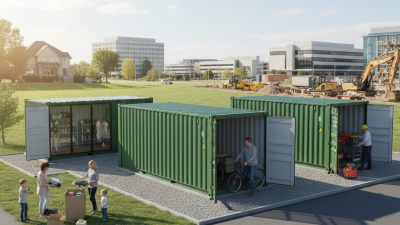
Why Choose Shipping Containers for Your Next Project or Move
In recent years, the utilization of shipping containers has gained significant traction across various industries for projects ranging from construction to relocation. According to a report by Allied Market Research, the global shipping container market is projected to reach $9.5 billion by 2027, driven by the increasing demand for sustainable and cost-effective solutions. Shipping containers are not only resilient and durable but also versatile, allowing for innovative usages such as office spaces, temporary housing, and retail environments.
Moreover, the environmental benefits of repurposing shipping containers cannot be overlooked. Their use promotes recycling and minimizes waste, aligning with the current global shift towards sustainability. In fact, the Department of Transportation has highlighted that repurposing shipping containers can significantly reduce the carbon footprint of construction projects compared to traditional building materials.
As businesses and individuals seek efficient solutions for their next project or move, shipping containers offer an attractive combination of functionality, affordability, and ecological responsibility. Embracing this trend can lead to innovative designs and practical applications that meet diverse needs in an ever-evolving market.

Benefits of Using Shipping Containers for Project or Move
Shipping containers have emerged as a versatile solution for various projects and moves, offering numerous benefits that make them an attractive choice. One of the primary advantages is their durability. Constructed from robust steel, shipping containers are built to withstand harsh weather conditions and external impacts, ensuring that your belongings remain safe and secure during transit or storage. This inherent strength also means they require minimal maintenance, providing users with a reliable option for both short-term and long-term use.
Another key benefit of shipping containers is their cost-effectiveness. Compared to traditional storage units or transportation methods, shipping containers often present a more affordable alternative. Their availability in various sizes allows for flexibility depending on the project's needs, reducing the risk of overpaying for unused space. Additionally, repurposing shipping containers for construction or storage can significantly cut down on building costs, making them a sustainable choice for eco-conscious projects. Overall, the practicality and economic efficiency of shipping containers make them an optimal selection for anyone considering their next project or move.
Why Choose Shipping Containers for Your Next Project or Move - Benefits of Using Shipping Containers for Project or Move
| Benefit |
Description |
Application |
| Cost-Effective |
Shipping containers are cheaper than traditional building materials and structures. |
Ideal for homes, offices, and temporary structures. |
| Durability |
Constructed to withstand harsh environments and heavy loads. |
Used in remote locations, construction sites, and storage. |
| Portability |
Containers can be easily transported from one location to another. |
Suitable for relocation, mobile offices, and travel accommodations. |
| Versatility |
Can be modified for various uses like offices, homes, and storage. |
Perfect for creative projects, exhibitions, and pop-up shops. |
| Sustainability |
Reusing shipping containers reduces waste and environmental impact. |
Used in eco-friendly construction and sustainable design projects. |
Versatility of Shipping Containers in Various Applications
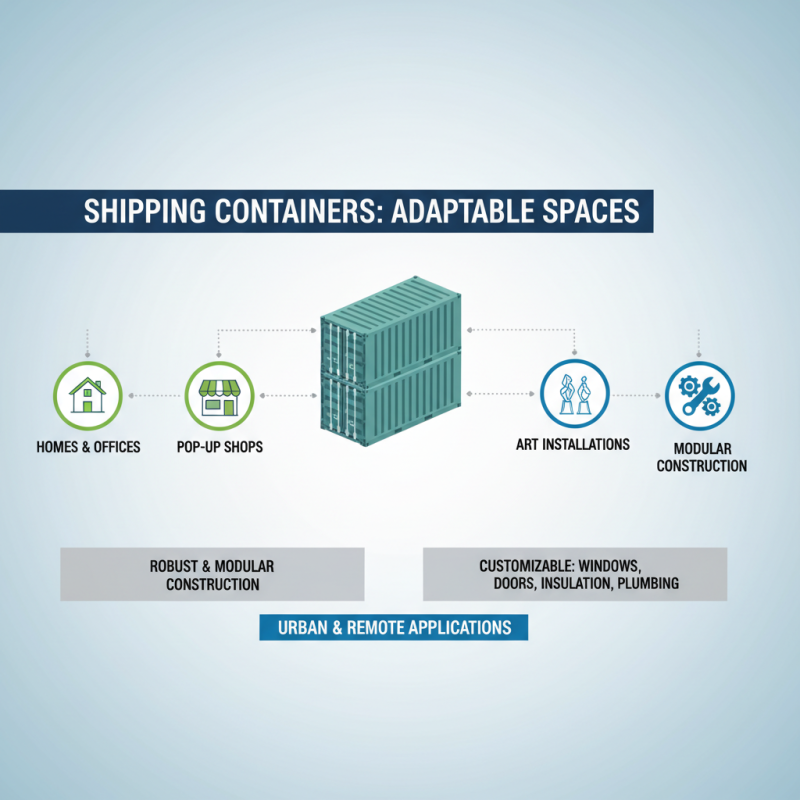
Shipping containers have emerged as a highly versatile option for a wide range of applications beyond their traditional use in shipping goods. Their robust construction and modular nature allow for creative and functional adaptations, making them a popular choice for everything from offices and homes to pop-up shops and art installations. The adaptability of shipping containers means they can be easily modified to suit specific project requirements, accommodating features such as windows, doors, insulation, and plumbing systems. This flexibility opens up numerous possibilities for space utilization in urban environments or remote locations alike.
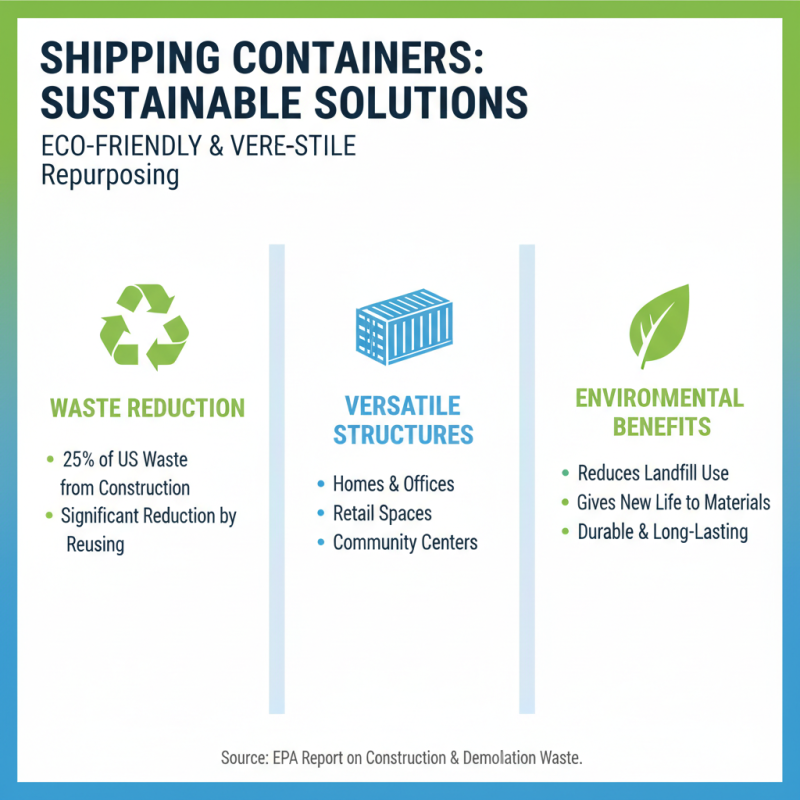
Moreover, the sustainability aspect of repurposed shipping containers adds to their appeal. By reusing these containers, individuals and businesses can contribute to reducing waste and promoting eco-friendly practices. This not only leads to innovative architectural designs but also supports a circular economy. As a result, shipping containers have gained traction in the construction industry as a cost-effective and environmentally responsible option. Their ability to withstand extreme weather conditions and provide secure storage solutions further enhances their practicality, making them an ideal choice for diverse projects ranging from emergency shelters to community spaces.
Cost Efficiency: Why Shipping Containers Save You Money
When considering a project or move, cost efficiency is paramount, and using shipping containers can deliver significant savings. Purchasing or renting a shipping container is often much cheaper than traditional building materials or storage solutions. These versatile units can be easily transformed into unique spaces, whether for living, working, or storing goods, without the hefty price tag associated with conventional construction. This versatility means you can tailor the container to your specific needs without overspending.

Moreover, shipping containers are durable and designed to withstand harsh conditions, which results in lower maintenance costs over time. Unlike conventional buildings that may require regular upkeep and repair, containers are built to last, reducing future expenditures. Additionally, their modular nature allows for easier transportation and relocation, saving money that would otherwise be spent on logistics or additional moving equipment.
Ultimately, choosing shipping containers not only meets immediate project needs but also offers long-term financial benefits, making them an attractive option for those looking to save money while meeting their spatial requirements.
Eco-Friendly Aspects of Using Shipping Containers
Shipping containers have emerged as a sustainable solution for various projects, offering not only versatility but also eco-friendly benefits. According to a report by the Environmental Protection Agency, construction and demolition waste accounts for approximately 25% of the total waste generated in the United States. By repurposing shipping containers, we can significantly reduce this waste stream. These durable structures can be transformed into homes, offices, and even retail spaces, breathing new life into materials that might otherwise end up in landfills.
In addition to minimizing waste, utilizing shipping containers promotes energy efficiency. Research from the U.S. Department of Energy reveals that recycled steel—such as that used in shipping containers—requires 75% less energy to produce than new steel. This energy-saving characteristic plays a crucial role in reducing the overall carbon footprint associated with building construction. Moreover, many innovative designs of shipping container structures incorporate renewable energy sources such as solar panels, further enhancing their sustainability profile and proving that eco-friendly does not mean compromising on modern amenities. By choosing shipping containers for your next project, you are contributing to a more sustainable future while achieving unique architectural outcomes.
Durability and Security Features of Shipping Containers
Shipping containers have become an increasingly popular choice for various projects and relocations, largely due to their impressive durability and security features. Designed to withstand harsh weather conditions and rough handling during transportation, these containers are built from robust materials that provide exceptional protection for their contents. Whether you’re using them for storage, temporary housing, or as pop-up shops, their structural integrity ensures that they can endure external pressures without compromising the safety of what’s inside.
Tips: When choosing a shipping container for your project, consider looking for containers that have been refurbished or are in like-new condition to maximize their lifespan. Additionally, ensure that the container has proper seals to keep out moisture and pests, which can be critical if you're storing sensitive materials.
Security features of shipping containers are another significant advantage. They often come equipped with heavy-duty locking mechanisms designed to deter theft and vandalism. Many containers can also be customized with added security measures, such as alarm systems or reinforced doors, providing peace of mind for owners concerned about safeguarding valuable assets.
Tips: When securing your shipping container on-site, select a location that is well-lit and visible to deter unauthorized access. You might also want to invest in a secondary locking system for enhanced security, especially if the container will be in a more isolated area.