How to Choose the Best Shipping Container Freezer for Your Needs?
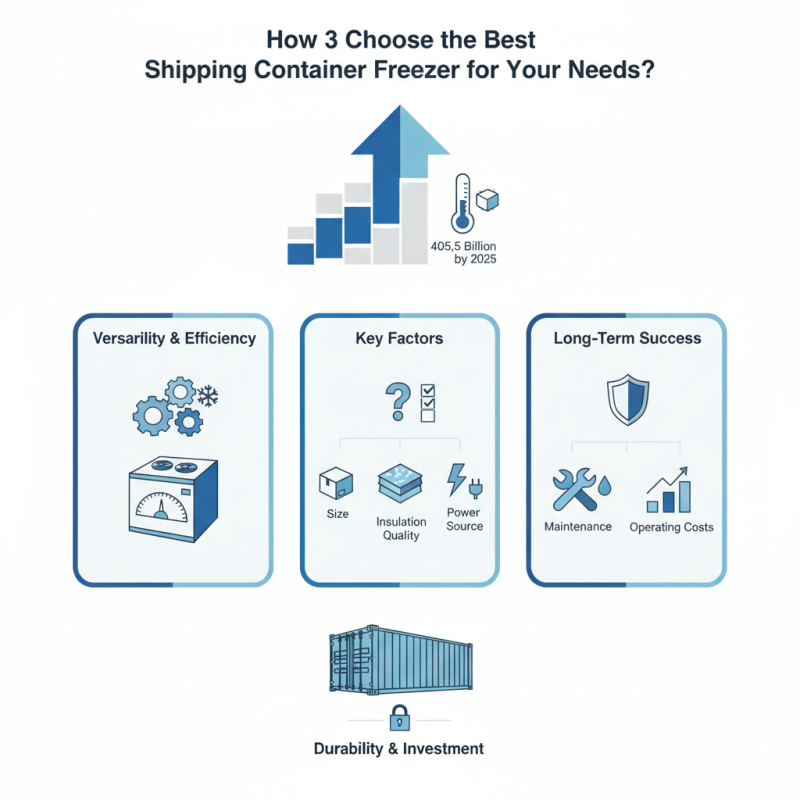
Choosing the best shipping container freezer requires careful consideration. The global cold chain market is projected to reach $405.5 billion by 2025, according to a report by Allied Market Research. This growth underscores the demand for effective storage solutions.
A shipping container freezer offers versatility and efficiency. These units can maintain temperatures ranging from -20°C to -25°C. However, selecting the right model can be challenging. Factors like size, insulation quality, and power source play crucial roles. Users must evaluate their specific needs and constraints.
Many buyers overlook essential details, such as maintenance requirements and operating costs. A less efficient model can lead to higher energy bills over time. It's also vital to consider the durability of the container. Investing in a high-quality shipping container freezer is critical for long-term savings and operational success.
Understanding Your Freezing Needs and Requirements
When selecting a shipping container freezer, it’s vital to understand your freezing needs. Different goods require different temperatures. For instance, ice cream needs a colder environment than fresh vegetables. Identifying your products will guide your choice.
Tips: Consider the type of food you store. Does it require a consistent temperature? Understand the temperature range before making a purchase. Some containers may not achieve very low temperatures.
Also, evaluate the container size. A larger container may seem perfect, but is it necessary? A smaller one saves energy and costs. Yet, ensure it can accommodate your inventory effectively.
Tips: Measure your storage space carefully. Think about future growth too. You might need extra capacity down the line.
Reflect on your operational needs as well. Is energy efficiency a priority? A less efficient model might save money initially but cost more in the long run. In contrast, a reliable, efficient unit offers long-term benefits even if it appears expensive.
How to Choose the Best Shipping Container Freezer for Your Needs?
| Feature |
Description |
Ideal Use Case |
| Size |
Available in 10', 20', and 40' lengths |
Small businesses or large-scale operations |
| Temperature Range |
Can maintain -20°C to -40°C |
Ideal for perishable goods |
| Energy Efficiency |
Utilizes advanced insulation technology |
Sustainable operation for long-term use |
| Mobility |
Transportable units available |
Food trucks, catering services |
| Temperature Monitoring |
Equipped with digital thermometers and alarms |
Maintaining food quality during transit |
Exploring Different Types of Shipping Container Freezers
When considering shipping container freezers, it’s essential to explore the various types available.
There are two main categories: passive and active freezers.
Passive freezers are insulated containers that maintain low temperatures without any external power.
They rely on ice or dry ice for cooling.
However, their effectiveness can vary with temperature fluctuations.
Active freezers, on the other hand, require a power supply.
They use powerful refrigeration units to maintain desired temperatures.
These units can cool down quickly, making them suitable for transporting perishable goods over long distances.
However, they also have higher energy costs and may require more maintenance.
Choosing between these types depends on specific needs.
For example, if you need consistent temperature control, an active freezer might be the better choice.
Yet, it comes with responsibility.
If power is lost, products can spoil quickly.
On the contrary, passive freezers offer simplicity but may not be reliable for critical shipments.
Understanding these differences is key to making an informed decision.
Factors to Consider When Selecting a Shipping Container Freezer
When choosing a shipping container freezer, several factors are essential. Firstly, consider the size of the freezer. Think about what you will store inside. Your needs will dictate if you need a standard or larger container. A smaller one might limit your options, but it can be easier to transport and manage.
Another important aspect is the insulation quality. Good insulation helps maintain low temperatures. It can reduce energy costs. So, check the material and thickness of the walls. Poor insulation can lead to unexpected expenses.
**Tips:** Evaluate your temperature requirements. Different products need different freezing levels. It’s crucial to know your specific needs. Additionally, consider the condition of the container. Used containers may have hidden issues. Always inspect and reflect on their age and maintenance history before making a decision.
Factors to Consider When Selecting a Shipping Container Freezer
Evaluating Energy Efficiency and Operating Costs
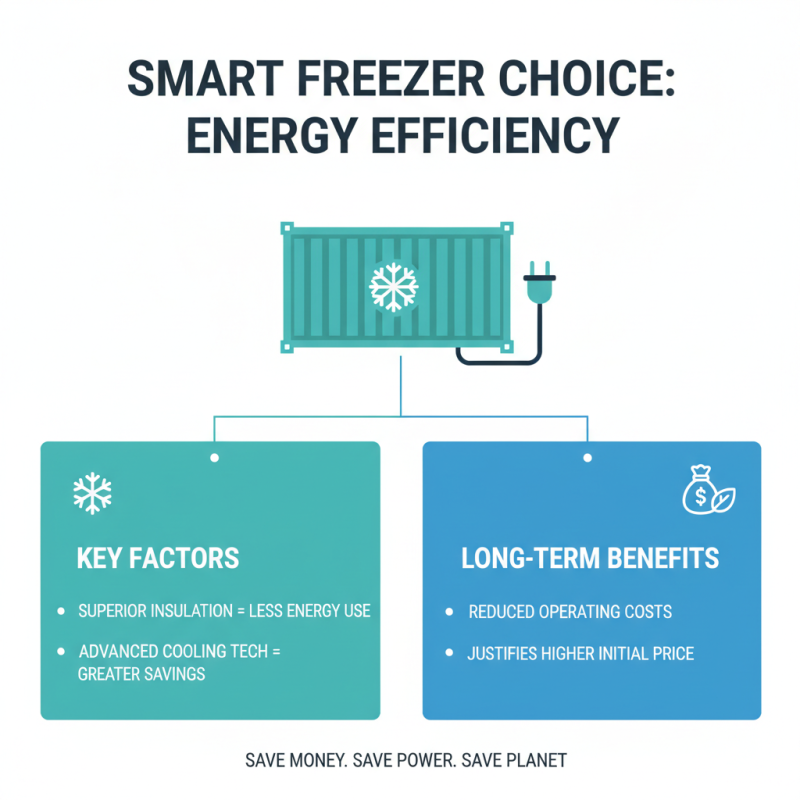
When choosing a shipping container freezer, energy efficiency is a critical factor. Containers with better insulation typically consume less energy. This helps save on operating costs over time. Look for models that offer advanced cooling technologies. They may be slightly more expensive, but the long-term savings can justify the initial cost.
Tips: Consider energy ratings when comparing options. Higher ratings often indicate better efficiency. Also, check for additional features, such as temperature controls. These features can optimize energy usage based on your specific needs.
Operating costs also include maintenance. Regular checks on refrigerants and seals can prevent unexpected breakdowns. Neglecting this can lead to costly repairs and energy waste. Be mindful of how often you need to perform maintenance. This is an area you don't want to overlook.
It's crucial to assess your actual needs. Not every operation requires the same cooling capacity. Choosing an oversized unit can lead to higher costs and energy waste. Reflect on your inventory and seasonal demands. This awareness will inform your decision. Remember, the ideal balance between efficiency and capacity is key.
Ensuring Proper Maintenance for Longevity and Performance
Choosing the right shipping container freezer involves understanding maintenance needs. Regular upkeep is key for longevity and performance. Studies show that properly maintaining these freezers can extend their lifespan by up to 30%.
Start with routine inspections. Check seals, hinges, and insulation. Look for rust or wear. A simple visual inspection can prevent costly repairs later. Moreover, keeping the temperature steady is crucial. Fluctuations can lead to spoilage or excess energy consumption.
Cleaning is also essential. Accumulated debris can affect airflow and cooling efficiency. According to a report by the Refrigerated Transport Association, improper cleaning habits can increase energy costs by 15%. Users tend to overlook this aspect, which can impact overall performance. Regular maintenance is not just a recommendation—it’s an investment in efficiency and cost savings.