Best Wireless Energy Meter from China for Global Buyers
Choosing the Best Wireless Energy Meter from China for Global Buyers requires more than comparing prices and product photos. Buyers need reliable measurements, secure data transfer, clear certifications, and practical support after installation. A meter may look advanced, yet its readings can drift when voltage quality changes or communication weakens.
The International Energy Agency’s Electricity 2024 report expects global electricity demand to grow by about 4% annually through 2026. That pressure makes timely consumption data increasingly valuable. The U.S. Energy Information Administration reported more than 128 million advanced metering infrastructure meters in the United States in 2022. These figures show a wider shift toward connected measurement, not merely a passing technology trend.
“Information is the currency of the smart grid,” says energy economist Ahmad Faruqui. His observation explains the central value of a Wireless Energy Meter: useful data must support better decisions. Factory managers may need fifteen-minute load records. Building owners may watch a sudden night-time spike. Installers need stable pairing and readable dashboards.
However, global sourcing is not effortless. A low unit price can hide weak calibration, limited APIs, or expensive replacements. Regional radio frequencies, encryption requirements, and electrical standards also differ. No meter wins everywhere. This guide therefore compares Chinese suppliers through measurable factors, including accuracy classes, wireless protocols, gateway stability, data ownership, warranty terms, and independent testing.
The objective is practical, not promotional. Readers should find equipment that performs consistently beside a busy switchboard, under real operating conditions. Even strong specifications need verification. Small details often decide the final result.
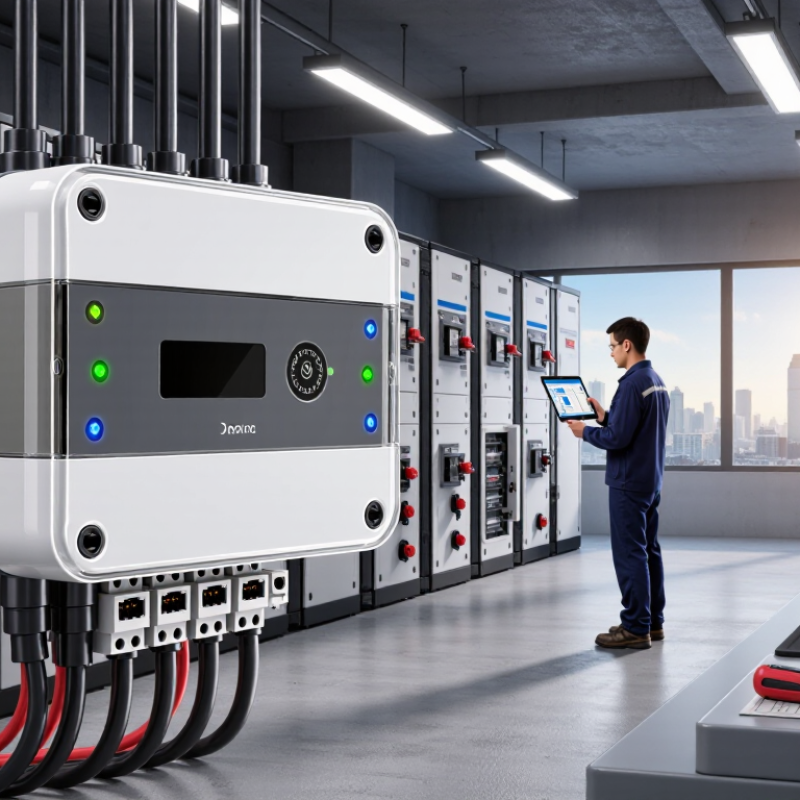
What a Wireless Energy Meter Is and How It Measures Electricity
Best Wireless Energy Meter from China for Global Buyers
A wireless energy meter measures electricity without requiring a cable to a monitoring screen. Most models use current-transformer clamps around live conductors. A voltage sensor provides the second reference. The meter then calculates voltage, current, power factor, and energy consumption in kilowatt-hours.
The basic formula is simple: power equals voltage multiplied by current. Real systems are less simple. Motors and switching equipment can distort waveforms. Better meters sample these waveforms many times per second, then calculate active and reactive power. Data travels through Wi-Fi, Bluetooth, cellular networks, or low-power radio protocols. Installation quality matters. A loose clamp can create misleading readings.
The International Energy Agency’s Electricity 2024 report projects global electricity demand growth of about 4% annually through 2026. Small measurement errors can therefore become costly across factories, warehouses, and rental properties. A wireless meter should state its accuracy class, operating voltage, current range, sampling method, and applicable testing standard, such as IEC 62053 requirements where relevant. Check this carefully.
Remote data also supports load profiling and peak-demand control. However, wireless does not mean maintenance-free. Batteries weaken. Signals disappear behind concrete walls. A practical buyer should compare readings against a calibrated reference meter during commissioning. Even then, the result may need review. Three-phase systems, exported solar energy, and unbalanced loads can expose weaknesses that a simple dashboard hides.
What a Wireless Energy Meter Is and How It Measures Electricity
A wireless energy meter measures voltage and current, calculates real power, and integrates consumption over time. The chart shows a representative 24-hour residential electricity profile recorded in hourly intervals, with energy consumption expressed in kilowatt-hours (kWh).
Higher consumption commonly occurs during morning and evening activity periods. Wireless communication allows the measured values to be transmitted for remote monitoring, reporting, and energy management.
Key Features to Compare in Wireless Energy Meters from China
Choosing a wireless energy meter from China requires more than comparing prices. Global buyers should examine measurement accuracy, communication stability, and installation requirements. A meter may display voltage, current, power factor, and accumulated energy, but these readings need clear accuracy specifications. Check whether the stated accuracy applies across different loads, temperatures, and frequencies.
Look closely at the wireless connection. Wi-Fi suits buildings with reliable networks, while LoRa or cellular options may work better across warehouses and remote sites. Ask about communication range through concrete walls. Test data refresh rates, gateway capacity, and compatibility with common platforms before placing a large order. Small details matter. Battery life matters too. For current transformers, confirm the opening size and maximum current rating before installation. A poor fit can create inaccurate readings and wasted labor.
Safety and documentation deserve equal attention. Request wiring diagrams, calibration records, enclosure ratings, and test reports relevant to the destination market. Do not accept a certificate image without checking its scope and validity. In practical inspections, loose terminals and unclear labels cause more trouble than missing software features. Data protection should also be discussed, especially when meters upload consumption records to cloud servers. Ask where data is stored and how user access is controlled. I have found that suppliers often describe “real-time” monitoring differently; one device may refresh every few seconds, while another reports only after several minutes. That difference should be written into the purchase specification, not left to assumption.
Best Wireless Energy Meter from China for Global Buyers - Key Features to Compare in Wireless Energy Meters from China
| Comparison Dimension | Single-Phase Direct Meter | Three-Phase Direct Meter | CT-Based Three-Phase Meter | Wireless Gateway-Ready Meter |
|---|---|---|---|---|
| Typical application | Apartments, small offices, lighting circuits and single-phase equipment | Commercial buildings, workshops and balanced three-phase loads | Industrial feeders, high-current circuits and retrofit projects | Multi-meter systems requiring cloud, BMS or remote data collection |
| Measured parameters | Active energy, voltage, current, active power, power factor and frequency | Per-phase voltage and current, total active energy, active power, power factor and frequency | Per-phase values, total energy, demand, power factor and phase-related measurements | Meter data plus remote status, alarms, communication diagnostics and scheduled reports |
| Nominal voltage | Commonly 120 V, 230 V or 240 V AC, depending on the target market | Commonly 230/400 V AC or 120/208 V AC systems | Voltage input must match the local system; CTs measure the current separately | Confirm both the measurement voltage and the gateway power-supply range |
| Current measurement | Direct connection, often up to approximately 45–100 A depending on the model | Direct connection, commonly selected for distribution circuits within the meter rating | External CTs such as 100/5 A, 200/5 A or 400/5 A; verify CT ratio compatibility | Direct or CT input; confirm whether the CT ratio can be configured digitally |
| Accuracy consideration | Look for an active-energy accuracy class such as Class 1 or Class B | Class 1 is common for monitoring; higher accuracy may be required for billing | Overall accuracy depends on both the meter and the CT accuracy class | Request test conditions, uncertainty data and calibration documentation |
| Wireless communication | Wi-Fi, Bluetooth or sub-GHz radio may be available depending on the design | Wi-Fi, cellular, sub-GHz radio or a separate wireless concentrator | Usually communicates through RS-485, a radio module or a gateway | Common options include Wi-Fi, Ethernet, cellular, LoRaWAN or Zigbee |
| Wired interface | Optional RS-485 with Modbus RTU; verify terminal arrangement | RS-485 and Modbus RTU are widely used for local integration | RS-485 with Modbus RTU is common for industrial monitoring | RS-485, Ethernet or pulse output may be provided for gateway integration |
| Data interval and storage | Check whether data is live only or stored locally; common intervals are 1–60 minutes | Confirm interval configuration, memory capacity and export format | Suitable for logging load profiles when sufficient local memory is provided | Look for timestamped records, offline buffering and automatic data retransmission |
| Display and user interface | LCD or no display; check visibility, backlight and cumulative-energy resolution | LCD display with total and per-phase readings is useful for commissioning | Display may be local or omitted when the meter is installed inside a panel | Web, mobile or software interface should support user roles and data export |
| Installation format | DIN-rail or compact panel-mount installation | DIN-rail installation is common; confirm module width and terminal clearance | Panel installation with separate CTs; suitable for retrofit work | Meter and gateway may require separate DIN-rail positions and antenna clearance |
| Safety and compliance | Check insulation, dielectric strength, terminal protection and applicable local requirements | Request declarations and test reports relevant to the destination market | Verify CT insulation, shorting provisions and safe secondary wiring practices | Check electrical safety, radio approvals, EMC testing and cybersecurity provisions |
| Operating environment | Confirm operating temperature, humidity and altitude limits before outdoor or cabinet use | Check heat dissipation and enclosure requirements for distribution boards | Confirm CT temperature rating and cable length limits | Verify antenna performance, network availability and enclosure protection rating |
| Best buyer verification documents | Datasheet, wiring diagram, calibration record and communication register map | Datasheet, accuracy test report, installation guide and protocol documentation | Meter test report, CT certificate, CT ratio table and wiring instructions | All electrical documents plus radio approvals, API details and data-security information |
Note: The specifications shown are commonly available comparison options rather than a single product specification. Final selection should be based on the destination country's voltage system, current rating, required accuracy, wireless frequency regulations, installation method and applicable certification requirements.
Wireless Communication Standards and Data Transmission Options
Wireless energy meters from China can support global projects when communication standards match the installation environment.
Wi-Fi suits buildings with stable internet and nearby routers. Bluetooth Low Energy works well for local commissioning and short-range readings. Zigbee can connect multiple meters across a facility, but it usually needs a gateway. LoRaWAN offers long-distance transmission with low power use. Cellular options support remote sites, although coverage and subscription costs require careful checking.
Data transmission should be reviewed as closely as measurement accuracy. Common choices include MQTT or HTTPS for cloud platforms, while Modbus may support local industrial integration. Look for encrypted communication, device authentication, timestamped readings, and offline storage.
A reliable meter should retain data during network loss, then synchronize after reconnection. In field testing, metal cabinets and concrete walls often reduce signal strength more than expected. No single standard wins everywhere.
Tips: Confirm regional frequency bands before ordering. Test the meter inside its real enclosure. Ask for sample data records, protocol documents, and firmware update procedures. Check whether the gateway supports your preferred server system. Also, avoid judging performance from a laboratory distance test alone. I have seen strong open-air signals fail inside crowded electrical rooms. This is easy to overlook, and it deserves another practical test.
Safety, Accuracy, Certifications, and Compliance for Global Markets
A wireless energy meter from China can serve factories, warehouses, and commercial buildings worldwide. Its value depends on more than wireless range or a low purchase price. Buyers should examine measurement accuracy, enclosure strength, and installation safety. A loose terminal can create heat during continuous operation. That small detail matters.
Reliable suppliers provide calibration records, production test procedures, and traceable measurement equipment. Ask how accuracy changes under low voltage, temperature shifts, and unstable networks. Wireless communication should use secure pairing and encrypted data transmission. Radio performance also needs testing in metal cabinets and crowded industrial areas. Real sites are rarely clean.
Certification requirements differ across regions. Depending on the destination, buyers may need electrical safety, electromagnetic compatibility, radio, and environmental compliance documents. A supplier should identify the applicable standards before mass production, not after shipment. Check certificate scope, model numbers, test dates, and authorized laboratories. A certificate for one variant may not cover another. This is often overlooked. Importers should also review manuals, labels, declarations, and local installation rules. Clear documents reduce customs delays and unsafe field work. However, paperwork alone cannot prove long-term reliability. Request sample testing, batch inspection, and spare-unit support. I would also question impressive accuracy claims without raw test data. Even experienced teams can miss a regional requirement. A careful review is worth the extra week.
How to Select, Order, and Deploy the Right Energy Meter Internationally
Selecting a wireless energy meter from China starts with the application, not the catalog. Start with the load. Record voltage, current, phase type, accuracy, and expected operating temperature. A household panel needs different specifications from a factory feeder. Confirm whether the meter supports Wi-Fi, cellular, LoRaWAN, or another required network. Check local frequency bands before ordering.
Request complete technical documents from the supplier. These should include accuracy data, calibration procedures, wiring diagrams, communication protocols, and safety certifications. Verify whether test reports match the exact model and voltage range. Sample units deserve laboratory testing before a large purchase. Small errors matter. A low-cost meter may create expensive billing disputes if readings drift. Packaging should protect terminals, displays, and communication modules during international transport.
Deployment requires more than mounting the device. Inspect the installation site for signal strength, moisture, heat, and electrical interference. Use qualified electricians and follow the destination country’s requirements. Protect account credentials and encrypt transmitted data when possible. Set reporting intervals carefully, because frequent uploads can increase battery or data consumption. Field teams often discover that installation notes are incomplete. Improve them after the pilot. Test remote alerts, data recovery, and manual readings before scaling. Keep spare units and a clear replacement process. International projects rarely work perfectly on the first attempt.
Article Source:
Get a quote
Get a quote
Read More
Accept AllReject AllCustomise
Privacy Overview
| Cookie | Duration | Description |
|---|---|---|
| cookielawinfo-checkbox-advertisement | 1 year | Set by the GDPR Cookie Consent plugin, this cookie records the user consent for the cookies in the "Advertisement" category. |
| cookielawinfo-checkbox-analytics | 11 months | This cookie is set by GDPR Cookie Consent plugin. The cookie is used to store the user consent for the cookies in the category "Analytics". |
| cookielawinfo-checkbox-functional | 11 months | The cookie is set by GDPR cookie consent to record the user consent for the cookies in the category "Functional". |
| cookielawinfo-checkbox-necessary | 11 months | This cookie is set by GDPR Cookie Consent plugin. The cookies is used to store the user consent for the cookies in the category "Necessary". |
| cookielawinfo-checkbox-others | 11 months | This cookie is set by GDPR Cookie Consent plugin. The cookie is used to store the user consent for the cookies in the category "Other. |
| cookielawinfo-checkbox-performance | 11 months | This cookie is set by GDPR Cookie Consent plugin. The cookie is used to store the user consent for the cookies in the category "Performance". |
| CookieLawInfoConsent | 1 year | CookieYes sets this cookie to record the default button state of the corresponding category and the status of CCPA. It works only in coordination with the primary cookie. |
| viewed_cookie_policy | 11 months | The cookie is set by the GDPR Cookie Consent plugin and is used to store whether or not user has consented to the use of cookies. It does not store any personal data. |
| Cookie | Duration | Description |
|---|---|---|
| _cs_c | 1 year 1 month | The cookie is used by Content Square to save the user consent to be tracked. |
| Cookie | Duration | Description |
|---|---|---|
| _cs_id | 1 year 17 days 20 hours 13 minutes | This cookie is used to store the ContentSquare's user identifier ID. This is a persistent cookie and expires after 13 months. |
| _cs_s | 1 hour | This cookie is used to store the number of page's viewed by a visitor within the session for ContentSquare's solution. |
| _ga | 1 year 1 month 4 days | Google Analytics sets this cookie to calculate visitor, session and campaign data and track site usage for the site's analytics report. The cookie stores information anonymously and assigns a randomly generated number to recognise unique visitors. |
| _ga_* | 1 year 1 month 4 days | Google Analytics sets this cookie to store and count page views. |
| _gcl_au | 3 months | Google Tag Manager sets the cookie to experiment advertisement efficiency of websites using their services. |
| Cookie | Duration | Description |
|---|---|---|
| test_cookie | 15 minutes | doubleclick.net sets this cookie to determine if the user's browser supports cookies. |
| Cookie | Duration | Description |
|---|---|---|
| _cs_root-domain | session | Description is currently not available. |
| _cs_same_site | session | Description is currently not available. |