What is a Cargo Container and How is it Used in Shipping?
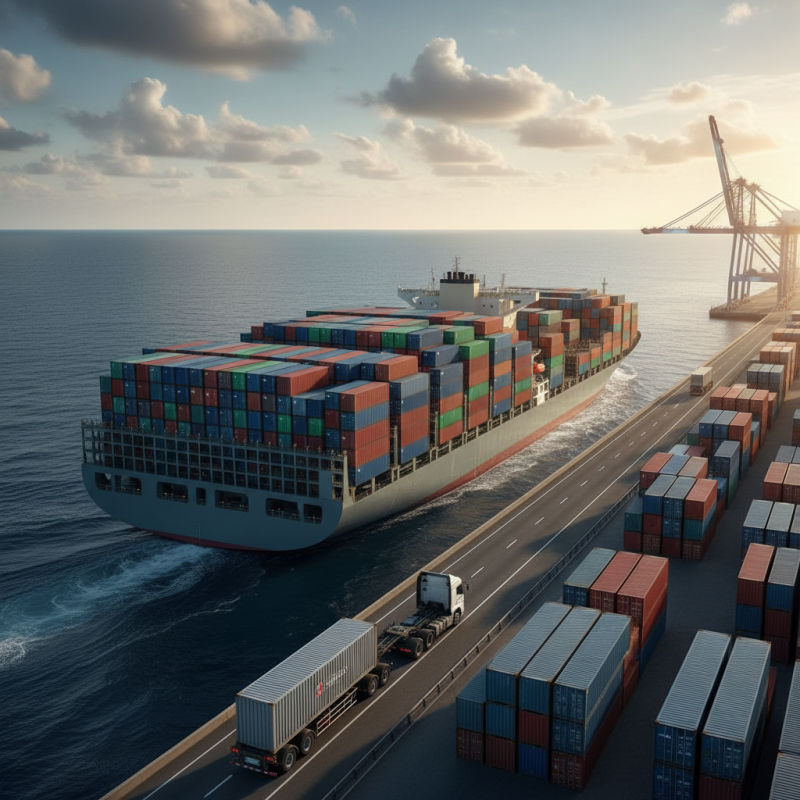
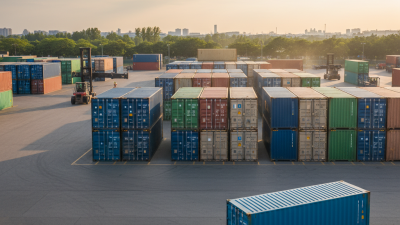
A cargo container is a vital element in modern shipping. These large, standardized boxes transport goods across the globe. They come in various sizes, typically 20 or 40 feet long. The container’s design allows for efficient stacking, ensuring space maximization on ships, trains, and trucks.
The use of cargo containers has revolutionized international trade. Shipping goods became faster and more reliable. Businesses can move products from factories to consumers with ease. However, some challenges exist. Not all ports can accommodate these containers, leading to delays. Additionally, container theft is a risk that cannot be ignored.
Understanding the role of cargo containers is essential. They have streamlined shipping but also introduced complexities. Reflecting on how we utilize them can lead to better practices. A cargo container may seem simple, but its impact is profound.
What is a Cargo Container? Definition and Functionality in Shipping
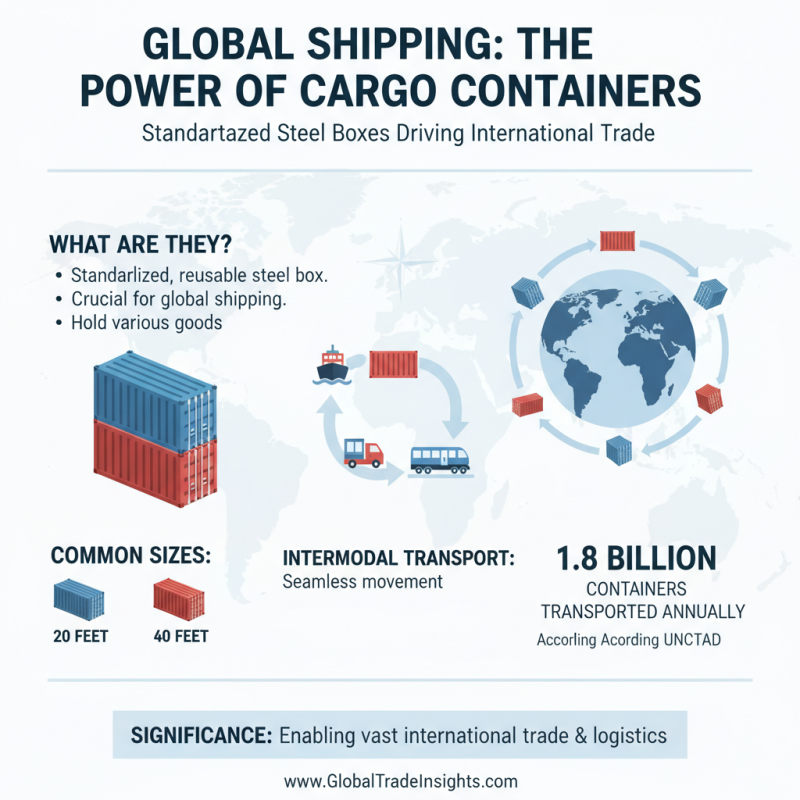
A cargo container is a standardized, reusable steel box. It plays a crucial role in global shipping. These containers can hold various types of goods. They come in different sizes, most commonly 20 and 40 feet long. According to the United Nations Conference on Trade and Development, about 1.8 billion containers are transported yearly. This number showcases their significance in international trade.
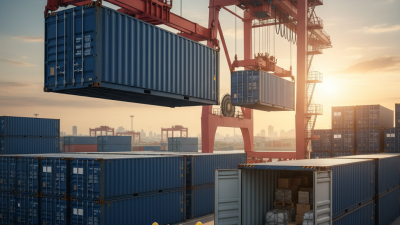
The functionality of cargo containers is remarkable. They ensure safe and efficient transportation of goods. Designed for durability, they withstand the rigors of transit. Containers are stackable, maximizing space on ships, trains, and trucks. Another report by the International Maritime Organization states that containerization has reduced shipping costs by nearly 90% since the 1960s. However, issues persist, such as container shortages and delays in logistics.
While containers offer many benefits, the reliance on them poses challenges. Damage can occur during transit, leading to significant losses. Moreover, managing storage and retrieval of containers requires careful planning. The environmental impact of manufacturing and transporting these containers also raises concerns. It is essential to address these issues to enhance efficiency in the shipping industry.
The Historical Evolution of Cargo Containers in Global Trade
The cargo container has transformed global trade profoundly since its inception. The first modern container was introduced in 1956, changing shipping methods. Containers streamline loading and unloading processes. They have increased shipping efficiency dramatically. According to a report by McKinsey, container shipments now account for over 60% of global cargo movement. This statistic reflects the central role containers play in the economy.
However, the journey has not been without challenges. Early containers were not standardized, which caused confusion and delays. The International Organization for Standardization (ISO) established guidelines in 1968. Standardization was crucial for global compatibility. Now, about 90% of the world's cargo is carried in standardized containers. Despite this, issues like port congestion still arise. Reports indicate that more than 20% of containers face delays at major ports.
In addition, environmental concerns grow as more containers flood the system. Shipping contributes significantly to global emissions. Industry experts suggest that developing greener alternatives is urgent. The focus on sustainable practices must continue. Finding a balance between efficiency and environmental impact is necessary for future growth. The evolution of cargo containers reveals a need for constant improvement.
Standard Sizes and Types of Cargo Containers: A Comprehensive Overview
Cargo containers are essential in the shipping industry. They come in various standard sizes and types, designed for specific functions. The most common size is the 20-foot container. It is versatile and widely used. Another popular option is the 40-foot container. This size offers more capacity for bulkier items.
There are also specialized containers like open-top and refrigerated ones. Open-top containers are great for oversized cargo. Refrigerated containers keep perishables fresh during transport. The variety of containers can sometimes be confusing. Not all shipping companies use the same dimensions. This inconsistency can lead to logistical issues.
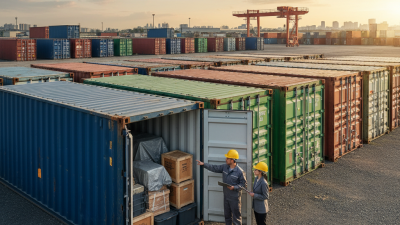
Understanding the different types of cargo containers is key. Each type serves a unique purpose. Yet, it’s important to be aware that container quality can vary. Not every container is in perfect condition. Frequent inspections are necessary to ensure safety. Such challenges remind us of the complexities of global shipping.
The Role of Cargo Containers in Supply Chain Efficiency and Logistics
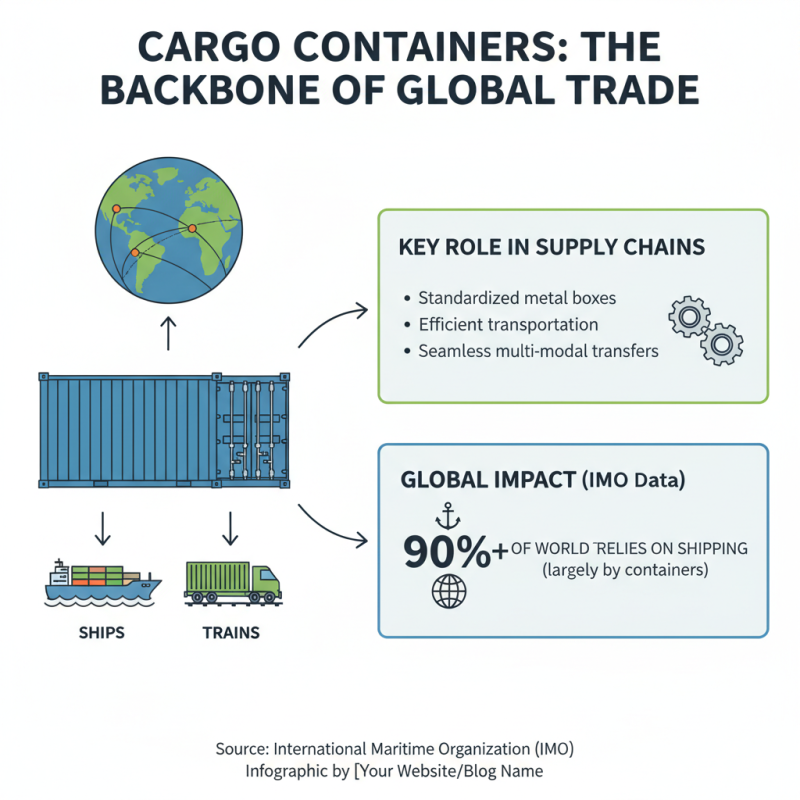
Cargo containers play a vital role in modern supply chains. These standardized metal boxes allow for efficient transportation of goods across various modes of transport. According to the International Maritime Organization, over 90% of world trade relies on shipping, much of which utilizes cargo containers. This method improves logistics by facilitating seamless transfers between ships, trucks, and trains.
However, there are challenges in container logistics. Delays at ports can hinder the entire supply chain. A report by McKinsey indicates that port congestion can lead to losses of up to $1 trillion globally each year. Moreover, the efficiency of container usage varies greatly. Some containers sit idle for extended periods, reflecting poor inventory management in certain sectors.
To enhance supply chain efficiency, companies must focus on optimizing their container use. Regular assessments of container flow and turnaround times are essential. Implementing advanced tracking systems can reduce delays and improve accountability. In an ever-evolving market, refining these processes is crucial for staying competitive and meeting consumer demands.
Environmental Impact of Cargo Containers and Sustainable Shipping Practices
Cargo containers play a vital role in global trade. However, their environmental impact cannot be overlooked. The shipping industry contributes significantly to pollution. Cargo containers are often transported by large vessels burning fossil fuels. This leads to greenhouse gas emissions. Harmful emissions affect air quality and climate change.
To mitigate these effects, sustainable shipping practices are crucial. Companies should explore alternative fuels like biofuels or electric power. Better logistics planning can reduce empty container movements. Using smart technologies can increase efficiency and cut emissions.
Tips: Opt for carriers that prioritize eco-friendly practices. Consider supporting companies that invest in renewable energy sources. It’s also worth reflecting on using fewer resources when shipping. Every small change counts towards a more sustainable shipping future.
What is a Cargo Container and How is it Used in Shipping? - Environmental Impact of Cargo Containers and Sustainable Shipping Practices
| Dimension |
Value |
Notes |
| Standard Length |
20 ft |
Most common size for cargo containers |
| Standard Width |
8 ft |
Standard width for all shipping containers |
| Maximum Load Weight |
24,000 kg |
Typical maximum load for a standard 20 ft container |
| Environmental Impact - CO2 Emissions |
1 billion tons annually |
Shipping contributes significantly to global CO2 emissions |
| Sustainable Practice - Use of Eco-Friendly Materials |
Increasing |
More shipping companies are using biodegradable materials |
| Percentage of Reusable Containers |
30% |
Still a low number, but increasing with sustainable efforts |
| Global Trade Container Usage |
Over 200 million |
Number of containers used globally for trade |