2026 Best Shipping Container Uses for Home and Business Innovations?
Shipping containers are revolutionizing how we think about space. They are no longer just a means for transportation; they are becoming essential in home and business innovations. The global shipping container market is expected to reach $9 billion by 2027, showcasing the growing interest in these versatile structures.
The appeal of shipping containers lies in their adaptability. They can be transformed into homes, offices, pop-up shops, and more. For instance, studies reveal that container homes can be built in half the time of traditional houses. However, challenges remain. Insulation and ventilation are often overlooked, leading to uncomfortable living conditions.
As we explore the best uses of shipping containers in 2026, it’s essential to consider both their benefits and limitations. Ignoring these aspects could hinder innovation. With proper design and planning, shipping containers can offer sustainable solutions. The journey to their full potential is just beginning.

Innovative Residential Applications of Shipping Containers
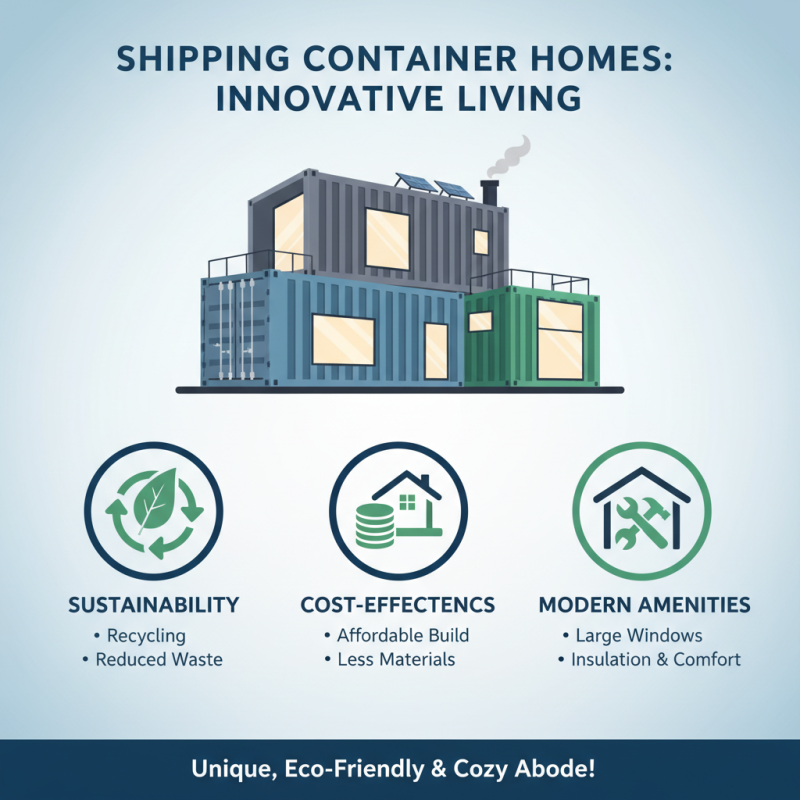
Shipping containers are not just for transport anymore. They have become a unique solution for innovative residential applications. Converting containers into homes is trending. Many people are drawn to this alternative because of sustainability and cost-effectiveness. A shipping container home can be a cozy abode with modern amenities. Large windows can provide natural light, while insulation keeps the space comfortable.
However, there are challenges in this approach. Designers often face issues with layout and space optimization. It’s essential to plan carefully to create a livable environment. Some homeowners struggle with ventilation and moisture control. These factors can lead to discomfort over time. Despite these obstacles, the charm of container homes is undeniable. They can be customized with creative interiors and outdoor spaces. Some even incorporate vertical gardens, adding a touch of nature.
These container homes offer an exciting glimpse into the future of housing. They encourage a minimalist lifestyle without compromising on style. However, potential residents should research thoroughly before diving in. Reflecting on local regulations and personal needs is crucial. Embracing the shipping container trend might lead to unexpected surprises.
Creative Business Uses for Shipping Containers in Commerce
Shipping containers are becoming a popular choice for innovative business solutions. Their versatility offers practical and unique possibilities for commerce. Many entrepreneurs use these containers as mobile pop-up shops. Imagine a colorful container transformed into a trendy coffee bar, appearing at festivals and events. These shops can attract customers seeking unique experiences.
Beyond retail, shipping containers are ideal for creating affordable office spaces. Companies can stack or arrange containers to create functional work environments. This approach not only minimizes costs but also fosters creativity. However, adapting containers to office needs can be challenging. Issues like insulation and ventilation must be addressed carefully. Business owners must reflect on these potential drawbacks.
Moreover, shipping containers are being used to create urban farms. These farms can exist in dense city areas, providing fresh produce. Container farms reduce the need for transportation, but they require meticulous planning to ensure proper growth conditions. Entrepreneurs often face hurdles like pest control and crop yield variations. These challenges remind us that while shipping containers are remarkable, there's always room for improvement and adaptation in their use.
2026 Best Shipping Container Uses for Home and Business Innovations
Transforming Shipping Containers into Sustainable Housing Solutions
Shipping containers are gaining popularity as innovative solutions for sustainable housing. Recent studies show that over 5,000 shipping containers can be repurposed into homes each month. This trend not only addresses housing shortages but also promotes eco-friendly practices. Transforming these sturdy structures into livable spaces can significantly reduce waste. Each container can divert about 3.5 tons of steel from landfills.
Designing homes from shipping containers involves unique challenges. Insulation is crucial in maintaining comfortable indoor temperatures. Many people overlook how climate impacts container homes. Extreme weather can pose risks if not properly addressed. Moreover, finding suitable land for placement remains an obstacle. Some local regulations may restrict container homes in certain areas. It’s important for builders and owners to navigate these regulations thoughtfully.
Additionally, the aesthetic potential of shipping container housing is often underestimated. Customization is key. People can create beautiful, functional designs that fit their needs. However, achieving the perfect balance between functionality and aesthetics can be difficult. Future improvements in insulation and design could enhance these residences further. The growing interest shows a need for more dialogue around sustainable construction methods.
Designing Container-Based Workspaces for Modern Businesses
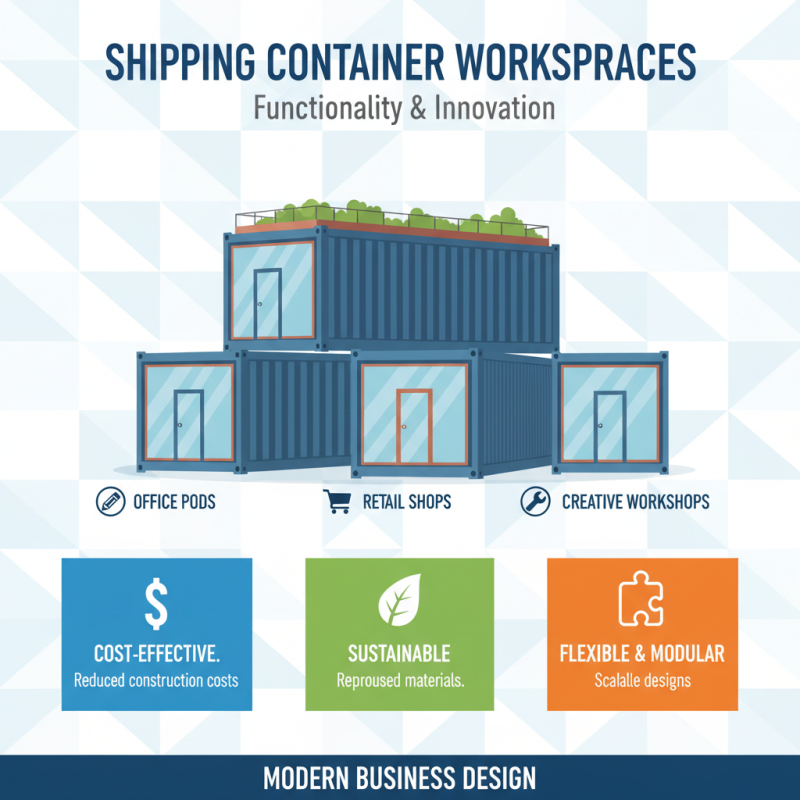
Shipping container workspaces are gaining traction in modern business design. They offer a unique blend of functionality and innovation. More than just a trend, they provide cost-effective and sustainable solutions for various industries. These containers can be modified into offices, retail spaces, or even workshops. Their versatility is appealing to businesses seeking flexibility.
When designing a container-based workspace, consider the layout carefully. Natural light is crucial. Large windows or skylights can create an inviting atmosphere. Also, think about insulation. A well-insulated container can maintain a comfortable temperature year-round. However, remember that airflow is essential. Poor ventilation can lead to discomfort and reduce productivity.
**Tips:** Use recycled materials for interior design. This not only enhances aesthetics but also promotes sustainability. Consider modular furniture for efficient use of space. Lastly, incorporate greenery. Plants can improve air quality and boost morale.
Challenges and Considerations in Shipping Container Conversions
Shipping container conversions present unique challenges. One major concern is insulation. Without proper insulation, these containers can become uncomfortably hot in summer or freezing in winter. It is important to choose the right materials. Investing in high-quality insulation could be key to maintaining a comfortable temperature.
Another consideration is zoning regulations. Some areas have strict rules on container usage. Homeowners might need permits, which can be a lengthy process. Compliance not only takes time but also adds to costs. This is a significant hurdle for many looking to convert shipping containers into homes or businesses.
Lastly, structural integrity is critical. While containers are durable, they require careful modifications. Cutting holes for windows or doors can weaken the structure if not done properly. Reinforcement may be necessary. Buyers should engage professionals for guidance. Balancing creativity with safety is essential for successful conversions.
2026 Best Shipping Container Uses for Home and Business Innovations - Challenges and Considerations in Shipping Container Conversions
| Use Case |
Description |
Challenges |
Considerations |
| Residential Homes |
Sustainable housing option with modular design. |
Zoning laws and building codes. |
Insulation and ventilation requirements. |
| Offices |
Flexible office spaces that can be relocated easily. |
Limited space and customization issues. |
Connectivity and infrastructure setup. |
| Pop-Up Shops |
Mobile retail spaces ideal for events and markets. |
Obtaining permits and managing customer foot traffic. |
Design aesthetics and branding. |
| Storage Solutions |
Secure and weather-resistant storage alternatives. |
Risk of theft or vandalism. |
Accessibility and location considerations. |
| Art Studios |
Creative spaces for artists to work and exhibit. |
Light and temperature control challenges. |
Community engagement and accessibility. |