Best Shipping Container Storage Units for Global Buyers?
In today's global market, shipping container storage units have become essential for buyers seeking efficient solutions. These units offer flexibility and durability, making them ideal for various storage needs. Many businesses and individuals choose containers for their unique functionality and cost-effectiveness.
When selecting the best shipping container storage units, practicality is key. Prospective buyers should consider size, condition, and portability. Each factor plays a critical role in determining the suitability for specific requirements. Understanding these elements can lead to informed decisions, saving time and money in the long run.
However, challenges exist in the selection process. Not all suppliers provide reliable units, and the quality can vary significantly. It’s crucial to conduct thorough research and ask the right questions. Being cautious will enhance your overall experience and ensure that the chosen shipping container truly meets your needs.
Types of Shipping Container Storage Units Available Globally
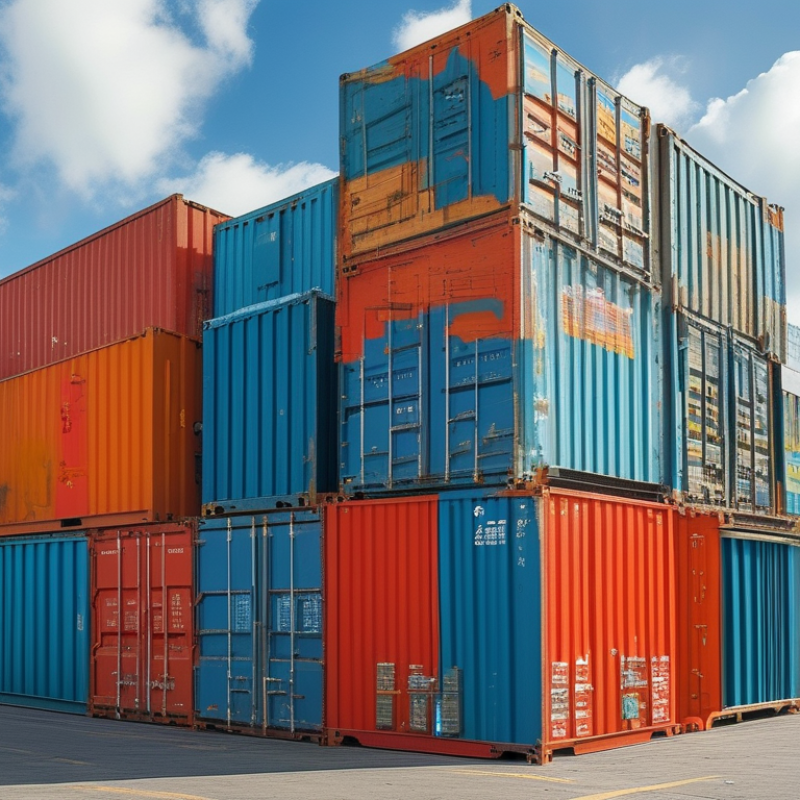
Shipping containers provide versatile storage solutions across the globe. Various types of shipping container storage units exist, catering to different needs. The most common types include standard containers, high-cube containers, and refrigerated containers. Each of these units offers distinct benefits and use cases.
Standard containers are robust and perfect for general storage. They come in different lengths, usually 20 or 40 feet. High-cube containers offer extra height, making them ideal for items that require more vertical space. Refrigerated containers ensure temperature control, suitable for perishable goods. However, selecting the right type is crucial. Not all storage options suit your specific requirements.
Location also affects the choice of shipping containers. Some regions may lack quality options, while others may have excess supply. It’s essential to assess local suppliers and their offerings. Additionally, be mindful of the container's condition. Inspections are necessary to avoid hidden damages. These factors contribute to the overall reliability of your storage solution.
Best Shipping Container Storage Units for Global Buyers
| Container Type |
Dimensions (L x W x H) |
Capacity (Cubic Meters) |
Weight (kg) |
Use Case |
| Standard Dry Container |
20' x 8' x 8.5' |
33.2 |
2300 |
General cargo storage |
| High Cube Container |
40' x 8' x 9.5' |
76.4 |
3800 |
Storage of large items |
| Refrigerated Container |
20' x 8' x 8.5' |
28.3 |
2500 |
Perishable goods storage |
| Open Top Container |
20' x 8' x 8.5' |
33.2 |
2500 |
Loading bulky goods |
| Flat Rack Container |
40' x 8' x 8.5' |
76.4 |
4000 |
Transportation of heavy items |
Factors to Consider When Choosing Shipping Container Storage
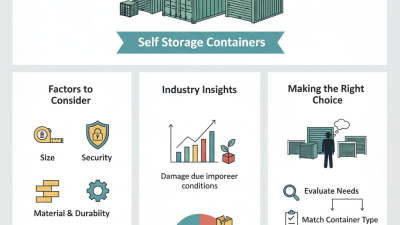
When choosing shipping container storage units, several factors come into play. First, consider the size of the container. Standard sizes include 20 and 40 feet, but custom dimensions are available. Assess your specific storage needs. Too large a container wastes space; too small may lead to overcrowding.
Next, look for durability and weather resistance. Shipping containers should withstand harsh conditions. Check for rust, leaks, and structural integrity. A reliable container will protect your belongings from the elements. Inspect the doors and locks for functionality as well.
Cost is another key factor. Prices vary based on container size and condition. Used containers might offer savings but check for damage. Sometimes, extra costs arise from delivery or modifications. Ensure that the total budget aligns with your financial plan. Keep these considerations in mind to make informed decisions on your storage solutions.
Key Advantages of Using Shipping Containers for Storage Solutions
Shipping containers have become popular storage solutions for many global buyers. Their versatility and durability make them attractive for various uses. According to a recent industry report by Grand View Research, the global storage container market is projected to reach USD 9.5 billion by 2025. This growth highlights the increasing reliance on containers for secure storage needs.
One key advantage of using shipping containers for storage is their robust structure. These containers can withstand harsh weather conditions, providing a safe environment for stored goods. They are also highly portable, allowing easy relocation. Additionally, they can be modified to suit specific requirements, such as insulation for temperature control. Reports show that around 30% of businesses are now opting for containers due to their low overhead costs.
Tip: Before purchasing a container, consider your storage needs. Assess the type of items you plan to store. This will help you choose the right size and condition of the container.
Another advantage is their eco-friendliness. Reusing shipping containers helps reduce waste and promotes sustainability. However, not all containers are in perfect condition. Ensure you inspect for rust or structural damage before making a purchase.
Tip: Seek guidance from professionals who understand container storage. They can provide useful insights and help you avoid costly mistakes.
Best Practices for Maintaining Shipping Container Storage Units
Maintaining shipping container storage units is essential for long-term efficiency. Regular inspections can prevent costly repairs. Reports indicate that 37% of storage issues arise from neglect. This highlights the importance of a maintenance routine.
The containers should be cleaned regularly. A build-up of dirt can cause rust and deterioration. Experts recommend using a pressure washer for thorough cleaning. After cleaning, inspect for any signs of damage. Look for corrosion, dents, or paint peeling. Monitoring these issues can extend the container's lifespan significantly.
Tip: Check seals and hinges monthly. A simple inspection can prevent water leaks and other damages. Additionally, consider applying rust-proof coatings. This small investment can dramatically improve container durability.
Proper organization inside the container also matters. Avoid overcrowding to maintain airflow. This reduces condensation, which can lead to mold. Proper stacking helps in accessing items easily, minimizing the risk of accidents. Regularly review the contents to ensure they are in good shape.
Top Suppliers of Shipping Container Storage Units Worldwide
When considering shipping container storage units, it's essential to focus on top suppliers worldwide. Numerous companies are establishing themselves as leaders in the field. They provide robust, durable container units that ensure both safety and functionality. Some suppliers offer options for customization, allowing buyers to modify containers based on specific storage needs.
The experience and expertise of the suppliers dictate the quality of their products. Many have been in the industry for years, understanding the nuances of shipping logistics and storage demands. This secures their reputation as dependable partners. However, not every supplier meets the same standards. Some may lack stringent quality control measures, leading to issues over time. It is crucial to research each potential supplier thoroughly.
It's also helpful to consider customer reviews. They provide valuable insights into the reliability of suppliers. These reviews can unveil common issues, like the rusting of containers or delays in delivery. Reflecting on these details is necessary. While the market can seem overwhelming, understanding the strengths and weaknesses of suppliers will lead to better decisions.