What Are the Best Shipping Container Sizes in China?
Choosing the right shipping container sizes in China is more practical than it first appears. A container may look like a simple steel box, yet its internal length, door opening, payload, and cubic capacity affect every shipment. In Chinese ports such as Shanghai, Ningbo, and Shenzhen, standard equipment is common, but availability can change with seasons, routes, and carrier schedules. This guide examines the sizes exporters and importers most often encounter, including 20-foot, 40-foot, and 40-foot high-cube containers. It also explains where each option fits.
A 20-foot container often suits dense cargo, machinery, tiles, or packaged goods that reach weight limits before filling the floor area. A 40-foot container offers nearly double the length and works better for cartons, furniture, textiles, and lighter products. The 40-foot high-cube adds valuable vertical space, usually about 30 centimeters more internal height. Small difference? Not always. It can prevent awkward stacking and reduce wasted space. Still, dimensions vary slightly by manufacturer and equipment type, so published figures should be checked against the carrier’s current specifications.
Reliable planning begins with a measured packing list, not a rough guess. Record carton dimensions, gross weight, stackability, pallet height, and loading method. Then compare usable space with road, rail, warehouse, and destination restrictions. A freight forwarder or experienced supplier can confirm equipment availability and advise on loading patterns. Their guidance matters, but it should be documented and questioned when numbers seem unclear. There is no single best size. The right choice balances cargo volume, weight, handling risk, freight cost, and schedule reliability. This article provides a practical starting point, while recognizing that real shipments can expose assumptions that spreadsheets miss.
Standard Shipping Container Sizes Available in China
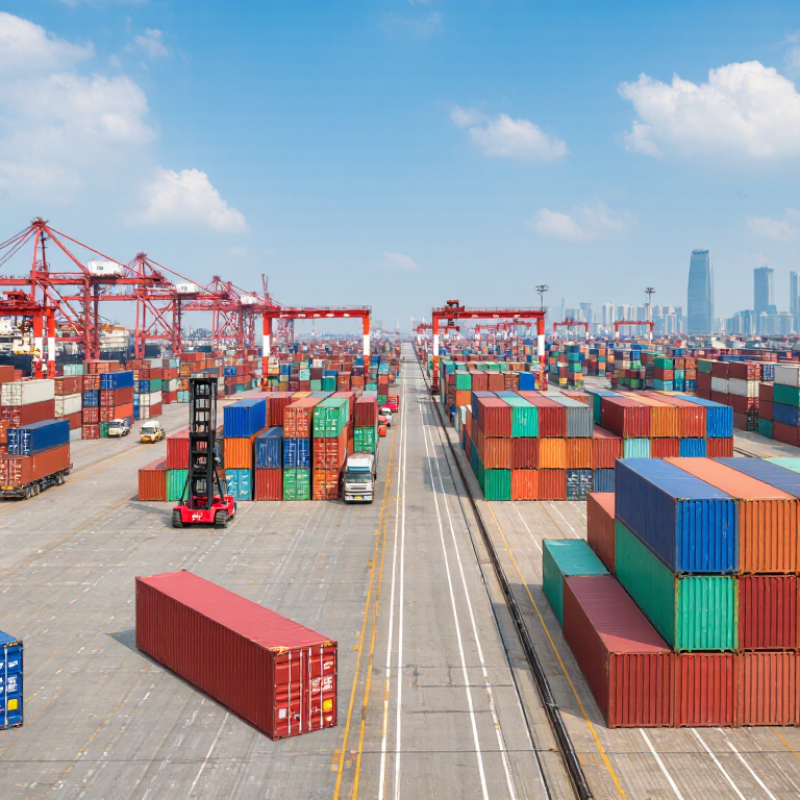
China’s standard shipping container sizes follow ISO 668:2020 dimensions. The 20-foot container, or 1 TEU, measures about 5.9 meters long internally. It usually holds 28–33 cubic meters of cargo, depending on the design.
The 40-foot container provides roughly 67 cubic meters of internal space. A 40-foot High Cube adds about 30 centimeters of height, reaching approximately 2.69 meters externally. This extra room suits light, bulky goods, furniture, and packaged machinery.
However, a larger box does not always reduce costs. Cargo weight, port limits, and delivery access still matter. Recent UNCTAD maritime transport data confirms that shipping moves over 80% of global trade by volume, making container efficiency commercially important.
Tips: Measure every carton before booking. Leave space for doors, bracing, and uneven stacking. For dense products, a 20-foot container may reach its weight limit first. For lightweight products, a 40-foot High Cube often uses available volume better. Check the container’s tare and maximum gross weight on its inspection plate. Specifications can vary slightly between depots, which is easy to overlook. Also, confirm the destination’s road restrictions before choosing a larger unit.
How Container Dimensions Affect Cargo Capacity and Handling
Choosing the best shipping container size in China depends on cargo shape, weight, and handling conditions. ISO 668:2020 lists a standard 20-foot container at about 33 cubic meters, while a 40-foot container offers roughly 67 cubic meters. A 40-foot high-cube version reaches nearly 76 cubic meters because its internal height is approximately 2.69 meters.
Volume alone can mislead. A 20-foot container usually handles heavier cargo efficiently, with a practical payload near 28 metric tons, depending on the unit and transport rules.
A 40-foot container provides more floor space, but its payload may be similar or slightly lower. This matters when shipping machinery, stone products, or dense metal parts. Weight limits often become the real constraint.
Handling also changes with dimensions. Longer cargo needs careful weight distribution to prevent door pressure and axle imbalance. Tall cartons may fit a high-cube container, but forklifts still need safe clearance. In port operations, larger units can improve loading efficiency, while mixed cargo may create unused gaps. UNCTAD’s Review of Maritime Transport highlights the scale of global containerized trade, yet actual capacity depends on packing quality and route restrictions. A neat calculation is not enough. Measure pallets, turning space, lashing points, and unloading access before booking. Small mistakes become expensive.
Choosing Between 20-Foot, 40-Foot, and High-Cube Containers
What Are the Best Shipping Container Sizes in China?
Choosing a container from China depends on cargo volume, weight, and loading access. A 20-foot container suits smaller shipments, machinery, cartons, or dense goods. Its interior length is about 5.9 meters, with roughly 33 cubic meters of space. A 40-foot container provides nearly double the floor length and works well for bulky, lighter cargo. However, more space does not always mean better value. Heavy goods may reach the weight limit before the container is full.
A 40-foot high-cube container adds about 30 centimeters of internal height. That extra space helps with tall furniture, stacked cartons, and large packaging. Check your cargo dimensions before booking. Measure the longest, widest, and highest packed unit, not the product alone. Leave room for padding and safe movement. I have seen buyers choose a high-cube container for volume, then lose space because pallets were poorly arranged. That mistake is easy to overlook.
Tips: Ask for the container’s verified internal dimensions and maximum payload. Create a simple loading plan with pallet sizes, carton counts, and aisle space. Compare the actual cubic volume with the quoted capacity. A 20-foot unit may be safer for dense cargo, while a 40-foot unit can reduce the cost per carton. High-cube containers are useful, but only when the extra height matches the cargo. Recheck the plan. Small measurement errors become expensive at the port.
Specialized Container Sizes for Oversized or Sensitive Cargo
What Are the Best Shipping Container Sizes in China?
Oversized and sensitive cargo needs more than a standard 20-foot or 40-foot container. In 2023, maritime trade reached 12.3 billion tons, according to UNCTAD’s Review of Maritime Transport 2024. That volume increases pressure on accurate loading decisions. A 40-foot high-cube container offers extra internal height for machinery, furniture, and crated equipment. However, its door opening and floor rating still limit the cargo. A 45-foot container provides more usable volume, but not every Chinese port or vessel accepts it.
Flat-rack containers suit heavy machines, steel structures, and cargo wider than standard doors. Open-top containers help when cranes must lift cargo from above. Their tarpaulin covers offer less protection from rain and dust. That detail matters during humid coastal transfers. For temperature-sensitive goods, refrigerated containers provide controlled conditions. The cargo plan should include set-point, ventilation, humidity, and power continuity. According to the Global Cold Chain Alliance’s 2024 report, global refrigerated warehouse capacity exceeded 800 million cubic meters, showing how large the temperature-controlled supply chain has become.
Measurements must follow ISO 668 guidance, but practical limits vary by carrier, route, and terminal. Confirm payload, lashing points, center of gravity, and bridge clearance before booking. A 45-foot box looks efficient. It is not always the safest option. Sometimes, two smaller containers reduce handling risk and simplify delivery. That choice may cost more, but the cheaper plan can fail when dimensions are guessed.
Key Factors for Selecting the Right Container Size in China
What Are the Best Shipping Container Sizes in China?
Selecting the right container size in China starts with the cargo, not the quoted freight rate. In China, the common options include 20-foot, 40-foot, and 40-foot high-cube containers. A 20-foot container suits dense goods, such as metal parts, tiles, or machinery. Its usable space is limited, but its weight allowance often works better for heavy shipments. A 40-foot container provides more floor space for cartons, furniture, and packaged equipment. The high-cube version adds extra internal height for bulky, stackable products. Measure carefully. Small errors matter.
Cargo weight, package dimensions, stacking rules, and loading methods all affect the decision. Do not calculate volume from product dimensions alone. Include pallets, corner protection, wrapping, and empty spaces between cartons. Port access and inland delivery also deserve attention. Some factories can load efficiently, while narrow roads may restrict truck and container movement. An experienced supplier should provide a packing list with carton sizes, quantities, gross weight, and total cubic volume. I once underestimated pallet height and selected a standard container. The cargo fitted on paper, but loading became slow and inefficient.
The shipping route can influence equipment availability and handling costs in China. Ask whether the chosen port regularly handles your container type. Compare the usable capacity against the total transport price, not only the ocean freight. Confirm door widths, cargo height, axle limits, and warehouse loading conditions before booking. Availability changes during busy export seasons. A high-cube container may appear ideal, yet it can cost more or require additional planning on the inland leg. Recheck every measurement before payment.
Related Posts
-
Top Uses for a 20ft Shipping Container in Various Industries?
-
Top 5 Shipping Container Sizes: Maximize Your Space Efficiency with Proven Tips
-
Top Shipping Container Sizes Explained for Your Next Project?
-
Transforming Your Home Office with a 20ft Shipping Container Solution
-

How to Transform Shipping Containers at the 139th Canton Fair?
-

Top Benefits of Using Refrigerated Containers for Your Shipping Needs
Get a quote
Get a quote
Read More
Accept AllReject AllCustomise
Privacy Overview
| Cookie | Duration | Description |
|---|---|---|
| cookielawinfo-checkbox-advertisement | 1 year | Set by the GDPR Cookie Consent plugin, this cookie records the user consent for the cookies in the "Advertisement" category. |
| cookielawinfo-checkbox-analytics | 11 months | This cookie is set by GDPR Cookie Consent plugin. The cookie is used to store the user consent for the cookies in the category "Analytics". |
| cookielawinfo-checkbox-functional | 11 months | The cookie is set by GDPR cookie consent to record the user consent for the cookies in the category "Functional". |
| cookielawinfo-checkbox-necessary | 11 months | This cookie is set by GDPR Cookie Consent plugin. The cookies is used to store the user consent for the cookies in the category "Necessary". |
| cookielawinfo-checkbox-others | 11 months | This cookie is set by GDPR Cookie Consent plugin. The cookie is used to store the user consent for the cookies in the category "Other. |
| cookielawinfo-checkbox-performance | 11 months | This cookie is set by GDPR Cookie Consent plugin. The cookie is used to store the user consent for the cookies in the category "Performance". |
| CookieLawInfoConsent | 1 year | CookieYes sets this cookie to record the default button state of the corresponding category and the status of CCPA. It works only in coordination with the primary cookie. |
| viewed_cookie_policy | 11 months | The cookie is set by the GDPR Cookie Consent plugin and is used to store whether or not user has consented to the use of cookies. It does not store any personal data. |
| Cookie | Duration | Description |
|---|---|---|
| _cs_c | 1 year 1 month | The cookie is used by Content Square to save the user consent to be tracked. |
| Cookie | Duration | Description |
|---|---|---|
| _cs_id | 1 year 17 days 20 hours 13 minutes | This cookie is used to store the ContentSquare's user identifier ID. This is a persistent cookie and expires after 13 months. |
| _cs_s | 1 hour | This cookie is used to store the number of page's viewed by a visitor within the session for ContentSquare's solution. |
| _ga | 1 year 1 month 4 days | Google Analytics sets this cookie to calculate visitor, session and campaign data and track site usage for the site's analytics report. The cookie stores information anonymously and assigns a randomly generated number to recognise unique visitors. |
| _ga_* | 1 year 1 month 4 days | Google Analytics sets this cookie to store and count page views. |
| _gcl_au | 3 months | Google Tag Manager sets the cookie to experiment advertisement efficiency of websites using their services. |
| Cookie | Duration | Description |
|---|---|---|
| test_cookie | 15 minutes | doubleclick.net sets this cookie to determine if the user's browser supports cookies. |
| Cookie | Duration | Description |
|---|---|---|
| _cs_root-domain | session | Description is currently not available. |
| _cs_same_site | session | Description is currently not available. |