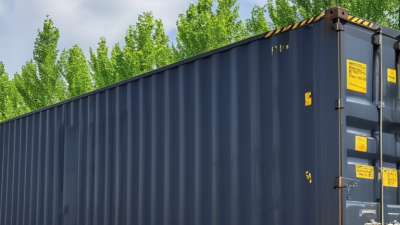
Top 40ft Shipping Container Types for Global Buyers?
Choosing the right 40ft shipping container can shape freight costs, cargo safety, and loading efficiency. Global buyers often compare standard, high cube, refrigerated, open top, flat rack, and side door models. Each type serves a different operational need.
A standard 40ft container suits boxed goods, furniture, machinery, and general cargo. A high cube version adds valuable interior height for bulky cartons or tall equipment. Refrigerated containers protect temperature-sensitive products, but their cooling systems require reliable power and careful monitoring. Open top containers help load heavy machinery from above. Flat rack units support oversized cargo, although securing that cargo demands experienced planning.
Specifications can vary by manufacturer, depot, and production year. That detail matters. Internal dimensions, door openings, payload ratings, flooring condition, and CSC inspection status should be verified before purchase or lease. A container may look sound outside while showing corrosion beneath the floor or around the roof seams. Photos help, but an in-person inspection remains more dependable.
This guide compares the top 40ft shipping container types for global buyers. It focuses on practical applications, strengths, limitations, and selection criteria. Cost alone is not enough. Port compatibility, route restrictions, handling equipment, maintenance access, and local availability also influence the real value. Some recommendations may change after checking your cargo dimensions. Measure twice. Choose carefully. Reliable container sourcing is less about finding the cheapest unit and more about matching the container to the shipment, destination, and daily operating conditions.

Standard 40-Foot Dry Shipping Containers and Their Main Features
Standard 40-foot dry shipping containers remain a practical choice for global cargo movement. Their enclosed steel body protects cartons, machinery, furniture, and palletized goods from rain, dust, and handling damage. Most units use corrosion-resistant steel panels, wooden flooring, double cargo doors, and locking bars.
A typical container measures about 12.2 meters long, 2.44 meters wide, and 2.59 meters high externally. Exact dimensions vary by manufacturer and production year. Internal capacity is commonly near 67 cubic meters, while payload limits depend on the container rating, road rules, and transport equipment. Always verify the specification sheet before booking space. That detail matters.
During yard inspections, I check door alignment, floor softness, roof holes, and worn rubber seals. A clean exterior can hide water stains inside. Moisture is the enemy. Buyers should also inspect corner castings and locking mechanisms, especially for used containers. Standard dry units are not temperature-controlled, so sensitive goods may need different equipment. They also have limited ventilation, which can affect cargo exposed to condensation. Some sellers describe a unit as “wind and watertight,” but this condition needs physical verification. Photos help, though they are not enough. A careful inspection may reveal dents, repaired flooring, or odors that affect loading plans. Certain cargo sizes may fit on paper but become difficult to secure near the doors. Measurement is still wiser than assumption.
Top 40ft Shipping Container Types for Global Buyers
Standard 40-Foot Dry Shipping Containers and Their Main Features
Typical internal volume: A standard 40-foot dry container provides approximately 67.7 m³ of enclosed space, while a 40-foot high-cube dry container offers about 76.4 m³ because of its extra internal height.
Refrigerated containers generally have less usable volume because of insulation and refrigeration equipment. Open-top containers provide a similar enclosed capacity to standard dry units but are designed for cargo that requires top loading.
Figures are representative ISO container specifications. Actual dimensions and payload limits may vary by equipment design, manufacturer, and certification.
High-Cube Containers for Extra Cargo Volume and Better Space Use
High-cube containers create more usable space without increasing the footprint of a standard 40-foot unit. Under ISO 668 dimensions, a high-cube container adds about 305 millimeters of height. Typical internal volume reaches nearly 76 cubic meters, compared with approximately 67 cubic meters for a standard unit. That is roughly 13% more cubic capacity.
More room matters for lightweight, bulky cargo. Furniture cartons, insulation panels, packaged machinery, and retail displays can use the vertical space efficiently. A practical loading plan should leave a small clearance above the cargo. Otherwise, the extra height becomes wasted air. High-cube models also help reduce the number of units required for volume-driven shipments, although weight limits still control the final loading decision.
UNCTAD’s Review of Maritime Transport 2024 highlights continuing pressure on shipping capacity, routing efficiency, and logistics costs. Better cube utilization supports these concerns, but it is not a universal solution. Cargo centers must check door height, warehouse clearance, chassis compatibility, and inland route restrictions. The World Bank’s Logistics Performance Index 2023 also shows that reliability depends on coordination across infrastructure, customs, and delivery services. A high-cube container may offer 9 cubic meters more space, yet poor loading discipline can erase much of that benefit.
Measure the cargo first. Then choose the container.
Specialized 40-Foot Containers for Refrigerated, Open-Top, and Flat-Rack Cargo
Top 40ft Shipping Container Types for Global Buyers?
Specialized 40-Foot Containers for Refrigerated, Open-Top, and Flat-Rack Cargo
UNCTAD’s Review of Maritime Transport 2024 recorded a 2.4% rise in global maritime trade during 2023. That growth increases pressure on cargo planners to select the correct 40ft container, not simply the cheapest unit. Refrigerated containers support temperature-sensitive goods through active cooling. Drewry’s 2024 Reefer Shipping Annual Review estimates seaborne refrigerated cargo at roughly 140 million tonnes annually. Small temperature errors can still damage an entire load.
A 40ft reefer needs a verified pre-trip inspection, stable airflow, and a realistic temperature setting. Cartons should leave space beneath the ceiling and in front of the return-air path. Loading warm cargo directly into a cold unit remains a common mistake. It sounds obvious. It still happens.
Open-top containers suit tall machinery, stone, timber, and other cargo requiring crane loading. Their removable roof allows vertical access, but tarpaulin protection demands careful checking during wet voyages.
Flat-rack containers handle oversized equipment, pipes, and industrial structures. Their folding ends can reduce storage pressure, while certified lashing points help control shifting forces.
ISO 1496 standards provide a technical reference for container construction and testing. Yet paperwork cannot replace a physical inspection. Cargo weight, center of gravity, securing angles, and route conditions must be reviewed together.
A perfect specification sheet may still fail beside an uneven loading surface.
Key Buying Factors: Dimensions, Materials, Compliance, and Total Cost
Choosing the right 40-foot shipping container starts with accurate dimensions. A standard unit suits general cargo, while a high-cube model offers extra internal height. Confirm internal length, door opening, floor load, and maximum payload before ordering. A few centimeters can affect pallet placement. Refrigerated, open-top, and flat-rack types serve more specialized cargo needs.
Material quality directly affects service life. Weathering steel resists corrosion, but damaged coating still needs prompt repair. Inspect roof seams, corner posts, locking bars, and the plywood floor. A container may look sound outside yet hide water stains inside. Insulation and refrigeration equipment also require careful testing. I have found that photographs rarely replace a physical inspection.
Compliance should include a valid safety approval plate, readable identification marks, and inspection records. Requirements can vary by destination, cargo, and transport method. Ask for clear documentation before payment. Total cost includes the unit price, inland delivery, port handling, customs charges, inspection, repairs, and possible modifications. A cheaper container may need new doors or extensive rust treatment. My buying mistake was comparing quotations without including local transport. The final cost changed sharply. Build a cost sheet with realistic delivery distances and contingency funds. Small omissions become expensive.