Top 10 Benefits of Using Steel Storage Containers for Your Business
In today's fast-paced business environment, efficient storage solutions are crucial for smooth operations and optimal productivity. Among various storage options available, steel storage containers have emerged as a top choice for businesses of all sizes. These versatile containers not only provide secure and reliable storage but also come with a myriad of benefits that can significantly enhance your business operations. From ensuring the safety of valuable goods to offering mobility and flexibility, steel storage containers are designed to meet diverse storage needs.
In this article, we will explore the top 10 benefits of using steel storage containers for your business. By understanding how these robust structures can streamline your workflow, reduce costs, and improve overall organization, you'll be better equipped to make informed decisions about your storage solutions. Whether you're looking to store equipment, inventory, or any other essential items, steel storage containers can provide the durability and efficiency your business requires. Join us as we delve into the compelling advantages that make these containers an indispensable asset for modern businesses.
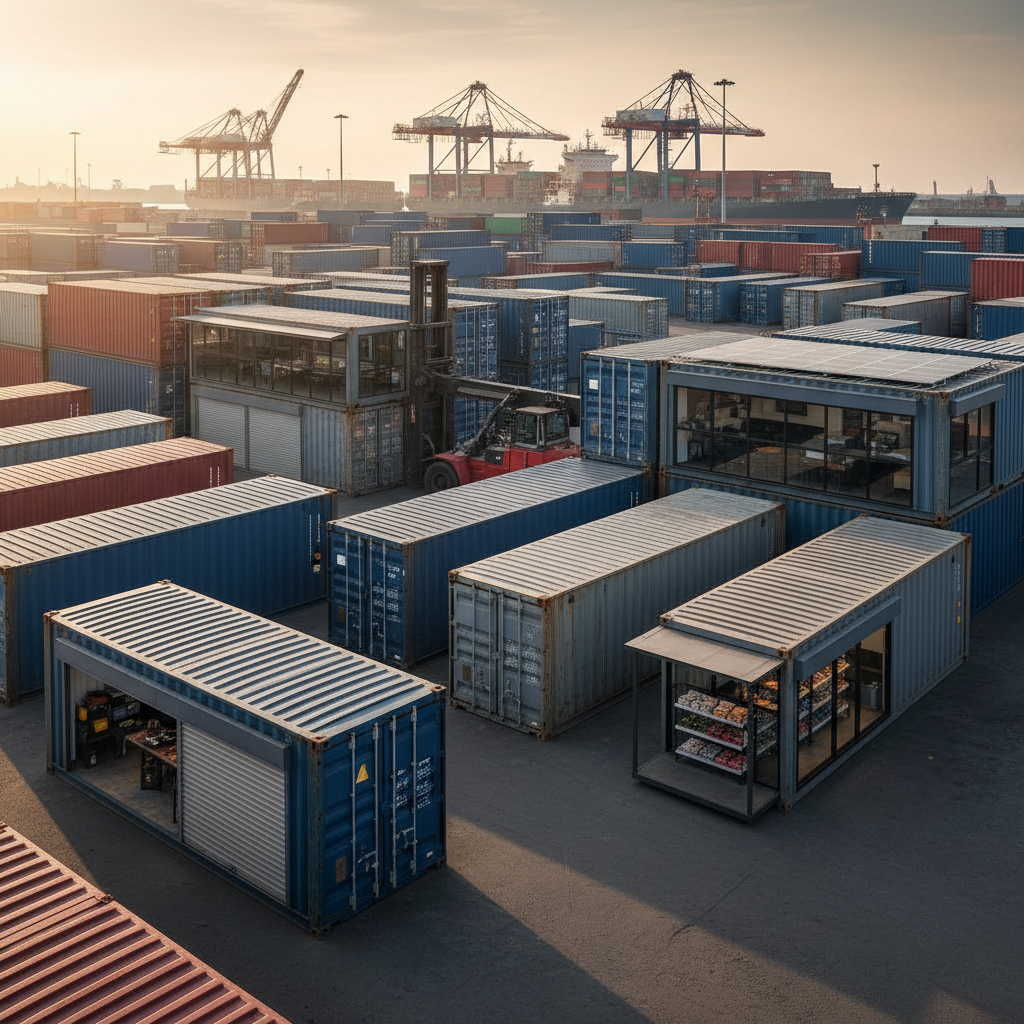
Why Steel Storage Containers Enhance Business Efficiency and Cost-Effectiveness
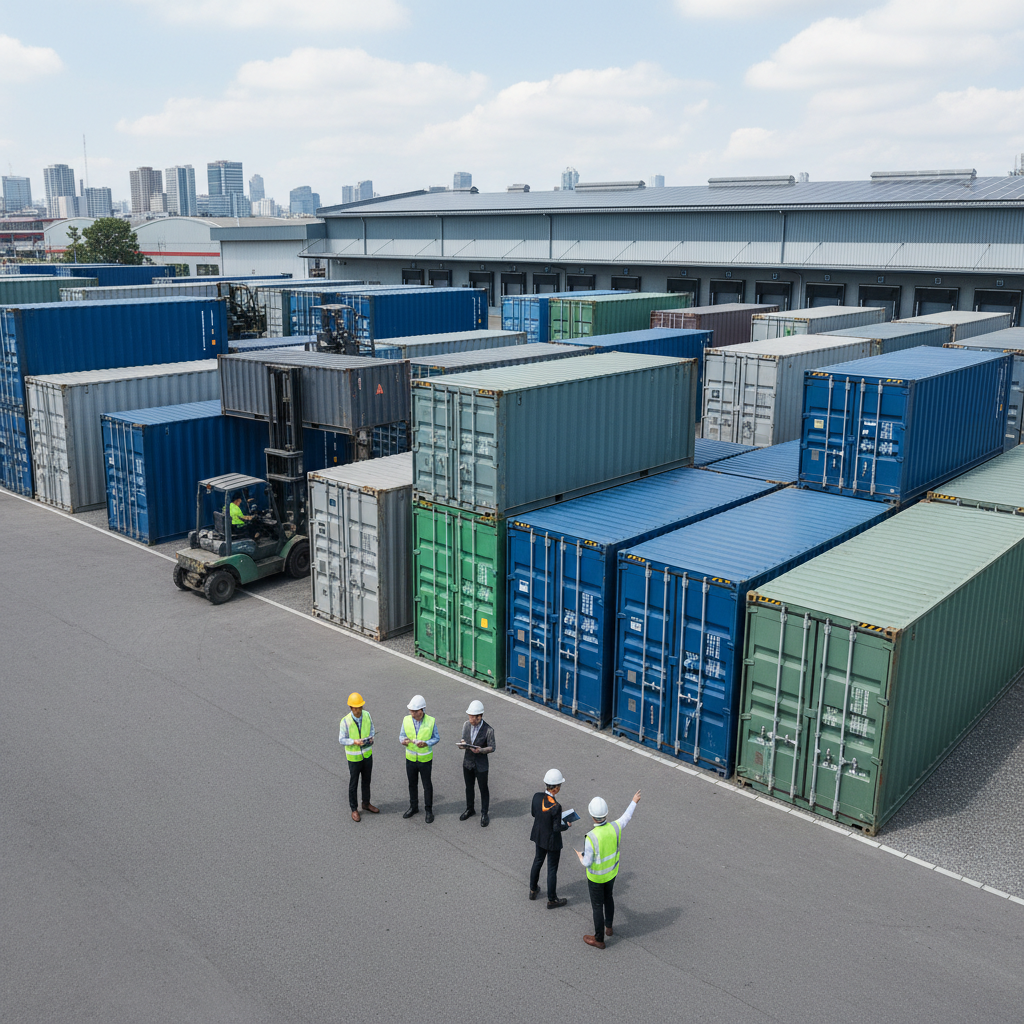
In today's fast-paced business environment, efficiency and cost-effectiveness are vital for success. Steel storage containers have emerged as an excellent solution to meet these needs. Primarily, they provide a durable and secure option for storing materials, reducing the risk of theft and damage. This security minimizes potential losses and allows businesses to allocate resources towards growth rather than loss prevention.
Additionally, using steel storage containers can significantly streamline operations. They can be easily relocated and repurposed, making them ideal for businesses that experience fluctuating inventory demands.
Implementing a strategic use of these containers can also optimize space, allowing for better organization and accessibility of goods.
Tips: When selecting steel storage containers, consider investing in containers with customizable features to suit your specific needs. Additionally, regularly assess your storage requirements to ensure that you're utilizing your containers to their full potential and making adjustments as your business evolves.
Why Steel Containers Are Ideal for Safe and Secure Asset Management
Steel storage containers are increasingly recognized as a secure solution for asset management within businesses. Their robust construction enhances safety, ensuring that valuable materials are protected from various environmental hazards, including contamination. With the rising concerns surrounding chemical storage and the need for stringent regulations in transporting materials, steel containers provide a reliable barrier against leaks and spills, minimizing health risks.
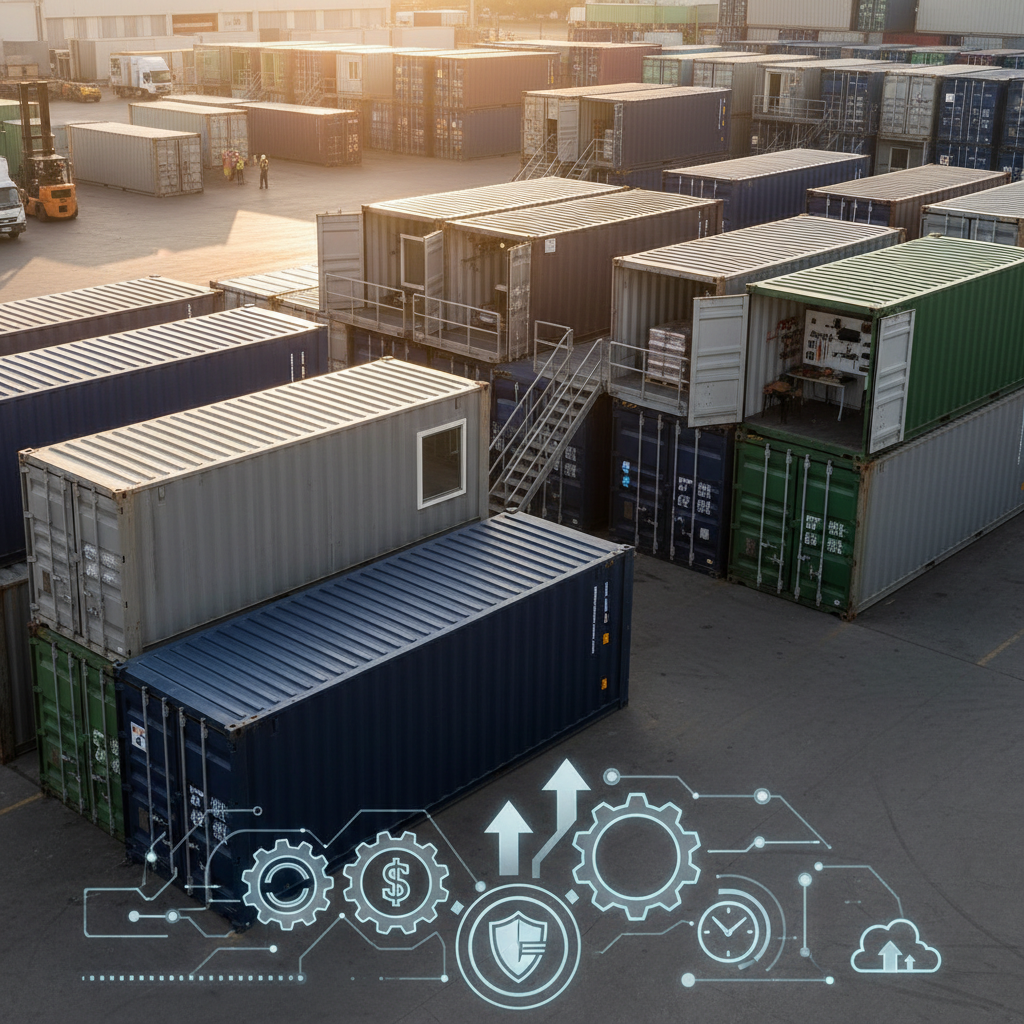
Furthermore, the recent emphasis on maritime infrastructure investments underscores the growing importance of container operations in commerce. As the production of domestic container cranes is reinvigorated, industries will benefit from enhanced capabilities in storage and management of assets. Steel containers, with their durability and resistance to wear, play a crucial role in this infrastructure, contributing to efficient logistics and safe transport. This shift towards upgraded storage solutions will not only enhance operational efficiency but also ensure that businesses adhere to safety standards while managing their assets securely.
Why Using Steel Storage Containers Contributes to Sustainability Goals
Steel storage containers are becoming increasingly popular among businesses seeking sustainable solutions. By opting for these durable containers, companies can significantly reduce their environmental footprint. Steel is 100% recyclable, which means that at the end of their life cycle, these containers can be processed and transformed into new materials, thus conserving natural resources and minimizing waste.
Additionally, using steel storage containers can enhance energy efficiency in logistics. Their robust design often leads to reduced transportation costs, as they are stackable and can be easily moved. This efficiency not only benefits businesses financially but also contributes to lower carbon emissions during transportation. Companies can further maximize this benefit by implementing a systematic approach to container usage, ensuring that they are utilized fully to avoid unnecessary trips and fuel consumption.
Tips for optimizing the use of steel storage containers include regularly inspecting for any signs of wear that could lead to inefficiency and planning container layouts to maximize available space. Moreover, businesses should consider using multi-functional containers that can serve multiple purposes—this reduces the need for additional storage solutions and helps streamline operations while supporting sustainability goals.
Why Steel Storage Containers Offer Flexibility in Storage Solutions
Steel storage containers are increasingly recognized for their flexibility in storage solutions across various industries. According to a report by the Container Owners Association, the global demand for portable storage solutions has surged by over 30% in the past five years, driven by the need for efficient space management in logistics and construction sectors. Steel containers provide businesses with the ability to scale their storage needs quickly, accommodating an influx of materials or equipment without the permanent commitment of traditional buildings.
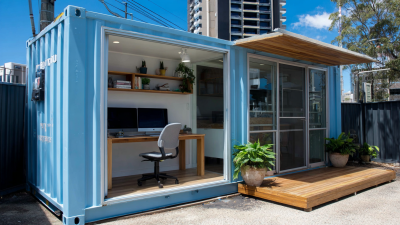
Furthermore, steel containers can be easily relocated, making them ideal for businesses with evolving operational requirements. Research indicates that organizations utilizing portable steel storage have reported a 25% reduction in overhead costs associated with traditional storage facilities. The durability and security of these containers also ensure that valuable goods are protected against theft and environmental damage. With options for customization, such as climate control and shelving, steel containers can be tailored to meet the specific needs of any business, providing a versatile solution that adapts as the business grows.
Why Investing in Steel Storage Containers Can Improve Inventory Management Strategies
Investing in steel storage containers can significantly enhance inventory management strategies for businesses of all sizes. These robust containers provide a secure and organized space for storing various items, from raw materials to finished products. By utilizing steel storage containers, companies can streamline their inventory processes, reducing the time spent searching for items and minimizing the risk of loss or damage. Their weather-resistant properties also ensure that goods remain in optimal condition, protecting against environmental factors that could compromise inventory quality.
Additionally, steel storage containers offer flexibility and scalability to businesses. As companies grow or experience seasonal fluctuations, these containers can easily adapt to changing storage needs. They can be relocated or stacked, maximizing available space and improving overall efficiency. This adaptability allows businesses to maintain better control over their inventory levels, enabling them to respond swiftly to market demands without unnecessary overstocking or shortages. Ultimately, employing steel storage containers not only secures assets but also fosters a more efficient inventory management system that can drive operational success.
Top 10 Benefits of Using Steel Storage Containers for Your Business
This bar chart displays the top 10 benefits of using steel storage containers for businesses, showcasing how each advantage is rated in terms of its impact on inventory management strategies. The ratings are based on common assessments within the industry, highlighting the key factors that organizations consider when investing in steel storage solutions.