Top 10 Benefits of Using Refrigerated Containers for Your Business Needs

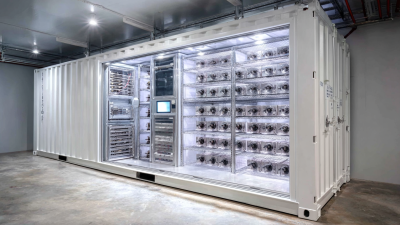
Refrigerated containers have become an essential asset for businesses across various industries, providing a reliable solution for temperature-sensitive goods. Whether you're in the food and beverage sector, pharmaceuticals, or any other field where product integrity is crucial, the advantages of using refrigerated containers are manifold. These state-of-the-art units not only ensure that products remain within the optimal temperature range but also enhance logistical efficiency, facilitating smoother operations and wider market reach.

By harnessing the benefits of refrigerated containers, businesses can significantly improve their supply chain management. They offer flexibility in storage and transportation, enabling companies to respond swiftly to demand fluctuations while maintaining product freshness. Additionally, utilizing these containers can lead to cost savings and waste reduction, making them a smart investment for any organization looking to elevate its operational standards. In this article, we will delve into the top ten benefits of using refrigerated containers, highlighting how they can address specific business needs and support growth in a competitive landscape.
Top 10 Benefits of Using Refrigerated Containers for Your Business Needs

Advantages of Temperature Control in Refrigerated Containers

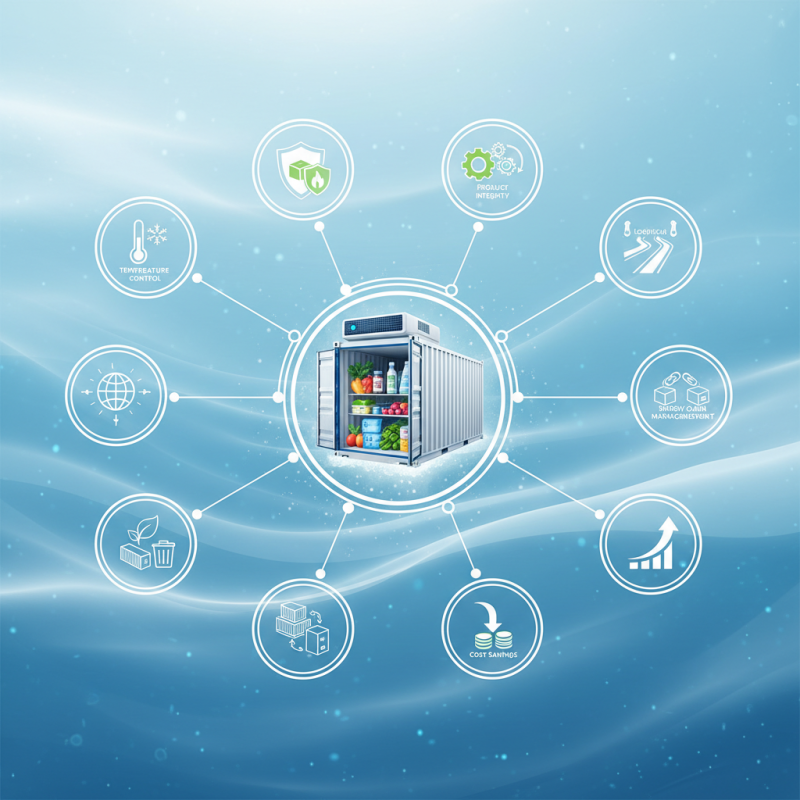
Refrigerated containers provide a vital solution for businesses that require precise temperature control for their products. One of the principal advantages of using these containers is the ability to maintain optimal conditions for perishable goods. By ensuring a stable temperature, businesses can significantly reduce spoilage and waste, leading to increased profitability. This temperature control is essential not only for food products but also for pharmaceuticals and chemicals, where the integrity of the product can be compromised by temperature fluctuations.

Furthermore, the versatility of refrigerated containers allows for the transportation of goods over long distances without the risk of deterioration. This is particularly beneficial for businesses looking to expand their reach into new markets while maintaining the quality of their products. Additionally, many modern refrigerated containers are equipped with advanced monitoring systems that enable real-time tracking of temperatures and conditions, providing further assurance that products are stored and transported safely. Such capabilities enhance the overall reliability of supply chains, fostering trust between businesses and their customers.
Top 10 Benefits of Using Refrigerated Containers for Your Business Needs

Impact on Product Freshness and Quality Preservation

Refrigerated containers have become essential in various industries, particularly when it comes to maintaining product freshness and quality. These specialized units are designed to create stable temperature environments that cater to the specific needs of perishable goods. By controlling the temperature precisely, refrigerated containers prevent spoilage and extend the shelf life of food products, pharmaceuticals, and other temperature-sensitive items. This capability ensures that businesses can deliver high-quality offerings to their customers.

Moreover, the consistent temperature management provided by these containers meets health and safety regulations, which is vital for businesses in the food industry. Proper refrigeration not only preserves the taste and texture of food products but also minimizes the risk of bacterial growth, thus ensuring that products remain safe for consumption. This aspect of quality preservation can significantly enhance a company's reputation, as consumers increasingly prioritize freshness and quality in their purchasing decisions. Ultimately, the use of refrigerated containers supports businesses in maintaining optimal product conditions, leading to increased customer satisfaction and loyalty.

Top 10 Benefits of Using Refrigerated Containers for Your Business Needs

Benefit Description Impact on Product Freshness Quality Preservation
Temperature Control Maintains optimal temperature for perishable goods. Enhances freshness of food items. Prevents spoilage and extends shelf life.
Versatility Suitable for various products including food, pharmaceuticals, and chemicals. Keeps diverse items in optimal condition. Maintains integrity across different types of goods.
Mobility Easily transportable to various locations. Ensures fresh delivery over long distances. Quality remains intact regardless of travel time.
Cost Efficiency Reduces waste through improved preservation. Decreases loss of fresh produce. Maximizes profits by retaining product value.
Safety Compliance Adheres to food safety regulations. Minimizes risk of contamination. Preserves quality by following safety standards.
Customizability Options for various sizes and specifications. Tailored to specific product needs. Ensures optimal preservation strategies.
Environmental Impact Utilizes eco-friendly refrigerants. Supports sustainable practices. Maintains product integrity with less environmental harm.
Advanced Technology Incorporates smart monitoring systems. Provides real-time temperature tracking. Enhances quality maintenance through alerts.
Enhanced Access Allows for easy loading and unloading. Reduces handling time for fresh goods. Preserves quality during transport process.
Reduced Transportation Costs Minimized losses lead to lower operational costs. Keeps products fresh during transit. Ensures product quality without excess cost.

Cost Efficiency in Transportation and Storage

Top 10 Benefits of Using Refrigerated Containers for Your Business Needs

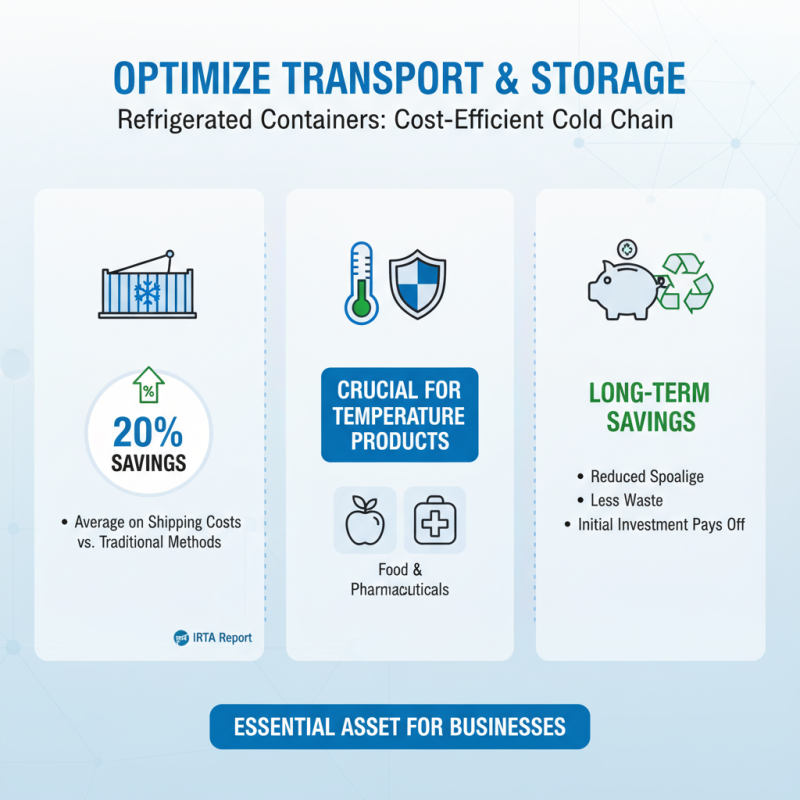
Refrigerated containers are becoming an essential asset for businesses looking to optimize their transportation and storage solutions. One significant aspect of these units is their cost efficiency. According to a report by the International Refrigerated Transport Association, businesses can save an average of 20% on shipping costs by utilizing refrigerated containers compared to traditional methods. This is particularly important in industries such as food and pharmaceuticals, where maintaining the integrity of temperature-sensitive products is crucial. The initial investment in refrigerated containers can lead to long-term savings, as these units help reduce spoilage and waste.

In addition to direct cost savings, refrigerated containers offer flexibility in logistics. They can be used for both short-term and long-term needs, allowing businesses to adapt to fluctuating demands without incurring excessive costs. Tips for enhancing cost efficiency include optimizing routes to minimize fuel consumption and ensuring regular maintenance on cooling systems to prevent costly breakdowns. Additionally, proper training for staff on the correct loading techniques can maximize space and prevent product damage.

Finally, businesses should consider the potential of using data analytics to monitor temperature levels and energy use within refrigerated containers. By leveraging technology, companies can gain insights into their operational efficiencies and identify further areas for savings. Implementing these strategies allows businesses to harness the full benefits of refrigerated containers, transforming them into a cost-effective solution for storage and transportation.

Flexibility and Versatility for Various Business Needs

Refrigerated containers have become essential tools for businesses that require dependable and flexible solutions for transporting perishable goods. Their versatility is particularly advantageous across various industries, such as food service, pharmaceuticals, and logistics. According to a recent industry report, the global refrigerated container market is expected to reach over $15 billion by 2025, driven by the increasing demand for fresh and frozen products. This growth underscores the necessity of having reliable temperature-controlled options to future-proof business operations.

Flexibility is an integral aspect of using refrigerated containers. With the ability to easily scale storage capacity according to seasonal demands, businesses can efficiently manage inventory without incurring excessive costs. Whether you're shipping seafood across the country or storing vaccines in a controlled environment, these containers adapt to your needs. A study highlighted that companies utilizing refrigerated containers experience up to 30% reduction in spoilage rates, significantly higher than traditional storage methods.

Tips: When considering refrigerated containers, assess the specific temperature requirements for your products and invest in monitoring systems to ensure compliance. Additionally, explore options that offer modular setups to maximize space and efficiency, especially for growing businesses. Finally, regular maintenance and checks on the refrigeration units can prevent unexpected downtimes, keeping your operations smooth.

Enhancements in Supply Chain Reliability and Efficiency

Top 10 Benefits of Using Refrigerated Containers for Your Business Needs

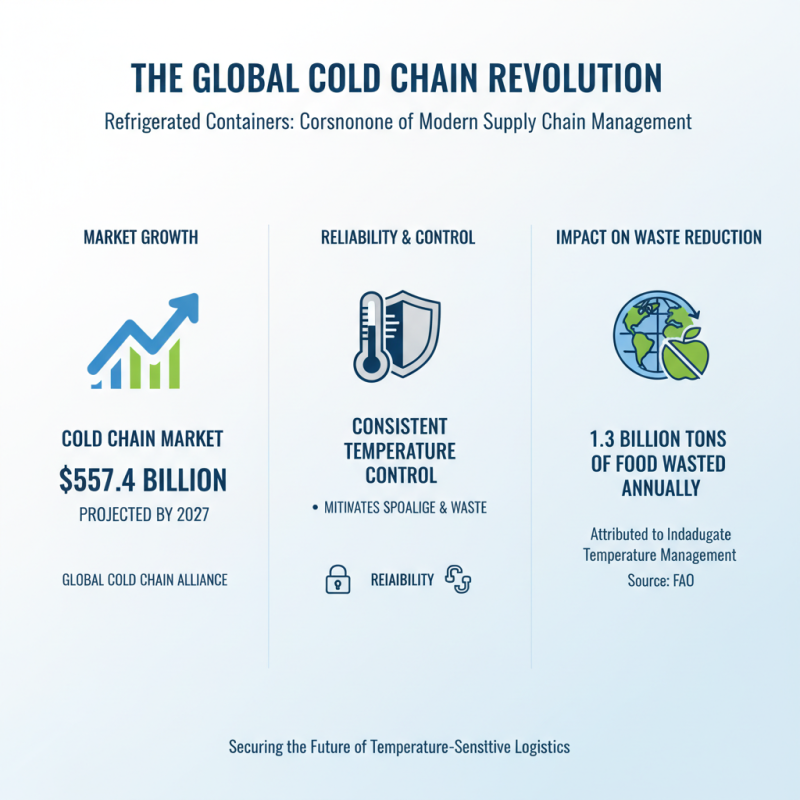
Refrigerated containers are increasingly becoming a cornerstone of modern supply chain management, particularly for businesses that require temperature-sensitive logistics. According to the Global Cold Chain Alliance, the cold chain market is projected to reach $557.4 billion by 2027, dramatically highlighting the growing significance of temperature-controlled storage and transport solutions. Utilizing refrigerated containers enhances supply chain reliability by providing consistent temperature control, which mitigates the risk of spoilage and waste. This reliability is crucial, as the Food and Agriculture Organization states that around 1.3 billion tons of food are wasted globally each year, much of which can be attributed to inadequate temperature management during transport.

Moreover, efficiency in the supply chain is significantly boosted through the use of refrigerated containers. A report by Allied Market Research predicts the global refrigerated container market to experience a CAGR of 8.2% from 2021 to 2028. This growth can be largely attributed to the enhanced logistics capabilities these containers offer, allowing businesses to optimize their distribution networks. By ensuring that goods maintain their necessary temperature throughout transit, companies can reduce lead times and eliminate unnecessary costs associated with product returns and losses. As a result, businesses can respond more swiftly to market demands, ultimately leading to improved customer satisfaction and loyalty.