Why Choose Second Hand Shipping Containers for Your Next Project?
When considering options for your next project, second hand shipping containers emerge as a compelling choice. These containers are often available at a fraction of the cost of new ones. They have a unique charm and character that can enhance various applications, from pop-up shops to garden studios. In addition to their affordability, second hand shipping containers offer durability and resilience. They are designed to withstand harsh environments at sea, making them suitable for diverse climates.
However, one must reflect on potential challenges. The used condition may bring some wear and tear that requires attention. You might encounter rust spots or imperfections. It’s essential to evaluate the structural integrity before purchasing. Not every container will meet high standards without some refurbishment. Still, with some effort, second hand shipping containers can be transformed into functional and stylish spaces. They encourage creativity and adaptability, making them perfect for innovative projects. Choosing them is not just a cost-effective decision but also an environmentally conscious one, promoting sustainability in construction.

Benefits of Using Second Hand Shipping Containers
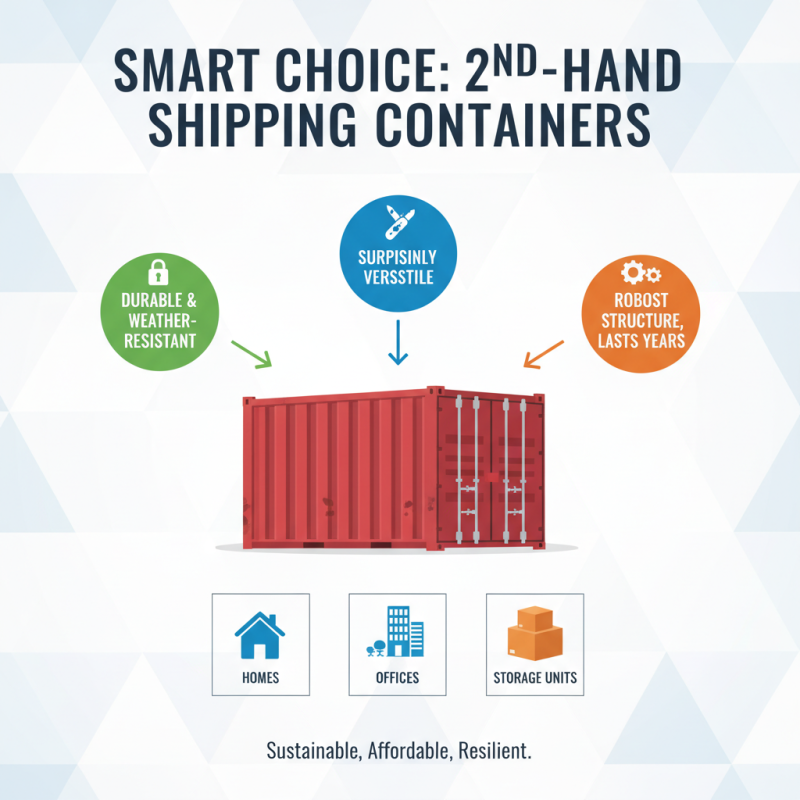
Using second-hand shipping containers for projects can be a smart choice. They are durable, weather-resistant, and surprisingly versatile. These containers can be transformed into homes, offices, or storage units. Their robust structure ensures that they last for years, even in harsh conditions.
Tips: Always inspect a container thoroughly. Look for rust, dents, or structural damage. A few imperfections might indicate a good deal, but beware of significant flaws. Focus on functionality rather than aesthetics. You may find a container that meets your needs perfectly.
Another reason to choose second-hand containers is cost. They are often much cheaper than new ones. This opens up opportunities for more projects without breaking the bank. Be mindful, though; cheaper doesn’t always mean better. A slightly higher price might ensure better quality. Look into available options within your budget.
Tips: Consider the transportation costs. Sometimes, the deal can change when you factor in delivery expenses. Always ask about these before finalizing your decision. Additionally, think about repurposing. A worn container can be transformed into a unique design piece.
Cost-Effectiveness of Second Hand Shipping Containers
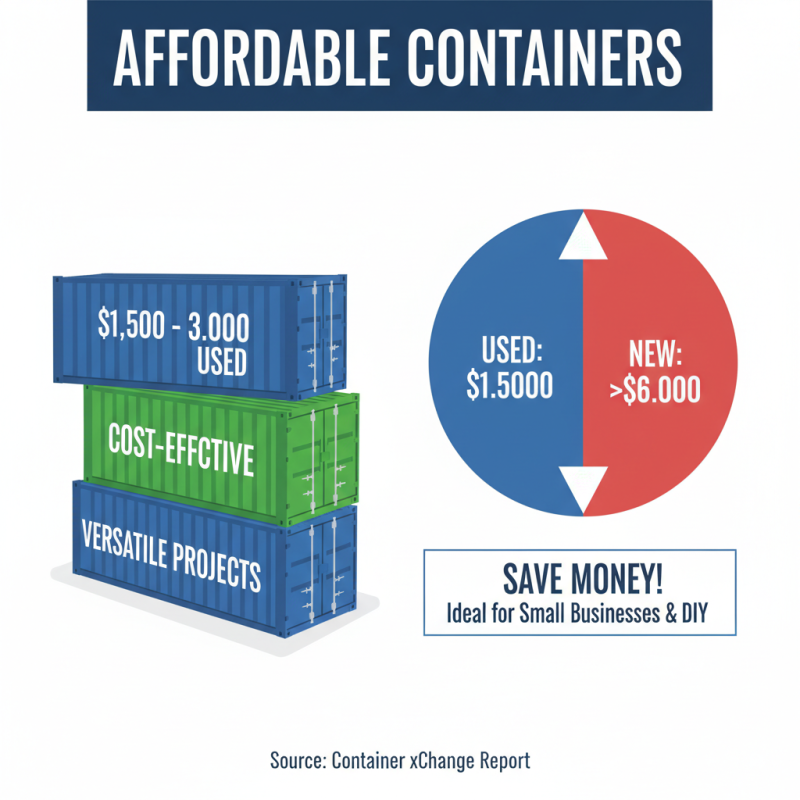
Second-hand shipping containers offer a unique blend of affordability and functionality for various projects. Their cost-effectiveness is particularly noteworthy. According to a report by Container xChange, the average price of a used shipping container ranges from $1,500 to $3,000, significantly lower than new models, which can exceed $6,000. This price difference can be a game-changer for small businesses or DIY enthusiasts on a budget.
Additionally, using second-hand containers helps reduce waste. The shipping industry churns out millions of containers each year, many of which are retired prematurely. This offers opportunities for recycling and upcycling. A study from the International Maritime Organization highlights that repurposing shipping containers could lower the carbon footprint of new constructions by up to 80%. Investing in these containers can simultaneously address financial and environmental concerns.
However, buyers should note that not all used containers are in perfect shape. Some might have dents, rust spots, or structural issues that need fixing. It's essential to thoroughly inspect each unit before purchase. Also, additional costs may arise from transporting and modifying the containers. Balancing these factors is crucial for achieving maximum value.
Environmental Impact of Reusing Shipping Containers
The environmental impact of reusing shipping containers is significant. Each year, millions of containers become obsolete. Many end up in landfills, contributing to waste. However, repurposing these containers can reduce this impact. Reports show that reusing a single shipping container can save 3,000 kg of CO2 emissions. This number is staggering considering the global shipping industry contributes nearly 3% of total greenhouse gas emissions.
Second-hand shipping containers require less energy to modify than new materials. This energy savings can lower your project's carbon footprint. A study indicated that reusing steel, such as that in shipping containers, can save over 70% of the energy needed to produce new steel. Yet, it's crucial to recognize that not all containers are in perfect condition. Some may require repairs or treatment for contaminants.
Choosing second-hand containers can be a step towards a circular economy. Reusing existing materials reduces the demand for new resources. However, the approach needs careful consideration. Not every project will benefit equally from using second-hand containers. Assessing their condition and suitability is key. Ultimately, choosing second-hand shipping containers should align with sustainability goals. The benefits can be substantial, but the challenges must be addressed thoughtfully.
Versatility of Second Hand Shipping Containers in Various Projects
Second-hand shipping containers are gaining popularity. They are versatile and sustainable. Many people are discovering creative uses for them in various projects. From homes to pop-up shops, their possibilities are endless.
One exciting use is for personal storage. A used container can provide a secure space for your belongings. It’s a cost-effective solution. Just remember to check for rust or leaks. This ensures your items remain protected. Another common use is in building trendy cafes or retail spaces. The industrial look adds character, while the layout can be customized.
Tips: Always measure your space before purchasing a container. It helps to avoid unexpected issues on-site. Consider your local regulations to ensure compliance. Lastly, visualize how you want the finished project to look. This clarity can prevent mistakes and extra expenses.
Repurpose these containers with a touch of creativity. They can become garden offices or art studios. It's essential to have a solid plan. Any miscalculation can lead to wasted time and resources. Embracing second-hand containers might prompt you to rethink your design journey.
Why Choose Second Hand Shipping Containers for Your Next Project?
Tips for Sourcing and Upcycling Second Hand Shipping Containers
Second-hand shipping containers are gaining popularity for various projects. They're versatile and can be transformed into homes, offices, and more. The global shipping container market is projected to grow by 6.4% annually from 2021 to 2026, highlighting the increasing interest in alternative building solutions.
When sourcing second-hand containers, consider local suppliers or online marketplaces. Inspect containers for rust, structural damage, or previous modifications. Reports indicate that about 30% of containers may have hidden wear. It’s wise to assess their condition carefully before purchase.
Upcycling offers an opportunity to innovate. Transform a container into a stylish café or a cozy tiny home. Use eco-friendly paints or solar panels to enhance sustainability. However, remember that not all upcycling ideas will succeed. Test different approaches and be open to rethinking your designs. The key is to balance creativity with practicality in your projects.